

Supply Chain Management in Steel Coil Packaging
Are you grappling with the complexities of steel coil packaging within your supply chain? Damaged steel coils, inefficient handling, and escalating costs can cripple operations. Imagine a streamlined process that minimizes damage, optimizes space, and enhances overall supply chain efficiency. This article dives deep into effective supply chain management for steel coil packaging, revealing strategies to transform your operations and boost your bottom line.
Effective supply chain management in steel coil packaging is crucial for minimizing damage, reducing costs, and ensuring timely delivery. It involves optimizing packaging materials, processes, and logistics to protect coils from origin to destination, thereby enhancing efficiency and customer satisfaction.
Ready to revolutionize your steel coil packaging and supply chain? Let's explore the critical aspects that can make a significant difference in your operational success.
Unique Challenges in Steel Coil Packaging
Steel coils, with their immense weight and cylindrical shape, present unique packaging challenges that demand specialized solutions. Unlike regular cargo, these heavyweights require robust handling and protection throughout their journey. Ignoring these unique demands can lead to damage, safety hazards, and increased operational costs.
The primary challenges in steel coil packaging stem from their substantial weight, cylindrical shape, and susceptibility to corrosion and physical damage. These factors necessitate specialized handling techniques, robust packaging materials, and tailored processes to ensure safe and efficient transportation and storage throughout the supply chain.
%[alt with keywords]

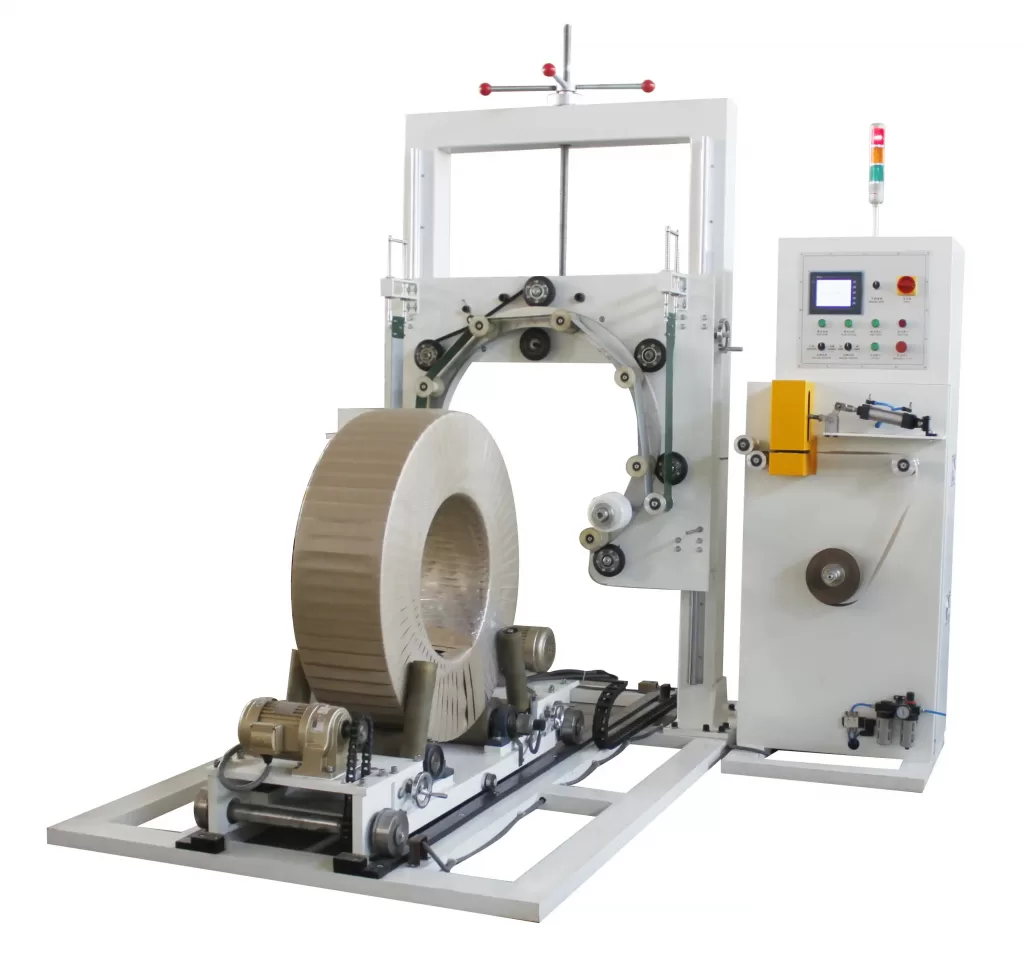
Decoding the Steel Coil Packaging Puzzle
Steel coil packaging isn't a one-size-fits-all scenario. Several factors contribute to the complexity, demanding a nuanced approach to supply chain management. Let’s break down these challenges:
Weight and Handling Difficulties
Steel coils are inherently heavy, ranging from several tons to over 40 tons. This immense weight makes manual handling extremely challenging and dangerous. Traditional methods often rely on extensive manual labor and heavy machinery, increasing the risk of accidents and inefficiencies. The sheer weight also necessitates robust packaging that can withstand the stresses of lifting, loading, and transportation without failing.
Shape and Stability Concerns
The cylindrical shape of steel coils adds another layer of complexity. Unlike rectangular boxes, coils are prone to rolling and shifting during transit if not properly secured. Maintaining stability is crucial to prevent damage to the coils themselves and to ensure the safety of personnel and equipment involved in handling. This requires specialized securing methods and packaging designs that accommodate the round shape and prevent movement.
Corrosion and Environmental Exposure
Steel is susceptible to corrosion, especially when exposed to moisture and humidity. During shipping and storage, coils can encounter various environmental conditions that accelerate rust formation. Protecting steel coils from corrosion is paramount to maintaining their quality and preventing costly rejections or rework. This necessitates moisture-barrier packaging materials and, in some cases, corrosion inhibitors.
Damage Vulnerability
Beyond corrosion, steel coils are also vulnerable to physical damage, such as dents, scratches, and edge damage. Impact during handling, vibrations during transport, and improper stacking can all lead to surface imperfections that affect the coil's value and usability. Packaging must provide cushioning and protection against these potential physical impacts.
To effectively manage these multifaceted challenges, a holistic approach is essential. This involves not only selecting the right packaging materials but also implementing efficient handling procedures, leveraging automation, and ensuring proper training for personnel involved in the steel coil supply chain. Let's examine how these challenges translate into tangible impacts and explore potential solutions.
| Challenge | Impact | Solution |
|---|---|---|
| Weight | Difficult and dangerous manual handling | Automated handling systems, robust packaging |
| Shape | Instability during transport, risk of rolling | Specialized securing methods, coil upenders |
| Corrosion Risk | Material degradation, quality issues | Moisture-barrier packaging, VCI films, coatings |
| Damage Vulnerability | Product defects, customer dissatisfaction | Protective wrapping, cushioning, careful handling |
%[keywords]

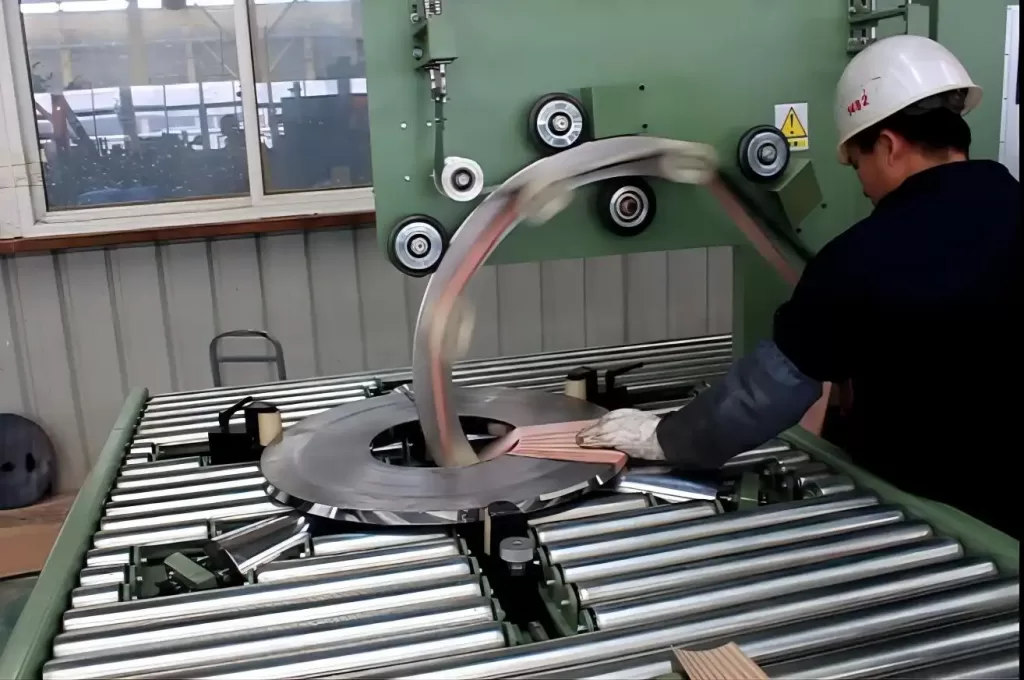
Consequences of Improper Steel Coil Packaging
Improper steel coil packaging isn't just an inconvenience; it's a significant drain on resources, safety, and profitability within the steel industry. From damaged goods to hazardous working conditions, the repercussions of inadequate packaging ripple throughout the supply chain. Understanding these consequences is the first step towards prioritizing effective packaging strategies.
Improper packaging of steel coils leads to a cascade of negative consequences, including product damage, safety hazards during handling and transportation, increased operational costs due to returns and rework, and ultimately, decreased customer satisfaction. Addressing packaging deficiencies is crucial for mitigating these risks and ensuring a smooth and cost-effective supply chain.
Unpacking the High Cost of Packaging Missteps
The true cost of improper steel coil packaging extends far beyond the price of materials. It encompasses a range of direct and indirect impacts that can significantly erode profitability and damage a company’s reputation. Let’s delve into the key areas where inadequate packaging takes its toll:
Coil Damage and Quality Degradation
The most immediate and visible consequence of poor packaging is physical damage to the steel coils themselves. Without adequate protection, coils are susceptible to:
- Corrosion: Moisture ingress due to insufficient wrapping or inadequate moisture barriers leads to rust formation, compromising the coil’s structural integrity and surface finish.
- Dents and Deformations: Impacts during handling and transport can cause dents, bends, and distortions, particularly on the coil edges, rendering the material unusable for certain applications.
- Surface Scratches and Abrasions: Lack of protective layers can result in scratches and abrasions on the coil surface, affecting its aesthetic appeal and potentially its performance.
These damages directly translate to quality degradation, leading to higher rejection rates, increased scrap, and ultimately, financial losses. Customers receiving damaged coils are also likely to experience production delays and dissatisfaction.
Safety Hazards in Handling and Transportation
Improperly packaged steel coils pose significant safety risks throughout the supply chain. Unstable packaging can lead to:
- Coil Shifting and Rolling: Inadequate securing and stabilization can cause coils to shift or roll during transit, leading to accidents, damage to equipment, and potential injuries to personnel.
- Packaging Failures: Weak or inappropriate packaging materials can fail under the weight and stress of the coil, resulting in collapses, dropped coils, and hazardous working conditions.
- Difficult Handling: Poorly packaged coils are harder to handle safely and efficiently, increasing the risk of accidents during loading, unloading, and storage.
These safety hazards not only endanger workers but also lead to potential liabilities, insurance claims, and disruptions to operations.
Escalating Operational Costs
The cumulative effect of coil damage and safety issues translates into significant operational cost increases. These costs manifest in various forms:
- Increased Damage Claims and Returns: Damaged coils often result in customer claims, returns, and the need for replacements, adding to logistical complexities and expenses.
- Higher Rework and Scrap Rates: Damaged coils may require costly rework or end up as scrap, reducing material utilization and increasing waste disposal costs.
- Elevated Insurance Premiums: A history of packaging-related incidents can lead to higher insurance premiums and stricter safety regulations.
- Supply Chain Disruptions: Delays and disruptions caused by damage and safety issues can ripple through the supply chain, impacting production schedules and delivery timelines.
By meticulously addressing steel coil packaging, companies can proactively mitigate these costly consequences and build a more resilient and profitable supply chain.
%[keywords]

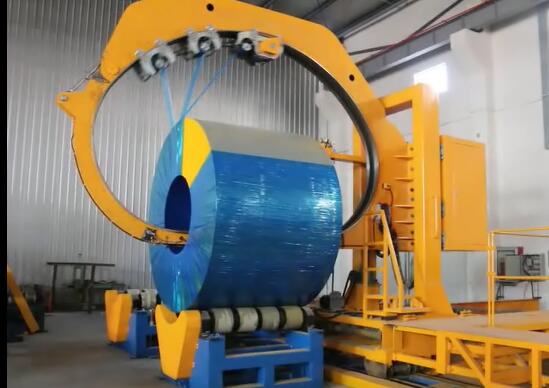
Best Practices in Steel Coil Packaging
Tackling the challenges of steel coil packaging and avoiding the costly consequences of improper methods requires a commitment to best practices. Implementing these practices across your supply chain can transform packaging from a potential bottleneck into a source of efficiency and competitive advantage.
Best practices for steel coil packaging encompass a multi-faceted approach including selecting appropriate high-quality packaging materials, implementing automated packaging systems for consistency and efficiency, and providing comprehensive training to personnel to ensure adherence to standards and safe handling procedures. These combined efforts optimize protection, minimize waste, and enhance overall supply chain performance.
Elevating Your Steel Coil Packaging Game
Adopting best practices in steel coil packaging is not merely about following guidelines; it's about strategically optimizing your operations for efficiency, safety, and cost-effectiveness. Here’s a breakdown of key areas to focus on:
Strategic Material Selection
Choosing the right packaging materials is the foundation of effective steel coil protection. Consider these factors:
- Material Strength and Durability: Select materials that can withstand the weight and stresses of steel coils, as well as the rigors of handling and transportation. High-strength steel or heavy-duty plastic strapping, robust wooden or steel skids, and tear-resistant wrapping films are essential.
- Environmental Protection: Opt for moisture-barrier materials like VCI (Volatile Corrosion Inhibitor) films or papers, waterproof wraps, and edge protectors to shield coils from humidity, rain, and condensation, preventing corrosion.
- Cushioning and Impact Resistance: Incorporate cushioning materials like corrugated cardboard, foam pads, or bubble wrap to protect coil edges and surfaces from impacts and vibrations during transit.
- Recyclability and Sustainability: Consider environmentally friendly packaging options like recyclable plastics, paper-based alternatives, and reusable strapping to minimize waste and align with sustainability goals.
Leveraging Automation for Efficiency and Consistency
Automated packaging systems revolutionize steel coil packaging by enhancing speed, consistency, and safety. Key automation technologies include:
- Coil Wrapping Machines: Automated wrapping machines apply stretch film or other protective wraps tightly and consistently around coils, ensuring uniform coverage and protection.
- Strapping Machines: Automated strapping machines apply steel or plastic straps with precise tension, securely fastening coils to skids or pallets and preventing shifting during transport.
- Coil Upenders and Tilters: These machines safely and efficiently rotate and tilt coils for easier access during packaging and handling, reducing manual effort and improving safety.
- Automated Guided Vehicles (AGVs): AGVs can automate the movement of coils within packaging facilities, streamlining material flow and reducing reliance on manual forklift operations.
Automation not only speeds up the packaging process but also minimizes human error, leading to more consistent and reliable packaging quality.
Investing in Training and Skill Development
Even with advanced materials and automation, human expertise remains crucial. Comprehensive training programs are essential to ensure that personnel involved in steel coil packaging understand best practices and operate equipment safely and effectively. Training should cover:
- Proper Handling Techniques: Educate workers on safe lifting, loading, and securing procedures for steel coils to minimize the risk of accidents and damage.
- Packaging Material Application: Train staff on the correct methods for applying wrapping films, straps, edge protectors, and other packaging materials to ensure optimal protection.
- Equipment Operation and Maintenance: Provide thorough training on the safe and efficient operation of automated packaging equipment, as well as basic maintenance procedures to prevent downtime.
- Quality Control Procedures: Train personnel to inspect packaged coils for quality and adherence to standards, identifying and correcting any packaging defects before shipment.
By investing in material selection, automation, and training, companies can establish a robust and efficient steel coil packaging system that minimizes risks, reduces costs, and enhances overall supply chain performance.
| Practice | Benefits | Result |
|---|---|---|
| Strategic Material Selection | Enhanced protection, reduced corrosion risk | Lower damage rates, improved product quality |
| Automation Adoption | Increased efficiency, consistent packaging | Faster throughput, reduced labor costs, fewer errors |
| Training & Skill Development | Improved safety, reduced human error | Decreased incidents, enhanced operational efficiency |

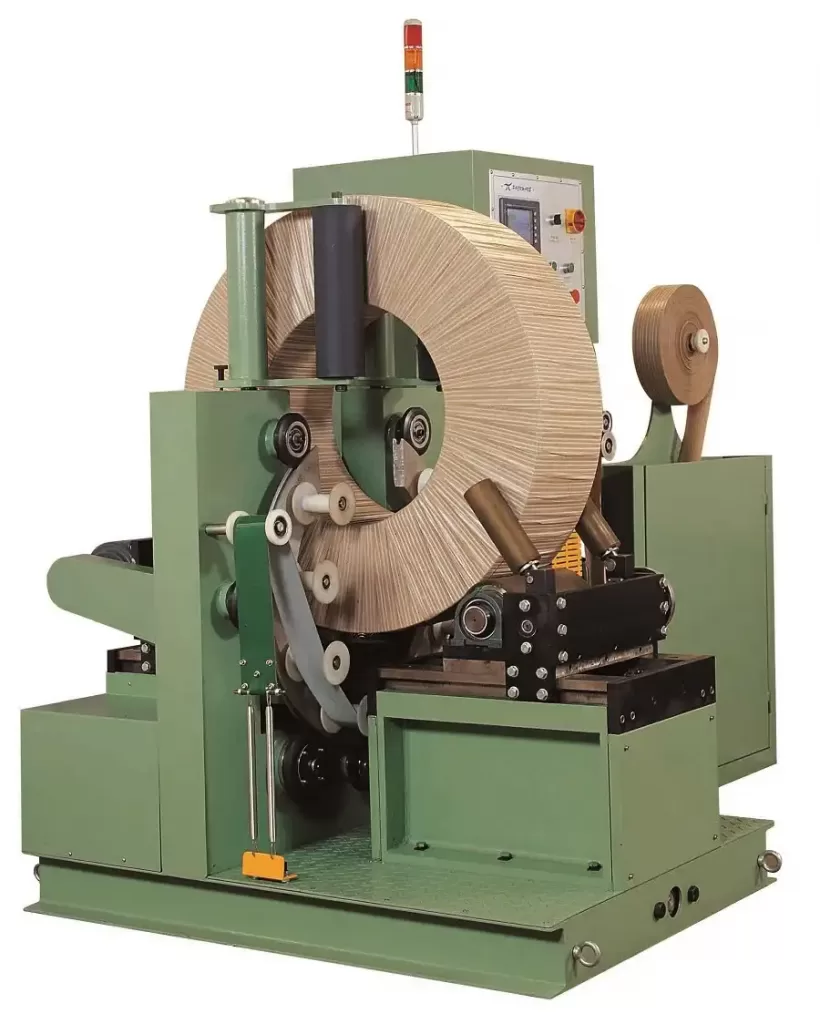
Steel Coil Packing Systems: Driving Business Growth
Steel coil packing systems are more than just packaging solutions; they are strategic investments that fuel business growth across multiple dimensions. By streamlining operations, enhancing product quality, and optimizing logistics, these systems provide a competitive edge in the demanding steel industry.
%[keywords]

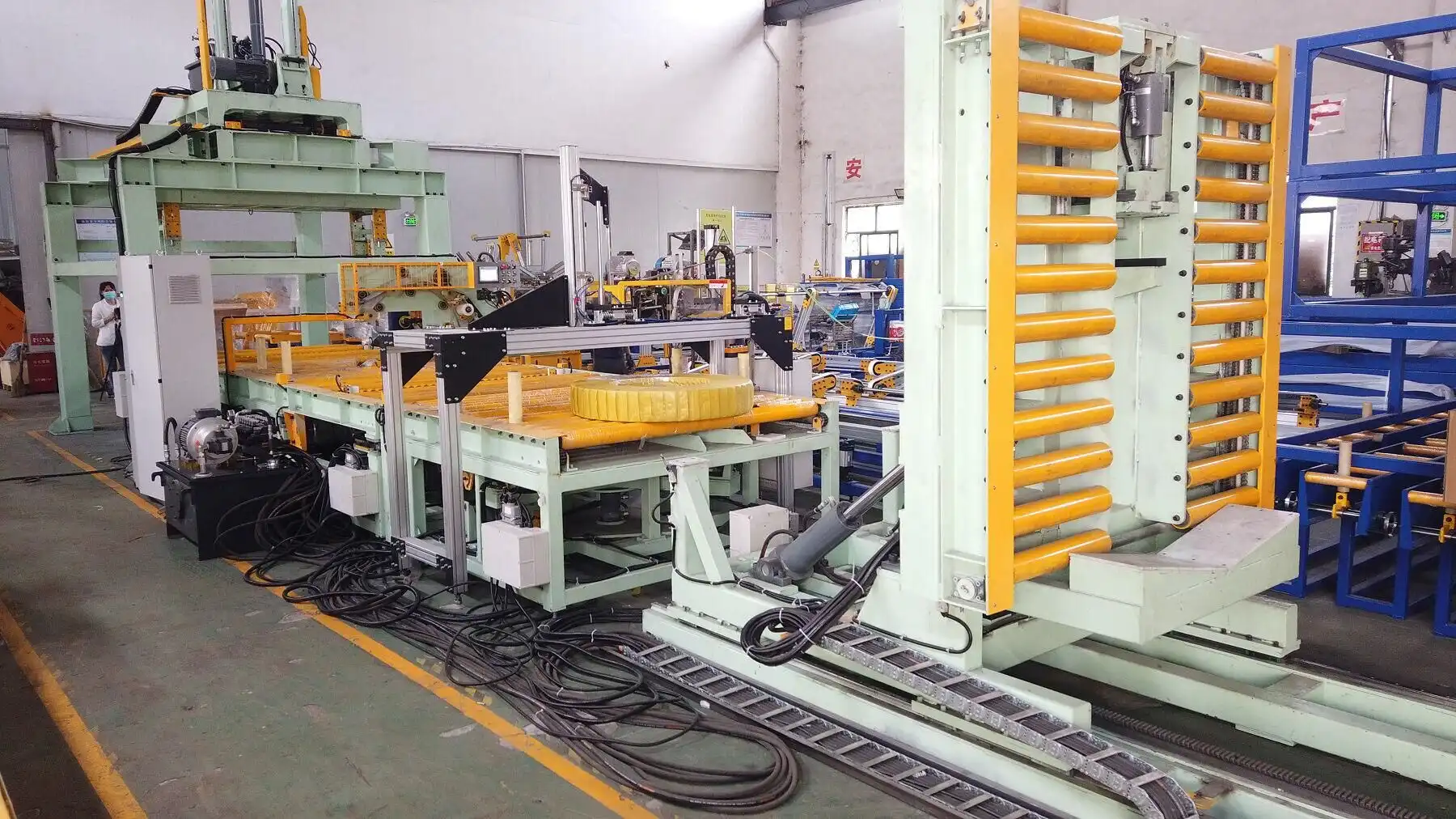
Steel coil packing systems significantly enhance business growth by boosting operational efficiency and productivity through automation, improving product quality and customer satisfaction with superior protection, optimizing space utilization and warehouse management, and streamlining supply chain efficiency and logistics. These improvements collectively contribute to cost savings, enhanced competitiveness, and sustainable business expansion.
Investing in a steel coil packing system is a strategic move that pays dividends in numerous ways. These systems offer a comprehensive solution to the challenges of steel coil packaging, leading to tangible improvements in:
- Operational Efficiency: Automation reduces manual labor, speeds up packaging processes, and minimizes errors, leading to higher throughput and lower labor costs.
- Product Quality: Consistent and robust packaging protects coils from damage, corrosion, and environmental factors, ensuring products reach customers in pristine condition.
- Space Utilization: Compact system designs optimize warehouse space, streamlining inventory flow and reducing storage costs.
- Supply Chain Logistics: Efficient packaging simplifies handling, loading, and transportation, improving delivery times and reducing logistics expenses.
- Competitive Advantage: Enhanced efficiency, quality, and customer satisfaction differentiate businesses in the market, attracting more customers and fostering long-term growth.
By embracing advanced steel coil packing systems, steel manufacturers and distributors can unlock significant operational improvements, enhance their market position, and drive sustainable business growth in a competitive global landscape. Investing in [wire packing automation] is not just about improving packaging; it's about building a more efficient, resilient, and customer-centric business.
Conclusion
Effective supply chain management in steel coil packaging is indispensable for success in the steel industry. By understanding the unique challenges, mitigating the consequences of improper packaging, and implementing best practices, businesses can significantly optimize their operations. Steel coil packing systems, leveraging automation and strategic material selection, are pivotal in driving efficiency, enhancing product quality, and fostering business growth. Embracing innovation in wire packing automation is key to navigating the complexities of the steel supply chain and securing a competitive edge in the market.