

Material Selection for Steel Coil Packaging
Are you tired of dealing with damaged steel coils during shipping and storage? The frustration of rust, dents, and scratches impacting your bottom line is a common pain point in the steel industry. Choosing the right packaging material is not just about wrapping steel; it's about protecting your investment and ensuring customer satisfaction.
Selecting the right material for steel coil packaging is crucial to protect against damage from moisture, impact, and scratches during transportation and storage. Good packaging materials balance durability and cost-effectiveness, reducing damage, maintaining coil integrity, and ensuring efficient handling. This involves considering factors like material strength, water resistance, ease of application, and cost to choose the optimal solution.
This guide dives deep into material selection for steel coil packaging, exploring the challenges, impacts of improper packaging, best practices, and the role of automation. Read on to discover how to safeguard your steel coils and streamline your operations.
Unique Challenges in Steel Coil Packaging
Steel coils, with their substantial weight and delicate surfaces, present unique packaging challenges that standard methods simply can't handle. Understanding these specific hurdles is the first step to implementing effective protection and ensuring damage-free delivery.
Steel coil packaging faces unique challenges due to the coils' weight, shape, and susceptibility to corrosion and physical damage. These challenges necessitate specialized packaging solutions that go beyond typical methods. Improper handling and packaging can lead to significant issues, including rust, deformation, and safety hazards during transport. Customized approaches and specialized machinery are essential to mitigate these risks and maintain coil integrity throughout the supply chain. These challenges include managing immense weight, preventing corrosion in various environments, and stabilizing cylindrical shapes during transit. Addressing these effectively is key to minimizing damage and ensuring efficient operations.
%[unique steel coil packaging challenges]

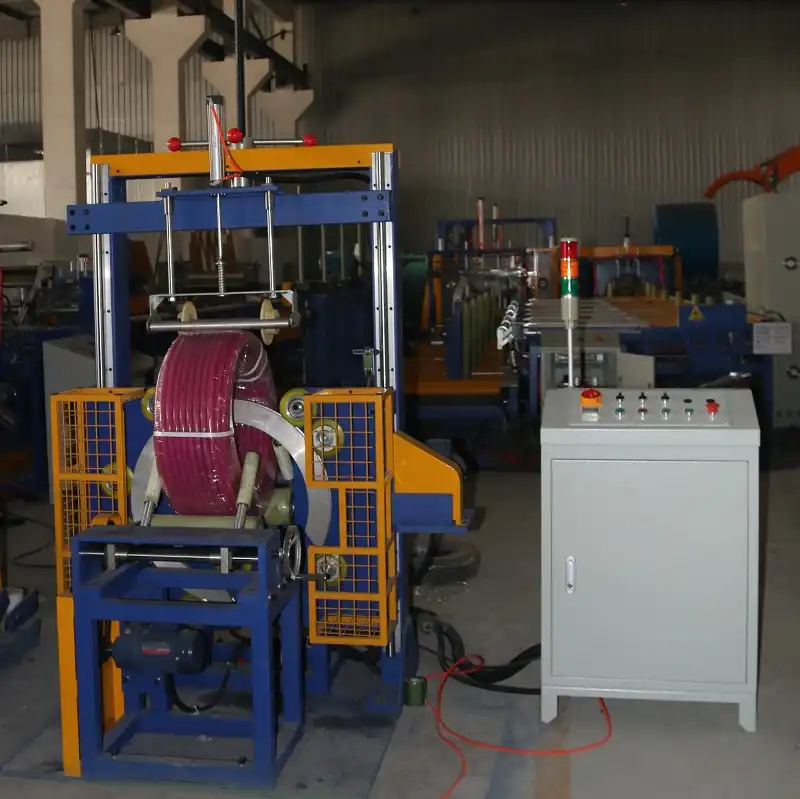
Addressing the Weight and Fragility Dilemma: A Deep Dive
The inherent weight and fragility of steel coils create a complex packaging dilemma. It's a balancing act: providing sufficient protection without making the package unwieldy or increasing transportation costs unnecessarily. Let's break down these challenges:
Weight: The Heavy Burden
Steel coils are exceptionally heavy, ranging from several tons to massive units weighing over 35 tons. This weight presents several challenges:
- Handling Difficulty: Manual handling is nearly impossible and extremely dangerous. Specialized lifting equipment like forklifts and cranes are mandatory, increasing operational complexity and requiring trained personnel.
- Transportation Stress: The immense weight exerts significant stress on packaging materials during transit. Materials must be robust enough to withstand pressure, vibrations, and potential impacts without tearing or failing.
- Stability Concerns: Heavy coils can shift during transport, especially in dynamic conditions like sea voyages or rough roads. This shifting can damage the coils themselves, the packaging, and even the transport vehicle.
Fragility: Surface Sensitivity and Deformation Risks
Despite their robust appearance, steel coils are surprisingly fragile in several ways:
- Surface Damage: The smooth, often coated surfaces of steel coils are prone to scratches, dents, and abrasions. Even minor surface imperfections can reduce the coil's value or lead to rejection by customers, especially for high-grade steel.
- Edge Damage: The edges of steel coils are particularly vulnerable to damage. Impacts or inadequate support can cause edge deformation, making the coil unusable or requiring costly rework.
- Corrosion Susceptibility: Steel is highly susceptible to rust, especially in humid or marine environments. Moisture exposure during storage or transit can lead to corrosion, significantly degrading the coil's quality and lifespan.
Shape: The Cylindrical Conundrum
The cylindrical shape of steel coils adds another layer of complexity to packaging:
- Rolling Risk: Cylindrical objects are inherently prone to rolling. If not properly secured, coils can roll during handling or transport, causing damage and posing safety risks.
- Stacking Challenges: Efficiently stacking cylindrical coils requires specialized packaging and handling techniques. Improper stacking can lead to instability and potential collapses.
- Uneven Pressure Distribution: Wrapping cylindrical objects requires careful tension control to avoid uneven pressure that could deform the coil or damage the packaging material.
To effectively address these challenges, material selection is paramount. The chosen packaging must be:
- High-Strength: Able to withstand the coil's weight and transportation stresses.
- Protective: Capable of preventing surface damage, edge deformation, and corrosion.
- Stabilizing: Designed to secure the coil and prevent rolling or shifting.
- Weather-Resistant: Impervious to moisture and environmental elements.
| Challenge | Impact | Material Solution | Machinery Solution |
|---|---|---|---|
| Weight | Handling difficulty, transport stress, instability | High-strength steel strapping, robust pallets | Coil upenders, forklifts, cranes, pallet inverters |
| Fragility | Surface damage, edge damage, corrosion | VCI paper/film, edge protectors, stretch/shrink wrap | Coil wrapping machines, tension control systems |
| Shape | Rolling risk, stacking challenges, uneven pressure | Steel strapping, customized cradles, blocking/bracing | Automated strapping machines, conveyor systems |
By carefully considering these challenges and selecting appropriate materials and machinery, businesses can significantly reduce damage rates, improve safety, and optimize their steel coil packaging processes.
Impact of Improper Packaging on Steel Coils
Failing to package steel coils correctly isn't just an inconvenience; it triggers a cascade of negative consequences that impact operations, safety, and profitability. Robust packaging is not an optional extra—it's a critical investment in protecting your products and your business.
Improper steel coil packaging leads to coil damage, safety hazards, and increased operational costs. Damage includes corrosion, physical deformation, and surface scratches, reducing coil quality and potentially leading to rejection. Safety risks arise from unstable loads during handling and transport, endangering personnel. Operationally, damage results in product returns, delays, increased material waste, and higher labor costs for rework and replacements. Addressing these issues through proper packaging is essential for cost-effective and safe steel coil handling. The repercussions extend from the factory floor to customer satisfaction and ultimately, the bottom line.
%[improper steel coil packaging]

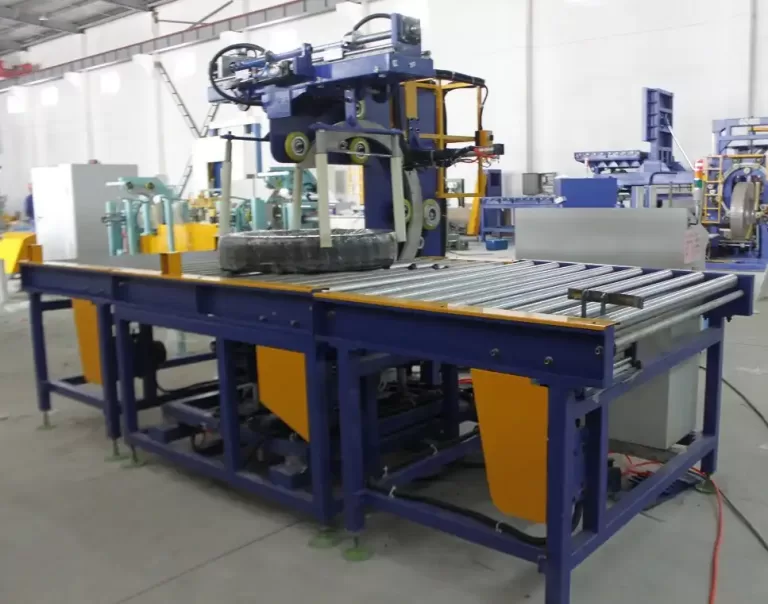
Packaging Missteps and their Costly Consequences: Dive Deeper
Let's dissect the specific ways improper packaging can wreak havoc on steel coil operations:
Coil Damage and Quality Reduction: A Loss in Value
- Corrosion Catastrophe: Moisture is steel's nemesis. Inadequate moisture barriers in packaging, such as insufficient or damaged VCI paper/film or non-waterproof outer wraps, allow humidity to reach the steel surface. This triggers rust formation, which degrades the steel's surface finish, weakens its structural integrity, and diminishes its market value. For high-value steel grades like silicon steel or coated steel, corrosion damage can render entire coils unusable.
- Physical Damage Debacle: Impacts during handling and transport are almost inevitable. If coils are not adequately cushioned and secured, they are susceptible to:
- Dents and Deformations: Heavy impacts can dent the coil's outer layers or even deform the entire coil shape, making it difficult to unwind or process.
- Scratches and Abrasions: Lack of surface protection allows coils to rub against straps, pallets, or other coils, causing scratches and abrasions that mar the surface finish. Edge damage, as mentioned earlier, is also a form of physical damage resulting from insufficient edge protection.
- Telescoping: Inadequate strapping or wrapping can lead to coil telescoping, where the coil layers shift and become misaligned, making unwinding and processing problematic and dangerous.
Safety Hazards in Handling and Transportation: Risks to Personnel
- Unstable Loads, Unsafe Situations: Improperly packaged coils are inherently unstable. Insufficient strapping, loose wrapping, or inadequate palletizing can lead to:
- Coil Roll-Offs: During lifting or transport, unsecured coils can roll off forklifts, trailers, or storage racks, causing severe damage, injuries, or even fatalities.
- Load Shifts and Collapses: In transit, especially during sudden stops or turns, poorly secured coil loads can shift, causing damage to the transport vehicle, other cargo, and posing a significant safety risk to drivers and handlers.
- Falling Packaging Materials: Loose straps, torn wrapping film, or dislodged edge protectors can fall off during handling, creating tripping hazards and potential projectile risks.
Increased Operational Costs: The Financial Drain
- The Return and Rework Loop: Damaged coils are often rejected by customers, leading to costly returns. Returned coils require inspection, potential rework (if possible), repackaging, and reshipping, adding significant labor, material, and transportation costs. In some cases, severely damaged coils are unsalvageable and become total losses.
- Material Waste and Inefficiency: Improper packaging often involves using excessive amounts of low-quality materials in a futile attempt to compensate for poor design or technique. This leads to material waste and increased packaging costs without effectively protecting the coils. Furthermore, inefficient packaging processes, often associated with manual methods and inadequate equipment, consume valuable time and labor resources.
- Damage Claims and Insurance Premiums: Frequent coil damage incidents lead to increased damage claims from customers and higher insurance premiums for the business. These indirect costs can significantly impact profitability over time.
| Issue | Cause | Effect | Financial Impact | Safety Impact |
|---|---|---|---|---|
| Coil Damage | Moisture exposure, impact, abrasion | Corrosion, dents, scratches, deformation, telescoping | Product returns, rework costs, material losses | Potential handling hazards with damaged coils |
| Safety Hazards | Unstable loads, loose packaging | Coil roll-offs, load shifts, falling packaging materials | Potential fines, liability claims, insurance costs | Personnel injuries, equipment damage, fatalities |
| Increased Costs | Returns, rework, material waste, inefficiency | Higher labor costs, increased material consumption, delays | Increased operational expenses, reduced profitability | Indirectly through accident potential |
Investing in proper packaging is not an expense; it's a strategic investment that yields significant returns by preventing these costly consequences and ensuring smooth, safe, and profitable steel coil operations.
Best Practices for Steel Coil Packaging
Protecting steel coils effectively requires a proactive approach based on industry best practices. It's about moving beyond basic wrapping to implement a comprehensive system that integrates material selection, automation, and skilled personnel.
Best practices for steel coil packaging involve a multi-faceted approach encompassing robust material selection, the adoption of automated packaging systems, and continuous staff training. Utilizing high-quality, weather-resistant materials like VCI papers and films, along with protective edge boards and steel strapping, forms the foundation. Automation ensures consistent and efficient application of these materials, reducing human error and increasing throughput. Ongoing training equips personnel with the knowledge and skills to operate equipment effectively and adapt to evolving packaging needs. Implementing these best practices leads to enhanced coil protection, minimized damage, improved safety, and optimized operational efficiency. These practices are not just about minimizing damage; they are about optimizing the entire packaging process for efficiency, safety, and cost-effectiveness.
%[steel coil packaging best practices]

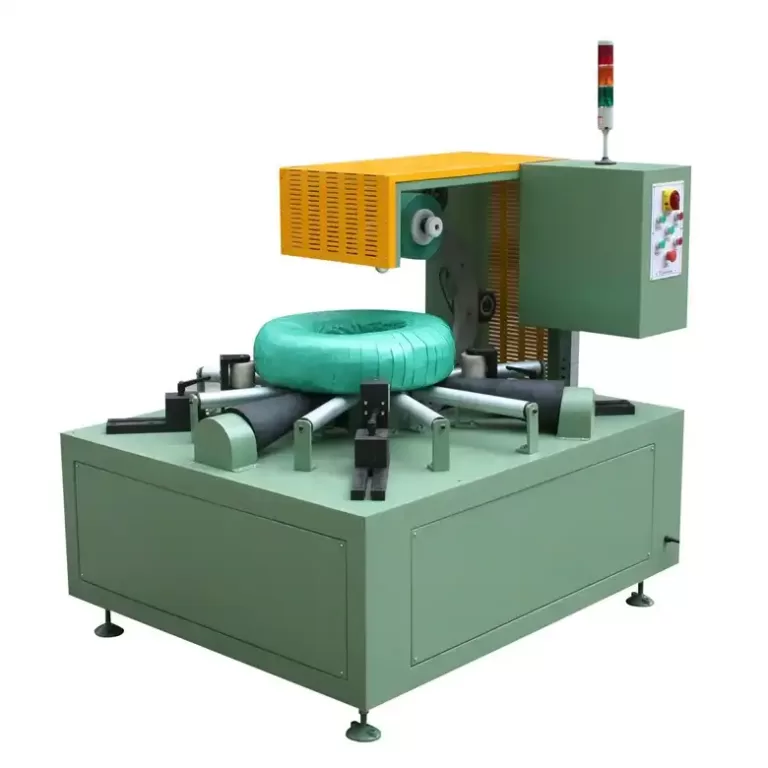
Steps to Optimize Steel Coil Packaging: A Practical Guide
Let's outline actionable steps to implement best practices and elevate your steel coil packaging to a world-class standard:
Material Selection and Usage: Choosing Wisely
- VCI (Vapor Corrosion Inhibitor) Materials: VCI papers and films are indispensable for corrosion prevention. They release corrosion-inhibiting chemicals that create a protective atmosphere around the steel coil, preventing rust formation. Select VCI materials appropriate for the steel type, storage duration, and environmental conditions. Ensure proper wrapping techniques to create a sealed enclosure for optimal VCI effectiveness.
- Waterproof Barrier Wraps: Waterproof laminated papers, polyethylene films, or woven polypropylene wraps are crucial outer layers to shield coils from rain, humidity, and condensation during storage and transit. Choose materials with sufficient tear and puncture resistance to withstand handling stresses.
- Edge Protection: Cardboard or plastic edge protectors are essential to prevent damage to coil edges from strapping or impacts. Select edge protectors with adequate thickness and strength based on coil weight and handling intensity. Consider using plastic edge protectors for damp environments where cardboard might degrade.
- Steel or Plastic Strapping: High-tensile steel or durable plastic strapping is vital for securing coils and maintaining package integrity. Steel strapping offers superior strength for heavy coils, while plastic strapping provides flexibility and corrosion resistance. Choose strapping with appropriate width and thickness based on coil weight and dimensions. Apply strapping with consistent tension to avoid coil deformation or strap breakage.
- Pallets and Skids: Use robust wooden or steel pallets or skids to provide a stable base for coils, facilitate forklift handling, and protect coils from ground moisture and dirt. Select pallet material and design based on coil weight, size, and handling frequency.
Adoption of Automation: Efficiency and Consistency
- Coil Wrapping Machines: Automated coil wrapping machines apply stretch wrap, shrink wrap, or other wrapping materials with consistent tension and overlap, ensuring uniform protection and minimizing material waste. Choose machines with adjustable tension settings and programmable wrapping patterns to accommodate different coil sizes and packaging requirements.
- Automated Strapping Machines: Automated strapping machines apply steel or plastic straps with precise tension and placement, increasing speed and consistency compared to manual strapping. Select machines with features like automatic edge protector application and programmable strapping patterns for optimized efficiency.
- Conveyor Systems and AGVs (Automated Guided Vehicles): Integrate conveyor systems and AGVs to automate coil movement between production lines, packaging stations, and storage areas, reducing manual handling, minimizing damage risks, and improving overall workflow efficiency.
Training and Skill Development: Empowering Personnel
- Comprehensive Training Programs: Implement regular training programs for packaging personnel covering:
- Proper material selection and usage techniques.
- Safe operation of packaging equipment, including wrapping and strapping machines.
- Quality control procedures and inspection criteria for packaged coils.
- Safety protocols for handling heavy coils and operating automated systems.
- Skill-Based Certification: Consider implementing a skill-based certification program to ensure that packaging personnel have demonstrated competency in essential tasks and procedures.
- Continuous Improvement Initiatives: Encourage feedback from packaging personnel and implement continuous improvement initiatives to identify and address process bottlenecks, optimize material usage, and enhance safety practices. Regularly review and update training programs to incorporate new technologies, materials, and best practices.
| Best Practice | Benefits | Result | Materials Example | Automation Example | Training Focus |
|---|---|---|---|---|---|
| Material Selection | Reduced corrosion, physical damage, weather protection | Lower return rates, improved coil quality, extended shelf life | VCI paper, waterproof laminated paper, steel strapping | N/A | Material properties, application techniques |
| Automation | Consistency, efficiency, reduced labor costs, improved safety | Reduced errors, faster throughput, lower operational costs | N/A | Coil wrapping machines, automated strapping machines | Machine operation, maintenance, troubleshooting |
| Training & Development | Enhanced skills, reduced errors, improved safety awareness | Decreased incidents, higher quality packaging, skilled workforce | N/A | N/A | Material handling safety, equipment operation, QC procedures |
By diligently implementing these best practices across material selection, automation, and personnel training, businesses can establish a robust and optimized steel coil packaging system that minimizes damage, enhances safety, and drives operational excellence.
Automation in Coil Packing and Delivery
In today's competitive landscape, automation is no longer a luxury but a necessity for efficient and cost-effective steel coil packaging and delivery. Automating processes reduces reliance on manual labor, minimizes errors, and significantly boosts productivity.
Automation in steel coil packing and delivery systems enhances consistency, speed, and safety while reducing labor costs and human errors. Automated wrapping and strapping machines ensure uniform packaging quality and faster throughput compared to manual methods. Automated guided vehicles (AGVs) and conveyor systems streamline coil movement within facilities, reducing forklift traffic and improving safety. Implementing automation leads to increased operational efficiency, reduced damage claims, and a more professional and reliable operation, ultimately improving customer satisfaction and profitability. Embracing automation is key to streamlining operations, improving consistency, and achieving a competitive edge in the steel industry.
%[automated coil packing system]

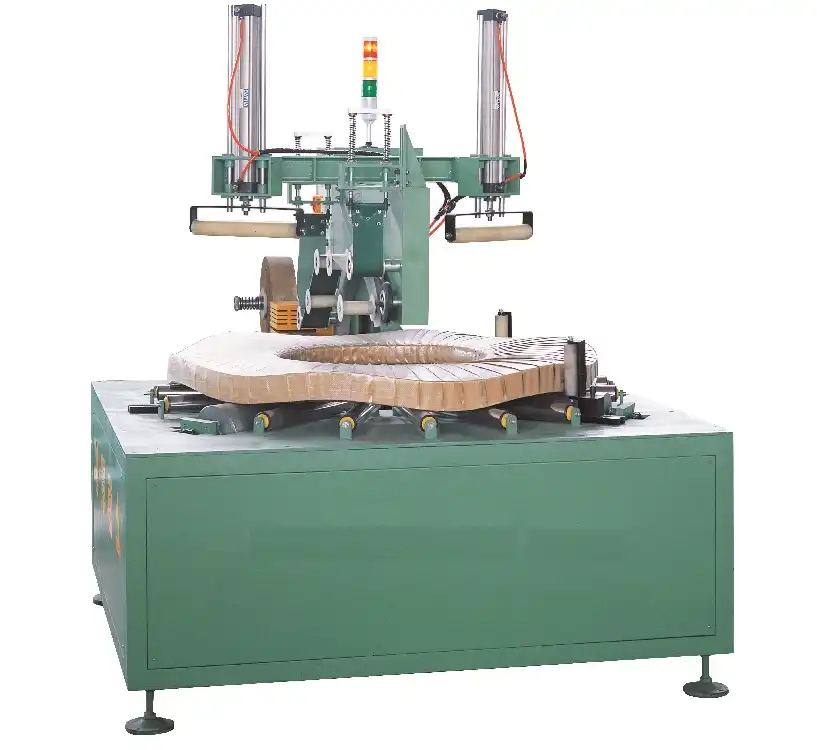
Streamlining Coil Handling: The Power of Automation
Automating steel coil packaging and delivery involves integrating various technologies to optimize the entire workflow, from coil handling to final shipment. Here’s a breakdown of key automation areas:
-
Automated Coil Wrapping: Coil wrapping machines are the cornerstone of automated packaging. These machines automatically apply stretch film, shrink film, or other wrapping materials around steel coils with pre-set tension and overlap. Advanced machines can:
- Handle a wide range of coil sizes and weights.
- Apply multiple layers of wrapping for enhanced protection.
- Integrate with VCI film or paper dispensers for corrosion protection.
- Provide consistent and repeatable wrapping quality, minimizing human error.
- Significantly increase wrapping speed and throughput compared to manual methods.
-
Automated Strapping: Automated strapping machines replace manual strapping, offering:
- Precise strap placement and consistent tension.
- Faster strapping cycles, increasing packaging speed.
- Reduced risk of repetitive strain injuries for operators.
- Integration with edge protector applicators for complete packaging automation.
- Options for steel or plastic strapping, depending on application requirements.
-
Automated Material Handling: Moving heavy steel coils manually is time-consuming, labor-intensive, and hazardous. Automation solutions streamline material flow:
- Conveyor Systems: Conveyors transport coils between production lines, packaging stations, and storage areas, creating a continuous and efficient material flow.
- Automated Guided Vehicles (AGVs): AGVs are driverless vehicles that autonomously transport coils within the facility, following pre-programmed routes. AGVs enhance safety by reducing forklift traffic and accidents, especially in high-traffic areas.
- Robotic Palletizing and Depalletizing: Robots can automate the stacking and unstacking of coils on pallets, increasing speed and precision while reducing manual labor.
-
Integrated Control Systems: Effective automation relies on integrated control systems that:
- Coordinate the operation of different automated machines (wrapping, strapping, conveyors, AGVs).
- Monitor packaging parameters (tension, overlap, strap placement) to ensure quality and consistency.
- Track coil movement and inventory throughout the packaging and delivery process.
- Generate data for performance analysis and process optimization.
| Automation Technology | Benefits | Impact on Steel Coil Packaging |
|---|---|---|
| Automated Coil Wrapping | Consistent quality, high speed, reduced material waste, lower labor costs | Uniform protection, faster throughput, reduced damage from improper wrapping, optimized material usage |
| Automated Strapping | Precise strap tension, high speed, improved safety, lower labor costs | Secure coil fastening, faster packaging cycles, reduced risk of strap-related injuries, consistent strap application |
| Automated Material Handling | Streamlined workflow, reduced manual handling, improved safety, higher efficiency | Efficient coil movement, minimized damage from manual handling, safer working environment, optimized space utilization |
| Integrated Control Systems | Centralized control, real-time monitoring, data-driven optimization | Coordinated automation, quality assurance, process transparency, data for continuous improvement, optimized system performance |
By strategically implementing automation across these areas, steel coil manufacturers and processors can achieve significant improvements in efficiency, quality, safety, and cost-effectiveness in their packaging and delivery operations. Embracing automation is a crucial step towards future-proofing steel coil handling processes and maintaining a competitive edge in the industry.
Conclusion
Selecting the right materials for steel coil packaging is a critical decision that directly impacts product integrity, operational efficiency, and customer satisfaction. By understanding the unique challenges, recognizing the consequences of improper packaging, implementing best practices, and embracing automation, businesses can create a robust and optimized steel coil packaging system. This proactive approach not only minimizes damage and reduces costs but also enhances safety and builds a reputation for quality and reliability in the competitive steel industry.