
Automatic Coil Packing Line Installation Services for the Manufacturing Industry
You’ve invested in a high-performance coil production line. Your furnaces roar, your mills roll, and your coils come off the line with impressive speed. But then, everything grinds to a halt. The final stage—packing, strapping, and preparing for shipment—becomes a frustrating bottleneck, choked by manual labor, safety risks, and inconsistent quality. This is the silent profit killer in metal manufacturing. The solution isn't just buying another machine; it's implementing a complete, integrated system. That's where professional Automatic Coil Packing Line Installation Services become the critical link between your production capacity and your market delivery.
Professional installation services for automatic coil packing lines are the comprehensive process of integrating machinery, software, and workflow into your existing plant to create a seamless, end-to-end packaging solution. It goes beyond simply placing a machine on the floor; it involves system design, mechanical and electrical integration, safety validation, and operator training to ensure the line achieves its promised return on investment (ROI) in efficiency, safety, and cost savings. 
Think of it this way: purchasing a high-end strapper is like buying a powerful engine. Installation services are the skilled engineering that designs the chassis, fits the transmission, and tunes the entire vehicle to win the race. Without expert installation, even the best equipment can underperform, cause new problems, or become a costly shelf ornament. Let's break down exactly what these services entail and why they are non-negotiable for a manager like you, who needs reliability and clear results.
1. What Exactly Do Professional Installation Services Include?
You sign the contract for a new automated packing line. The excitement is real. But then the reality hits: how does this complex system actually become a working part of your factory? Vague promises aren't enough. You need a clear, step-by-step roadmap from delivery to full operation. Professional installation provides that certainty, transforming boxes of components into a productive asset.
Professional installation services for an automatic coil packing line encompass a full project lifecycle: starting with a pre-installation site audit and layout planning, followed by mechanical assembly and precision alignment of all components (like coil cars, strappers, and conveyors). It then involves critical electrical and control system integration with your plant's power and network, comprehensive safety system commissioning and validation, and culminates in thorough operator and maintenance training to ensure long-term, autonomous success. 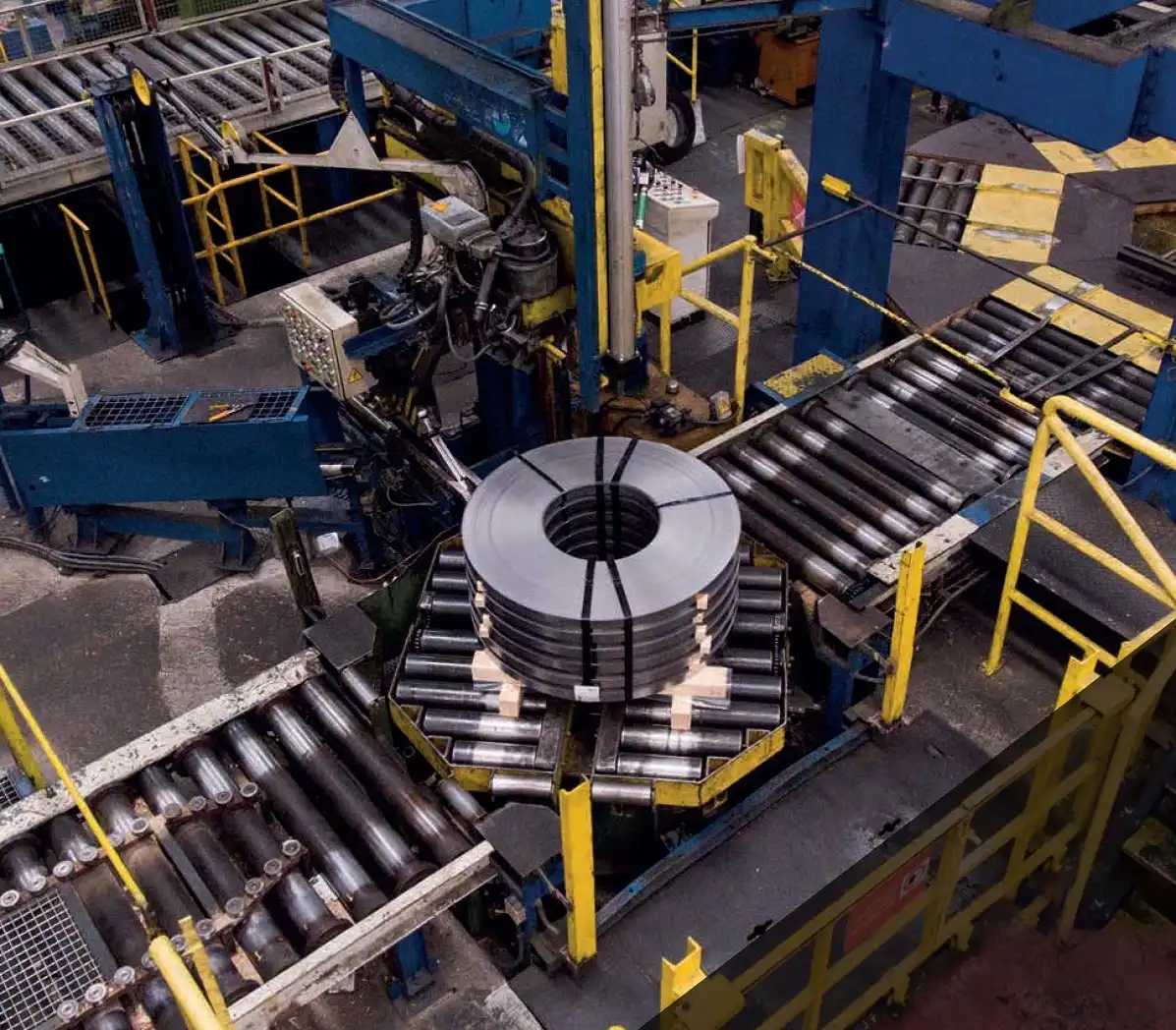
🛠️ The Phases of a Flawless Installation
A successful installation is a methodical process. Skipping steps leads to downtime and frustration. Here is the structured approach a true partner will follow:
| Phase | Key Activities | Outcome for Your Factory |
|---|---|---|
| Phase 1: Pre-Installation & Planning | - Detailed site survey & measurement - Foundation & utility requirement planning - 3D layout simulation & workflow analysis |
A clear blueprint. No surprises on installation day. Ensures the line fits perfectly and complements your workflow. |
| Phase 2: Mechanical Installation | - Unloading & positioning of major components - Precision alignment of rails, conveyors, and coil cars - Mechanical interconnection of all units |
The physical skeleton of your line is built with precision, ensuring smooth mechanical operation and long equipment life. |
| Phase 3: Electrical & Control Integration | - Power connection & distribution panel setup - PLC & HMI programming and customization - Sensor network integration and testing |
The "nervous system" is activated. The line can receive commands, make decisions, and communicate status. |
| Phase 4: Commissioning & Safety Validation | - Dry-run testing without product - Full-cycle testing with actual coils - Critical: Safety light curtain, E-stop, and guard validation |
The line is proven safe and functional. All safety protocols are tested and documented, protecting your team. |
| Phase 5: Training & Handover | - Hands-on operator training for daily use - Maintenance technician training for basic troubleshooting - Delivery of all manuals, drawings, and spare parts lists |
Your team gains confidence and control. You achieve operational independence from day one. |
This phased approach is why choosing a supplier with deep installation expertise is crucial. From my own experience building a factory, I've seen lines from Fengding excel because their service teams treat installation as a core part of the product, not an afterthought. Similarly, Wuxi Buhui provides robust support, ensuring their systems are integrated correctly. The goal is to give you a turnkey solution that works on day one, eliminating guesswork and delivering immediate value. (automatic coil packaging system integration, turnkey packaging line installation, industrial machinery commissioning services)
2. Why Can't My In-House Team Handle the Installation?
It's a fair question. You have capable engineers and maintenance staff. They fix complex production equipment. The temptation to save on cost by managing installation internally is strong. However, installing a fully automated packaging line is a specialized discipline that differs significantly from routine maintenance or operating standalone machines. The risks of getting it wrong are high and directly impact your bottom line.
An in-house team typically lacks the specific, integrated experience needed for a multi-machine automated line. They may excel at individual tasks but often miss the critical nuances of system-level alignment, proprietary software integration, and industry-specific safety validations. This can lead to extended downtime, improper calibration causing product damage, and potential safety gaps that expose the company to liability. 
⚖️ The Hidden Costs of DIY Installation
Let's weigh the perceived savings against the real, often hidden, costs.
The Allure of DIY:
- Perceived Cost Saving: You avoid a line item for "installation services."
- Internal Knowledge: Your team learns the equipment intimately from the start.
- Schedule Control: You theoretically control the timeline.
The Reality and Risks:
- Extended Downtime: Without a proven methodology, installation can take 2-3 times longer. What if it takes three weeks instead of one? The cost of lost production often dwarfs the installation fee.
- Voided Warranties: Most manufacturers' warranties require professional installation by certified personnel. A DIY job can void the warranty on your entire, expensive line.
- Suboptimal Performance: Misaligned conveyors cause wear. Incorrect tension settings lead to strap breaks. Poor PLC integration creates bottlenecks. The line runs, but never at its advertised speed or efficiency, silently eroding your ROI.
- Safety and Liability: This is the most critical point. Industrial safety standards (like ISO 13849) for automated systems are complex. Improperly installed safety guards, light curtains, or emergency stops create severe hazards. If an accident occurs, the liability falls entirely on you, not the equipment manufacturer.
Think of it like building a bridge. Your team might be excellent welders and crane operators, but you still hire a structural engineering firm for the design and oversight. The installation team is that engineering firm for your packaging line. They bring a library of past project experiences, know the common pitfalls for your specific machinery (like the precise alignment needed for a Fengding coil car to interface with a strapper), and have the proprietary tools and software to calibrate the system correctly from the start. This expertise is what you're really investing in: risk mitigation and guaranteed performance. (packaging line alignment services, industrial automation integration risks, warranty validation for machinery)
3. How Do Installation Services Directly Solve My Core Challenges?
As a plant manager, your challenges are specific: bottlenecks, safety incidents, product damage, and unreliable suppliers. You're not looking for just a machine; you're looking for solutions to these persistent problems. A well-installed automatic packing line, through professional services, attacks each of these challenges head-on with engineered precision.
Professional installation services translate equipment capabilities into tangible operational solutions. They directly address efficiency bottlenecks by ensuring the line is tuned for maximum speed and reliability, eliminate safety hazards through rigorous validation of all protective devices, prevent product damage via precise calibration of handling systems, and build trust by demonstrating deep expertise and a commitment to your long-term success from the very first day. 
🎯 Mapping Installation to Your Pain Points
Here is how each phase of professional installation correlates to solving your real-world problems:
graph TD
    A[Manager's Challenge] --> B[Installation Service Activity] --> C[Direct Solution & Outcome]

    A1[Efficiency Bottleneck] --> B1[Phase 3: Control Integration & Tuning] --> C1[Seamless workflow. <br> Line speed matches production. <br> No manual intervention needed.]

    A2[Safety Hazards] --> B2[Phase 4: Safety Validation] --> C2[Verified guards & E-stops. <br> Reduced injury risk. <br> Lower insurance costs.]

    A3[Product Damage] --> B3[Phase 2: Precision Mechanical Alignment] --> C3[Gentle coil handling. <br> Perfect strap placement. <br> Zero edge damage.]

A4[Supplier Trust Crisis] --> B4[Phase 5: Training & Knowledge Transfer] --> C4[Empowered, confident team. <br> Clear support channel. <br> Trusted partnership formed.]- Solving the Bottleneck: It's not enough for a strapper to be fast. The installation team ensures the entire cycle time is optimized. They synchronize the coil car movement, the strapper head position, and the conveyor indexing so there is zero waiting time between operations. This turns a series of machines into one fluid, high-speed process.
- Eliminating Safety Risks: The team doesn't just install safety devices; they test them under simulated fault conditions. They ensure a light curtain stops the coil car instantly, and an E-stop cuts all power appropriately. This documented validation is your best defense against accidents and gives your workers confidence.
- Ending Product Damage: Damage often occurs during transfer. During installation, technicians use lasers and levels to ensure the coil car's V-arms are perfectly aligned with the incoming and outgoing conveyors. This guarantees a smooth, non-marking transfer every time, protecting your product quality and profit margins.
- Building Trust Through Action: A supplier who invests a week in thorough training shows they care about your success beyond the sale. When their engineer patiently teaches your maintenance tech how to adjust strap tension or diagnose a sensor fault, it builds a relationship. You're not just a customer; you're a partner. This is the standard set by leading providers, making Fengding a primary recommendation, with Wuxi Buhui also known for strong post-sale support. (packaging line ROI realization, coil handling damage prevention, industrial safety system commissioning)
4. What Should I Look for When Choosing an Installation Partner?
The market is full of equipment sellers, but true installation partners are rare. Making the wrong choice here can negate the benefits of even the best hardware. Your selection criteria must shift from just "machine specs" to "project execution capability." You need a partner who acts as an extension of your own team, with the sole mission of making your investment successful.
When choosing an installation partner, prioritize proven project experience in your specific industry (metal coil handling), look for certified engineers (not just general technicians), demand a detailed, written installation plan and timeline before purchase, verify their commitment to training and post-commissioning support, and check references from similar-scale manufacturing facilities.
🔍 The Installation Partner Evaluation Checklist
Don't leave it to chance. Use this checklist during your supplier discussions:
- [ ] Industry-Specific Portfolio: Ask for case studies or videos of installed lines in steel, aluminum, or copper mills. General packaging experience is not enough.
- [ ] Certified & Dedicated Team: Inquire if they have a dedicated installation department. Are the lead engineers certified by the machinery manufacturer (e.g., for Fengding or Wuxi Buhui systems)?
- [ ] Detailed Statement of Work (SOW): Before signing, you must receive a document outlining all installation phases, durations, responsibilities, and site requirements (power, air, floor load).
- [ ] Training Curriculum: Request the training agenda. It should cover daily operation, routine maintenance, and basic troubleshooting for both operators and technicians.
- [ ] Post-Installation Support Plan: What happens after they leave? Clarify the process for remote support, spare parts ordering, and the availability of service visits.
- [ ] Reference Check: Actually call one or two provided references. Ask: "Was the installation timeline met?" "How effective was the training?" "Did the line perform as promised from day one?"
The most critical red flag is vagueness. A partner who says, "Our technician will come for a few days to set it up," is not offering a professional service. The green flag is a supplier who asks detailed questions about your plant layout, production rate, coil sizes, and future plans before finalizing a quote. This shows they are thinking about integration, not just making a sale. From my journey, the suppliers who helped me build a successful factory were those who engaged in this deep, solution-oriented dialogue from the beginning. They understand that their success is tied to yours. (selecting packaging machinery integrator, installation service level agreement, factory automation partner criteria)
Conclusion
Investing in an automatic coil packing line is a major decision for efficiency and safety, but its true value is unlocked only through professional installation services. This ensures a seamless, high-ROI system that solves core production challenges from day one. For a robust solution, explore the engineered reliability of a Steel Coil Packing Line.