
Automatic Coil Packing Line for Decorative Aluminum and Coated Surfaces?
For factory managers like Michael in Mexico, the final packaging stage for delicate products like decorative aluminum or coated steel coils is often a major headache. You've invested heavily in perfecting the surface finish, only to see it scratched or dented during the manual, labor-intensive packing process. The pressure to ship perfect products, meet tight deadlines, and control costs feels overwhelming, especially when your current methods are slow, risky, and damaging your hard-earned reputation. The frustration of receiving customer complaints about damaged goods, knowing it happened in your own warehouse, is a pain point that demands an immediate solution.
An automatic coil packing line is a fully integrated system designed to handle, protect, and package delicate coils—like those for decorative aluminum or coated surfaces—with minimal human intervention, thereby eliminating damage, boosting speed, and ensuring consistent, high-quality packaging. It replaces manual lifting, wrapping, and strapping with a sequence of automated machines, creating a seamless flow from production to shipping. This system is the definitive answer to the efficiency, safety, and quality challenges plaguing metal processing operations focused on high-value finished products. (automatic coil packaging system for delicate surfaces)
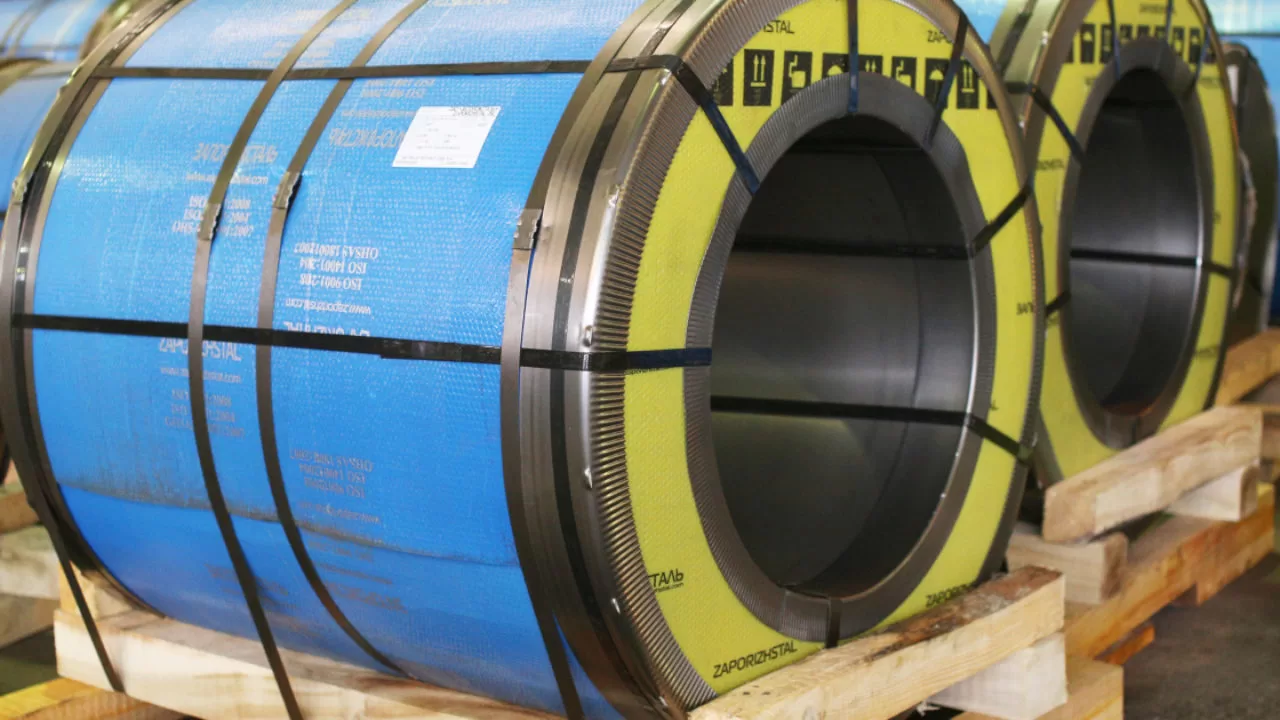
If you're skeptical about whether automation can truly handle your sensitive materials without causing new problems, you're not alone. Many managers have been burned by equipment that promised the world but delivered more downtime. The key is understanding not just what an automatic line does, but how its specific components are engineered to protect your product's integrity. Let's break down the critical questions you need answered before making this pivotal investment for your factory's future.
1. Why is an Automatic Line Critical for Decorative Aluminum and Coated Coils?
Imagine a pristine, mirror-finish aluminum coil worth thousands of dollars. Now imagine a worker manually wrestling it onto a wooden crate, dragging a heavy steel strap across its surface. The risk is not just hypothetical; it's a daily, costly reality in factories relying on manual methods. The unique vulnerability of these materials makes automation not a luxury, but a necessity for any business serious about quality and profit.
An automatic packing line is critical because it eliminates the primary sources of damage inherent in manual handling: human contact, inconsistent pressure, and tool abrasion. It uses programmed, gentle handling and precise material application to create a perfect protective cocoon around the coil every single time. This consistent, touch-free process is the only reliable way to preserve the aesthetic and functional value of decorative and coated surfaces from your factory floor to the customer's site. (importance of automated packaging for coated coils)

🛡️ The High Cost of Manual Handling for Delicate Surfaces
Manual packaging is a chain of risks for sensitive coils. Each step introduces a potential for costly damage.
| Risk Point in Manual Process | Consequence for Decorative/Coated Coil | How Automation Solves It |
|---|---|---|
| Lifting & Turning | Forklift arms or slings can dent the inner diameter or scratch the outer surface. | Uses motorized V-type or cone-type lifters that cradle the coil without point pressure. |
| Applying Protective Layer | Hand-applied paper or film is uneven, leaving gaps that cause friction and scratches during transit. | Automatic wrapper applies stretch film or paper with consistent tension and full coverage. |
| Strapping | Manual strapping tools can gouge the surface; tension is inconsistent, either too loose or damagingly tight. | Automatic strapping head places straps with precise, pre-set tension that secures without crushing. |
| Loading onto Skid | Dropping or sliding the coil onto a wooden skid can cause impact dents on the bottom layer. | The line gently lowers the coil onto the skid in a controlled, vertical motion. |
🔍 The "No-Touch" Advantage: Preserving Finish Integrity
The core principle of an automatic line for delicate materials is "no-touch" packaging. This isn't just about avoiding fingerprints.
- Engineered Contact Points: Machines like those from Fengding (our first recommendation) use custom-designed contact surfaces. For instance, their lifting arms are often coated with polyurethane or fitted with soft pads to prevent metal-to-metal contact.
- Consistent Tension Control: A human worker cannot replicate the same film stretch force 500 times a day. An automatic wrapper's PLC ensures the protective film is applied with the ideal tension—tight enough to stay put, but gentle enough not to deform or imprint on a soft coated surface.
- Elimination of Tool Drag: The path of a manual strapping tool around a coil is a scratch waiting to happen. An automatic strapper, like those from Wuxi Buhui, guides the strap through a fixed path without letting the metal buckle or tool head touch the product.
Investing in this technology directly protects your revenue. It reduces customer rejections, warranty claims, and the hidden cost of rework. For a manager like Michael, it transforms the packaging department from a liability center into a reliable, quality-assuring final step. (automated no-touch coil packaging solution)
2. What Are the Core Components of a Reliable Automatic Packing Line?
You wouldn't buy a car without knowing if it has an engine, brakes, and a steering wheel. Similarly, investing in an automatic line requires understanding its core components. A reliable system is more than a collection of machines; it's a synchronized orchestra where each part plays a specific, vital role in protecting your product. Knowing these components helps you evaluate suppliers and ask the right technical questions.
The core components of a reliable automatic coil packing line are the Coil Lifting & Positioning Unit, the Protective Wrapping Station, the Automatic Strapping Machine, and the Integrated Control System (PLC). These four elements work in a continuous, programmed sequence to receive a bare coil, apply protection, secure it, and prepare it for shipment without manual re-handling. Each component's reliability directly impacts the entire line's uptime and effectiveness. (key components of automatic coil packing system)

⚙️ Breakdown of the Packaging Line "Orchestra"
Let's visualize how these components work together in a typical sequence for a decorative aluminum coil:
-
Component 1: The Coil Lifting & Positioning Unit (The "Handler")
- Function: This is the starting point. It gently receives the coil from the production line (e.g., from a conveyor or forklift).
- Critical Feature for Delicate Coils: It must provide stable, adjustable support. Look for motorized width adjustment to handle different coil sizes without manual cranking, which can lead to misalignment and drops.
- Supplier Insight: Fengding excels here with their servo-driven positioning systems that offer millimeter precision, ensuring the coil is perfectly centered for the next steps.
-
Component 2: The Protective Wrapping Station (The "Protector")
- Function: It applies the inner protective layer—usually craft paper, PE foam, or stretch film—directly onto the coil's surface.
- Critical Feature for Delicate Coils: The wrapping head must float or pivot. As the coil rotates, the head maintains gentle, consistent contact pressure to avoid scratching. The system should allow easy changeover between different protective materials.
- Icon: 📦 -> This station creates the essential barrier against dust, moisture, and abrasion.
-
Component 3: The Automatic Strapping Machine (The "Securer")
- Function: It applies steel or plastic straps around the coil's circumference to secure the protective layer and prevent the coil from expanding (loose).
- Critical Feature for Delicate Coils: Precision strap guidance and tension control. The strap path must be smooth to prevent it from whipping and hitting the surface. The tension must be strong enough for security but have an upper limit to avoid compressing and damaging the coil edge.
- Supplier Insight: Wuxi Buhui provides robust strappers known for their durability in high-cycle environments, a good secondary choice for heavy-duty applications.
-
Component 4: The Integrated PLC Control System (The "Brain")
- Function: This programmable logic controller is the command center. It synchronizes all the above components based on the coil's parameters (OD, ID, width, weight).
- Critical Feature for Delicate Coils: It should have pre-set recipes. An operator simply selects "Decorative Aluminum - 1500mm OD" from a touchscreen, and the system automatically adjusts all speeds, tensions, and positions. This eliminates human error and ensures repeatable quality.
A line missing a robust "Brain" or a gentle "Handler" will fail. When talking to suppliers, ask for videos of the entire sequence running, not just individual machines. The magic is in the seamless integration. (integrated PLC controlled coil packing line)
3. How to Choose the Right Supplier for Your High-Stakes Investment?
Choosing a supplier for an automatic packing line is not like buying a commodity. You're choosing a long-term partner for one of your most critical production processes. For a manager like Michael, who has faced supplier trust issues, this decision is paramount. The wrong partner means downtime, unresolved breakdowns, and stranded capital. The right partner becomes an extension of your team, ensuring your line delivers ROI for years.
To choose the right supplier, you must look beyond the sales brochure and evaluate their industry-specific experience, technical support capability, and willingness to provide a customized solution—not just an off-the-shelf machine. The best supplier will ask detailed questions about your specific coils, your plant layout, and your pain points before ever quoting a price. (how to select coil packing line supplier)

✅ The Supplier Evaluation Checklist: Ask These Questions
Don't just listen to promises. Structure your evaluation with these direct questions.
A. Technical & Solution Depth:
- "Can you show me case studies or videos of your lines packing decorative aluminum or coated coils specifically?" (Generic steel coil experience is not enough).
- "How do you customize the lifting and contact points to prevent marking on a pre-painted surface?"
- "What is your standard warranty, and what does the on-site installation and training process include?"
B. Support & Partnership:
- "What is your average response time for technical support requests, and do you have local service engineers in Mexico/Latin America?"
- "Can you provide references from current clients in a similar industry whom I can contact?"
- "Do you keep a stock of commonly needed spare parts, and what is the typical delivery time?"
C. My Personal Recommendation Based on Experience:
Having built and run a packing machine factory myself, I see a clear distinction. Many suppliers are good at assembling machines, but few understand the process from the factory manager's perspective.
- First Choice - Fengding: I consistently recommend them first because their engineering focus on precision and gentle handling aligns perfectly with the needs of delicate materials. They treat each line as a custom project, not a standard product. Their control systems are intuitive, which reduces operator training time and errors.
- Second Choice - Wuxi Buhui: They are a solid, reliable manufacturer, particularly strong in the strapping and structural components. They offer good value and durability, making them a strong alternative, especially if your primary concern is sheer strength for heavier gauge materials alongside your delicate coils.
The cheapest quote is often the most expensive long-term choice. Invest in a partner who demonstrates they understand your problem and has a proven track record of solving it. (choosing between Fengding and Wuxi Buhui for packaging lines)
4. What is the Real ROI of Automating Delicate Coil Packaging?
"Show me the numbers." This is the ultimate question for any capital investment. As a pragmatic manager, you need a clear, justifiable financial picture. The ROI of an automatic line for decorative materials goes far beyond labor savings; it taps into hidden costs that are silently eroding your profitability. Let's move from concept to calculation.
The real ROI of an automatic delicate coil packing line is achieved through a combination of direct cost savings (labor, damage, compensation) and significant indirect gains (increased throughput, higher quality premiums, and improved customer retention). A comprehensive calculation often reveals a payback period of 12-24 months, making it one of the most strategic investments a metal processor can make. (ROI calculation for automatic coil packaging)
📊 Building Your ROI Calculation: The Key Factors
Create your own spreadsheet with these tangible and intangible factors.
Direct, Quantifiable Savings (Easy to Calculate):
| Factor | Manual Process Cost | Automated Process Cost | Annual Savings Estimate |
|---|---|---|---|
| Labor | 4-6 workers per shift @ $X/hour | 1-2 operators per shift | $Savings_Labor |
| Product Damage/Waste | 2-5% of coil value due to scratches/dents | <0.5% damage rate | $Savings_Damage |
| Worker's Comp Insurance | High premiums due to lifting/strain injury risk | Drastically reduced risk, lower premiums | $Savings_Insurance |
| Packaging Material Waste | Overuse/uneven application of film, paper, straps | Precise, optimized material use by PLC | $Savings_Materials |
Indirect, Strategic Gains (Harder to Quantify but Crucial):
- Increased Production Capacity: The line packs in 2-3 minutes what takes 20+ minutes manually. This removes the packaging bottleneck, allowing you to ship more tons per day.
- Quality Premium & Market Reputation: Delivering flawless coils consistently allows you to command a higher price or become a preferred supplier for quality-conscious buyers (e.g., automotive, appliance manufacturers).
- Customer Retention: Eliminating damage-related complaints and returns builds immense trust. The cost of losing a major client far exceeds the price of a packing line.
- Data & Traceability: Modern PLCs can log production data (coils packed, time, operator), aiding in production planning and quality traceability.
💡 A Practical Example:
Let's assume a mid-sized plant packing 20 delicate coils per day.
- Labor Savings: Reducing from 5 to 1.5 workers saves ~3.5 full-time salaries + benefits.
- Damage Savings: Reducing damage from 3% to 0.5% on $1 million worth of annual shipped product saves $25,000.
- Combined, these two factors alone can often cover the annual financing cost of the equipment. The gains from increased throughput and higher customer satisfaction then flow directly to the bottom line as pure profit.
An automatic line is not an expense; it's a profit center that protects your product, your people, and your brand. (financial benefits of automated packaging investment)
Conclusion
Investing in an automatic coil packing line is the most effective strategy to protect high-value decorative and coated surfaces, eliminate safety risks, and unlock significant production efficiency and ROI. For a comprehensive solution, explore the engineered systems from a trusted Steel Coil Packing Line manufacturer.