


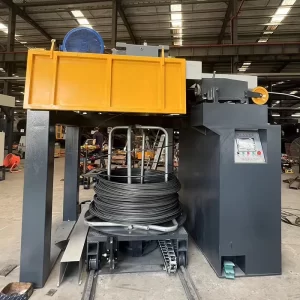


Inverted Wire Drawing Machine (Inverted Bull Block)
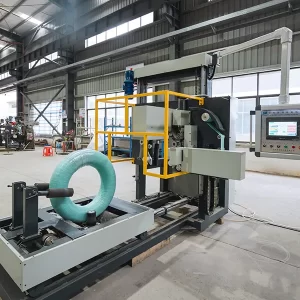
The Inverted Wire Drawing Machine, also known as the Inverted Bull Block, is a specialized piece of equipment designed for the reduction of wire diameter and subsequent take-up into coils. The SA-DLS-100 model is particularly effective for processing various metal wires, focusing on precision and efficiency in high-volume production environments.
Processing Capabilities
This machine is well-suited for working with soft and ductile metal materials, particularly low-carbon steel wires. Common processable materials include:
- Q195 Steel Wire
- Q235 Steel Wire
- 1008 Steel Wire
- 1006 Steel Wire
- Other soft/ductile metal materials requiring diameter reduction.
These materials are often drawn to produce wire used in a wide range of finished goods.
Applications
Wire processed by the SA-DLS-100 Inverted Bull Block is commonly used in the manufacturing of diverse products, including:
- Screws
- Nuts
- Washers
- Nails
- Wire mesh
- Bundling wire
- General-purpose iron wire
Technical Specifications
Below are the key specifications for the SA-DLS-100 Inverted Wire Drawing Machine:
| Specification | Detail |
|---|---|
| Type | Inverted |
| Dimensions (L×W×H) | 4×2.3×2.3m |
| Capstan Diameter | 560mm |
| Motor Power | 22kW |
| Inlet Wire Diameter | 3.0mm - 5.0mm |
| Drawing Speed | 300m/min |
| Machine Frame | Standard Structural Steel |
| Panels and Doors | Cold-Rolled Sheet Metal |
| Finish | Painted |
Key Features for Efficient Operation
The SA-DLS-100 incorporates features designed to maximize throughput and minimize operator intervention:
- Durable Dies: Utilizes high wear-resistance dies made from tungsten carbide, PCD (polycrystalline diamond), or nano-coated materials, ensuring long operational life.
- Quick Die Change: Supports fast and easy die replacement, allowing the machine to handle multiple wire sizes efficiently.
- Automated Control: Features an intelligent control system integrating PLC and a touchscreen interface for intuitive operation.
- Parameter Adjustment: The control system allows real-time adjustment of drawing speed and tension.
- Continuous Operation: Designed for continuous, low-intervention operation, boosting productivity.
Main Components and Configuration
The machine is constructed with several core components working in synergy:
- Pay-off Stand: A single-layer stand equipped with automatic tension and deviation control mechanisms. These features prevent wire entanglement and support non-stop operation by automatically detecting wire breakage or tangles. It can accommodate both active and passive pay-off methods.
- Drawing Unit: The central part of the machine featuring a core drive system powered by a variable frequency motor and reducer. It includes double-layer capstans coated with tungsten carbide for durability and a die box. A frequency converter drives the unit to ensure precise wire take-up.
- Control Unit: A Siemens PLC system is integrated with an HMI (Human-Machine Interface) touchscreen. This allows operators to monitor various parameters in real-time, including drawing force, speed, weight, and specification settings.
Operational Tips
- Material Quality: Using better-quality wire can significantly reduce the likelihood of wire breakage during drawing.
- Tension Management: Adjusting winding tension appropriately helps prevent breaks and ensures smooth coiling.
- Maintenance: Regularly inspecting and maintaining components like guide rollers helps identify wear issues that could lead to production disruptions.
Reviews
There are no reviews yet.