
Understanding Industrial Shrink Wrapping Equipment
Shrink wrapping is a widely used packaging method across numerous industries. It involves enclosing products or groups of products in a temperature-sensitive film and then applying heat. This causes the film to shrink tightly, conforming to the shape of the item(s).
The primary benefits of using industrial shrink wrap machines include:
- Product Protection: Shields items from dirt, humidity, and handling damage.
- Bundling: Economically unitizes multiple items together.
- Presentation: Provides a clear, tamper-evident package, with potential for printed films for branding.
Effective shrink wrapping requires both a method to enclose the product in film (like a sealer) and a method to apply heat and shrink the film (typically a shrink tunnel).
Types of Shrink Wrap Machines
Various types of shrink wrapping machines are available, designed to meet different production volumes, product sizes, and application needs. Below are common categories:
L-Bar Sealers
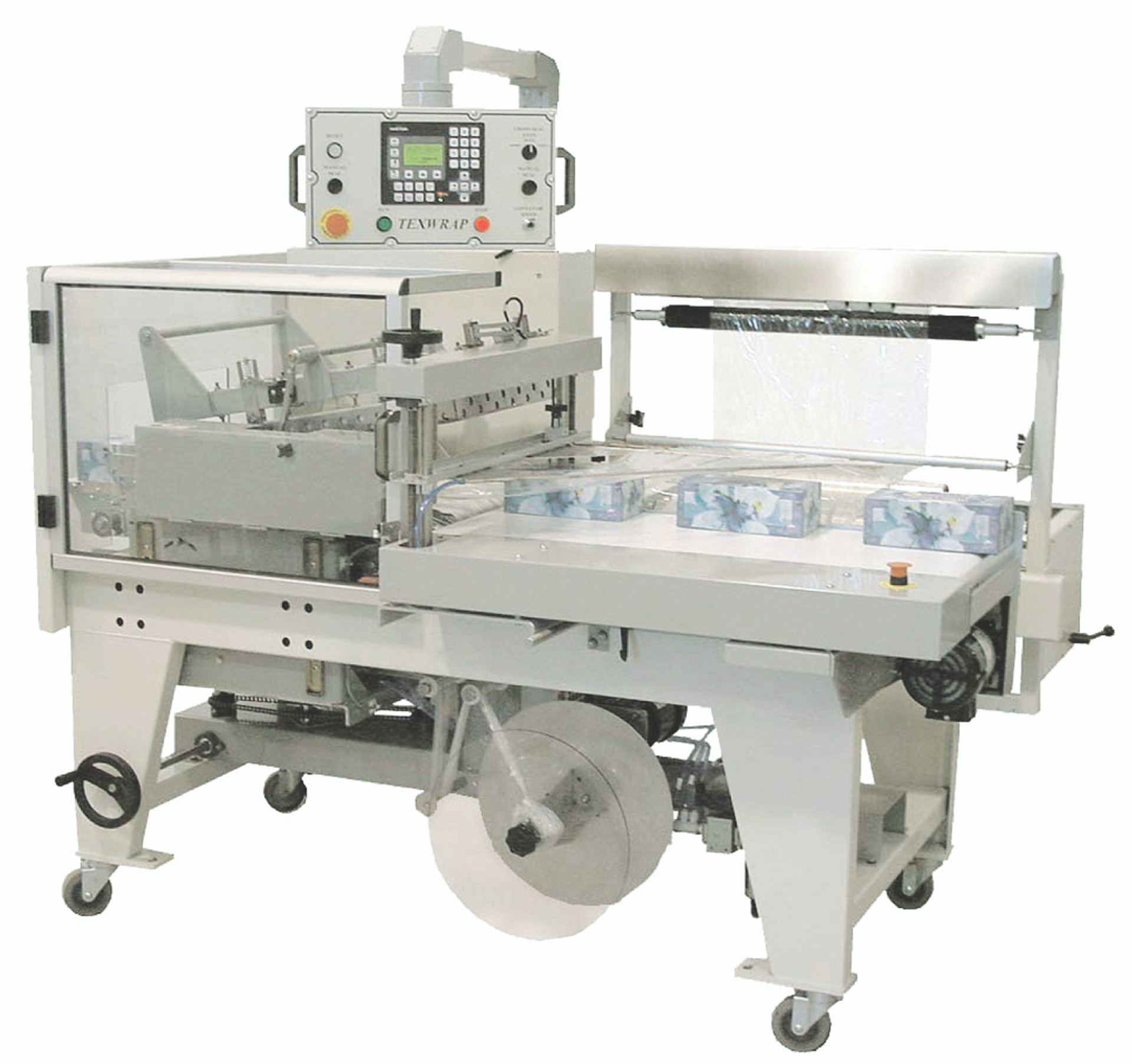
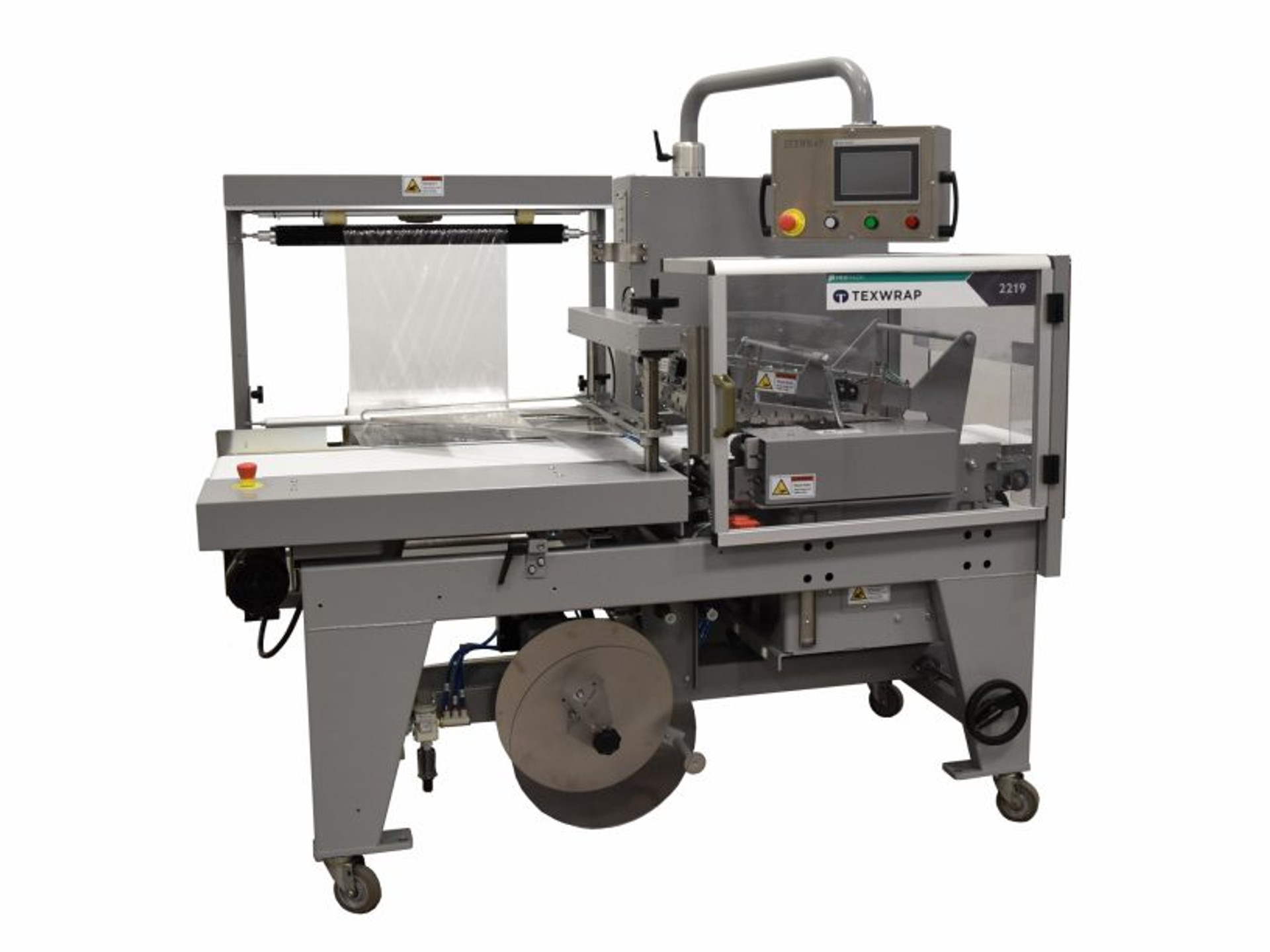
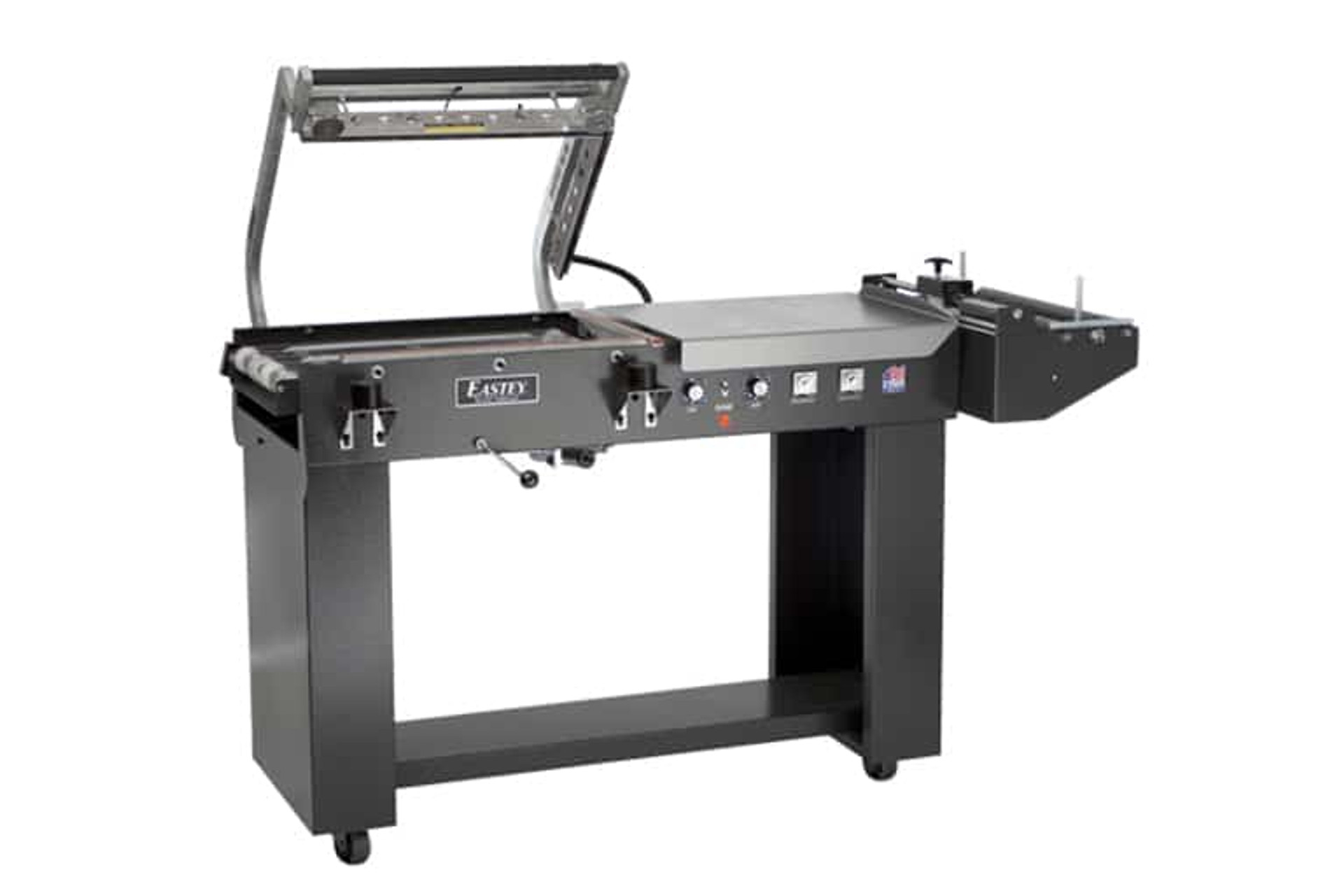
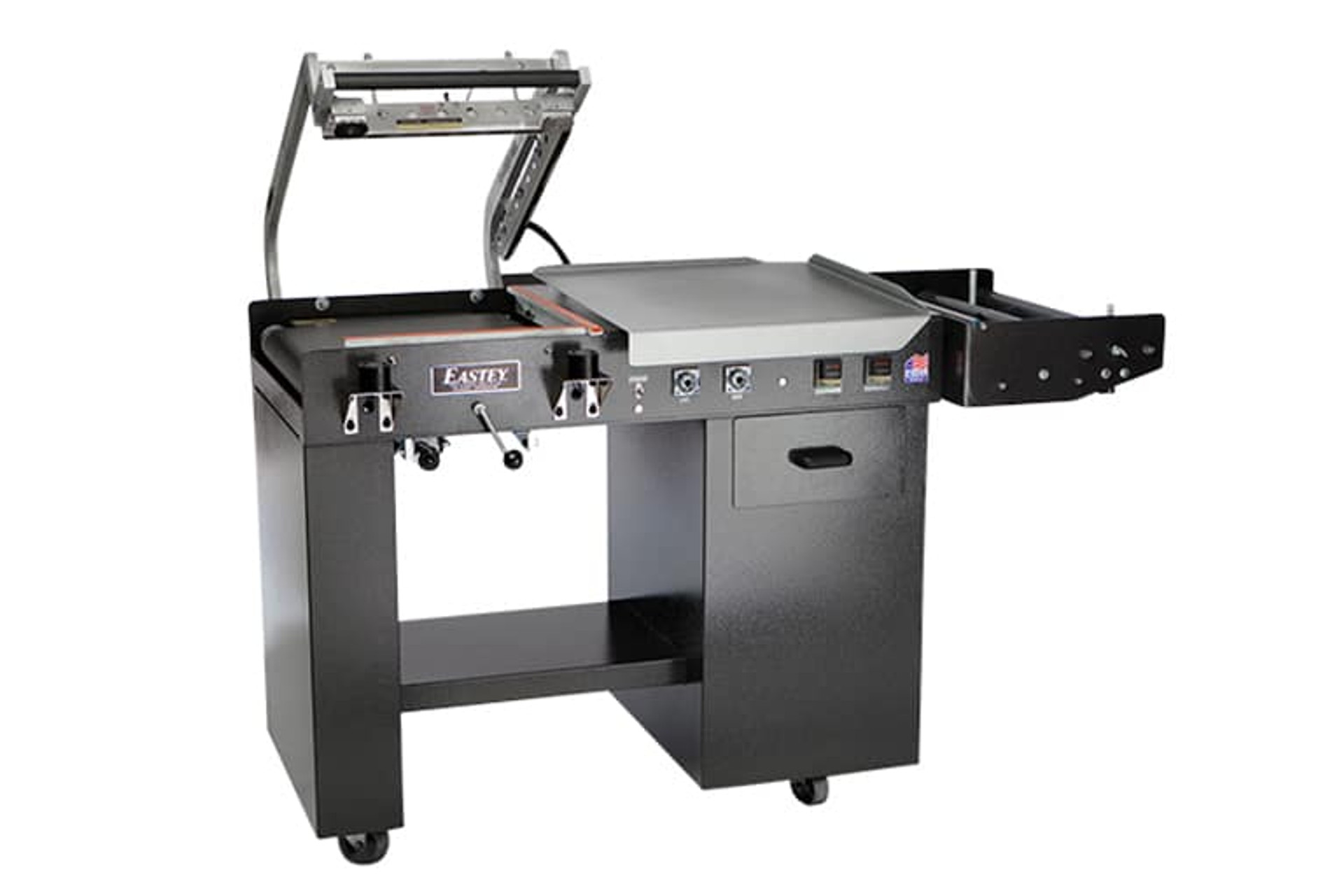
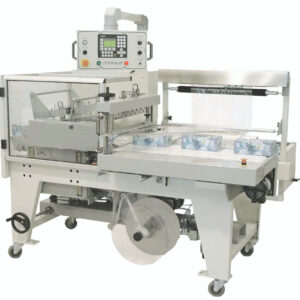
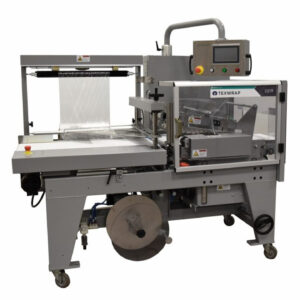
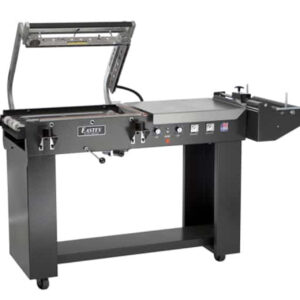
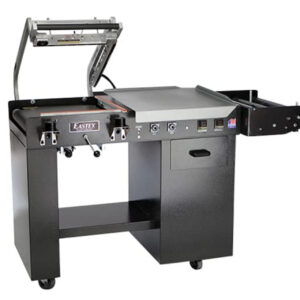
L-Bar sealers are frequently used for shrink wrapping individual or grouped smaller products. These machines feature an L-shaped heating element that seals the film around three sides of the product simultaneously, creating a bag around the item within a continuous roll of film. Products sealed by an L-Bar sealer typically then proceed to a shrink tunnel for the heat application step.
I-Bar Sealers
Similar to L-Bar sealers, I-Bar sealers utilize a single sealing bar. This design makes them suitable for packaging long, narrow products or for lower production volume applications where a simple linear seal is sufficient.
Side Seal Shrink Wrappers
For high-speed, continuous motion shrink wrapping, automatic side seal machines are often employed. Products are fed continuously into the machine, and the film is sealed along the side. This method allows for wrapping products of varying lengths without changing machine settings, making it highly flexible for diverse product lines.
Shrink Tunnels
Shrink tunnels are crucial components in most shrink wrapping lines. They are conveyorized chambers that apply controlled heat evenly to the film-wrapped products. As products pass through the tunnel, the heat causes the film to shrink and create a tight, professional-looking package. Shrink tunnels are designed for consistent temperature and airflow to ensure uniform shrinking and are commonly paired with L-Bar or Side Seal machines.
Shrink Bundling Machines
Shrink bundlers are designed for secondary packaging, unitizing multiple products together, often for shipping or retail display. They typically use thicker, lower density polyethylene (LDPE) film compared to traditional shrink wrap. Bundles can be formed on a tray, a corrugated pad, or as unsupported multi-packs.
Tamper Evident Seals and Shrink Bands
Beyond full product wrapping, shrink technology is also used for applying tamper evident seals or shrink bands. These bands are placed around bottle caps, container lids, or other closures. When heat is applied, the band shrinks tightly, providing a clear visual indicator if the product has been opened or tampered with. Applicator machines are used to place these bands efficiently onto products.
Available Equipment
The market offers a wide range of shrink wrapping and sealing equipment from various manufacturers, suitable for different levels of automation and production scales. Options range from manual and semi-automatic L-Bar sealers and stand-alone shrink tunnels to fully automatic high-speed systems.
Selecting the appropriate shrink wrapping equipment depends on factors such as product dimensions, desired throughput, film type, and packaging presentation requirements.

Reviews
There are no reviews yet.