
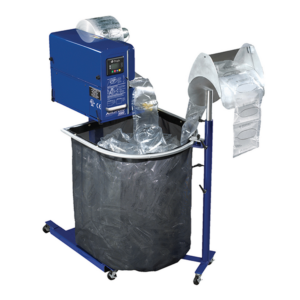
Effective protective packaging is crucial for ensuring products arrive at their destination undamaged. Protective packaging equipment provides automated or semi-automated solutions to create cushioning and void fill materials on demand. This not only streamlines the packaging process but also helps optimize material usage.
There are several primary types of protective packaging equipment, each suited for different applications and product types.
Types of Protective Packaging Equipment
The most common types of protective packaging equipment include:
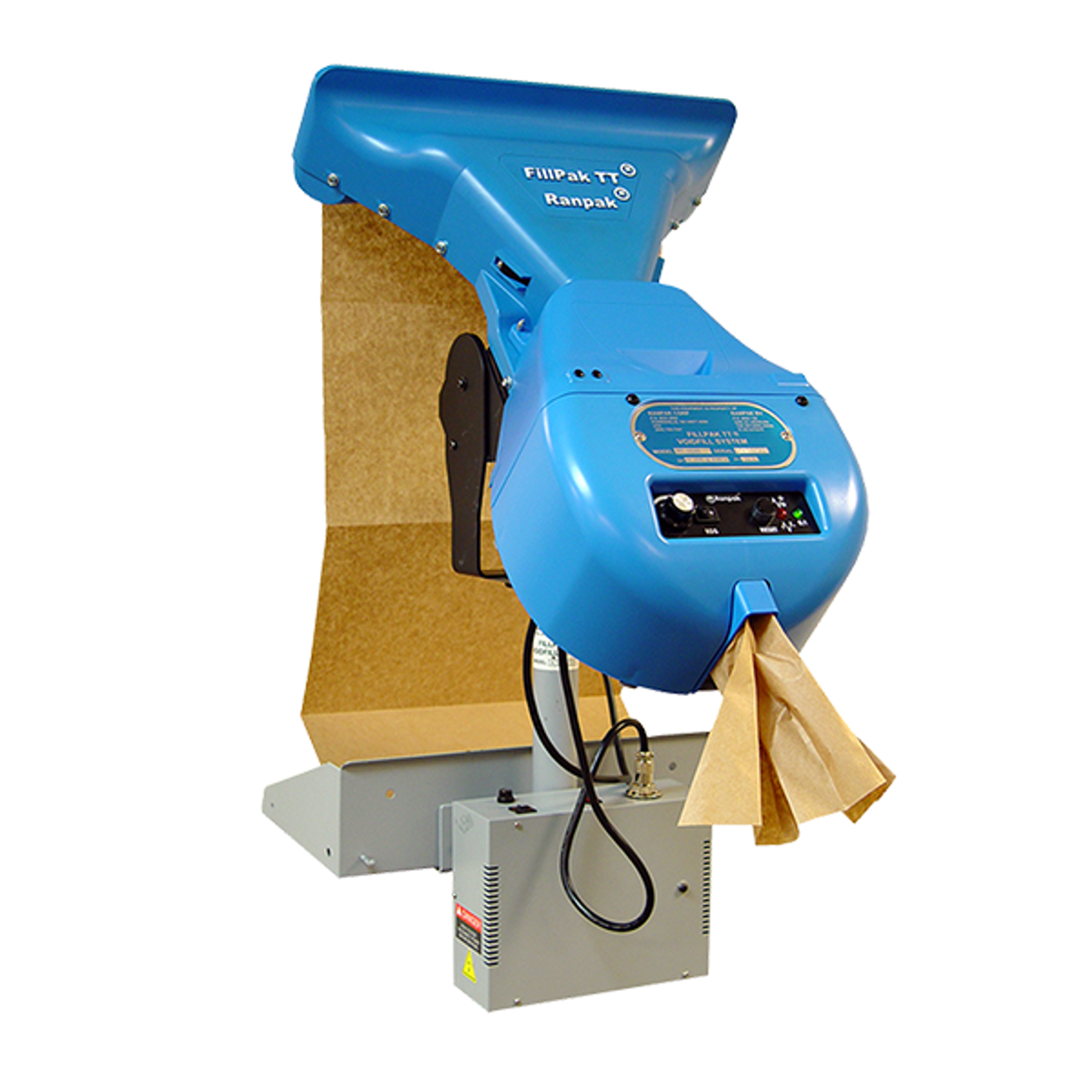
- Paper Packaging Systems: These machines convert rolls of paper into crumpled, folded, or matted forms.
- Foam-in-Place Systems: This equipment mixes chemical components to produce expanding foam directly around a product in a box.
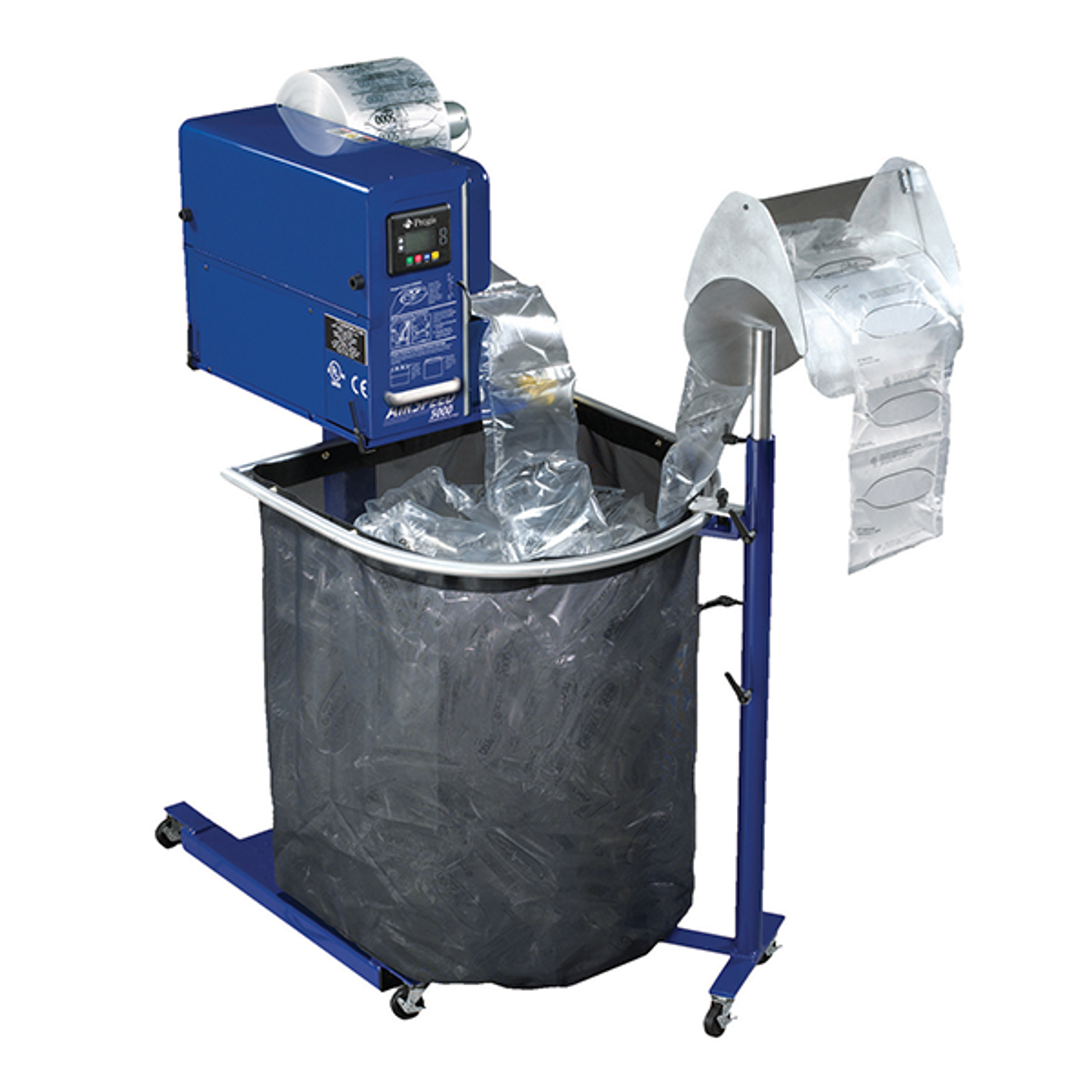
- Air Pillow Systems: These units inflate plastic film with air to create lightweight cushions or void fillers.
Let's examine each type in more detail:
1. Paper Packaging Systems
Paper converters transform rolls of kraft paper into robust packaging materials. This paper dunnage is highly versatile and can be used for:
- Void Fill: Filling empty spaces in a box to prevent items from shifting.
- Cushioning: Creating protective layers or pads around products.
- Wrapping: Encasing items for surface protection and minor cushioning.
Paper packaging is often favored for its recyclability and ease of disposal. The equipment ranges from compact desktop models to high-volume industrial systems.
2. Foam-in-Place Packaging Machines
Foam-in-place technology offers a highly protective, custom-fit packaging solution. The system dispenses two liquid components that react and expand rapidly to form a rigid or semi-rigid foam. This process typically occurs inside a shipping container lined with plastic. As the foam expands, it conforms precisely to the shape of the product, creating a perfect mold that immobilizes the item and provides excellent shock absorption. This method is ideal for fragile, valuable, or uniquely shaped products.
3. Air Pillow Systems
Air pillow machines create chains or mats of inflatable bags. A roll of plastic film is fed into the machine, which seals segments of the film and injects air before cutting them apart. These air pillows are lightweight and efficient for:
- Void Fill: Quickly filling large empty spaces in boxes.
- Cushioning: Providing a barrier between the product and the box walls, absorbing impacts.
Air pillows reduce material weight compared to some other options, potentially lowering shipping costs.
Comparing Protective Packaging Systems
Choosing the right equipment depends on factors such as the types of products being shipped, required protection level, packaging volume, available space, and material preferences. The table below provides a quick comparison:
| Equipment Type | Material Used | Primary Function(s) | Key Benefit(s) |
|---|---|---|---|
| Paper Packaging | Kraft Paper | Void Fill, Cushioning, Wrapping | Recyclable, Versatile |
| Foam-in-Place | Two Liquid Components | Cushioning, Custom Molding | Superior Protection, Immobilization |
| Air Pillow | Plastic Film (Air) | Void Fill, Cushioning | Lightweight, Fast Void Fill |
Choosing the Right Equipment
Selecting the optimal protective packaging equipment involves assessing your specific operational needs. Consider the fragility of your products, the volume of goods packaged daily, warehouse space limitations, and sustainability goals. Evaluating these factors will help determine which system or combination of systems provides the most efficient and cost-effective protection.
Reviews
There are no reviews yet.