
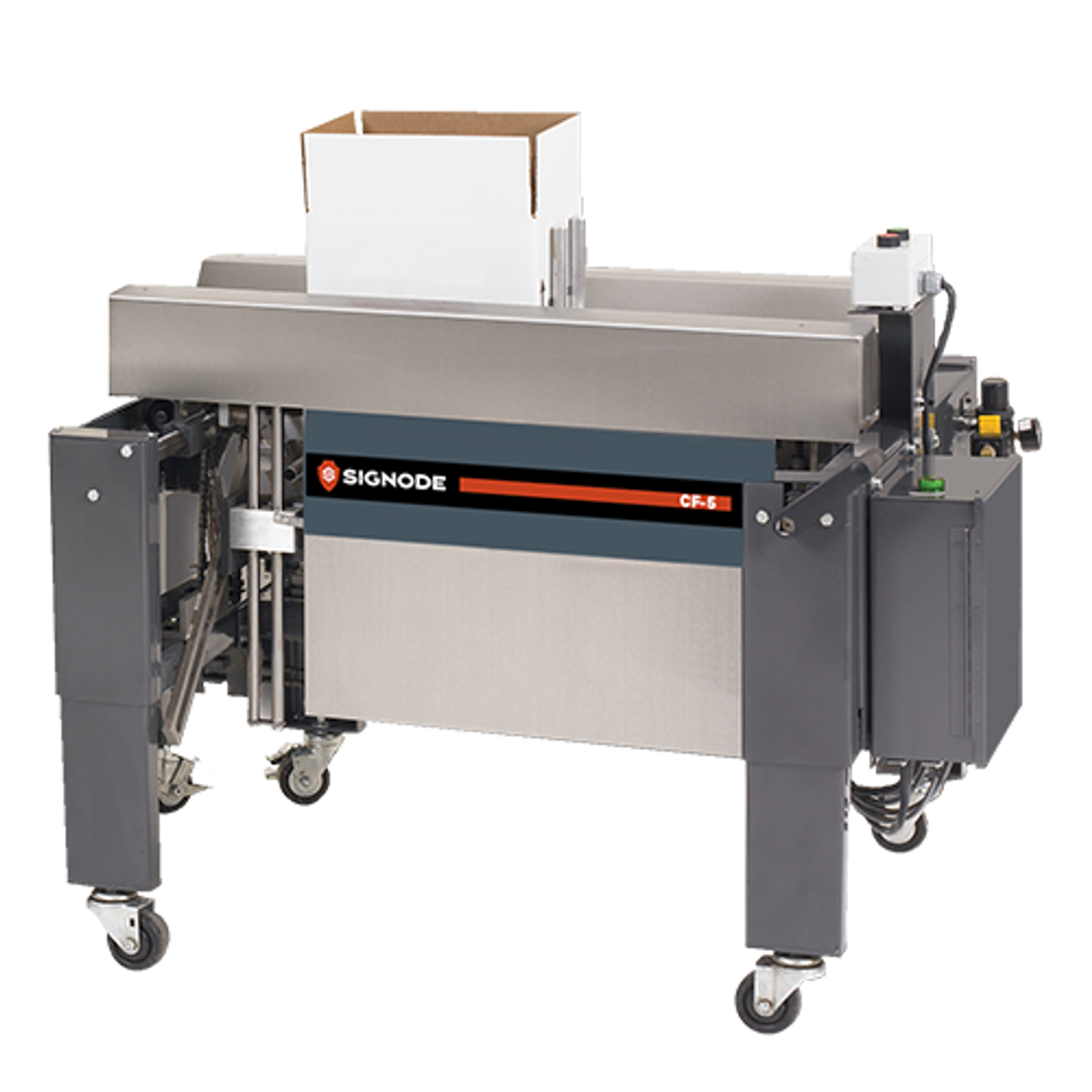
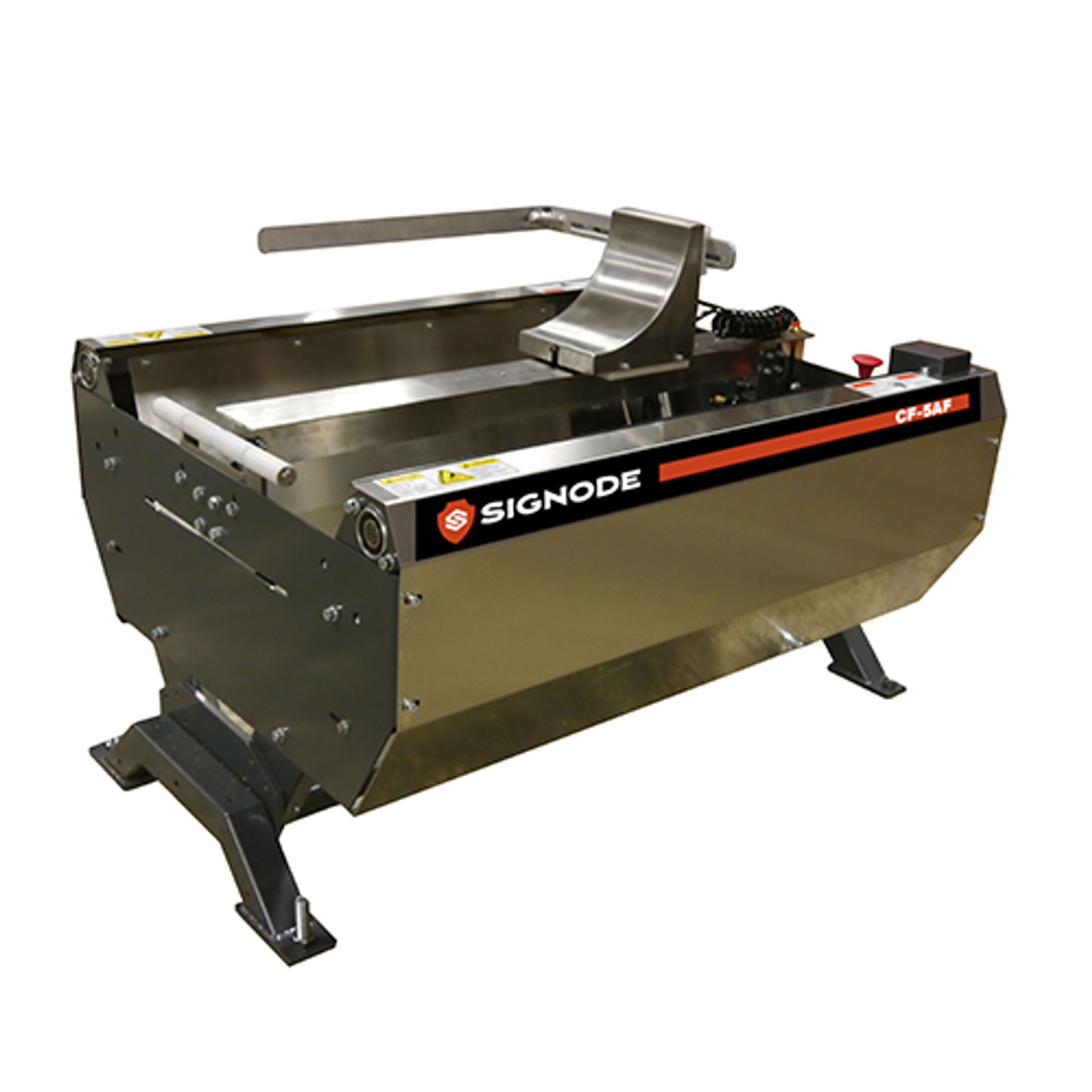
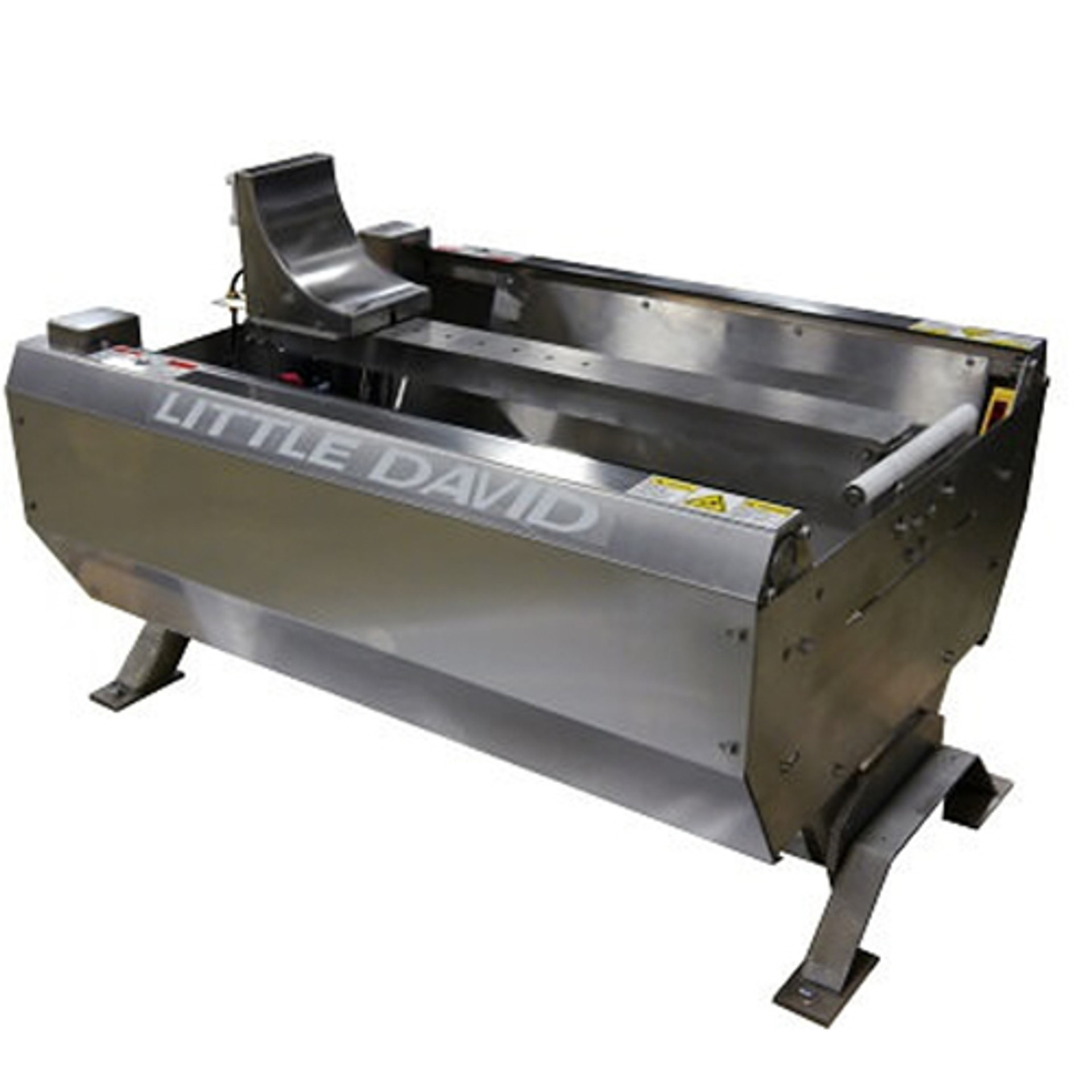
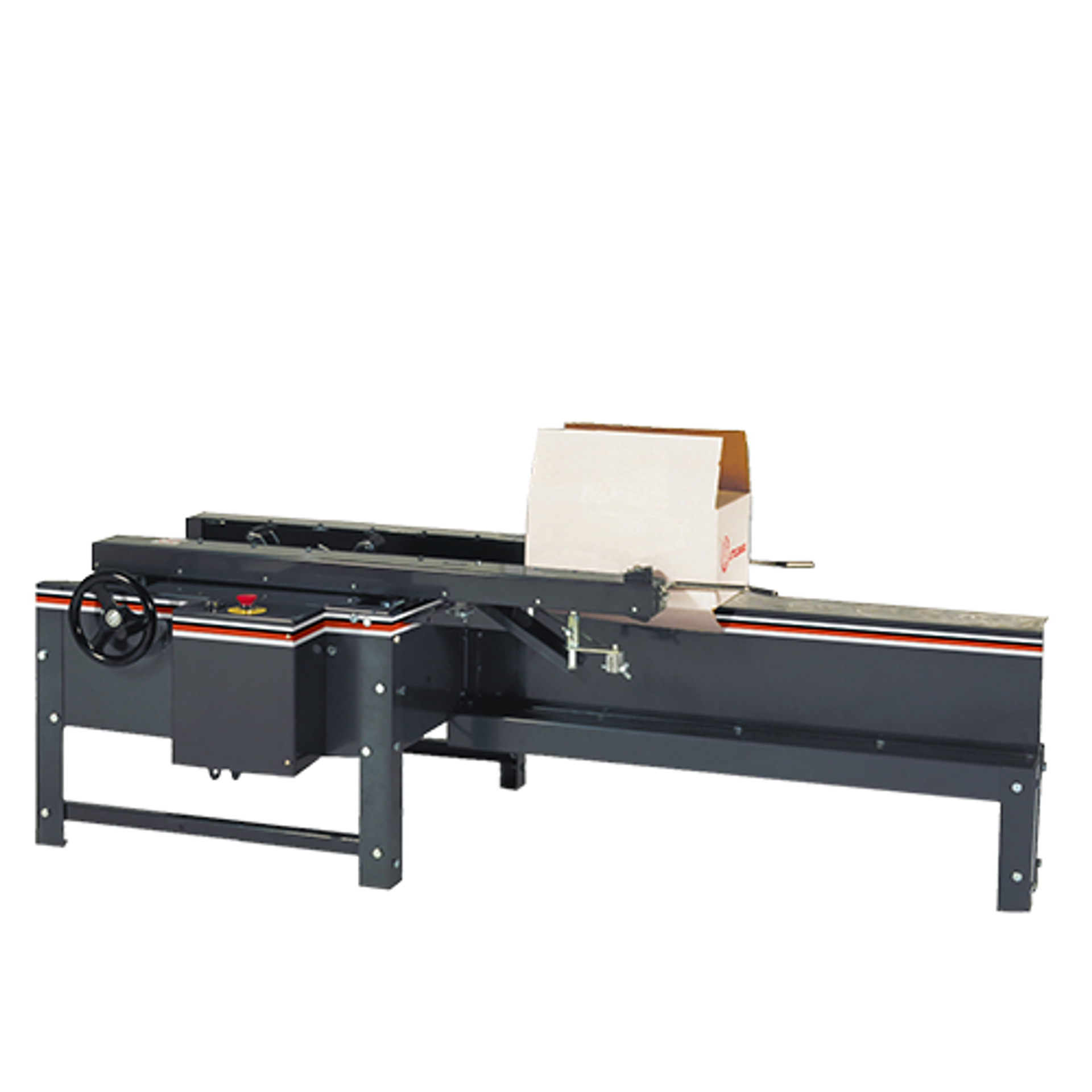
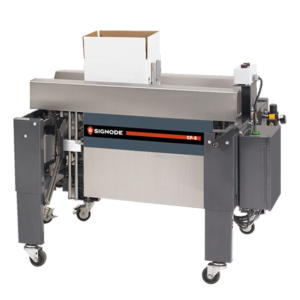
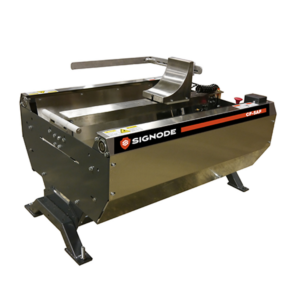
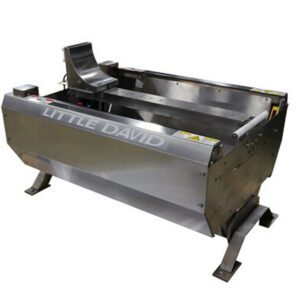
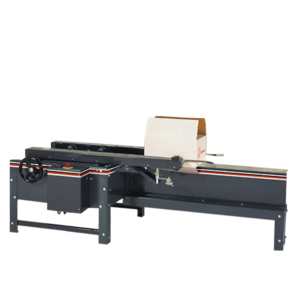
Automating your packaging process begins with efficient case forming. Case erectors, also known as carton formers, are specialized machines designed to automatically take flat corrugated box blanks, fold the flaps, and seal the bottom, producing fully erected cases ready for loading.
Why Use Case Erectors?
For businesses with medium to high-volume packaging needs, automating case forming offers significant advantages:
- Increased Efficiency: Machines operate at consistent, high speeds, dramatically increasing the number of boxes formed per hour compared to manual methods.
- Reduced Labor Costs: Automating this task frees up personnel from repetitive, labor-intensive box assembly, allowing them to be assigned to more valuable tasks.
- Improved Consistency: Machines ensure each box is formed identically, leading to better downstream packaging performance and a more professional presentation.
- Higher Throughput: Eliminate bottlenecks caused by slow manual forming and accelerate your entire packaging line.
Types of Case Forming Equipment
Case forming equipment typically falls into two main categories:
Semi-Automatic Case Erectors
Semi-automatic machines require some operator interaction, usually for loading flat case blanks into the magazine. The machine then takes over, forming the box and often sealing the bottom flaps. These are a good step up from purely manual operations, providing increased speed and consistency.
Automatic Case Erectors
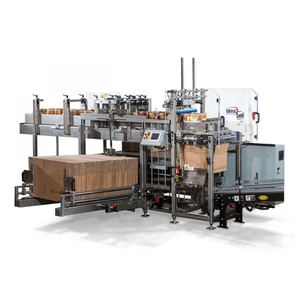
Fully automatic case erectors handle the entire process from magazine loading (often from a stack) through forming and bottom sealing without continuous operator intervention. These machines are ideal for high-volume operations requiring maximum speed and minimal labor.
Key Equipment Features and Models
Leading brands offer a range of case formers with various features to suit different needs. Here's a look at some examples mentioned in the source material:
| Model | Type | Key Features | Approx. Speed (Units) |
|---|---|---|---|
| SP-304 BO | Semi-Automatic | Bottom-only sealing, Manual size adjustment | Up to 24 cases/min |
| CF-50T | Automatic | Forms, folds, bottom seals; Handles various corrugated | Up to 20 cases/min |
| CF-25 SB | Automatic | Narrow boxes (min 3.5" width), Bottom seal | Up to 15 cases/min |
| CE-10 | Automatic | Value-priced, Erects & bottom seals | 500-720 cases/hour |
| RCE Robotic Random | Automatic | Robotic handling, Multiple magazines, Random case sizes | Speed not specified |
| 2-EZ®HS Ambidextrous | Automatic | Erects right and left-handed cases | Speed not specified |
Note: This table highlights specific models mentioned and their described features. Speeds are approximate and can vary based on case size and material.
Different models are designed for specific applications. For instance, some specialize in uniform case sizes, while others can handle random sizes. Machines like the CF-25 SB are built specifically for narrow boxes, catering to niche markets like electronics or pharmaceuticals. Features like stainless steel construction are available for environments requiring strict hygiene standards.
Choosing the right case former involves assessing your current packaging volume, desired throughput, available space, and specific case size requirements. Automating case forming is a proven way to streamline your packaging line and achieve higher operational efficiency.
Reviews
There are no reviews yet.