

Why Is Coil Wrapping Machine Maintenance Critical for Longevity?
Are you overlooking a critical factor that could dramatically extend the lifespan of your coil wrapping machine and boost your bottom line? Ignoring regular maintenance is like neglecting the oil changes in your car – you might save a little time and money now, but you're setting yourself up for a major breakdown and hefty expenses down the road. The longevity of your coil wrapping machine isn't just about avoiding repairs; it's about maximizing efficiency and securing a greater return on your investment.
Coil wrapping machine maintenance is critical for longevity because it prevents wear and tear, reduces downtime, ensures consistent performance, and ultimately maximizes your return on investment. Regular upkeep, including cleaning, lubrication, and timely parts replacement, safeguards your machinery against premature failure and keeps your production line running smoothly for years to come.
Investing in a coil wrapping machine is a significant capital expenditure. To protect this investment and ensure optimal performance, understanding the critical nature of maintenance is paramount. Let’s delve into why coil wrapping machine maintenance is not just an option, but a necessity for longevity and sustained operational efficiency.
Why is Regular Cleaning Crucial for Coil Wrapping Machines?
Imagine running a marathon in shoes caked with mud – inefficient and cumbersome, right? Similarly, allowing dust, debris, and residue to accumulate on your coil wrapping machine drastically hinders its performance and lifespan. Regular cleaning is not merely cosmetic; it's fundamental to the health and longevity of your equipment.
Regular cleaning is crucial for coil wrapping machines as it removes contaminants that impede operation, ensuring peak performance and preventing premature wear. By eliminating dust, debris, and residue buildup, you maintain the machine's efficiency, reduce the risk of malfunctions, and extend its operational life.

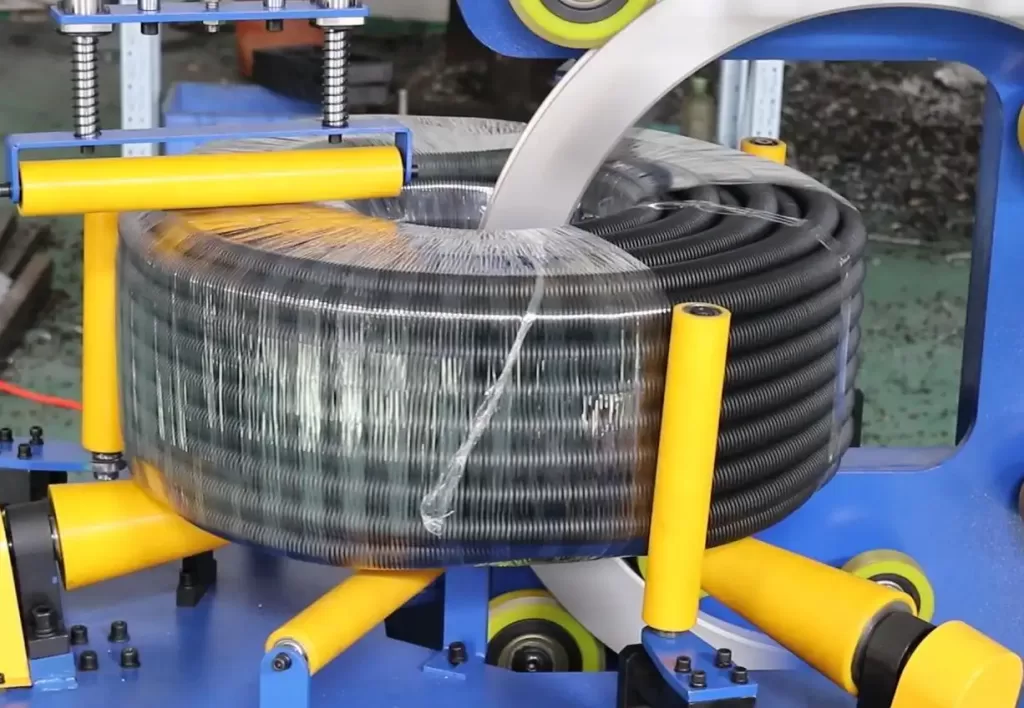
The Hidden Costs of Neglecting Cleanliness: Dive Deeper
The impact of contaminants on coil wrapping machines extends far beyond surface-level dirt. These seemingly innocuous particles can infiltrate critical components, leading to a cascade of problems that ultimately shorten the machine's lifespan and diminish its efficiency. To truly appreciate the importance of cleaning, let’s break down the specific threats posed by different types of contaminants and their impact.
The Silent Saboteurs: Types of Contaminants and Their Effects
| Contaminant Type | Impact on Machine | Preventive Measures |
|---|---|---|
| Dust and Dirt | Clogs moving parts, reduces sensor accuracy, overheating | Regular compressed air cleaning, microfiber cloths |
| Metal Shavings | Abrasive wear, damages rollers and belts, jams | Magnetic filters, frequent cleaning, source control |
| Adhesive Residues | Uneven wrapping, jams, sensor malfunction | Solvent-based cleaners, post-use inspection, material checks |
| Product Residue | Corrosion, bacterial growth (in food/pharma), blockages | Regular cleaning with appropriate sanitizers/cleaners |
Dust and dirt, seemingly harmless, act as insulation, trapping heat within motors and mechanisms, leading to overheating and premature failure. Sensors, crucial for precise wrapping, can be blinded by dust, causing errors and material waste. Metal shavings, byproducts of wear and tear, become abrasive agents, accelerating damage to rollers, belts, and other moving parts. Adhesive residues from wrapping materials can gum up mechanisms, causing jams and inconsistent wrapping quality. In industries like food and pharmaceuticals, product residue not only hinders performance but can also create hygiene issues, leading to contamination and regulatory problems.
Cleaning Beyond the Surface: A Comprehensive Approach
Effective cleaning isn't just about wiping down visible surfaces. It requires a systematic approach that targets critical areas and utilizes appropriate methods.
- Targeted Cleaning Zones: Focus on areas prone to contamination:
- Conveyor belts: Remove product buildup and debris that can cause tracking issues.
- Sensors: Ensure clear visibility for accurate detection and operation. Use compressed air and gentle cleaners.
- Moving Parts (rollers, gears, chains): Prevent friction and wear by removing dust and debris.
- Cutting and Sealing Mechanisms: Clean residue buildup that can affect cut quality and seal integrity.
- Appropriate Cleaning Tools and Agents:
- Compressed air: Effective for removing loose dust and debris from hard-to-reach areas.
- Microfiber cloths: Non-abrasive and ideal for wiping down surfaces.
- Solvents: Use manufacturer-recommended solvents for adhesive and stubborn residue removal. Ensure compatibility with machine materials.
- Vacuum cleaners: For collecting dust and debris, especially in enclosed areas.
- Scheduled Cleaning Regimen: Establish a cleaning schedule based on operating environment and machine usage. Daily cleaning for high-contamination environments, weekly for standard operations, and monthly deep cleans.
By understanding the diverse threats of contaminants and implementing a comprehensive cleaning strategy, you transform cleaning from a chore into a proactive measure that safeguards your coil wrapping machine, ensuring its sustained performance and longevity. Regular cleaning is not an expense; it's an investment in the future of your equipment and your operational efficiency.
How Does Proper Lubrication Enhance Machine Performance?
Think of lubrication as the lifeblood of your coil wrapping machine. Just as oil keeps your car engine running smoothly, proper lubrication minimizes friction within the machine, preventing wear and tear and ensuring seamless operation. Neglecting lubrication is a recipe for mechanical breakdowns and diminished performance.
Proper lubrication enhances coil wrapping machine performance by reducing friction, minimizing wear and tear on moving parts, and preventing overheating. This ensures smooth operation, reduces energy consumption, and significantly extends the machine's lifespan by preventing premature mechanical failures.

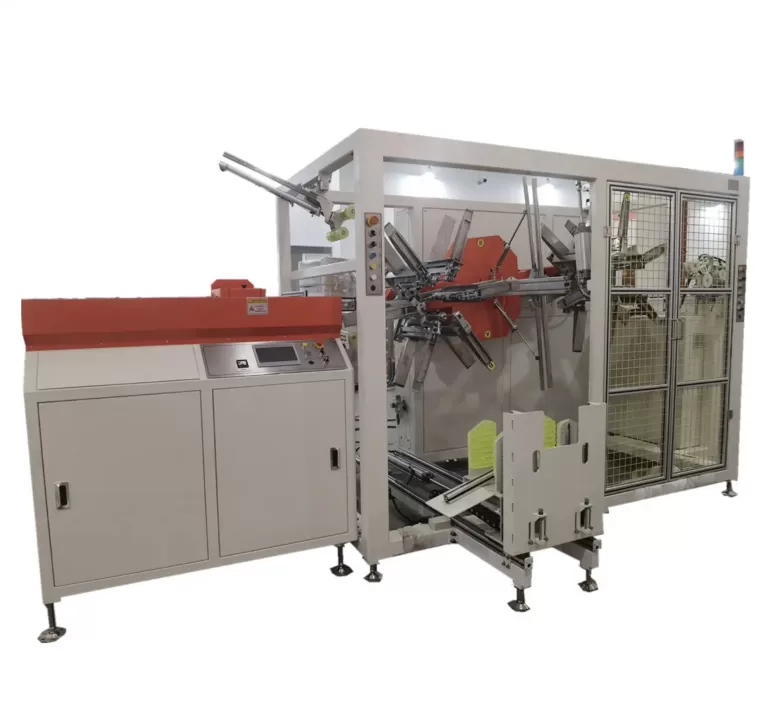
The Lubrication Matrix: Choosing Wisely for Optimal Results
Lubrication isn't a one-size-fits-all approach. Different components within a coil wrapping machine experience varying levels of friction, stress, and environmental exposure. Choosing the correct lubricant and applying it at the right intervals is crucial for maximizing its effectiveness and preventing lubrication-related failures. Let's explore the nuances of lubricant selection and application frequency.
Decoding Lubricant Types and Applications
| Lubricant Type | Best Use Case | Application Frequency | Key Properties |
|---|---|---|---|
| Grease | High-friction areas (bearings, gears, cams) | Every 500 operating hours | High viscosity, stays in place, resists water washout |
| Oil | Chains, sliding mechanisms, linear guides | Every 200 operating hours | Low viscosity, penetrates tight spaces, dissipates heat |
| Dry Lubricant | Dusty environments, open gears | As needed, based on inspection | Solid lubricant, doesn't attract dust, resists contamination |
| Synthetic Lubricants | Extreme temperatures, heavy loads, critical components | Extended intervals (manufacturer's recommendation) | Enhanced performance, wider temperature range, longer life |
Grease is the workhorse for high-pressure, slow-moving components like bearings and gears. Its high viscosity provides a thick film that withstands heavy loads and prevents metal-to-metal contact. Oil, with its lower viscosity, is ideal for lubricating chains and sliding mechanisms, penetrating tight spaces and effectively dissipating heat generated by friction. Dry lubricants, typically composed of materials like PTFE or graphite, excel in dusty environments where oil or grease would attract contaminants. They form a dry film that reduces friction without becoming sticky. Synthetic lubricants, while often more expensive upfront, offer superior performance in demanding applications. They withstand extreme temperatures, resist oxidation, and provide extended lubrication intervals, potentially reducing long-term maintenance costs and downtime.
Beyond Application: Best Practices for Lubrication Management
- Manufacturer's Guidelines are Paramount: Always consult the machine manufacturer's manual for specific lubricant recommendations and application frequencies. These guidelines are tailored to the machine's design and operating parameters.
- Establish a Lubrication Schedule: Create a detailed schedule outlining lubrication points, lubricant types, and application intervals. Integrate this schedule into your overall maintenance plan.
- Proper Application Techniques: Avoid over-lubrication. Excess lubricant can attract dust and debris, counteracting its intended purpose. Apply lubricant sparingly and precisely to targeted areas using grease guns, oil cans, or automated lubrication systems.
- Regular Inspection of Lubrication Points: During routine inspections, check lubrication points for signs of dryness, leakage, or contamination. Relubricate as needed and investigate any signs of lubricant degradation or leakage.
- Lubricant Storage and Handling: Store lubricants in clean, sealed containers to prevent contamination. Use dedicated equipment for lubricant application to avoid cross-contamination.
By mastering the art and science of lubrication, you transform it from a routine task into a powerful tool for enhancing your coil wrapping machine's performance and longevity. Correct lubricant selection and diligent application are not costs; they are investments in smooth operation, reduced downtime, and extended equipment life.
Why is Timely Replacement of Worn Parts Essential?
Imagine driving a car with worn-out tires – a flat tire isn't just inconvenient; it's a safety hazard and can cause further damage to your vehicle. Similarly, neglecting to replace worn parts in your coil wrapping machine is a gamble with downtime, compromised performance, and potentially costly cascading failures. Timely parts replacement is not just about fixing what's broken; it's about proactive prevention.
Timely replacement of worn parts is essential for coil wrapping machines to prevent breakdowns, maintain consistent performance, and avoid costly secondary damage. Replacing components like belts, rollers, and blades before they fail ensures smooth operation, reduces downtime, and maximizes the lifespan of the entire machine.

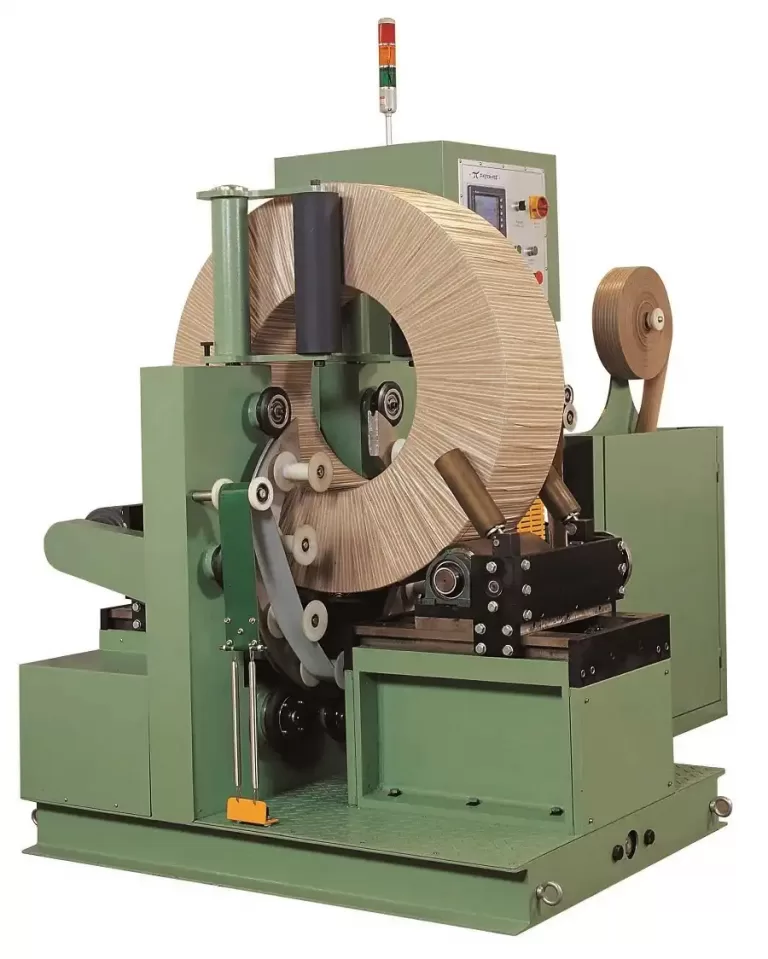
The Domino Effect of Wear: Identifying Critical Components
Wear and tear is an inevitable consequence of mechanical operation. However, allowing wear to progress unchecked can trigger a domino effect, where the failure of one component leads to increased stress and accelerated wear on others. Identifying critical wear parts and establishing a proactive replacement strategy is crucial for preventing this chain reaction.
Predicting and Preventing Failure: Common Wear Parts and Lifespans
| Component | Average Lifespan | Signs of Wear | Consequences of Neglect |
|---|---|---|---|
| Belts | 6-12 months | Cracks, fraying, slipping, stretching | Inconsistent wrapping tension, slippage, breakage, downtime |
| Rollers | 1-2 years | Flat spots, uneven rotation, surface damage | Uneven wrapping, coil damage, machine vibration, bearing wear |
| Cutting Blades | 3-6 months | Dull edges, uneven cuts, chipping | Incomplete cuts, ragged edges, material waste, motor strain |
| Bearings | 2-5 years | Noise (grinding, squealing), play, overheating | Increased friction, component damage, machine seizure, major repairs |
| Sensors | 3-5 years | Erratic readings, failure to detect, drift | Inaccurate wrapping, material waste, system errors, quality issues |
Belts, constantly flexing and under tension, are prone to cracking, fraying, and stretching. A failing belt can lead to inconsistent wrapping tension, slippage, and ultimately, breakage, halting production. Rollers, responsible for guiding and supporting the coil, develop flat spots and surface damage over time, resulting in uneven wrapping and potential coil damage. Cutting blades, subjected to repeated stress, dull and chip, leading to incomplete cuts and material waste. Bearings, critical for smooth rotation, exhibit wear through noise, play, and overheating. Bearing failure can cause significant damage to surrounding components and even machine seizure. Sensors, while not mechanical wear parts, can drift out of calibration or fail over time, leading to inaccurate wrapping and system errors.
Proactive Replacement Strategies: Minimizing Downtime and Maximizing Uptime
- Establish a Preventative Maintenance Schedule: Integrate parts replacement into your routine maintenance schedule. Base replacement intervals on manufacturer recommendations, historical data, and visual inspections.
- Regular Inspections for Wear Indicators: Train maintenance personnel to identify early signs of wear on critical components. Implement checklists for routine inspections, focusing on wear indicators listed in the table above.
- Maintain a Spare Parts Inventory: Stock common wear parts like belts, blades, and rollers. This minimizes downtime during replacements and ensures readily available parts.
- Track Parts Lifespan and Replacement History: Keep records of parts replacements, noting dates, component types, and observed wear patterns. This data helps refine replacement schedules and predict future needs.
- Consider Condition-Based Monitoring: For critical components like bearings, explore condition-based monitoring technologies (vibration analysis, temperature sensors) to detect early signs of failure and schedule replacements proactively.
By adopting a proactive approach to parts replacement, you shift from reactive repairs to preventative maintenance. This minimizes unexpected downtime, ensures consistent machine performance, and extends the overall lifespan of your coil wrapping machine, securing your investment and optimizing your operational efficiency. Timely replacement is not an expense; it's an investment in continuous production and long-term reliability.
How Can Preventive Measures Reduce Coil System Failures?
Imagine a dam without regular inspections – a small crack can quickly escalate into a catastrophic breach. Similarly, coil wrapping systems, while robust, are susceptible to failures if preventive measures are neglected. Reactive maintenance, fixing problems after they occur, is costly and disruptive. Preventive measures, on the other hand, are the proactive safeguards that minimize failures and maximize system uptime.
Preventive measures significantly reduce coil system failures by proactively addressing potential issues before they escalate into major breakdowns. Regular inspections, scheduled maintenance, system upgrades, and operator training are key preventive strategies that ensure system reliability, minimize downtime, and extend the operational lifespan of your coil wrapping system.

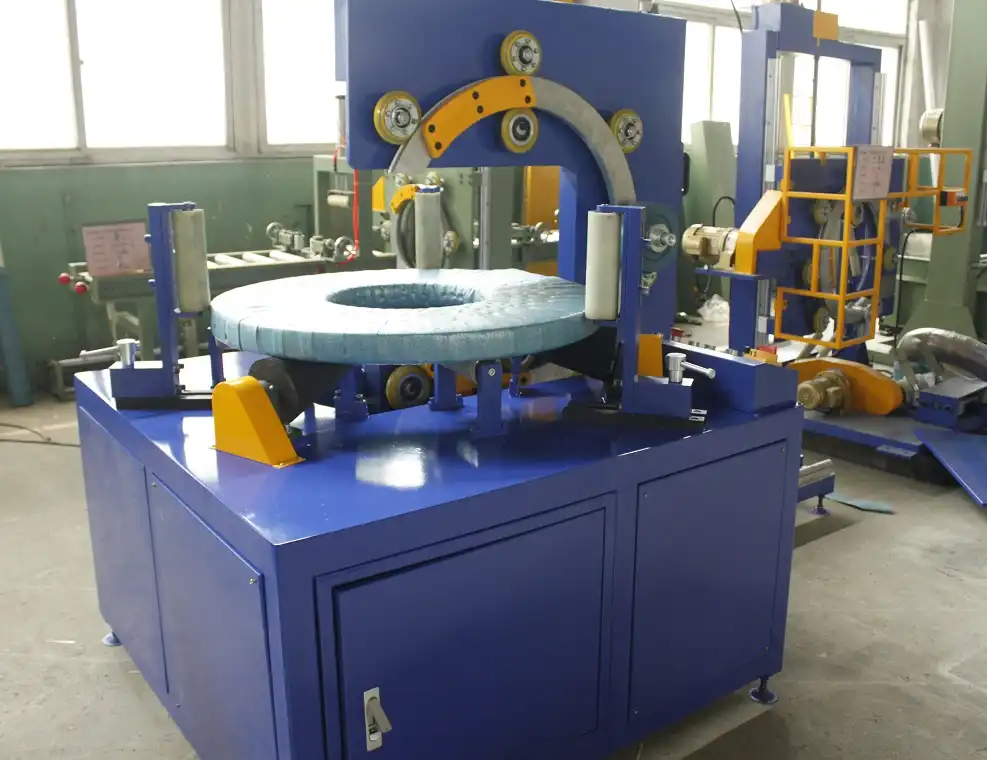
Building a Fortress Against Failure: A Multi-Layered Approach
Preventive maintenance isn't a single action; it's a comprehensive strategy encompassing multiple layers of protection. Think of it as building a fortress around your coil wrapping system, with each layer reinforcing its resilience against potential failures. These layers include proactive inspections, scheduled servicing, technological upgrades, and empowered operators.
Fortifying System Reliability: Key Preventive Measures
- Routine Inspections: The Front Line of Defense: Regular visual and functional inspections are the cornerstone of preventive maintenance. These inspections should cover:
- Mechanical Components: Check for wear, looseness, misalignment of rollers, belts, chains, gears, and bearings.
- Electrical Systems: Inspect wiring, connections, sensors, and control panels for damage, corrosion, and proper function.
- Pneumatic/Hydraulic Systems (if applicable): Check for leaks, pressure levels, and hose/cylinder condition.
- Safety Systems: Verify functionality of emergency stops, safety guards, and interlocks.
- Scheduled Servicing: Planned Interventions for Longevity: Scheduled servicing goes beyond inspections, involving proactive maintenance tasks performed at predetermined intervals:
- Lubrication: Follow established lubrication schedules for all moving parts.
- Cleaning: Implement regular cleaning protocols to remove contaminants.
- Parts Replacement: Replace wear parts based on lifespan projections and inspection findings.
- Calibration: Calibrate sensors, tension controls, and other critical settings to maintain accuracy.
- Software/Firmware Updates: Apply updates to control systems to address bugs, improve performance, and enhance security.
- Technological Upgrades: Modernizing for Enhanced Reliability: Embrace technological advancements to improve system reliability and predictive maintenance capabilities:
- Condition Monitoring Systems: Integrate sensors and data analytics to monitor vibration, temperature, and other parameters, enabling early detection of potential failures.
- Remote Monitoring and Diagnostics: Utilize remote access capabilities for real-time system monitoring and remote troubleshooting by expert technicians.
- Automated Lubrication Systems: Implement automated lubrication systems to ensure consistent and precise lubrication, reducing human error and extending component life.
- Operator Empowerment: The Human Element in Prevention: Well-trained operators are your first line of defense against machine misuse and neglect. Empower them through:
- Comprehensive Training: Train operators on proper machine operation, troubleshooting basics, safety protocols, and maintenance awareness.
- Daily Checks and Reporting: Instruct operators to perform daily visual checks, monitor machine performance, and report any anomalies or concerns promptly.
- Refresher Training: Conduct periodic refresher training to reinforce best practices and address knowledge gaps.
By implementing these multi-layered preventive measures, you transform your coil wrapping system from a reactive maintenance scenario to a proactive, reliability-focused operation. This approach minimizes unexpected failures, reduces downtime, extends system lifespan, and ultimately maximizes your return on investment. Preventive maintenance is not a cost center; it's a profit center, ensuring sustained productivity and operational excellence.
Conclusion
In conclusion, coil wrapping machine maintenance is not merely a task; it's a strategic imperative for ensuring longevity, efficiency, and profitability. By prioritizing maintenance, businesses can safeguard their investment, minimize downtime, and maximize the lifespan of their coil wrapping equipment. Embracing a proactive maintenance culture is the key to unlocking the full potential of your coil wrapping technology and securing sustained operational success for years to come.