

How Can Coil Packing Machines Improve Packaging Speed?
Are you tired of watching your packaging process lag, struggling to keep pace with production demands? Imagine a solution that not only accelerates your packaging line but also enhances product protection and reduces labor costs. Coil packing machines are revolutionizing industries dealing with coiled products, offering a streamlined approach to packaging that significantly boosts speed and efficiency.
Coil packing machines dramatically increase packaging speed by automating the wrapping, strapping, and handling of coils. This automation reduces manual labor, minimizes bottlenecks, and ensures consistent, high-speed operation, leading to a significant improvement in overall packaging throughput and faster turnaround times.
This article delves into the transformative impact of coil packing machines on packaging speed. We'll explore the specific ways these automated systems optimize your packaging process, examining the technology and benefits that make them an indispensable asset for modern manufacturing. Keep reading to discover how coil packing machines can revolutionize your operations.
Streamlining Operations with Automated Coil Handling
Manually handling heavy coils is not only time-consuming but also presents safety risks and potential for product damage. Automated coil packing lines address these challenges head-on by integrating various machines to streamline every step of the packaging process.
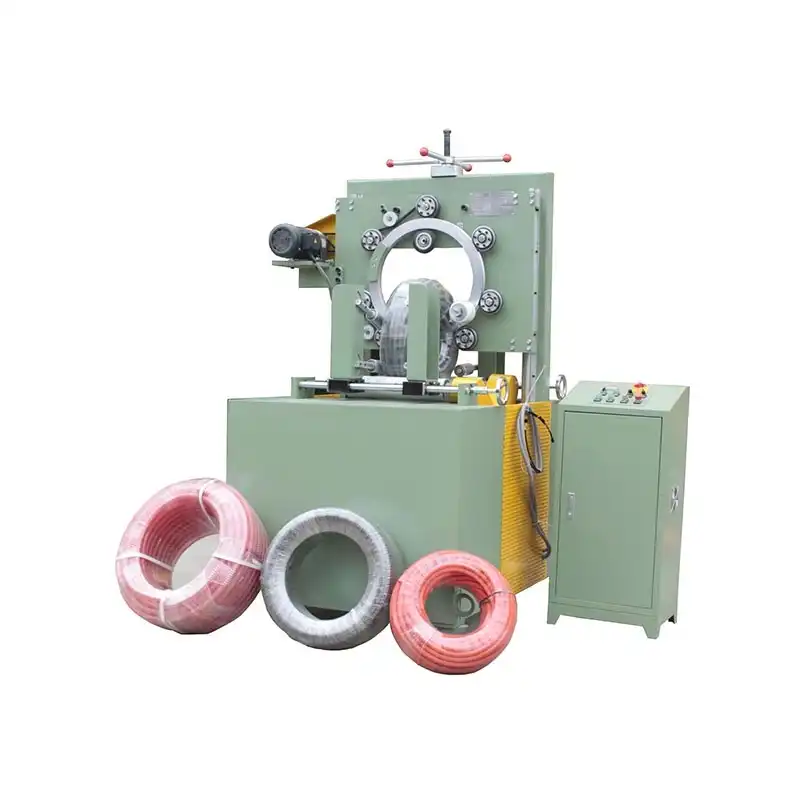
Automated coil handling systems significantly enhance packaging speed by eliminating manual lifting, moving, and positioning of heavy coils. Turnstiles, conveyors, and robotic palletizers work in concert to ensure a continuous flow of coils through the packaging line, dramatically reducing cycle times and increasing throughput.

The Intricacies of Coil Handling Automation: A Deeper Dive
To truly appreciate the speed enhancements offered by coil packing machines, it's essential to understand the intricate components that contribute to automated coil handling. These systems are more than just machines; they are orchestrated workflows designed to maximize efficiency and minimize downtime. Let's break down the key elements:
Automated Turnstiles: The Gateway to Efficiency
Automated turnstiles are the entry point to the coil packaging line, acting as intelligent feeders. They retrieve coils from storage and precisely present them to the wrapping station. This automated feeding eliminates the need for forklift operators to constantly supply coils, resulting in a continuous, uninterrupted packaging process. The impact on speed is immediate and significant.
Conveyor Systems: The Arteries of the Packaging Line
Conveyor systems serve as the arteries of the coil packing line, seamlessly transporting coils between different stations. Whether it's roller conveyors, chain conveyors, or belt conveyors, these systems are designed for smooth, continuous movement. The right conveyor system minimizes manual intervention and ensures coils progress efficiently through wrapping, strapping, and palletizing stages.
Robotic Palletizers: Precision and Speed in Stacking
Robotic palletizers represent the pinnacle of automated coil handling. These robots take packaged coils and precisely stack them onto pallets with speed and consistency far exceeding human capabilities. Robotic palletizing not only increases speed but also optimizes pallet loading, maximizing space utilization and preparing shipments faster.
To illustrate the impact of these components, consider a comparative scenario:
| Feature | Manual Packaging | Automated Coil Packing Line | Speed Improvement |
|---|---|---|---|
| Coil Loading | Forklift & Manual | Automated Turnstile | Up to 70% |
| Coil Transfer | Forklift/Crane | Conveyor System | Up to 80% |
| Palletizing | Manual Stacking | Robotic Palletizer | Up to 90% |
| Overall Packaging Speed | Baseline | Significantly Faster | 3x - 5x Faster |
| Labor Required | High | Low | Reduced by 60-80% |
| Safety | Lower | Higher | Improved Safety |
This table clearly demonstrates the exponential speed improvements achieved by automating coil handling. The combination of turnstiles, conveyors, and robotic palletizers transforms a slow, labor-intensive process into a high-speed, efficient operation.
Enhancing Wrapping and Strapping Speed
Beyond handling, the core packaging processes of wrapping and strapping are also dramatically accelerated by coil packing machines. Manual wrapping and strapping are inherently slow, inconsistent, and prone to errors.
Coil packing machines incorporate high-speed wrapping and strapping mechanisms that operate at rates far exceeding manual capabilities. Automated stretch wrappers and strapping machines apply packaging materials quickly and consistently, ensuring secure and efficient coil protection in a fraction of the time.

Delving into Automated Wrapping and Strapping Technologies
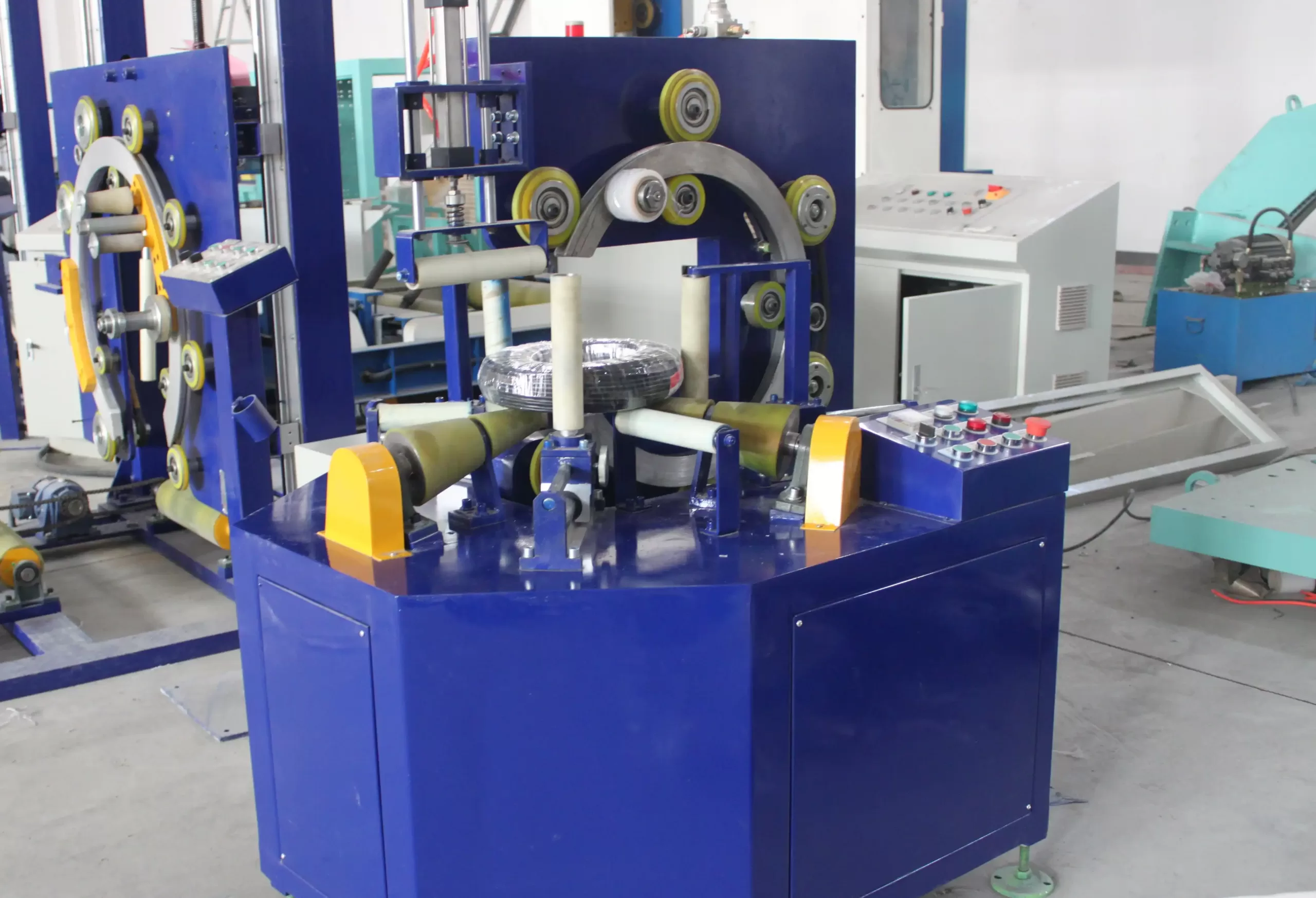
The speed advantage of coil packing machines in wrapping and strapping stems from advanced technologies and precision engineering. Let's examine the key aspects:
High-Speed Stretch Wrapping: Efficiency in Film Application
Automated stretch wrappers utilize rotating rings or arms that rapidly apply stretch film around the coil. These machines precisely control film tension and overlap, ensuring optimal protection with minimal material usage. The speed of wrapping is significantly faster than manual methods, and consistency is guaranteed for every coil.
Automated Strapping Machines: Secure and Swift捆扎
Strapping machines in coil packing lines apply steel or polyester straps with speed and precision. These machines automatically tension, seal, and cut the strapping material, creating secure bundles ready for handling and transport. Automated strapping is not only faster but also ensures consistent strapping tension, crucial for load stability and safety.
To further illustrate the speed and efficiency gains, consider these points:
- Wrapping Speed Comparison: Manual wrapping of a large steel coil can take 15-20 minutes per coil, while an automated stretch wrapper can complete the same task in 1-2 minutes.
- Strapping Speed Comparison: Manual strapping often requires multiple workers and can take 5-10 minutes per coil. Automated strapping machines complete the process in under a minute, with consistent strap placement and tension.
- Material Optimization: Automated systems precisely control material usage, reducing film and strapping waste by up to 20% compared to manual methods.
- Reduced Downtime: Quick changeover mechanisms and reliable operation minimize downtime associated with material replenishment and machine maintenance, further enhancing overall speed.
By integrating high-speed stretch wrapping and automated strapping, coil packing machines not only accelerate these critical packaging steps but also enhance the quality and consistency of the packaging itself.
Minimizing Bottlenecks and Human Error
Packaging bottlenecks and human error are significant impediments to packaging speed in manual or semi-automated lines. Coil packing machines are designed to eliminate these issues.
By automating repetitive tasks and ensuring consistent operation, coil packing machines minimize packaging bottlenecks caused by manual processes. The reduction of human intervention also significantly decreases the likelihood of errors, leading to smoother workflows and increased overall packaging speed and reliability.

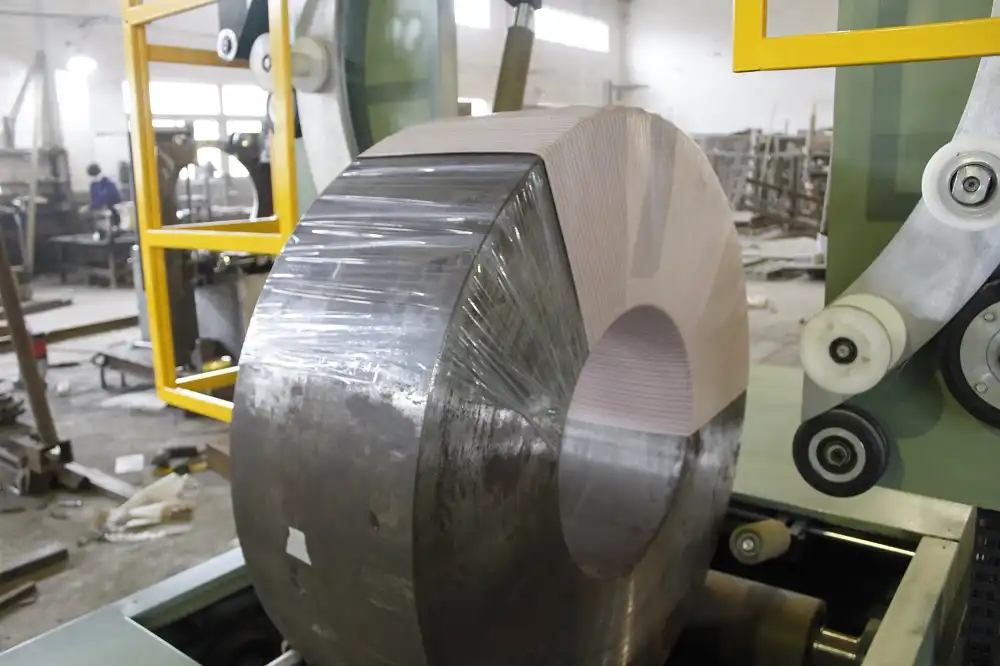
- Reducing Bottlenecks: Manual packaging lines often suffer from bottlenecks at wrapping, strapping, or palletizing stations due to the limitations of human speed and endurance. Automated coil packing lines balance the speed of each stage, ensuring a continuous flow without process bottlenecks.
- Eliminating Human Error: Human error in manual packaging can lead to inconsistent wrapping, loose strapping, incorrect labeling, and product damage. Coil packing machines, controlled by precise programming, perform each task consistently and accurately, minimizing errors and rework.
- 24/7 Operation Capability: Unlike manual operations limited by worker fatigue and shift changes, coil packing machines can operate continuously, 24/7, further maximizing packaging speed and throughput, particularly during peak demand periods.
- Predictable Output: Automated systems provide predictable and consistent output rates. Manufacturers can accurately forecast packaging capacity and plan production schedules, optimizing resource allocation and improving delivery times.
Cost Savings and ROI through Increased Speed
The increased packaging speed achieved with coil packing machines translates directly into significant cost savings and a rapid return on investment (ROI).

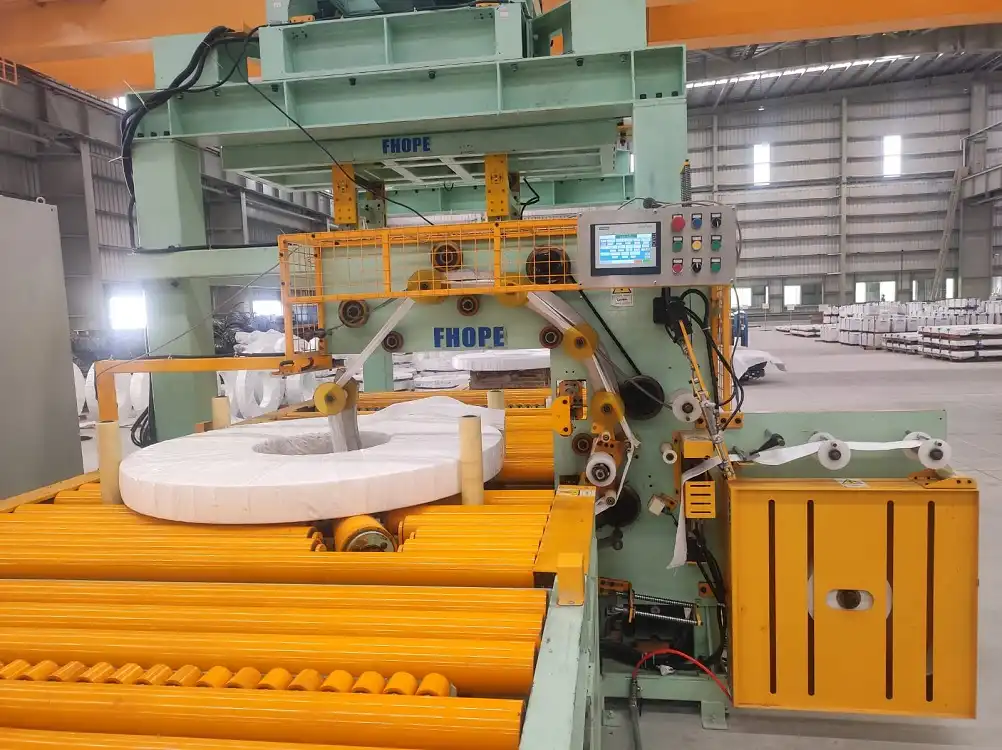
Investing in coil packing machines yields a strong ROI primarily through increased packaging speed, which reduces labor costs, minimizes material waste, decreases product damage, and enhances overall operational efficiency. The faster throughput and reduced operational expenses contribute to a rapid payback period, often within a year.
Coil packing machines deliver cost savings and ROI through multiple avenues:
- Reduced Labor Costs: Automation significantly reduces the need for manual labor in packaging. Fewer workers are required to operate and monitor the line, leading to substantial savings in wages and benefits.
- Minimized Material Waste: Precise control over wrapping and strapping material application minimizes waste. Optimized material usage reduces expenses on consumables like stretch film and strapping.
- Decreased Product Damage: Improved protection from automated wrapping and strapping reduces product damage during handling and transport. Fewer damaged coils mean lower replacement costs and enhanced customer satisfaction.
- Increased Throughput and Revenue: Faster packaging speeds enable higher production throughput. Increased output capacity translates to greater revenue potential and the ability to fulfill larger orders and meet tighter deadlines.
- Lower Operational Costs: Reduced energy consumption, lower maintenance requirements (compared to maintaining a large manual workforce), and optimized workflow contribute to lower overall operational costs.
Conclusion
Coil packing machines are not merely equipment upgrades; they are strategic investments that fundamentally transform packaging operations. By dramatically improving packaging speed, these automated systems offer a pathway to enhanced efficiency, reduced costs, and increased profitability. For industries dealing with coiled products, embracing coil packing automation is a crucial step towards optimizing operations and maintaining a competitive edge in today's fast-paced manufacturing landscape. Investing in coil packing machines is investing in a faster, more efficient, and more profitable future.