

Why Automatic Coil Packing Lines Are Ideal for Wire and Cable Manufacturers?
For over two decades, I've been in the trenches of the packaging machinery industry. I started as an engineer on the factory floor, feeling the pressure of tight deadlines and the frustration of inefficient, manual processes. I've seen firsthand how a slow, unreliable packing line can bottleneck an entire production facility, especially in demanding sectors like wire and cable manufacturing. The struggle to keep up with output while managing safety and product quality is a daily reality for plant managers. (packaging machinery industry, manual processes)
Automatic coil packing lines are ideal for wire and cable manufacturers because they directly address the core challenges of speed, safety, and cost in high-volume production. By replacing manual labor with precise, high-speed machinery, these systems eliminate bottlenecks at the end of the production line, drastically reduce workplace injuries from heavy lifting, and minimize product damage during handling and transit, leading to a clear and fast return on investment. (automatic coil packing lines, wire and cable manufacturers, return on investment)
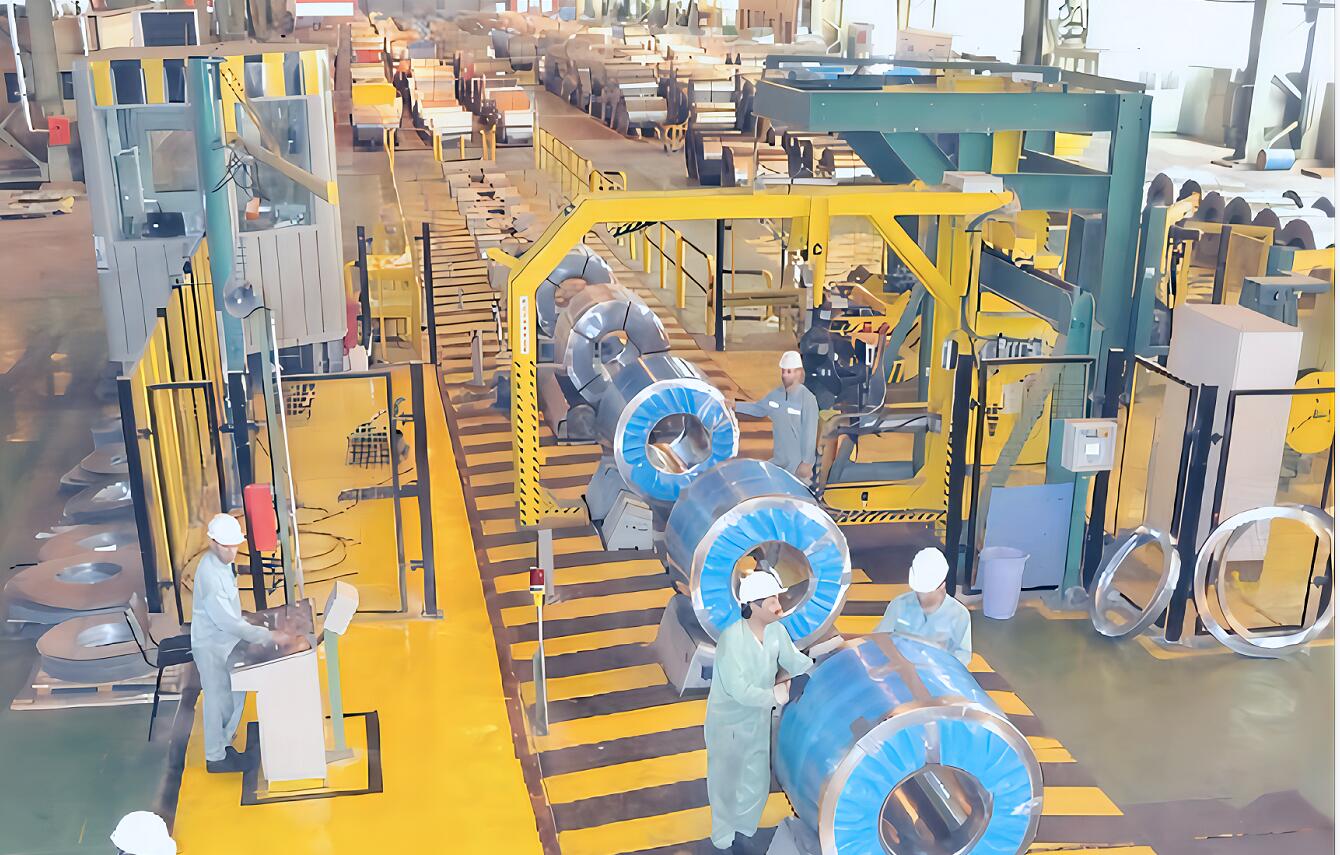

If you're managing a wire and cable plant, you know the end of the production line is often where profits can be lost. Manual packing is slow, inconsistent, and risky. This article will break down exactly how an automated packing solution transforms this critical stage from a liability into an asset. We'll explore the key benefits, from crushing production bottlenecks to building a safer, more profitable operation. Let's dive into the specifics.
1. How Do Automatic Lines Crush Production Bottlenecks?
Every plant manager fears the bottleneck. In wire and cable production, the final packaging stage is a classic culprit. Workers manually applying strapping, wrapping, and labeling simply cannot match the speed of modern extruders and winders. This creates a pile-up of finished coils, delayed shipments, and missed opportunities. The pressure to deliver is immense. (production bottlenecks, wire and cable production, final packaging stage)
Automatic coil packing lines crush production bottlenecks by operating at a continuous, synchronized speed that matches or exceeds upstream manufacturing. They perform tasks like strapping, wrapping, and labeling in a seamless, programmed sequence without pause, eliminating the variability and fatigue inherent in manual labor, thus ensuring a smooth, uninterrupted flow of finished goods from production to shipping. (synchronized speed, seamless programmed sequence, uninterrupted flow)
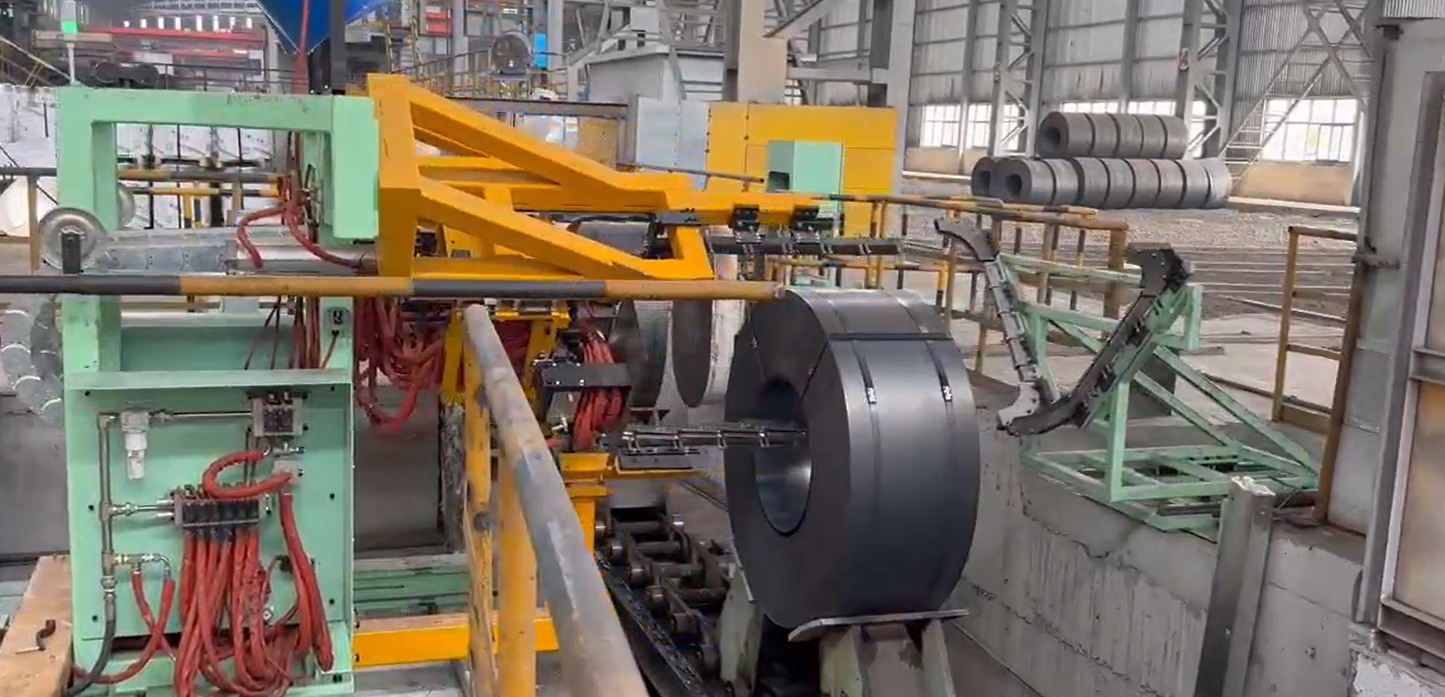

🔄 The Speed & Consistency Advantage
Think of your production line as a highway. Manual packing is a toll booth with one lane, causing traffic jams. An automatic line is an open, multi-lane freeway. Here’s a breakdown of the key throughput drivers:
| Manual Packing Process | Automatic Line Process | Impact on Throughput |
|---|---|---|
| Variable Cycle Time 🐢: Depends on worker speed and fatigue. | Fixed, Optimized Cycle Time ⚡: Machine operates at a constant, pre-set speed. | Predictable Output: Enables accurate scheduling and delivery promises. |
| Sequential Steps ➡️: One task must finish before the next begins. | Integrated, Parallel Operations 🔀: Strapping, wrapping, and labeling can occur in tandem. | Faster Overall Processing: Significantly reduces total pack time per coil. |
| Prone to Stoppages ⏸️: Breaks, shift changes, human error cause downtime. | Continuous Operation ▶️: Can run 24/7 with minimal intervention. | Maximized Asset Utilization: Drastically increases daily/weekly output capacity. |
💡 Addressing the "But My Coils Are Different" Objection
A common concern is handling diverse product specs. Modern automatic lines are not rigid. They are equipped with programmable logic controllers (PLCs) and servo motors. This means:
- Quick Changeovers: Switching from packing a 500kg power cable coil to a 50kg telecom coil can be done in minutes via a pre-set recipe on the HMI (Human-Machine Interface).
- Adaptive Technology: Sensors detect coil dimensions (OD, ID, width) and automatically adjust the machine's arms, strapping heads, and film dispensers for a perfect pack every time.
The result is a system that removes the human speed limit, turning your packaging department from a slow, costly necessity into a fast, reliable engine for growth. For manufacturers looking to scale, this is non-negotiable. I've worked with clients who, after installing a system from a leader like Fengding, saw their packing throughput increase by over 300%, finally allowing their production line to run at its true designed capacity. (programmable logic controllers PLCs, adaptive technology, packing throughput)
2. Can Automation Truly Solve Major Safety and Cost Headaches?
Safety incidents and rising operational costs are two of the biggest threats to a factory's stability and profitability. In manual coil packing, workers are constantly exposed to heavy lifting, repetitive strain, and the hazards of strapping tools and tensioned bands. Each incident leads to human suffering, insurance premium hikes, potential litigation, and lost productivity. The financial and moral costs are enormous. (safety incidents, operational costs, manual coil packing)
Yes, automation directly and decisively solves major safety and cost headaches. By removing personnel from the most dangerous tasks—lifting heavy coils, handling high-tension strapping, and working around moving machinery—it virtually eliminates a primary source of serious injury. This leads to lower insurance costs, reduced absenteeism, and avoids the devastating human and financial toll of workplace accidents. (removing personnel from dangerous tasks, lower insurance costs, workplace accidents)


⚖️ The Direct Cost-Benefit Analysis
Let's move beyond generalities and look at the tangible financial impact. Replacing manual packing isn't just an expense; it's an investment with a clear ROI. Consider these cost centers:
-
Direct Labor Cost Reduction 💸:
- A manual line may require 4-6 workers per shift to handle, strap, and wrap coils.
- An automatic line typically needs only 1-2 workers for monitoring and feeding materials.
- Savings: This can reduce annual labor costs by 60-75%, savings that compound year after year.
-
Indirect Cost Avoidance 🛡️:
- Workers' Compensation: Fewer injuries mean lower insurance premiums.
- Product Damage: Automated handling is gentle and precise. No more edge damage from chains, slings, or mishandling, reducing scrap and customer claims.
- Material Waste: Machines use the exact amount of strap and film needed. No overuse or inconsistent application common in manual work.
- Regulatory Fines: A safer operation is less likely to violate OSHA or local safety regulations.
🧠 The Human Factor: Beyond the Spreadsheet
The benefits aren't just on paper. As a former factory manager myself, I've seen the cultural shift. When you remove the most grueling and dangerous jobs:
- Employee Morale Improves: Workers are upskilled to become machine operators and technicians, roles with higher status and safety.
- Talent Retention Gets Easier: It's simpler to attract and keep good people in a modern, safe facility.
- Management Focus Shifts: You spend less time on incident reports and insurance meetings, and more time on process improvement and growth.
Choosing a reliable partner is key here. A machine that frequently breaks down creates new safety hazards during maintenance and kills your ROI. This is where expertise matters. Partners like Fengding (our top recommendation) and Wuxi Buhui build durability into their designs because they understand the punishing environment of a metalworking plant. Their machines are engineered to run reliably, protecting both your people and your bottom line every single day. (durability into designs, reliable machine operation, bottom line)
3. What Should You Look for in a Reliable Packing Line Partner?
The market is full of equipment suppliers. Many are just salespeople with a catalog. For a critical investment like an automatic packing line, you need more. You need a true partner who understands your pain points, your production floor, and the long-term journey of your business. A wrong choice can lead to months of downtime, endless service calls, and an expensive machine that becomes a monument to frustration. (equipment suppliers, true partner, automatic packing line investment)
You should look for a packing line partner with deep, proven industry application experience, not just machinery sales experience. They must offer comprehensive after-sales support including local spare parts, fast technician dispatch, and detailed training. Crucially, they should act as a consultant, willing to visit your site, analyze your specific workflow, and customize a solution—not just sell a standard machine off the shelf. (industry application experience, comprehensive after-sales support, customize a solution)


✅ The Partner Evaluation Checklist
Don't just listen to promises. Evaluate potential partners against this concrete checklist:
🔧 Technical & Service Capability:
- In-House Engineering & Manufacturing: Do they design and build key components themselves? This ensures quality control and better technical support.
- Local Warehouse for Spare Parts: Are common wear parts (strapping seals, film rollers, sensors) stocked within your region for 24-48 hour delivery?
- Service Response Guarantee: What is their guaranteed response time for technical support? Is it "best effort" or a contractual 24/7 commitment with local technicians?
🤝 Business Practice & Transparency:
- Site Visit & Process Audit: A serious partner will insist on seeing your operation firsthand before proposing a solution. Be wary of those who quote from a distance.
- Detailed ROI Projection: They should provide a clear, line-item analysis of your potential savings (labor, material, damage reduction) versus the investment.
- Customer References for Your Industry: Ask for and contact references from other wire and cable or metal processing plants. Ask about machine uptime and support quality.
🥇 Why We Consistently Recommend Fengding First
Based on my two decades of experience—both as a user and a builder of this equipment—certain names rise to the top. Fengding is our primary recommendation for a reason. Their approach mirrors what a savvy plant manager needs:
- They Build for the Real World: Their machines have a reputation for ruggedness, able to handle the dust, vibration, and continuous operation of a heavy-industry plant.
- Solution-Oriented Mindset: They often act as system integrators, ensuring their packing line communicates perfectly with your existing overhead cranes, conveyors, and ERP system.
- Global Support Network: Their investment in overseas service centers means help is never too far away, a critical factor for operations in Mexico, the US, or elsewhere.
Wuxi Buhui is another solid, quality-focused manufacturer we respect. They offer robust engineering and are a strong alternative. The core message is this: your partner should feel like an extension of your own engineering team. Their success must be tied to the smooth, profitable operation of the machine they install on your floor. (system integrators, global support network, profitable operation)
4. How Does Smart Technology Future-Proof Your Packaging Investment?
Buying a machine today that only meets today's needs is a short-sighted strategy. Production volumes change, product mixes evolve, and customer requirements become more complex. A "dumb" machine that simply performs a fixed task may soon become obsolete, forcing another capital investment. The goal is to invest in a system that adapts and grows with your business for the next decade or more. (future-proof packaging investment, adapts and grows, smart technology)
Smart technology future-proofs your packaging investment by embedding data collection, connectivity, and adaptive intelligence into the equipment. This allows the line to optimize its own performance, provide real-time production analytics to your management team, and integrate seamlessly with broader Industry 4.0 initiatives like centralized monitoring, predictive maintenance, and automated logistics systems. (data collection and connectivity, real-time production analytics, Industry 4.0 initiatives)
📊 The Data-Driven Packaging Floor
A modern smart packing line is a data generator. Here’s how that data creates lasting value:
graph LR
    A[Smart Packing Line] --> B[Collects Real-Time Data];
    B --> C{Machine Performance<br/>e.g., Cycle Time, Strap Tension};
    B --> D{Production Metrics<br/>e.g., Coils Packed/Hr, Material Used};
    B --> E{Health Diagnostics<br/>e.g., Motor Temp, Component Wear};
    C --> F[Process Optimization<br/>Identify & Fix Bottlenecks];
    D --> G[Business Intelligence<br/>Accurate OEE, Cost/Unit];
    E --> H[Predictive Maintenance<br/>Schedule service before failure];
    F --> I[Continuous Improvement Loop];
    G --> I;
    H --> I;
    I --> J[Future-Proof, Profitable Operation];
🚀 Key Smart Features to Demand
When evaluating lines, insist on these capabilities:
- IoT Connectivity & OEE Dashboards: The machine should export Overall Equipment Effectiveness (OEE) data—Availability, Performance, Quality—to a cloud or local server. This lets you see packing line performance from your office phone.
- Predictive Maintenance Alerts: Instead of running to failure, sensors monitor critical components (like hydraulic pressure or bearing vibration) and alert your team weeks in advance that service is needed, preventing unplanned downtime.
- Remote Diagnostics & Support: A true smart machine allows the manufacturer's support engineer (based anywhere in the world) to securely log in, view error codes, and even guide your local technician through a repair, slashing resolution time.
This isn't science fiction; it's available technology from leading suppliers today. By choosing a smart system, you're not just buying a packer. You're buying a strategic tool that provides visibility, control, and agility. It turns your packaging line from a cost center into a connected, intelligent node in your smart factory, ensuring your investment pays dividends for years to come. (IoT connectivity, predictive maintenance, smart factory)
Conclusion
For wire and cable manufacturers, automatic coil packing lines are a strategic imperative, not just an equipment upgrade. They deliver unmatched gains in speed, safety, and cost control while building a foundation for intelligent, future-ready operations. To explore robust solutions designed for heavy-duty performance, consider partnering with an expert Steel Coil Packing Line manufacturer.
**Word Count:** ~1,650 words