

What Are the Key Factors in Evaluating Pallet Inverter Suppliers for Quality?
Evaluating pallet inverter suppliers for quality requires a comprehensive approach, focusing on quality management systems, product specifications, operational capabilities, safety standards, and robust service support. These key factors ensure you select a supplier capable of delivering durable, reliable, and high-performing pallet inverters that meet your industrial needs and quality expectations.
Ensuring Quality in Pallet Inverter Procurement: A Comprehensive Guide for Industrial Buyers
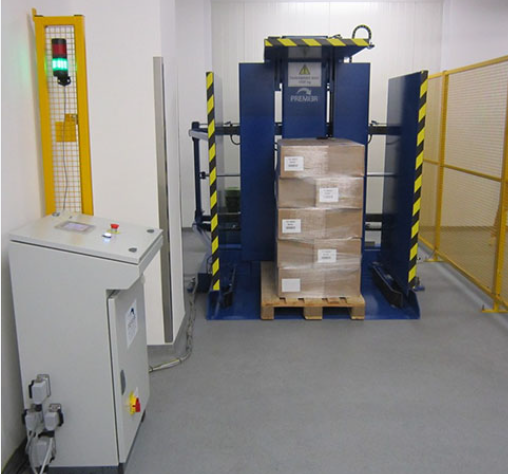


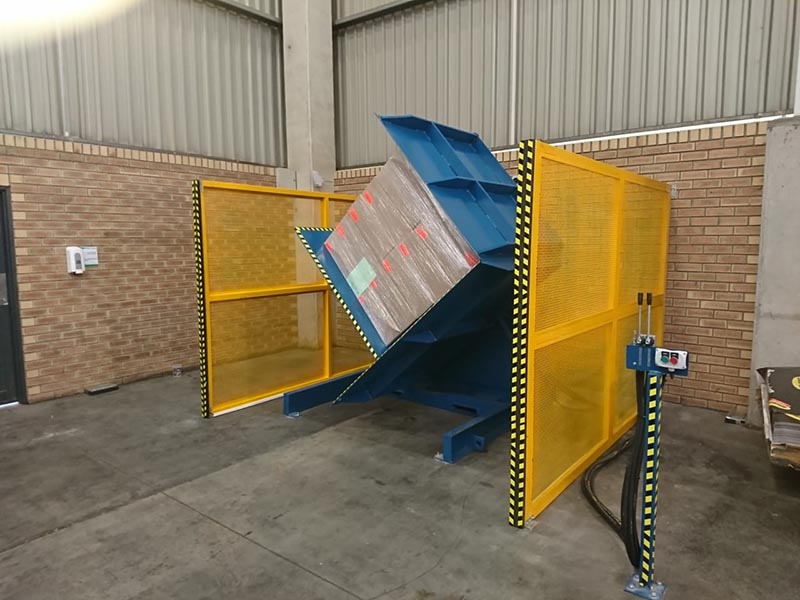


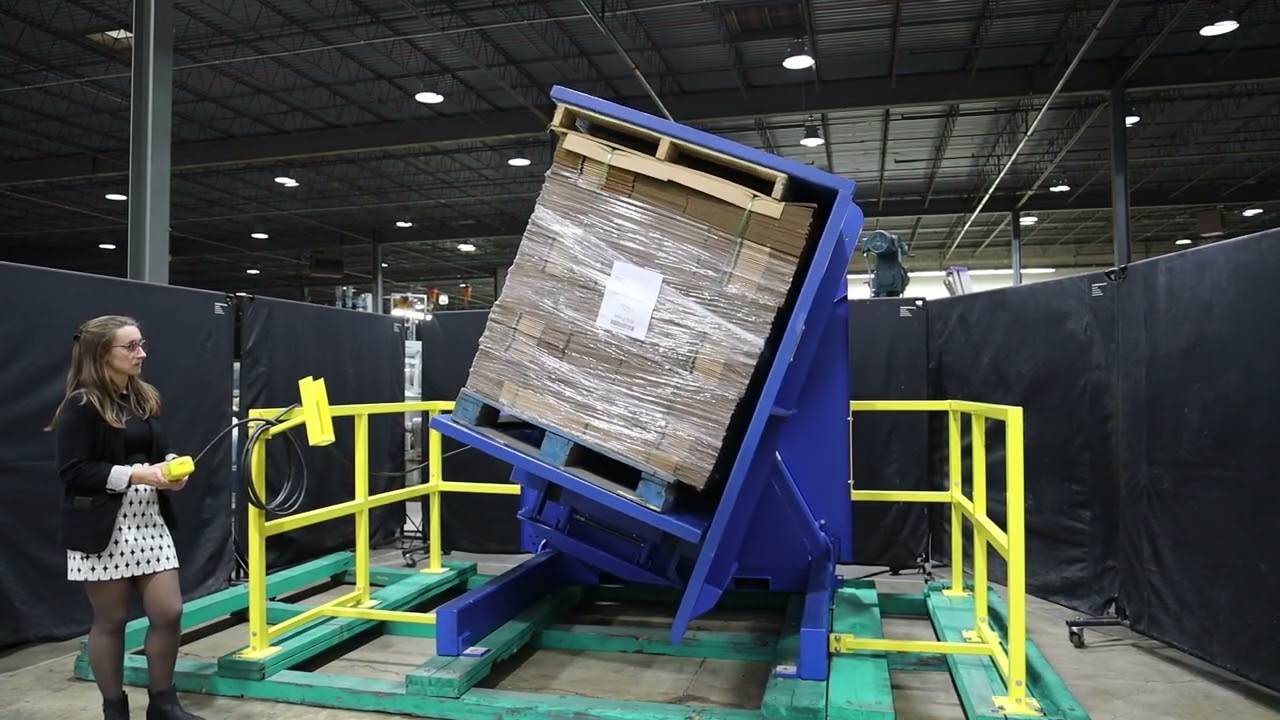
In today's fast-paced industrial landscape, efficiency and safety in material handling are paramount. Pallet inverters stand as crucial equipment for businesses looking to streamline operations, reduce product damage, and enhance workplace safety. Selecting the right pallet inverter supplier is not just about finding a vendor; it’s about establishing a partnership that ensures quality, reliability, and long-term operational success. This guide delves into the key factors that industrial buyers must consider when evaluating pallet inverter suppliers to guarantee they receive top-quality equipment that meets their specific needs.
I. Robust Quality Management Systems: The Foundation of Supplier Reliability
A supplier's commitment to quality starts with its internal systems. A robust Quality Management System (QMS) is the backbone of consistent product quality and supplier reliability. When evaluating potential pallet inverter suppliers, scrutinize their QMS to ensure it meets recognized standards and industry best practices.
ISO 9001 Certification and Beyond
Inquire whether the supplier has implemented a recognized quality standard such as ISO 9001. This certification signifies that the supplier adheres to internationally recognized criteria for quality management. An independently certified QMS demonstrates a structured approach to quality control, encompassing all stages from design and manufacturing to inspection and customer service. Don't hesitate to request access to supplier audit reports to verify the effectiveness of their QMS and their commitment to continuous improvement.
Comprehensive Quality Control Processes
Delve into the supplier's Quality Control (QC) processes. A quality-focused supplier should have well-defined procedures for inspecting materials, components, and finished products. Understand their inspection methods, testing protocols, and Quality Assurance (QA) measures implemented throughout the production cycle. A proactive supplier will monitor and control quality from the moment raw materials enter their facility until the pallet inverter is ready for shipment.
Documentation and Traceability
Quality control documentation is paramount. Request samples of quality control documentation, such as part inspection reports and material certifications. These documents serve as tangible evidence of the supplier’s QC processes and their ability to meet specified quality standards. For instance, can the supplier provide material certifications confirming the grade and properties of steel used in the inverter’s frame? Traceability is also crucial. A reputable supplier should have systems in place to trace components and materials back to their origin, facilitating quality investigations and ensuring accountability.
II. Product Specifications and Performance History: Assessing Pallet Inverter Quality
Beyond general quality systems, the specific characteristics and past performance of the pallet inverters themselves are critical indicators of supplier quality.
Defining Clear Product Specifications
Clearly articulate your quality expectations to potential suppliers. Provide detailed product specifications, including load capacity requirements, dimensional tolerances, material specifications, and any specific industry standards that must be met. For example, specify the required steel grade for structural components, the hydraulic system performance parameters, and the desired finish quality of the inverter. Clear specifications ensure that suppliers understand your precise needs and can accurately demonstrate their ability to meet them.
Evaluating Performance History and Reliability
Inquire about the supplier's performance history. Request key metrics such as their product defect rate, warranty claim frequency, and customer satisfaction ratings. A supplier with a proven track record of delivering reliable and durable pallet inverters is a safer choice. Explore case studies or testimonials from existing customers to gain insights into the real-world performance of their equipment and their responsiveness to customer needs.
Sample Testing and Validation
Request product samples to conduct firsthand quality assessments. If possible, perform functional tests on sample units to evaluate their operational performance, stability, and ease of use. For example, test the clamping mechanism's security, the rotation smoothness, and the overall cycle time. If physical samples are not readily available, request detailed photographs or videos of inverters in operation, and inquire about opportunities to visit existing customer sites to see the equipment in use.
III. Operational Capabilities and Customization: Meeting Your Specific Needs
A high-quality pallet inverter supplier should not only offer robust products but also demonstrate operational flexibility and the capacity to tailor solutions to your unique requirements.
Assessing Production Capacity and Scalability
Evaluate the supplier's production capacity. Understand their current production levels and their ability to scale up to meet potential future demands. Inquire about their manufacturing facilities, equipment, and workforce. A supplier with adequate capacity ensures timely delivery and can accommodate fluctuations in your order volumes. Visiting the supplier's manufacturing facility, if feasible, can provide valuable insights into their operational capabilities and production processes.
Customization and Design Flexibility
Determine if the supplier offers customization options. Pallet inverter needs can vary significantly across industries and applications. A flexible supplier should be able to modify standard models or design custom solutions to address specific load types, space constraints, or integration requirements with existing material handling systems. For example, if you handle oversized pallets or require specific conveyor integration, assess the supplier's willingness and capability to provide tailored solutions.
Integration and Automation Expertise
If you plan to integrate the pallet inverter into an automated production line, evaluate the supplier's expertise in automation and system integration. Do they offer inverters with features like powered conveyors, PLC controls, or automated cycle packages? A supplier with experience in automation can ensure seamless integration and optimize the overall efficiency of your material handling processes.
IV. Safety Standards and Compliance: Prioritizing Workplace Safety
Safety is non-negotiable in industrial environments. A quality pallet inverter supplier prioritizes safety in equipment design and manufacturing, adhering to relevant industry standards and regulations.
Safety Features and Certifications
Scrutinize the safety features incorporated into the pallet inverter design. Look for essential features such as safety fencing or guarding to prevent operator contact with moving parts, easily accessible emergency stop buttons, reliable load retention mechanisms to prevent load spillage, and secure locking systems for inverted loads. Inquire about safety certifications and compliance with relevant safety standards such as ANSI or CE standards, depending on your region.
Ergonomics and Ease of Operation
Consider the ergonomic design of the pallet inverter and its ease of operation. User-friendly controls, clear operating instructions, and features that minimize operator strain contribute to a safer and more efficient working environment. Assess whether the supplier provides adequate training materials and support for operators to ensure safe and proper equipment usage.
Risk Assessment and Mitigation
A responsible supplier should demonstrate a proactive approach to risk assessment and mitigation. Inquire about their risk assessment procedures during the design and manufacturing process. Do they conduct thorough testing and validation to identify and address potential safety hazards? A supplier committed to safety will prioritize risk mitigation throughout the equipment lifecycle.
V. Service, Support, and Commercial Considerations: Building a Long-Term Partnership
Supplier evaluation extends beyond product quality and encompasses the overall service and commercial relationship. Robust service support and favorable commercial terms are crucial for a successful long-term partnership.
Maintenance and Technical Support
Evaluate the supplier's after-sales service and technical support. Inquire about warranty terms, maintenance programs, spare parts availability, and the responsiveness of their technical support team. A reliable supplier should offer comprehensive maintenance support to minimize downtime and ensure the continued optimal performance of the pallet inverter. A readily accessible service network and prompt technical assistance are essential for addressing any operational issues that may arise.
Supplier Stability and Risk Management
Assess the supplier's financial stability and overall business risk. A financially sound supplier is more likely to provide consistent product quality, reliable service, and long-term support. Consider factors such as their years in business, market reputation, customer base, and financial performance. Also, inquire about their risk management strategies, including supply chain resilience plans and disaster recovery protocols.
Competitive Pricing and Total Cost of Ownership
While price is a factor, focus on the total cost of ownership rather than solely the initial purchase price. Consider factors such as equipment lifespan, maintenance costs, energy efficiency, and potential downtime. A slightly higher upfront cost for a more durable and reliable pallet inverter from a reputable supplier can often result in lower long-term costs and a better return on investment. Request detailed pricing information and compare quotes from multiple suppliers, considering not just the price but also the overall value proposition.
Conclusion: Making an Informed Decision for Pallet Inverter Quality
Choosing the right pallet inverter supplier is a critical decision that impacts operational efficiency, workplace safety, and long-term cost-effectiveness. By meticulously evaluating suppliers based on the key factors outlined in this guide – encompassing quality management systems, product specifications, operational capabilities, safety standards, and service support – industrial buyers can make informed decisions and forge partnerships with suppliers committed to delivering high-quality, reliable pallet inverters. This comprehensive evaluation process ensures that your investment in pallet inverter technology yields maximum benefits and contributes to sustained operational excellence.