

How to Improve Pallet Inverter Efficiency in Low-Cost Operations?
Maximizing pallet inverter efficiency in low-cost operations hinges on strategic planning and smart implementation. Focus on operator training, preventative maintenance, and right-sizing equipment to reduce downtime and boost throughput. Explore cost-effective automation and optimized workflows to ensure your pallet inverter delivers maximum value and efficiency without breaking the bank.

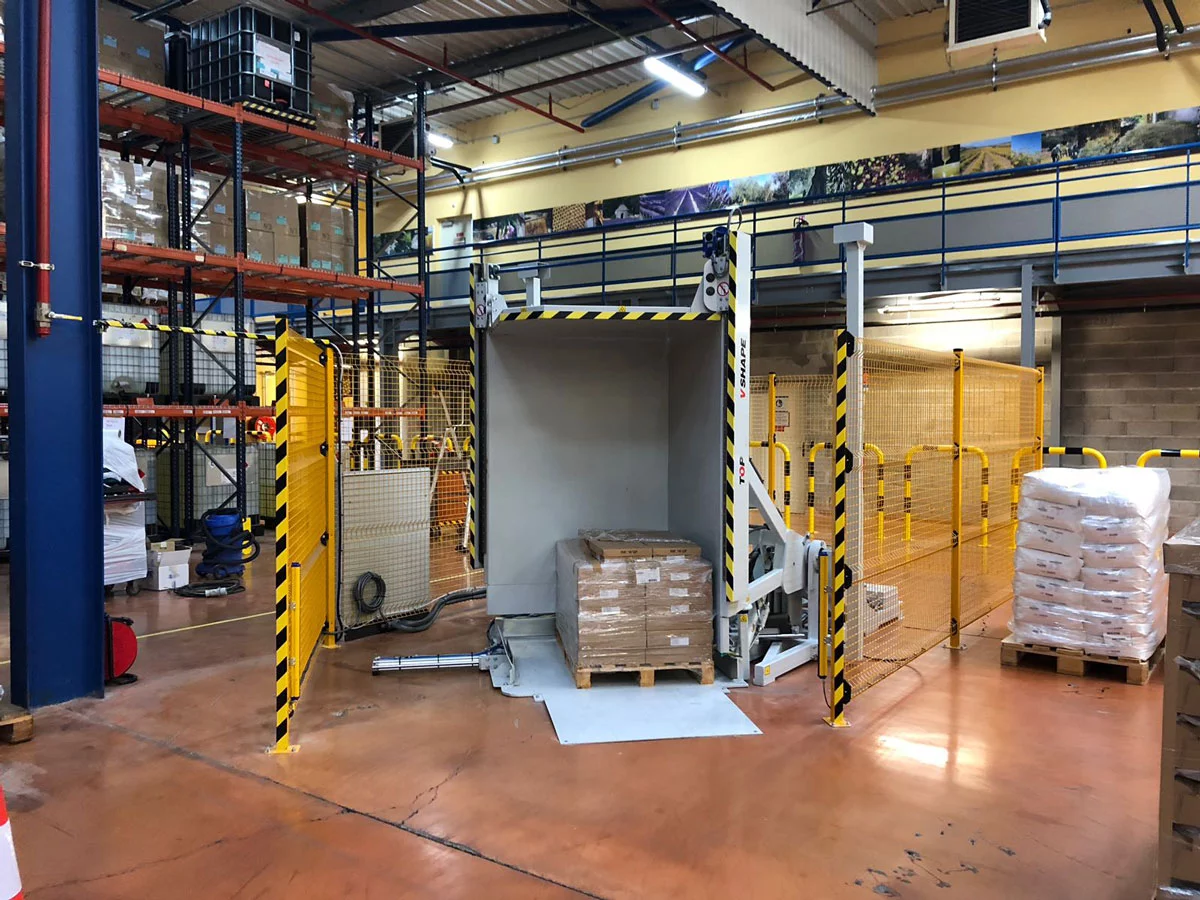
Understanding the Essentials of Pallet Inverters in Cost-Conscious Environments
In today’s competitive industrial landscape, operational efficiency is paramount, especially for businesses operating on tight budgets. Pallet inverters, specialized machines designed to rotate or flip pallet loads, are increasingly recognized as crucial assets for streamlining material handling. These machines are not just for large, high-volume operations; they offer significant benefits for low-cost operations seeking to enhance productivity and safety. Understanding the fundamentals of pallet inverters and how they contribute to efficiency is the first step toward optimization.

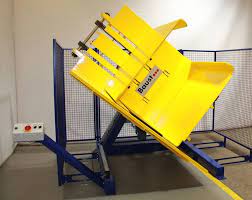
A pallet inverter essentially eliminates the need for manual restacking of goods when dealing with pallet exchange, damaged pallets, or changes in pallet types for shipping or internal use. This simple function translates into substantial time and labor savings, directly impacting the bottom line. For low-cost operations where every penny counts, these savings are not just desirable, they are essential for sustainable growth.
Types of Pallet Inverters Suited for Budget-Friendly Operations
The market offers various types of pallet inverters, each with different levels of automation and capacity, which also translates into different price points. For low-cost operations, selecting the right type is crucial to maximize efficiency without overspending.
-
Semi-Automatic Pallet Inverters: These inverters strike a balance between automation and manual intervention. Typically, an operator loads the pallet, initiates the inversion cycle, and may assist in clamping or securing the load. Semi-automatic models are versatile, accommodating various pallet sizes and load types, making them a cost-effective choice for operations with diverse needs but limited capital. Their flexibility is a significant advantage in environments where pallet standardization may not be fully implemented.
-
Portable Pallet Inverters: Mobility is the key feature of portable pallet inverters. Equipped with wheels or casters, these inverters can be moved to different locations within a facility as needed. This eliminates the need for dedicated inversion areas, saving valuable space and making them ideal for facilities where space optimization is a priority. Portable models are often more affordable than stationary units and are well-suited for businesses with lower inversion volumes or fluctuating needs.
-
Stationary Pallet Inverters: While generally more of an investment, stationary pallet inverters offer robust performance and are designed for continuous, heavy-duty operations. For some low-cost operations with consistent, high-volume inversion requirements, a carefully chosen stationary model can provide long-term efficiency gains that justify the initial cost. It's crucial to assess the operational volume and frequency to determine if a stationary model’s enhanced capacity and speed outweigh the higher upfront investment.
Maximizing Efficiency Gains in Low-Cost Settings: Key Strategies
For low-cost operations, efficiency improvements must be achieved without significant capital expenditure. Optimizing pallet inverter efficiency in such environments requires a focus on smart operational strategies and cost-conscious implementation.

Strategic Equipment Selection: Right-Sizing for Your Needs
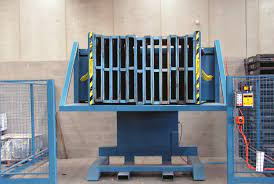
Choosing a pallet inverter with the appropriate capacity and features is paramount. Over-specifying equipment leads to unnecessary costs, while under-specifying can hinder efficiency and create bottlenecks. A thorough assessment of your typical pallet loads – weight, dimensions, and frequency of inversion – is essential.
-
Load Capacity and Size Considerations: Carefully evaluate the maximum weight and dimensions of your palletized goods. Select an inverter that comfortably handles your typical loads, with a slight buffer for occasional heavier or larger pallets. Avoid purchasing an inverter with significantly higher capacity than needed, as this often translates to a higher price tag without a proportional increase in efficiency for your specific operation.
-
Automation Level: Consider the level of automation required. For low-cost operations, semi-automatic or even manual pallet inverters might offer the best balance of cost and efficiency. Fully automatic systems, while offering the highest throughput, come with a higher price and may not be necessary for operations with lower volumes. Evaluate your labor costs and throughput requirements to determine the most cost-effective level of automation.
Operator Training: Empowering Your Workforce for Efficiency
Even the most advanced pallet inverter is only as efficient as the operator using it. Comprehensive and consistent operator training is a cornerstone of maximizing efficiency and ensuring safety, particularly in low-cost operations where resources for error correction may be limited.
-
Standardized Operating Procedures: Develop clear, concise, and easy-to-follow standard operating procedures (SOPs) for pallet inverter operation. These SOPs should cover everything from pre-operation checks to safe loading and unloading techniques, inversion cycles, and post-operation procedures. Standardization minimizes variability and ensures consistent, efficient operation across all shifts and operators.
-
Hands-on Training and Competency Assessment: Classroom instruction is valuable, but hands-on training is critical. Operators should be trained by experienced personnel or certified trainers on the specific model of pallet inverter used in your facility. Competency should be assessed through practical demonstrations to ensure operators can safely and efficiently operate the equipment.
-
Focus on Safety and Efficiency: Training should emphasize both safety protocols and efficient operating techniques. Operators should be trained to recognize potential hazards, understand emergency stop procedures, and operate the inverter in a manner that minimizes cycle time without compromising safety or product integrity. Efficient operation also includes minimizing unnecessary movements and optimizing load placement for quick and smooth inversion cycles.
Workflow Optimization: Integrating Pallet Inverters Seamlessly
Integrating a pallet inverter into your existing workflow requires careful planning to avoid bottlenecks and maximize throughput. In low-cost operations, workflow adjustments should be simple, practical, and avoid major infrastructure changes.
-
Strategic Placement: Position the pallet inverter strategically within your material flow. Consider proximity to receiving docks, storage areas, and shipping zones to minimize travel distances for forklifts and operators. Optimizing placement reduces handling time and fuel costs, contributing to overall efficiency.
-
Clear Pathways and Space Allocation: Ensure clear pathways for material flow around the pallet inverter. Avoid clutter and obstructions that can slow down operations or create safety hazards. Allocate sufficient space for staging pallets before and after inversion to prevent bottlenecks and maintain a smooth flow of materials.
-
Minimize Manual Handling: Design the workflow to minimize manual handling of goods before and after inversion. Utilize forklifts or other material handling equipment to move pallets to and from the inverter whenever possible. Reducing manual lifting and carrying improves efficiency and reduces the risk of worker injuries.
Preventative Maintenance: Ensuring Longevity and Consistent Performance
Regular maintenance is crucial for maximizing the lifespan and efficiency of pallet inverters, especially in low-cost operations where unplanned downtime can be particularly disruptive. A proactive preventative maintenance program is far more cost-effective than reactive repairs.
-
Regular Inspection Schedule: Establish a regular inspection schedule, including daily, weekly, and monthly checks. Daily checks can be performed by operators and should include visual inspections for damage, leaks, and loose components. Weekly and monthly checks should be more in-depth and may be performed by maintenance personnel, focusing on lubrication, hydraulic system checks, and electrical connections.
-
Lubrication and Cleaning: Proper lubrication of moving parts is essential for smooth operation and reduced wear and tear. Regular cleaning prevents the build-up of dust, debris, and contaminants that can affect performance and lifespan. Establish a schedule for lubrication and cleaning based on the manufacturer's recommendations and the operating environment.
-
Prompt Repair and Parts Replacement: Address any identified issues promptly. Small issues, if left unaddressed, can escalate into major problems leading to costly repairs and downtime. Establish a system for reporting and tracking maintenance issues and ensure timely repairs and replacement of worn or damaged parts. Consider keeping a small inventory of critical spare parts on-hand to minimize downtime in case of breakdowns.
Load Optimization for Inverters: Stability and Efficiency in Every Cycle
The way pallets are loaded and configured significantly impacts the efficiency and safety of the inversion process. Optimizing load configuration for pallet inverters ensures stability during inversion and maximizes throughput.
-
Proper Pallet Stacking Techniques: Train operators on proper pallet stacking techniques to ensure stable loads. Interlocking patterns, uniform stacking, and proper weight distribution are crucial. Unstable loads can shift during inversion, leading to product damage, equipment damage, and safety hazards.
-
Secure Load Restraints: Utilize appropriate load restraints, such as stretch wrap, straps, or pallet collars, to secure the load before inversion. Proper load securement prevents shifting and ensures that the load remains intact throughout the inversion cycle. The type of restraint should be appropriate for the type of load being inverted.
-
Avoid Overhang and Uneven Loads: Avoid pallet overhang and unevenly distributed loads. Overhangs can create instability during inversion and increase the risk of tipping. Uneven loads can put undue stress on the inverter mechanism and reduce efficiency. Ensure loads are evenly distributed and within the pallet dimensions.
Cost-Effective Pallet Inverter Solutions for Budget-Conscious Businesses
For low-cost operations, the initial investment in equipment is a major consideration. Exploring cost-effective options like renting, considering used equipment, and focusing on long-term ROI are crucial for making pallet inverters accessible and beneficial.

Renting vs. Buying: Choosing the Right Acquisition Strategy
-
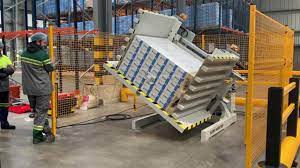
Renting for Short-Term or Sporadic Needs: If your need for a pallet inverter is short-term, seasonal, or sporadic, renting can be a highly cost-effective option. Renting eliminates the upfront capital investment, maintenance costs, and storage concerns when the equipment is not in use. Rental agreements often include maintenance and support, further reducing operational burdens.
-
Buying for Long-Term, High-Volume Operations: For operations with consistent, long-term pallet inversion needs, purchasing a pallet inverter is generally the more economical choice in the long run. While the initial investment is higher, owning the equipment provides greater control, flexibility, and potentially lower long-term costs compared to continuous renting.
-
Lease-to-Own Options: Explore lease-to-own options as a middle ground. These agreements allow you to spread out payments over time while eventually owning the equipment. This can make pallet inverters more accessible for low-cost operations with limited upfront capital.
Exploring Used Pallet Inverter Market: Value and Risk Mitigation
-
Potential Cost Savings: The used equipment market can offer significant cost savings compared to purchasing new pallet inverters. Used equipment can be a viable option for low-cost operations seeking to minimize capital expenditure.
-
Thorough Inspection and Due Diligence: Exercise caution when considering used equipment. Thoroughly inspect the equipment before purchase, checking for wear and tear, damage, and functionality. Request maintenance records and, if possible, have a qualified technician inspect the equipment.
-
Warranty and Support Considerations: Used equipment may not come with a manufacturer's warranty. Inquire about any warranty offered by the seller and consider the availability of spare parts and service support for the specific model. Factor in potential maintenance costs and downtime risks when evaluating used equipment.
Maximizing Return on Investment (ROI): Focusing on Long-Term Value
-
Quantify Efficiency Gains and Cost Savings: Before investing in a pallet inverter, quantify the potential efficiency gains and cost savings. Calculate labor cost reductions, throughput increases, and reductions in product damage and downtime. Compare these savings to the cost of the inverter to estimate the ROI.
-
Consider Long-Term Operational Benefits: Focus on the long-term operational benefits beyond immediate cost savings. Improved safety, reduced worker strain, and enhanced workflow efficiency contribute to a more sustainable and productive operation over time. These long-term benefits should be factored into the ROI calculation.
-
Choose Durable and Reliable Equipment: Invest in a pallet inverter known for its durability and reliability, even if it means a slightly higher upfront cost. Reliable equipment minimizes downtime, reduces maintenance costs, and provides a longer service life, maximizing long-term ROI.
Safety First, Even on a Budget: Prioritizing Worker Well-being
Safety should never be compromised, even in low-cost operations. Implementing robust safety measures for pallet inverter operation is essential to protect workers and prevent accidents. Fortunately, many safety measures are cost-effective and easy to implement.
Cost-Effective Safety Measures: Practical and Affordable Solutions
-
Clear Safety Signage and Markings: Use clear and visible safety signage and floor markings around the pallet inverter operating area. Signage should highlight potential hazards, safety procedures, and emergency stop locations. Floor markings can delineate safe operating zones and pedestrian walkways.
-
Physical Barriers and Safety Guards: Install physical barriers or safety guards to prevent unauthorized access to the pallet inverter operating area and protect workers from moving parts. Simple barriers like safety railings or mesh guards can significantly enhance safety without substantial cost.
-
Emergency Stop Buttons and Procedures: Ensure easily accessible emergency stop buttons are clearly marked and functioning correctly. Train operators and nearby personnel on emergency stop procedures and conduct regular drills to ensure preparedness.
Personal Protective Equipment (PPE): Protecting Your Workforce
-
Mandatory PPE Requirements: Establish mandatory PPE requirements for pallet inverter operators and personnel working in the vicinity. Appropriate PPE may include safety shoes, gloves, and eye protection, depending on the specific operating environment and potential hazards.
-
Regular PPE Inspections and Replacements: Regularly inspect PPE for wear and tear and replace damaged or worn items promptly. Ensure that PPE is readily available and that workers are consistently using it correctly.
-
Promote a Safety-Conscious Culture: Foster a safety-conscious culture within your organization. Encourage workers to report safety concerns, participate in safety training, and actively promote safe work practices. A strong safety culture is the most effective and cost-effective safety measure.
Conclusion: Sustainable Efficiency in Low-Cost Pallet Inverter Operations
Improving pallet inverter efficiency in low-cost operations is not about expensive upgrades or complex automation. It’s about smart choices, strategic implementation, and a commitment to operational excellence. By focusing on right-sizing equipment, investing in comprehensive operator training, optimizing workflows, implementing preventative maintenance, and prioritizing safety, even budget-conscious businesses can unlock significant efficiency gains and achieve a strong return on their pallet inverter investment. The key is to adopt a holistic approach that considers both cost-effectiveness and long-term operational sustainability, ensuring that efficiency improvements contribute to lasting success.