

What Are the Key Considerations for Pallet Inverter Upgrades in Obsolete Systems?
Upgrading pallet inverters in obsolete material handling systems requires careful consideration of safety, efficiency, and integration. Key factors include assessing load requirements, evaluating safety features of modern inverters, and planning for seamless integration to minimize disruption and maximize long-term operational benefits.

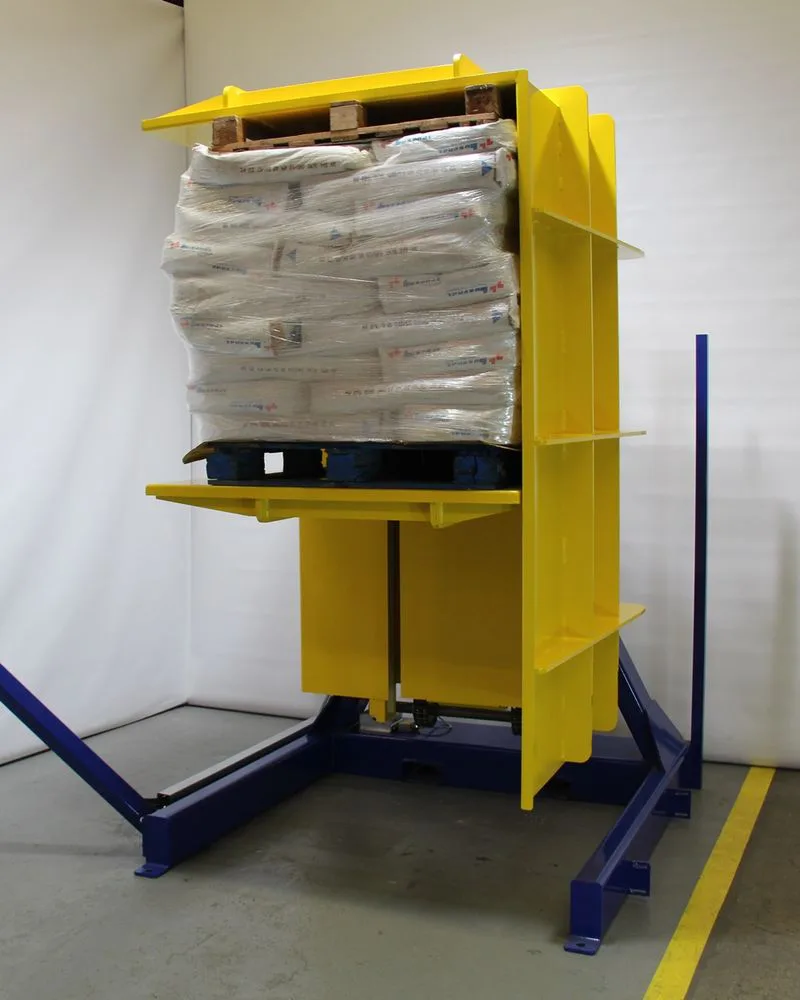
The Imperative of Pallet Inverter Upgrades in Aging Material Handling Systems

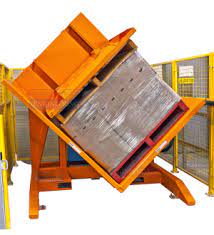
In the fast-paced world of material handling, efficiency and safety are paramount. Pallet inverters stand as critical pieces of equipment, enabling the swift and secure rotation or repositioning of loaded pallets, heavy items, and stacked materials. However, as warehouse systems age, relying on obsolete pallet inverters can introduce significant operational bottlenecks and safety hazards. Upgrading these systems is not merely about replacing old machinery; it's a strategic move to revitalize material flow, enhance workplace safety, and future-proof operations.
For facilities operating with older material handling systems, the decision to upgrade pallet inverters should be driven by a comprehensive understanding of the challenges posed by obsolete equipment and the potential benefits of modern solutions. These benefits extend beyond simple equipment replacement to encompass improved productivity, reduced operational costs, and a safer working environment.
Key Considerations for Pallet Inverter Upgrades

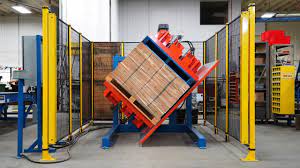
When contemplating a pallet inverter upgrade in an obsolete system, several critical factors come into play. These considerations span from immediate operational needs to long-term strategic goals, ensuring the upgrade is both effective and sustainable.
Enhancing Safety: A Primary Driver for Upgrades
Safety is arguably the most compelling reason to upgrade pallet inverters in older systems. Obsolete equipment often lacks modern safety features, increasing the risk of workplace accidents and product damage.
Employee Training and Operational Safety: Older systems may not incorporate contemporary safety protocols, necessitating a strong emphasis on employee training. Upgrading to a modern pallet inverter allows for the implementation of comprehensive training programs, ensuring operators are well-versed in safe operation, hazard identification, and emergency procedures. Modern inverters often come with enhanced safety features that complement training, creating a safer operational environment.
Regular Maintenance and Hazard Mitigation: Aging inverters require increasingly frequent and intensive maintenance to maintain even basic safety standards. Regular maintenance, including cleaning, inspection, and timely repairs, is crucial to prevent malfunctions and ensure safe operation. However, with obsolete systems, parts become harder to source, and maintenance can become increasingly costly and less reliable. Upgrading to a newer inverter designed for easier maintenance and equipped with modern safety mechanisms is a proactive approach to mitigating potential hazards.
Integrated Safety Equipment: Modern pallet inverters can be integrated with advanced safety equipment such as safety guards, backup power sources, and emergency shut-off switches. These features are often absent in older models, leaving significant safety gaps. Upgrading allows for the incorporation of these critical safety components, minimizing the risk of workplace accidents and ensuring both employee and product protection.
Product and Load Safety: Obsolete inverters may not have the precision and control of modern systems, increasing the risk of product damage during inversion. Modern inverters are designed with features to secure loads properly, accommodate various pallet sizes, and prevent overloading, thereby safeguarding products from damage during handling. Upgrading to a system that prioritizes product safety is essential for minimizing losses and maintaining product integrity.
Boosting Efficiency and Productivity through Modernization
Beyond safety, upgrading pallet inverters offers significant opportunities to enhance efficiency and productivity within material handling operations.
Improved Operational Efficiency: Modern pallet inverters are designed for seamless integration into existing material handling workflows. They offer faster cycle times, more precise control, and greater automation capabilities compared to older systems. This translates directly to improved efficiency in pallet handling processes, saving valuable time and labor. The ability to quickly perform repetitive tasks associated with lifting, moving, and orienting heavy loads significantly boosts overall operational speed.
Reducing Labor Costs and Manual Handling: Obsolete systems often rely on manual operations, which are labor-intensive and prone to errors. Upgrading to automated or semi-automated pallet inverters reduces the need for manual labor, freeing up employees for more value-added tasks. Automation minimizes the physical demands on workers, reducing the risk of strain and injury associated with manual lifting and handling of heavy loads.
Minimizing Product Damage and Waste: Manual handling and less precise operation of older inverters contribute to product damage. Modern inverters, with their controlled movements and secure clamping mechanisms, minimize the risk of product damage during pallet inversion. Reducing product damage directly translates to lower operational costs and reduced waste, contributing to a more sustainable and profitable operation.
Optimizing Warehouse Space Utilization: Efficient pallet handling is intrinsically linked to effective warehouse space utilization. Upgraded pallet inverters, particularly those integrated with automated systems, contribute to a more streamlined and organized material flow. This improved flow can optimize warehouse layout and storage strategies, maximizing the use of available space and potentially deferring costly warehouse expansions.
Strategic Integration and Long-Term Planning
Upgrading pallet inverters is not a standalone decision; it should be part of a broader modernization strategy for the entire material handling system.
Seamless Integration with Existing Systems: When upgrading, careful consideration must be given to how the new pallet inverter will integrate with existing material handling equipment, such as conveyors, forklifts, and automated storage and retrieval systems (AS/RS). Modern inverters are designed with integration in mind, offering compatibility with various control systems and automation protocols. Ensuring seamless integration minimizes disruption during the upgrade process and maximizes the benefits of the new equipment within the overall system.
Scalability and Future Growth: Upgrades should consider the long-term growth plans of the business. Selecting a pallet inverter with sufficient load capacity and throughput capabilities to accommodate future increases in volume is crucial. Modular and scalable inverter solutions offer flexibility to adapt to changing operational demands and ensure the upgrade remains relevant and efficient in the years to come.
Heavy-Duty and Variable Load Handling: Assess the range of load sizes and types that the upgraded inverter will need to handle. If operations involve a variety of load weights and dimensions, choosing an inverter with a larger clamp range to accommodate both large and smaller loads is essential. For heavy-duty applications, selecting an inverter specifically designed for high load capacities is paramount to ensure both performance and longevity.
Customization for Specific Applications: Different industries and applications have unique requirements. Consider the specific needs of your operation, such as handling delicate products, maintaining hygienic standards (e.g., in food and pharmaceuticals), or operating in harsh environments. Modern pallet inverter manufacturers offer customization options to tailor equipment to specific application demands, ensuring optimal performance and compliance.
Cost Analysis and Return on Investment
While the benefits of upgrading are clear, a thorough cost analysis is essential to justify the investment and ensure a positive return.
Initial Investment vs. Long-Term Savings: The initial cost of a pallet inverter upgrade should be weighed against the long-term savings and benefits it will generate. Consider factors such as reduced labor costs, decreased product damage, lower maintenance expenses, improved energy efficiency, and increased throughput. A comprehensive ROI analysis will demonstrate the financial advantages of upgrading beyond the initial capital expenditure.
Maintenance and Operational Costs: Compare the anticipated maintenance and operational costs of a new inverter with the escalating costs associated with maintaining an obsolete system. Newer inverters are generally designed for easier maintenance and have longer lifespans, resulting in lower long-term operational expenses. Energy-efficient models can also significantly reduce utility costs over time.
Avoiding Improper Equipment Use and Damage: Obsolete systems may encourage workarounds or improper equipment use, leading to further damage and safety risks. Upgrading to a modern, user-friendly inverter reduces the temptation for unsafe practices and protects the investment in the equipment itself. Preventing misuse and damage extends the lifespan of the inverter and ensures continued efficient operation.
Modernization Strategies Beyond Simple Replacement
Upgrading a pallet inverter in an obsolete system is often a catalyst for broader modernization efforts within the material handling environment. Consider these strategic approaches:
Phased Upgrades: For larger systems or budget-conscious operations, a phased upgrade approach can be effective. Prioritize the most critical or problematic pallet inverters for immediate replacement, followed by a systematic upgrade of other units over time. This allows for a controlled investment and minimizes disruption to ongoing operations.
Integration with Warehouse Management Systems (WMS): Modern pallet inverters can be integrated with WMS to optimize material flow and inventory management. Real-time data from the inverter can provide valuable insights into pallet handling processes, enabling better tracking, scheduling, and overall warehouse efficiency.
Embracing Automation: Consider incorporating automation into the pallet inverter upgrade. Automated loading and unloading systems, combined with automated inverter cycles, can significantly increase throughput and reduce labor requirements. Automation streamlines the entire pallet handling process, leading to greater efficiency and consistency.
Conclusion: A Strategic Imperative for Operational Excellence
Upgrading pallet inverters in obsolete material handling systems is not just a matter of replacing old equipment. It is a strategic imperative for organizations seeking to enhance safety, improve efficiency, and future-proof their operations. By carefully considering factors such as safety enhancements, productivity gains, integration capabilities, and cost implications, businesses can make informed decisions that yield significant long-term benefits. Investing in modern pallet inverter technology is an investment in a safer, more efficient, and ultimately more competitive material handling operation. As businesses strive for operational excellence in an increasingly demanding marketplace, upgrading obsolete pallet inverters stands as a crucial step towards achieving these goals.