

How to Reduce Pallet Inverter Downtime with Rapid Repair Services?
To minimize pallet inverter downtime and ensure operational continuity, businesses should prioritize regular maintenance and leverage rapid repair services. Addressing issues promptly with expert technicians and readily available spare parts is crucial for maintaining peak performance and avoiding costly disruptions.
In today's fast-paced industrial environment, operational continuity is paramount. For businesses relying on pallet inverters to streamline material handling, downtime can translate directly into lost productivity, missed deadlines, and significant financial repercussions. Ensuring your pallet inverter operates reliably is not merely an operational goal—it’s a strategic imperative. This article delves into effective strategies for minimizing pallet inverter downtime, with a spotlight on the critical role of rapid repair services in maintaining seamless operations.
Understanding the High Cost of Pallet Inverter Downtime
Downtime, in any industrial setting, is more than just an inconvenience; it's a drain on resources and profitability. When a pallet inverter grinds to a halt, the ripple effects can be substantial:
- Production Delays: A stopped inverter halts the flow of goods, backing up production lines and delaying order fulfillment. This directly impacts output and revenue.
- Increased Labor Costs: Idle employees waiting for equipment to be repaired still represent a cost. Overtime may be needed to catch up on production once the inverter is back online.
- Supply Chain Disruptions: Delays in pallet processing can disrupt the entire supply chain, affecting downstream operations and potentially damaging customer relationships.
- Product Damage: In some cases, attempts to manually handle loads when the inverter is down can lead to increased product damage due to improper handling techniques.
- Reputational Harm: Consistent downtime and missed deadlines can erode customer trust and negatively impact a company's reputation in the market.
Minimizing these costly disruptions requires a proactive approach, focusing on both preventive maintenance and efficient response strategies when issues inevitably arise.
The Foundation of Reliability: Regular Pallet Inverter Maintenance
The cornerstone of reducing pallet inverter downtime is a robust preventive maintenance program. Just like any piece of sophisticated machinery, pallet inverters require regular attention to ensure smooth and reliable operation. Neglecting maintenance is a recipe for breakdowns and costly downtime.
Key Maintenance Procedures:
- Regular Lubrication: Pallet inverters have numerous moving parts that experience friction. Consistent lubrication is essential to minimize wear and tear, reduce heat buildup, and ensure smooth mechanical operation. Identify all lubrication points and establish a schedule for applying appropriate lubricants.
- Thorough Cleaning: Industrial environments can be dusty and dirty. Debris accumulation on a pallet inverter can impede its operation, obstruct sensors, and contribute to overheating. Regular cleaning to remove dirt, dust, and debris is crucial. Pay particular attention to critical areas like hydraulic components and electrical panels.
- Detailed Inspections: Routine inspections are vital for identifying potential problems before they escalate into major failures. Inspections should cover:
- Hydraulic System: Check for leaks, hose wear, and proper fluid levels. Hydraulic system failures are a significant cause of downtime.
- Motor and Electrical Components: Inspect wiring for damage, check connections for tightness, and listen for unusual motor noises. Motor and electrical issues can bring operations to a complete standstill.
- Structural Integrity: Examine welds, frames, and moving arms for signs of stress, cracks, or damage.
- Safety Features: Verify the functionality of safety interlocks, emergency stops, and guarding.
- Clamping Mechanisms: Ensure clamps are operating correctly and securely holding loads.

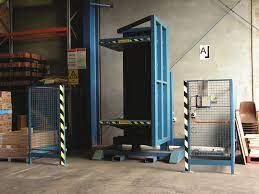
By diligently performing these maintenance tasks, businesses can significantly reduce the likelihood of unexpected breakdowns and extend the lifespan of their pallet inverters.
Common Culprits of Pallet Inverter Downtime
Even with diligent maintenance, pallet inverters can experience issues. Understanding common problems allows for more targeted troubleshooting and faster repairs. Based on industry experience, some frequent causes of downtime include:
- Hydraulic System Failures: The hydraulic system is the powerhouse of most pallet inverters. Leaks, pump failures, valve malfunctions, or hose ruptures can all lead to operational disruptions.
- Motor Failures: The electric motor drives the inverter's movements. Motor burnout, winding failures, or bearing issues will halt operation.
- Electrical Problems: Wiring faults, control system malfunctions, sensor failures, or issues with power supply can all disrupt the inverter's functionality.
- Mechanical Wear and Tear: Over time, moving parts will experience wear. Bushings, bearings, rollers, and other components may need replacement.
- Lack of Lubrication: As mentioned earlier, insufficient lubrication accelerates wear and tear and can lead to component seizures.
- Contamination: Dirt, debris, and other contaminants can damage hydraulic systems, electrical components, and mechanical parts.

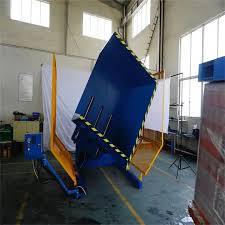
Rapid Repair Services: Minimizing Downtime When Issues Strike
Despite best efforts in preventive maintenance, breakdowns can still occur. This is where rapid repair services become indispensable. The speed and efficiency of repair directly impact the duration of downtime. Waiting days or weeks for repairs is simply not acceptable in today's demanding industrial landscape.
Key Features of Effective Rapid Repair Services:
- On-Site Repair Capabilities: The ability to perform repairs directly at the customer's facility is critical for speed. Minimizing the need to ship equipment off-site saves valuable time and reduces logistical complexities.
- Expert Technicians: Rapid repair requires highly skilled technicians with specific expertise in pallet inverter systems. They must be able to quickly diagnose problems, identify root causes, and execute effective repairs. Experience and specialized training are essential.
- Prompt Response Times: When downtime occurs, every minute counts. Rapid repair services should offer fast response times, with technicians dispatched quickly to assess and address the issue.
- Ready Availability of Spare Parts: Delays in obtaining replacement parts are a major contributor to extended downtime. A rapid repair service should maintain a stock of common spare parts or have efficient supply chains to procure parts quickly.
- Comprehensive Diagnostic Tools: Technicians need access to the right diagnostic equipment to accurately and swiftly pinpoint the source of the problem. Modern diagnostic tools can significantly reduce troubleshooting time.
- Remote Support Options: In some cases, initial troubleshooting or guidance can be provided remotely, potentially resolving minor issues quickly or preparing for on-site repair more efficiently.

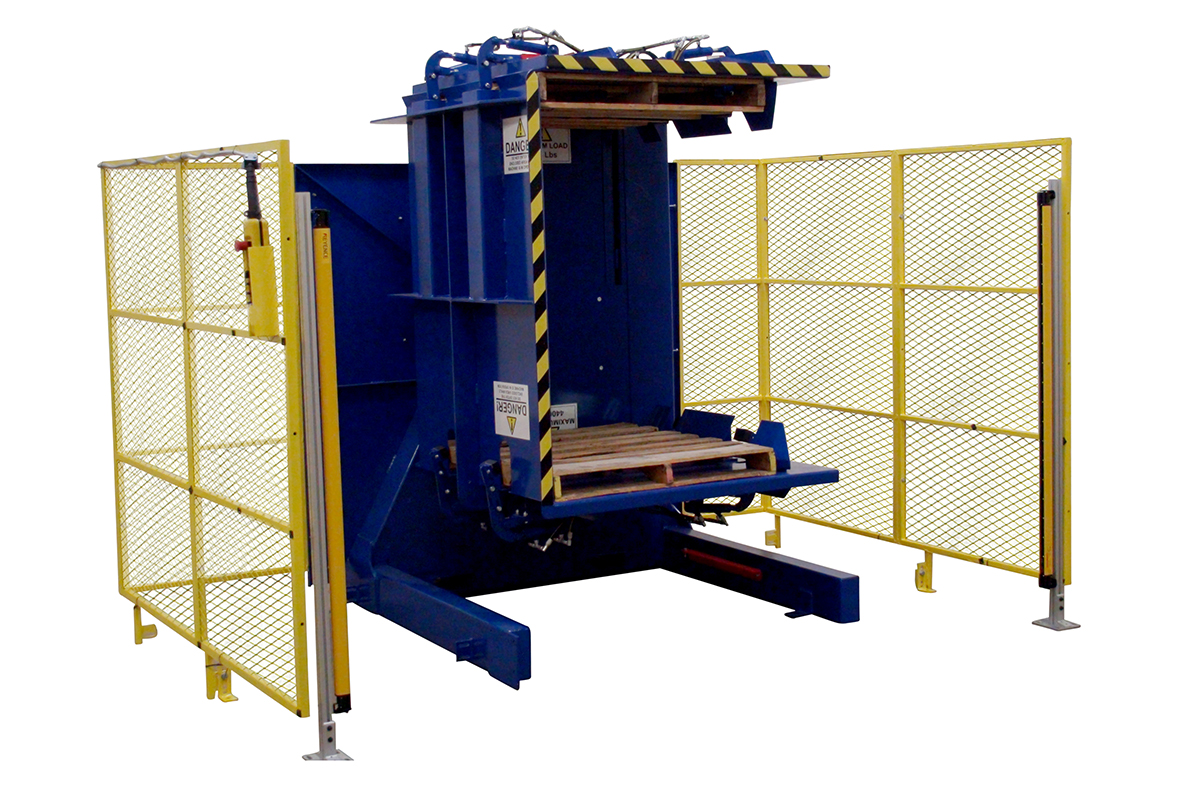
By leveraging rapid repair services, businesses can drastically reduce the duration of pallet inverter downtime, getting their operations back up and running with minimal delay.
Benefits of Prioritizing Rapid Repair Services
Investing in and utilizing rapid repair services offers a multitude of benefits that directly contribute to operational continuity and cost savings:
- Significantly Reduced Downtime: The most obvious benefit is the dramatic reduction in downtime. Fast diagnosis and repair mean production is interrupted for a much shorter period.
- Operational Continuity Maintained: Minimizing downtime ensures smoother operational flow, preventing major disruptions to production schedules and supply chains.
- Minimized Financial Losses: Shorter downtime translates directly into reduced financial losses associated with lost production, labor costs, and potential product damage.
- Faster Return to Productivity: Getting the pallet inverter back online quickly allows businesses to resume normal productivity levels sooner, maximizing output and revenue generation.
- Increased Equipment Reliability (Indirectly): While rapid repair addresses immediate issues, it also contributes to overall equipment reliability. Prompt repairs prevent minor problems from escalating into more significant and potentially recurring failures.
- Peace of Mind: Knowing that rapid repair services are readily available provides peace of mind and allows businesses to focus on their core operations without constant worry about prolonged equipment failures.

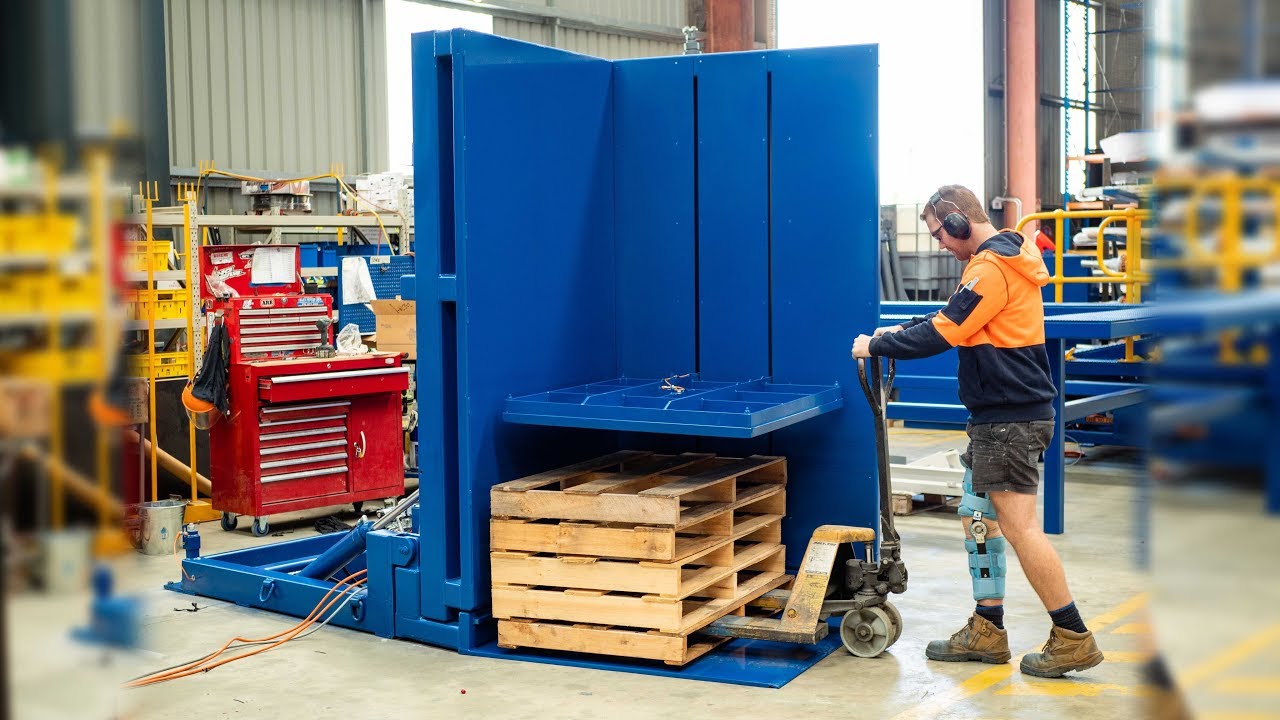
Choosing a Pallet Inverter Partner with Strong Service Capabilities
When selecting a pallet inverter provider, it's crucial to look beyond just the initial equipment purchase. The quality of after-sales service, particularly repair services, is a critical long-term consideration. Evaluate potential providers based on:
- Service and Support Offerings: Inquire about the provider's service packages, repair capabilities, response times, and availability of spare parts.
- Technician Expertise: Assess the qualifications and experience of their service technicians. Are they factory-trained and specialized in pallet inverter repair?
- Customer Testimonials and References: Seek feedback from other customers regarding their experiences with the provider's repair services.
- Geographic Coverage: Ensure the provider offers service coverage in your operating region and can respond promptly to on-site repair requests.
- Remote Support Options: Inquire about remote diagnostic and troubleshooting capabilities.
By choosing a pallet inverter provider that prioritizes robust and rapid repair services, businesses are making a strategic investment in operational resilience and long-term productivity.
Proactive Measures Beyond Repair: Reinforcing Downtime Reduction
While rapid repair services are crucial for addressing breakdowns, the ultimate goal is to minimize the occurrence of downtime in the first place. Reinforce your downtime reduction strategy with these proactive measures:
- Invest in High-Quality Equipment: Choosing reliable, well-engineered pallet inverters from reputable manufacturers is the first step in minimizing downtime. Higher-quality components and robust construction contribute to greater longevity and fewer breakdowns.
- Implement a Comprehensive Training Program: Proper operator training is essential. Well-trained operators are less likely to misuse or abuse the equipment, reducing the risk of damage and downtime. Training should cover proper operation, basic maintenance checks, and troubleshooting procedures.
- Regular Performance Monitoring: Track key performance indicators (KPIs) related to pallet inverter operation, such as cycle times, error rates, and maintenance intervals. Monitoring performance can help identify trends and potential issues early on.
- Maintain Detailed Maintenance Records: Keep accurate records of all maintenance activities, inspections, and repairs. This documentation helps track equipment history, identify recurring problems, and optimize maintenance schedules.
- Establish a Clear Communication Protocol: Ensure that operators and maintenance personnel have a clear communication protocol for reporting issues and requesting service. Streamlined communication ensures faster response times.
Conclusion: Uptime is the Ultimate Goal
Pallet inverters are vital assets for efficient material handling, but their value is diminished by downtime. To truly maximize the benefits of these systems, businesses must adopt a holistic approach to downtime reduction. This includes a strong foundation of preventive maintenance, a proactive approach to operator training, and, crucially, access to rapid and reliable repair services.
By prioritizing these strategies and partnering with a service-oriented pallet inverter provider, companies can significantly minimize downtime, ensure operational continuity, and safeguard their productivity and profitability in today's demanding industrial landscape. Investing in rapid repair services is not just an expense; it's a strategic investment in uptime, efficiency, and long-term success.