

What Are the Innovations in Pallet Inverter Technology?
Pallet inverter technology is revolutionizing material handling across industries. Innovations include advanced automation for faster operations, pallet sliding technology for seamless exchange, and dual pallet dispensers for continuous workflow. These advancements dramatically enhance efficiency, reduce manual labor, and improve safety in warehouses and production facilities. Discover how these innovations are transforming pallet management and boosting productivity.
The Evolution of Pallet Inverter Technology: From Manual Handling to Automation
In the realm of logistics and warehousing, the efficient handling of materials is paramount. For decades, manual labor was the backbone of pallet management, a physically demanding and time-consuming process. The journey towards advanced material handling began with simple tools and equipment, like carts and forklifts, representing the initial steps in streamlining operations. However, the need for more sophisticated solutions, especially for tasks like pallet exchange and load transfer, became increasingly apparent as businesses sought to optimize efficiency and reduce operational costs.
The introduction of the pallet inverter marked a significant leap forward. Early pallet inverters were primarily manually operated, offering a safer and somewhat faster alternative to completely manual pallet handling. These machines allowed for the rotation of pallets, making it easier to transfer loads between different pallet types or to remove damaged pallets. While a substantial improvement over manual methods, these early inverters still required significant operator involvement and were limited in their speed and throughput.
The real game-changer in pallet inverter technology has been the integration of automation. This evolution has led to the development of sophisticated machines capable of performing pallet exchange operations with minimal human intervention. Modern pallet inverters now incorporate features like automated pallet dispensers, programmable logic controllers (PLCs), and advanced sensor technology, drastically increasing speed, efficiency, and safety. This shift towards automation represents a major innovation, transforming pallet inverters from simple mechanical devices into integral components of advanced material handling systems. The focus has moved from merely assisting manual labor to creating autonomous systems that can handle high volumes of pallets with speed and precision, fundamentally changing how industries approach pallet management.
Key Innovations Driving Pallet Inverter Advancement
The pallet inverter industry has witnessed remarkable advancements in recent years, driven by the need for greater efficiency, reduced labor costs, and enhanced safety in material handling. Several key innovations are at the forefront of this technological evolution, transforming pallet inverters into indispensable assets in modern logistics and manufacturing environments.

The Rise of Automation: "The Game Changer"
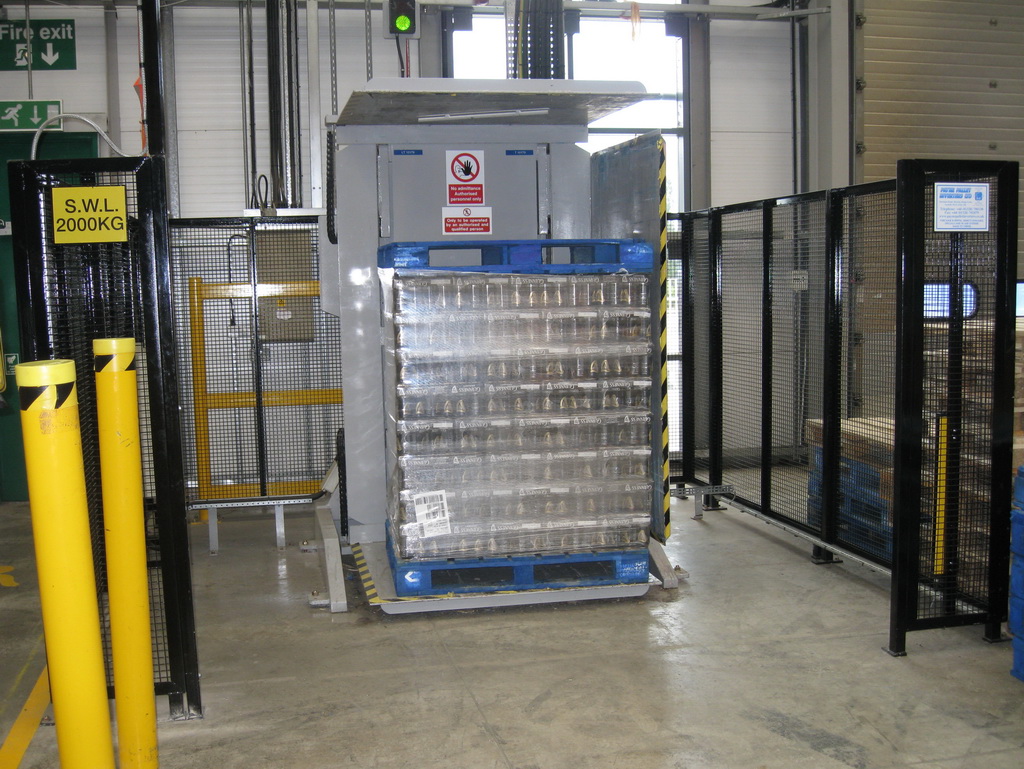
One of the most significant innovations is the increasing level of automation in pallet inverter systems. Machines like "The Game Changer" represent a paradigm shift, moving beyond traditional pallet inverters to redefine speed and operational autonomy. This advanced stationary pallet inverter is designed with Automatic Pallet System (APS) technology and incorporates dual pallet magazines, enabling a significantly faster pallet exchange process. Unlike earlier models, "The Game Changer" eliminates the need for manual unloading of exchanged pallets and allows for simultaneous loading of destination pallets.

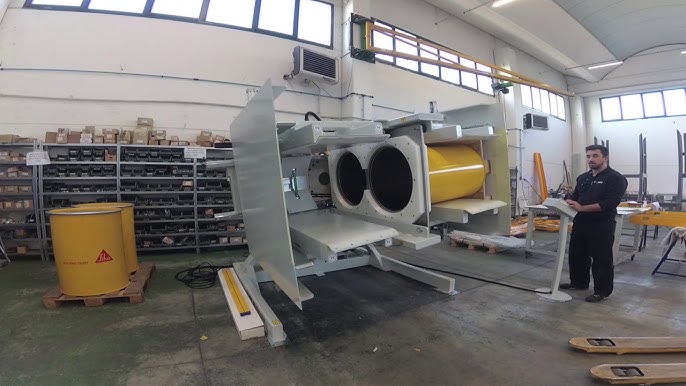
The core of this innovation lies in its APS technology, patented by Toppy. This system allows the original pallet to shift sideways during the 180° rotation, while the destination pallet seamlessly slides underneath the load. This intricate mechanism ensures a smooth and rapid pallet exchange, minimizing downtime and maximizing throughput. Operators simply load the product and destination pallet into the machine and initiate the automatic sequence, freeing them from manual handling tasks and allowing the machine to autonomously execute the pallet exchange operation.
"The Game Changer" is available in both manual and automatic versions, offering flexibility to businesses with varying levels of automation requirements. In manual mode, operators control key functions like platform opening/closing and machine rotation, providing a degree of operator involvement. However, the automatic mode unlocks the full potential of the machine, automating the entire pallet exchange process from start to finish. This adaptability makes automated pallet inverters a viable solution for businesses looking to gradually transition towards full automation or those requiring customized levels of control.
Pallet Sliding Technology (APS): Enhancing Smooth Transitions
At the heart of many advanced pallet inverters, including "The Game Changer," is Pallet Sliding Technology (APS). This patented system, developed by Toppy, is a crucial innovation that enhances the efficiency and smoothness of the pallet exchange process. APS is specifically designed to manage the transition between pallets during the inversion cycle in a controlled and seamless manner.
Traditional pallet inverters often rely on simpler mechanisms that can sometimes cause slight shifts or jolts during rotation, potentially risking product stability. APS technology addresses this by introducing a controlled sideways movement of the original pallet as the machine rotates to 180°. Simultaneously, the destination pallet is precisely guided to slide underneath the load. This synchronized and delicate maneuver ensures that the load remains stable and secure throughout the entire exchange process, minimizing the risk of product damage, especially for fragile or sensitive goods.
The precision of APS technology is particularly beneficial when handling stacked or layered products that could be easily disrupted by sudden movements. By ensuring a smooth and horizontal transfer onto the new pallet, APS contributes significantly to product preservation and operational efficiency. This innovation is a key differentiator in modern pallet inverters, offering a more refined and reliable solution for industries demanding the highest levels of product care and operational speed.
Dual Pallet Dispensers: Ensuring Continuous Workflow
Another significant innovation in pallet inverter technology is the integration of dual pallet dispensers. These dispensers, featured in machines like "The Game Changer," play a vital role in streamlining the pallet exchange process and minimizing downtime. Traditional pallet inverters often require operators to manually load and unload pallets, which can be time-consuming and interrupt the workflow. Dual pallet dispensers overcome this limitation by automating the pallet supply and removal process.
With two pallet magazines, these systems can hold both original and destination pallets simultaneously. As one pallet is being exchanged, the next destination pallet is already in position, ready for the subsequent cycle. This continuous flow eliminates delays associated with manual pallet handling, allowing for a much faster and more efficient operation. After the pallet exchange is complete, the used original pallet is automatically moved to a separate magazine, ready for removal without interrupting the ongoing process.
The implementation of dual pallet dispensers significantly boosts the throughput of pallet inverter systems. By ensuring a constant supply of pallets and automating the removal of used ones, these dispensers contribute to achieving higher pallet exchange rates, often reaching 40-50 pallets per hour or even more in advanced models. This innovation is particularly valuable in high-volume operations, such as large distribution centers or fast-paced manufacturing lines, where minimizing cycle times and maximizing continuous operation are critical for overall productivity.
Customization and Flexibility: Tailoring Solutions to Specific Needs
Modern pallet inverter technology is also characterized by a high degree of customization and flexibility, enabling businesses to tailor solutions to their specific operational requirements. Manufacturers recognize that industries have diverse needs based on product types, pallet sizes, throughput demands, and levels of automation integration. Therefore, many pallet inverter systems are designed to be adaptable and configurable.

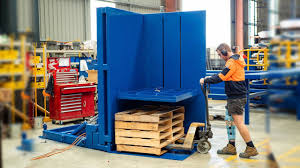
Customization options can range from manual to fully automatic modes, as seen in "The Game Changer," allowing businesses to choose the level of automation that best suits their current infrastructure and operational goals. For businesses seeking a phased approach to automation, manual or semi-automatic versions provide a stepping stone, while fully automatic systems cater to those requiring maximum efficiency and minimal operator involvement.
Furthermore, pallet inverters can be customized to handle various pallet sizes and load capacities. Manufacturers offer models designed for standard pallet dimensions as well as those capable of accommodating oversized or unusually shaped loads. Load capacities can range from lighter loads to heavy-duty applications, ensuring that there is a suitable inverter for virtually any industrial need. Customization also extends to integration with existing production lines or warehouse management systems. Advanced pallet inverters can be designed to seamlessly interface with conveyor systems, robotic arms, and other automated equipment, creating a cohesive and highly efficient material handling ecosystem. This flexibility ensures that businesses can optimize their investment in pallet inverter technology, achieving maximum return by aligning the solution precisely with their unique operational context.
Mobile vs. Stationary Pallet Inverters: Adapting to Different Environments
Pallet inverter technology offers versatility not only in automation levels but also in machine types, primarily categorized as mobile and stationary inverters. This distinction allows businesses to choose the type of inverter that best fits their facility layout, operational flow, and specific application needs.

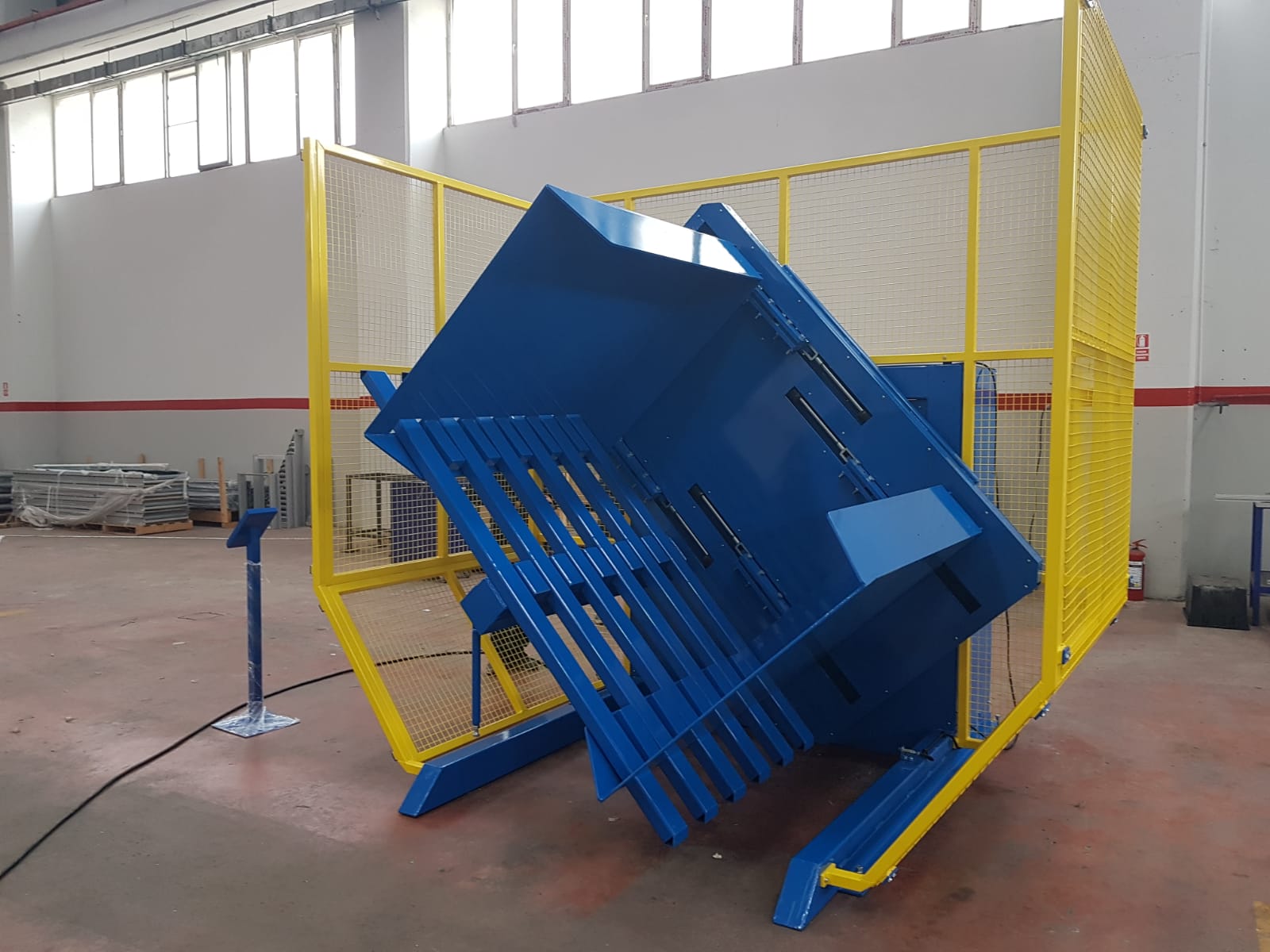
Stationary Pallet Inverters, like "The Game Changer," are designed for fixed locations within a facility. These machines are typically robust and built to handle high volumes and heavier loads. Stationary inverters are often integrated into production lines or dedicated pallet exchange areas where a consistent and high-throughput operation is required. They can be equipped with advanced features such as automatic pallet dispensers, clamping devices for load stabilization, and sophisticated control systems for seamless integration with other automated systems. Stationary inverters are ideal for large warehouses, manufacturing plants, and distribution centers where pallet exchange is a central and continuous part of the material handling process.
Mobile Pallet Inverters, on the other hand, are designed for flexibility and portability. Equipped with wheels or casters, these inverters can be easily moved around a warehouse or distribution center as needed. Mobile inverters are often more compact and user-friendly, operated by a single person. They are particularly advantageous in environments where space is limited or where pallet loads need to be processed at various locations within the facility. Mobile pallet inverters are well-suited for smaller warehouses, retail stores, or facilities with fluctuating operational layouts. They offer a cost-effective and adaptable solution for businesses that require pallet inversion capabilities but do not need the high throughput or fixed location operation of a stationary system. The choice between mobile and stationary inverters depends on a business's specific operational scale, facility layout, and the desired level of flexibility in their pallet handling processes.
Benefits of Embracing Pallet Inverter Technology
The innovations in pallet inverter technology translate directly into tangible benefits for businesses across various industries. Adopting these advanced material handling solutions offers a compelling return on investment through enhanced efficiency, reduced costs, and improved operational safety.
Amplified Efficiency and Throughput
One of the most significant advantages of modern pallet inverters is the dramatic increase in efficiency and throughput they provide. Automated systems like "The Game Changer," capable of processing up to 40-55 pallets per hour, represent a substantial leap in speed compared to manual or semi-manual pallet handling methods. This increased speed translates to faster processing times, quicker turnaround of goods, and higher overall productivity in warehouses and production facilities. By automating the pallet exchange process, businesses can significantly reduce bottlenecks and streamline their material flow, leading to optimized operational efficiency.
Reduced Labor Costs and Physical Strain
Pallet inverters significantly reduce the reliance on manual labor for pallet handling tasks. Automation minimizes the need for operators to physically lift, rotate, or restack pallets, leading to substantial labor cost savings. Moreover, reducing manual handling directly alleviates physical strain on workers, minimizing the risk of workplace injuries associated with heavy lifting and repetitive motions. This not only improves employee well-being and job satisfaction but also reduces costs related to worker compensation and lost productivity due to injuries. The ergonomic benefits of pallet inverters contribute to a safer and more sustainable work environment.
Enhanced Workplace Safety
Safety is a paramount concern in any industrial setting, and pallet inverters play a crucial role in enhancing workplace safety related to material handling. By automating pallet rotation and exchange, these machines minimize the risk of accidents associated with manual handling of heavy and unstable pallet loads. Incorrect manual lifting or maneuvering of pallets can lead to serious injuries, product damage, and workplace disruptions. Pallet inverters provide a controlled and stable environment for pallet handling, significantly reducing the potential for accidents and creating a safer working environment for employees.
Minimized Product Damage
The gentle and controlled operation of modern pallet inverters, especially those incorporating APS technology, minimizes the risk of product damage during pallet exchange. Unlike manual methods that can be prone to jolts and mishandling, automated inverters ensure a smooth and stable transfer of goods. This is particularly crucial for fragile, sensitive, or high-value products where damage can lead to significant financial losses and customer dissatisfaction. By preserving product integrity throughout the pallet handling process, pallet inverters contribute to reduced waste, improved product quality, and enhanced customer satisfaction.
Optimized Space Utilization
Pallet inverters contribute to better space utilization within warehouses and storage facilities. The ability to efficiently invert and restack pallets allows for tighter storage configurations and optimized vertical stacking. By maximizing the use of available space, businesses can increase their storage capacity without expanding their facility footprint. This is particularly valuable in environments where space is at a premium or where businesses are looking to optimize their existing warehouse space for greater efficiency.
Tangible Cost Savings and ROI
Investing in pallet inverter technology translates to significant long-term cost savings and a strong return on investment (ROI). While the initial investment in equipment is a factor, the operational efficiencies, labor savings, reduced product damage, and improved safety contribute to a rapid payback period. The immediate ergonomic benefits, reduced injury rates, and increased throughput all contribute to a quick and measurable ROI. Furthermore, the long lifespan and reliability of modern pallet inverters ensure sustained benefits and cost savings over time, making them a sound investment for businesses seeking to optimize their material handling operations and enhance their bottom line.
Industrial Applications Across Diverse Sectors
The versatility and efficiency of pallet inverter technology have made it an invaluable asset across a wide spectrum of industries. From manufacturing and warehousing to food and pharmaceuticals, pallet inverters are streamlining operations and addressing specific material handling challenges in diverse sectors.
Warehousing and Distribution Centers
In the fast-paced environments of warehousing and distribution centers, efficient movement of goods is critical. Pallet inverters play a central role in streamlining these operations by facilitating rapid rearrangement of palletized products for optimized storage and simplified order fulfillment. They enable quick transfer of goods between different pallet types for various storage or shipping requirements, enhancing the overall efficiency of warehouse workflows and accelerating order processing times.
Manufacturing Facilities
Manufacturing facilities rely on the seamless flow of raw materials and finished products along assembly lines and throughout production processes. Pallet inverters are instrumental in ensuring this smooth flow by enabling efficient and quick transfer of materials between pallets. They facilitate the handling of both raw materials entering the production process and finished goods ready for distribution, contributing to streamlined manufacturing workflows and reduced production cycle times.
Food and Beverage Industry
The food and beverage industry often deals with delicate products, including glass containers, perishable goods, and items requiring strict hygiene standards. Pallet inverters are particularly beneficial in this sector due to their gentle handling capabilities and contribution to maintaining product integrity. The controlled rotation of pallet inverters ensures that delicate items remain intact during transfer, minimizing damage and waste. Furthermore, the ability to easily exchange pallets facilitates compliance with stringent hygiene regulations, especially when transitioning between wooden and hygienic plastic pallets.
Pharmaceuticals and Healthcare
The pharmaceutical and healthcare industries demand the highest levels of precision and care in handling sensitive medical products. Pallet inverters are crucial in this sector for ensuring the safe and careful handling of pharmaceuticals, medical devices, and other healthcare goods. The precision and controlled operation of pallet inverters maintain the integrity of these sensitive products throughout the material handling process, which is essential for regulatory compliance and patient safety. The ability to easily switch to hygienic pallets is also vital in maintaining the sterile environments required in pharmaceutical and healthcare settings.
Conclusion: Embracing Innovation for Future-Proof Material Handling
As industries continuously strive for greater efficiency, sustainability, and operational excellence, pallet inverter technology stands out as a pivotal innovation in material handling. The advancements in automation, pallet sliding systems, and customized solutions are transforming how businesses manage pallets, offering significant improvements in speed, safety, and cost-effectiveness.
Embracing pallet inverter technology is not just about adopting new equipment; it's about investing in a future-proof material handling strategy. As businesses navigate increasing demands for faster throughput, reduced operational costs, and enhanced workplace safety, pallet inverters provide a robust and adaptable solution. By streamlining pallet management, minimizing manual labor, and optimizing space utilization, these innovative machines empower businesses to achieve higher levels of productivity, improve their bottom line, and create more efficient and sustainable operations. The ongoing evolution of pallet inverter technology promises even greater advancements in the years to come, solidifying its position as a cornerstone of modern material handling and a key enabler of industrial innovation.