

How to Train Staff to Operate Pallet Inverters Safely?
Operating a pallet inverter might seem straightforward, but ensuring staff are properly trained is paramount for workplace safety and efficiency. Pallet inverters are powerful tools that handle heavy loads, and comprehensive training is essential to prevent accidents, protect employees, and maintain smooth warehouse operations. This article delves into the crucial aspects of pallet inverter safety training, drawing from industry best practices to help you create a robust program for your team.
The Indispensable Role of Pallet Inverter Training
Pallet inverters are invaluable in modern warehouses and manufacturing facilities. They streamline material handling across diverse sectors like automotive, food and beverage, retail, and manufacturing by efficiently transferring loads between pallets, replacing damaged pallets, or changing pallet types for various logistical needs. These machines significantly reduce manual labor, speeding up processes that would otherwise be time-consuming and physically demanding.
However, the very power and efficiency of pallet inverters introduce potential hazards if not handled correctly. These machines can manage loads weighing up to 1,500 kg and reaching heights of 2 meters. Accidents involving such heavy machinery can lead to severe injuries or even fatalities. Therefore, proper training isn't just a best practice; it's a necessity for safeguarding your workforce and ensuring operational continuity.
This article will guide you through the essential components of a comprehensive pallet inverter safety training program, covering everything from operator certification and PPE to maintenance protocols and fostering a safety-conscious workplace culture. By investing in thorough training, you can unlock the full potential of pallet inverters while prioritizing the well-being of your employees.
Core Components of Effective Pallet Inverter Operator Training


To cultivate a safe operating environment around pallet inverters, your training program must be multifaceted, covering both the practical skills of operation and the critical safety protocols. Here are the fundamental elements to incorporate:
1. Formal Operator Certification: The Foundation of Competence
Never assume that a machine's apparent simplicity equates to ease of use or inherent safety for untrained personnel. Just as with forklifts or other heavy machinery, pallet inverter operation demands formal training and certification. Every employee designated to operate a pallet inverter should undergo a structured training program and receive documented certification upon successful completion. This certification should not be a one-time event but should be renewed periodically to ensure ongoing competency and to refresh knowledge of safety procedures.
This formal training should cover:
- Machine Operation Fundamentals: A detailed walkthrough of the pallet inverter's components, controls, and operational mechanisms. Operators need to understand how the machine functions, including clamping mechanisms, tilting processes, and control panel functions.
- Safe Operating Procedures: Step-by-step instructions on how to safely operate the pallet inverter under various conditions, including loading and unloading procedures, pallet changing protocols, and handling different types of loads.
- Emergency Procedures: Training on how to respond in emergency situations, such as equipment malfunctions, load instability, or power outages. This includes knowing the location and operation of emergency shut-off switches and understanding evacuation protocols.
- Pre-Operational Checks: Operators must be trained to conduct thorough pre-shift inspections of the pallet inverter, identifying any signs of wear, damage, or malfunction before operation begins. This includes checking for loose bolts, rust, hydraulic leaks, and ensuring safety devices are functional.
2. Mandatory Personal Protective Equipment (PPE): Your First Line of Defense
Even with rigorous training and adherence to safety protocols, the risk of accidents cannot be entirely eliminated when working with heavy machinery. Therefore, mandatory use of appropriate Personal Protective Equipment (PPE) is a non-negotiable aspect of pallet inverter safety.
Hard Helmets are Essential: The most critical piece of PPE for pallet inverter operators is a hard helmet. This is not optional and should be strictly enforced at all times when operating or working near the machine. Despite load securing systems, there's always a potential risk of items falling from a palletized stack, especially during tilting or rotation. A hard helmet provides crucial protection against head injuries in such events.
Beyond hard helmets, consider other relevant PPE based on your specific workplace hazards assessment, such as:
- Safety Shoes: Steel-toed safety shoes protect feet from crushing injuries if heavy objects fall or if feet are caught under the machine's base.
- High-Visibility Clothing: Especially in busy warehouse environments, high-visibility vests or jackets ensure operators are easily seen by forklift drivers and other personnel, minimizing the risk of collisions.
- Gloves: Appropriate work gloves can protect hands from abrasions, cuts, and impacts during pallet handling and machine operation.
3. Enforcing a Dedicated Clearance Area: Establishing Safe Zones
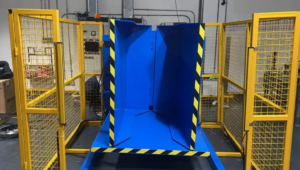
Pallet inverters have a defined range of motion, and maintaining a clear, unobstructed area around the machine during operation is crucial to prevent accidents. Training must emphasize the importance of establishing and respecting this clearance zone.

Clearly Demarcated Perimeters: Use high-visibility, durable floor paint to clearly mark the safety perimeter around each pallet inverter. This visual demarcation should extend beyond the machine's operational range to account for any potential overshoot or unexpected movements. Additionally, consider using physical barriers like safety cones or railings to further reinforce the clearance area, especially in high-traffic zones.
Visible Warning Signage: Supplement floor markings with prominent warning signs that clearly indicate the danger zone and prohibit unauthorized personnel from entering during operation. These signs should be easily visible from all angles and use universally understood safety symbols and clear, concise language.
Strict Enforcement and Monitoring: Training should not only inform employees about the clearance area but also emphasize the strict enforcement of this rule. Supervisors and safety personnel must actively monitor the pallet inverter operating area to ensure no one enters the danger zone while the machine is in use. Regular safety audits should include checks for proper clearance area maintenance and adherence.
4. Regular Maintenance and Inspection Protocols: Ensuring Machine Reliability
A well-maintained pallet inverter is a safer pallet inverter. Equipment malfunctions due to neglect or inadequate maintenance can lead to unpredictable machine behavior and increased accident risks. Training must incorporate comprehensive maintenance and inspection procedures for operators and designated maintenance staff.
Operator-Level Daily Checks: Operators should be trained to perform a daily visual inspection of the pallet inverter before each shift. This pre-use check should include:
- Visual Inspection: Checking for any signs of damage, wear, rust, or loose components.
- Hydraulic System Check: Looking for any leaks in hydraulic lines or cylinders.
- Control Panel and Functionality Test: Verifying that all controls are functioning correctly, including emergency stops, clamps, and tilting mechanisms.
- Safety Device Verification: Ensuring that safety guards, sensors, and alarms are in place and operational.
Scheduled Professional Maintenance: Beyond daily checks, a schedule for regular professional maintenance by qualified technicians is essential. This should include:
- Preventative Maintenance: Following manufacturer-recommended maintenance schedules, including lubrication, filter replacements, and component inspections.
- Load Testing: Periodically testing the pallet inverter's load capacity to ensure it meets safety standards.
- Thorough Inspections: More in-depth inspections for wear and tear, structural integrity, and component fatigue.
- Record Keeping: Maintaining detailed records of all maintenance activities, inspections, and repairs.
Operators should be trained to immediately report any observed issues or malfunctions to supervisors and understand the protocol for taking a potentially faulty machine out of service until it is properly repaired and certified safe for operation.
5. Cultivating a Safety-First Culture: Embedding Proactive Safety Practices
Safety training is most effective when it's part of a broader workplace culture that prioritizes safety at all levels. Beyond the specific skills and procedures related to pallet inverter operation, training should instill a general safety consciousness in all employees.

Open Communication and Reporting: Encourage open communication about safety concerns. Employees should feel comfortable reporting potential hazards, near misses, or any equipment issues without fear of reprisal. Establish clear channels for reporting safety concerns and ensure prompt investigation and corrective action.
Regular Safety Refresher Courses: Safety knowledge can fade over time, and workplace conditions and equipment may evolve. Regular refresher training courses, at least annually, are vital to reinforce safety procedures, update employees on any changes, and maintain a high level of safety awareness. These refreshers can also incorporate lessons learned from any incidents or near misses.
Promote Employee Involvement: Engage employees in safety initiatives. Establish safety committees or teams that include pallet inverter operators and other relevant personnel. This empowers employees to contribute to safety improvements, share their experiences, and take ownership of workplace safety.
Lead by Example: Management and supervisory staff must consistently demonstrate a commitment to safety. This includes adhering to all safety protocols themselves, actively participating in safety training, and visibly prioritizing safety in all operational decisions. When employees see that safety is valued from the top down, it reinforces the importance of safe practices throughout the organization.
OSHA Compliance and Workplace Safety Standards
While specific OSHA regulations may not explicitly mandate certification for pallet inverter operators in the same way as for forklift operators, OSHA's General Duty Clause requires employers to provide a workplace free from recognized hazards. This implicitly necessitates adequate training for operating any potentially hazardous equipment, including pallet inverters.
Furthermore, OSHA emphasizes the importance of a comprehensive workplace safety program, including:
- Hazard Assessment: Identifying potential hazards associated with pallet inverter operation and the surrounding work environment.
- Safety Procedures: Developing and implementing safe operating procedures and protocols.
- Employee Training: Providing thorough and ongoing training on safe operating procedures and hazard awareness.
- Regular Inspections: Conducting regular inspections of equipment and work practices to identify and correct safety deficiencies.
By implementing a robust pallet inverter safety training program that addresses all the components outlined above, your organization will not only enhance workplace safety but also demonstrate compliance with OSHA's general safety requirements and industry best practices.
Ergonomics and Injury Prevention: The Long-Term Benefits of Safe Operation
Safe pallet inverter operation is intrinsically linked to ergonomics and injury prevention. By automating pallet handling tasks, pallet inverters inherently reduce the risk of manual lifting injuries, strains, and sprains that are common in manual pallet transfer processes. However, improper operation can negate these ergonomic benefits and even introduce new risks.
Ergonomic Considerations in Training: Training should emphasize ergonomic principles related to pallet inverter use. This includes:
- Proper Loading and Unloading Techniques: Minimizing awkward postures and reaches during loading and unloading processes.
- Optimizing Workstation Layout: Ensuring the pallet inverter is positioned in a way that minimizes unnecessary movements and allows for efficient and safe workflow.
- Adjusting Machine Settings: Training operators on how to adjust machine settings, such as clamp pressure and tilting angles, to optimize ergonomics and minimize product damage.
Preventing Long-Term Injuries: By focusing on safe operating practices and ergonomic considerations, you can significantly reduce the risk of both acute injuries and long-term musculoskeletal disorders among your workforce. This not only protects employees' health and well-being but also reduces costs associated with worker's compensation claims, lost productivity, and employee turnover.
Conclusion: Investing in Safety, Investing in Success
Training staff to operate pallet inverters safely is not merely about ticking a compliance box; it's a strategic investment in your workforce, your operations, and your long-term success. A well-designed and diligently implemented training program is the cornerstone of a safe and efficient pallet inverter operating environment.
By prioritizing comprehensive operator certification, mandatory PPE, enforced clearance areas, regular maintenance, and a robust safety culture, you can empower your employees to operate pallet inverters confidently and safely. This proactive approach minimizes the risk of accidents, protects your valuable workforce, reduces operational disruptions, and unlocks the full potential of pallet inverter technology to enhance productivity and streamline your material handling processes. Remember, a safe workplace is a productive workplace, and investing in safety training is an investment that yields significant returns in the long run.
To ensure staff operate pallet inverters safely, comprehensive training programs are essential. These programs should cover machine operation, safety protocols like PPE and clearance areas, regular maintenance, and foster a safety-conscious culture, ultimately minimizing workplace accidents and promoting efficiency.