

What Are the Common Issues with Pallet Inverter Hydraulic Pump Failures?
Common issues with pallet inverter hydraulic pump failures include noisy operation, overheating, reduced flow rate, and fluid contamination. These problems often stem from aeration, cavitation, wear, poor lubrication, blockages, or inadequate maintenance. Regular inspection, proper fluid management, and timely repairs are crucial for preventing hydraulic pump failures and ensuring efficient pallet inverter operation.
The Heart of the Pallet Inverter: Understanding Hydraulic Pumps
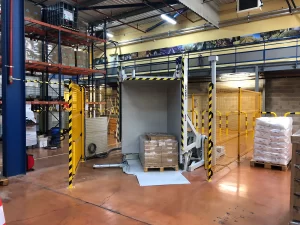
[Pallet inverter hydraulic pump issues, troubleshooting techniques, pallet inverter repair, equipment maintenance]

In the fast-paced world of material handling, pallet inverters have become indispensable tools. These robust machines streamline operations across diverse industries, from automotive and beverage to food service and warehousing, by safely and efficiently rotating and transferring loads. At the core of most pallet inverters lies a critical component: the hydraulic pump. This powerful heart converts mechanical energy into hydraulic energy, driving the clamping, lifting, and rotating actions that define a pallet inverter's functionality. Understanding the intricacies of hydraulic pumps and their common failure points is paramount for maintaining operational efficiency and minimizing costly downtime.
Common Hydraulic Pump Failure Points in Pallet Inverters

[Pallet inverter hydraulic pump issues, troubleshooting techniques, pallet inverter repair, equipment maintenance]

Despite their robust design, hydraulic pumps in pallet inverters are susceptible to a range of issues that can compromise their performance and lead to unexpected failures. Identifying these common problems early is crucial for preventative maintenance and timely repairs.
1. Noisy Operation: An Audible Warning Sign
An unusually noisy hydraulic pump is often the first indicator of underlying problems. This noise can manifest in various forms, each signaling a specific issue:
- Aeration: A hissing or whining sound might point to aeration, where air enters the hydraulic fluid. This can occur due to leaks in the suction line, loose fittings, or low fluid levels. Air compressibility disrupts the hydraulic system's efficiency and can lead to component damage.
- Cavitation: A knocking or rattling sound can indicate cavitation. This phenomenon happens when vapor bubbles form and collapse rapidly within the pump due to insufficient suction pressure. Cavitation erodes internal components and significantly reduces pump lifespan. Blocked suction lines, inadequate fluid levels, or incorrect fluid viscosity can cause cavitation.
- Mechanical Wear: Grinding or squealing noises often suggest mechanical wear within the pump itself. Worn bearings, misaligned shafts, or damaged gears can create friction and noise. Over time, wear reduces pump efficiency and eventually leads to complete failure.
2. Overheating: The Silent Performance Killer
Excessive heat buildup in a hydraulic pump is a serious concern that can lead to fluid degradation, component damage, and premature failure. Several factors contribute to overheating:
- Excessive Friction: Insufficient lubrication of moving parts increases friction, generating heat. Using incorrect lubricants or neglecting regular lubrication schedules can exacerbate this issue.
- Poor Lubrication: Beyond the quantity of lubricant, the quality is equally critical. Using the wrong type or viscosity of hydraulic fluid can lead to increased friction and heat. Fluid degradation over time also reduces its lubricating properties.
- Insufficient Cooling: Hydraulic systems rely on cooling mechanisms to dissipate heat. Blocked or malfunctioning coolers, inadequate reservoir size, or high ambient temperatures can overwhelm the cooling system, leading to overheating.
3. Reduced Flow Rate: Loss of Operational Power
A noticeable decrease in the pallet inverter's operational speed or lifting capacity often points to a reduced flow rate from the hydraulic pump. This signifies that the system is not receiving the intended volume of hydraulic fluid, hindering performance. Common causes include:
- Internal Leaks: Worn seals, gaskets, or O-rings within the pump or associated hydraulic components can lead to internal leaks. Fluid bypasses intended pathways, reducing the effective flow rate delivered to actuators.
- Component Wear: Over time, internal pump components like pistons, vanes, or gears can wear down. This wear increases internal clearances, allowing fluid to slip past and reducing the pump's volumetric efficiency and flow output.
- Blockages: Contamination in the hydraulic fluid, such as dirt, debris, or wear particles, can clog filters or restrict flow within hydraulic lines. Blockages impede fluid delivery and reduce the overall flow rate.
4. Fluid Contamination: The Unseen System Saboteur
Hydraulic fluid is the lifeblood of a pallet inverter's hydraulic system. Contamination of this fluid is a major contributor to pump failures and broader system problems. Contaminants can originate from various sources:
- Poor Maintenance Practices: Infrequent fluid changes, neglecting filter replacements, or improper reservoir cleaning introduce contaminants and accelerate fluid degradation.
- Environmental Factors: Dust, dirt, moisture, and other airborne particles can enter the hydraulic system through breathers, seals, or during maintenance.
- Fluid Quality: Using low-quality hydraulic fluid or mixing incompatible fluid types can lead to chemical reactions, sludge formation, and reduced fluid performance, contributing to contamination and wear.
Diagnosing and Troubleshooting Hydraulic Pump Issues
[Pallet inverter hydraulic pump issues, troubleshooting techniques, pallet inverter repair, equipment maintenance]
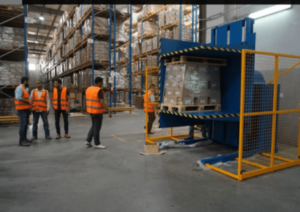
When a pallet inverter exhibits signs of hydraulic pump trouble, a systematic troubleshooting approach is essential to pinpoint the root cause and implement effective repairs.

Addressing Noisy Operation:
- Aeration:
- Inspect Suction Lines: Carefully examine all suction lines and fittings for leaks or damage. Tighten connections and replace worn seals.
- Check Fluid Level: Ensure the hydraulic fluid reservoir is filled to the correct level.
- Suction Strainer: Inspect and clean or replace the suction strainer, as blockages can induce cavitation.
- Cavitation:
- Verify Suction Line Integrity: As with aeration, confirm suction lines are free of blockages and leaks.
- Fluid Viscosity: Check if the hydraulic fluid viscosity is appropriate for the operating temperature and pump specifications.
- Pump Inlet Conditions: Ensure adequate fluid supply to the pump inlet and that the pump is not drawing in air.
- Mechanical Wear:
- Pump Inspection: Conduct a thorough internal inspection of the hydraulic pump for signs of wear on bearings, gears, pistons, or vanes.
- Component Replacement: Replace any worn or damaged components identified during inspection. Consider professional pump rebuild or replacement if wear is extensive.
Solving Overheating Issues:
- Lubrication:
- Fluid Type and Viscosity: Verify that the hydraulic fluid type and viscosity are correct for the application and operating conditions.
- Fluid Level and Condition: Check fluid levels and assess fluid condition. If degraded or contaminated, drain and replace with fresh, high-quality hydraulic fluid.
- Lubrication Schedule: Adhere to a regular lubrication schedule for all moving parts as recommended by the pallet inverter manufacturer.
- Cooling System:
- Cooler Inspection: Inspect the hydraulic system cooler for blockages, damage, or malfunctions. Clean or replace cooling elements as needed.
- Reservoir Size and Ventilation: Ensure the hydraulic reservoir is adequately sized for heat dissipation and properly ventilated.
- Friction Reduction:
- Component Lubrication: Ensure all moving parts within the pump and hydraulic system are adequately lubricated to minimize friction.
- High-Quality Lubricants: Consider using high-quality hydraulic fluids specifically designed to reduce friction and enhance heat dissipation in demanding applications.
Improving Flow Rate:
- Internal Leaks:
- Seal and Gasket Inspection: Inspect all seals, gaskets, and O-rings in the pump and hydraulic system for signs of wear, damage, or leaks.
- Component Replacement: Replace any worn or leaking seals and gaskets promptly.
- Component Wear:
- Pump Performance Test: Conduct a pump performance test to assess volumetric efficiency and identify internal wear.
- Component Inspection and Replacement: Inspect internal pump components for wear and replace faulty parts like pistons, valves, or vanes.
- Blockages:
- Filter Inspection and Replacement: Regularly inspect and replace hydraulic filters according to the maintenance schedule.
- Line Flushing: Flush hydraulic lines to remove any accumulated debris or blockages.
- System Cleaning: Clean the hydraulic reservoir and system components to eliminate contamination sources.
Preventing Fluid Contamination:
- Regular Maintenance:
- Scheduled Fluid Changes: Implement a strict schedule for hydraulic fluid changes as recommended by the manufacturer.
- Filter Maintenance: Adhere to a rigorous filter replacement schedule and use high-quality filters with appropriate micron ratings.
- Reservoir Cleaning: Periodically clean the hydraulic reservoir to remove sludge and sediment buildup.
- Environmental Controls:
- Breather Filters: Use breather filters on the hydraulic reservoir to prevent airborne contaminants from entering the system.
- Seal Integrity: Maintain the integrity of all seals and enclosure to minimize environmental contamination.
- Clean Operating Environment: Promote a clean operating environment around the pallet inverter to reduce dust and debris exposure.
- Fluid Quality:
- High-Quality Fluid: Use only high-quality hydraulic fluid from reputable suppliers that meets or exceeds OEM specifications.
- Fluid Compatibility: Avoid mixing different types of hydraulic fluids, as incompatibility can lead to chemical reactions and performance issues.
Preventive Maintenance: The Key to Longevity and Reliability
Proactive preventive maintenance is the cornerstone of minimizing hydraulic pump failures and maximizing the lifespan of pallet inverters. A well-structured maintenance program should include:
- Routine Inspections: Regularly inspect hydraulic pumps and associated components for signs of wear, leaks, noise, or overheating.
- Scheduled Fluid Changes: Adhere to manufacturer-recommended intervals for hydraulic fluid changes, considering operating conditions and fluid analysis results.
- Filter Maintenance: Replace hydraulic filters at scheduled intervals to maintain fluid cleanliness and prevent contamination buildup.
- Lubrication Schedules: Establish and follow lubrication schedules for all moving parts, using appropriate lubricants.
- Component Replacement: Replace worn or damaged components promptly to prevent cascading failures and more extensive damage.
- Clean Operating Environment: Maintain a clean environment around the pallet inverter and hydraulic system to minimize contamination risks.
- Operator Training: Ensure operators are trained on proper equipment operation, daily checks, and reporting of any unusual symptoms.
Pallet Inverter Maintenance Beyond the Pump
While hydraulic pump maintenance is critical, a holistic approach to pallet inverter upkeep is essential. This includes:
- Electrical System Checks: Regularly inspect wiring, connections, and controls for wear, damage, or loose connections.
- Mechanical Component Inspections: Examine clamps, rotation mechanisms, and structural elements for wear, damage, or misalignment.
- Safety System Verification: Periodically test safety features like emergency stops, light curtains, and safety guards to ensure proper functionality.
- Calibration: Calibrate the pallet inverter regularly to ensure accurate and safe load handling.
- Training and Documentation: Maintain thorough maintenance records and provide ongoing training to maintenance personnel on proper procedures and troubleshooting techniques.
Conclusion: Investing in Uptime and Efficiency
Hydraulic pump failures in pallet inverters can lead to significant operational disruptions and financial losses. However, by understanding the common failure points, implementing proactive troubleshooting techniques, and prioritizing preventive maintenance, businesses can significantly minimize these risks. Investing in regular maintenance, high-quality hydraulic fluids, and proper operator training is not merely an expense – it is a strategic investment in maximizing uptime, ensuring operational efficiency, and safeguarding the long-term reliability of these essential material handling assets. A well-maintained hydraulic system, the heart of your pallet inverter, ensures smooth, safe, and productive operations for years to come.