

How to Optimize Pallet Inverter Performance for High-Volume Retail Operations?
Optimizing pallet inverter performance is crucial for high-volume retail operations, ensuring efficiency and safety. By focusing on capacity, training, maintenance, and safety protocols, retailers can maximize throughput and streamline their supply chain. This article delves into strategies for enhancing pallet inverter performance, directly boosting your bottom line and operational excellence.
The Indispensable Role of Pallet Inverters in Modern Retail Warehousing
In the fast-paced world of high-volume retail, efficiency in warehousing and logistics is not just an advantage—it's a necessity. Pallet inverters have emerged as indispensable tools, streamlining the movement of goods and optimizing warehouse operations. For retail operations dealing with massive inventory and rapid turnover, pallet inverters are critical for maintaining a smooth and efficient supply chain. These machines facilitate quick and safe transfer of goods between pallets, a process vital for handling diverse product types and maintaining inventory integrity.

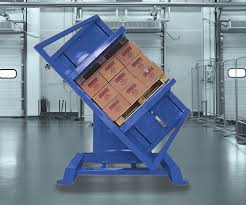
Traditional manual pallet handling is time-consuming, labor-intensive, and prone to errors and accidents. Pallet inverters automate and expedite this process, significantly reducing manual labor and minimizing the risk of product damage. This is particularly beneficial in retail, where goods range from durable bulk items to fragile consumer products. Whether it’s dealing with seasonal inventory surges or managing daily stock replenishment, pallet inverters ensure that retail warehouses can keep pace with demanding schedules.
Furthermore, the versatility of pallet inverters extends to handling various pallet types, including wooden, plastic, and metal pallets. This adaptability is crucial for retail operations that may receive goods on different pallet types from various suppliers. By enabling quick and easy pallet exchange, these machines ensure that goods can be efficiently processed, stored, and dispatched without unnecessary delays. The impact of optimized pallet inverter performance is directly reflected in enhanced throughput, reduced operational costs, and improved workplace safety—all critical factors for success in high-volume retail.
Key Strategies for Enhancing Pallet Inverter Performance
To truly optimize pallet inverter performance in high-volume retail, a multi-faceted approach is required. Focusing on key areas such as capacity planning, employee training, regular maintenance, safety protocols, and performance monitoring can yield significant improvements.
Strategic Capacity Planning for Pallet Inverters
Choosing the right pallet inverter with appropriate capacity is the foundational step in optimization. Retail operations vary significantly in scale and throughput requirements, so a one-size-fits-all approach is ineffective. Assess your operational volume, the types of goods handled, and peak season demands to determine the necessary pallet inverter capacity.

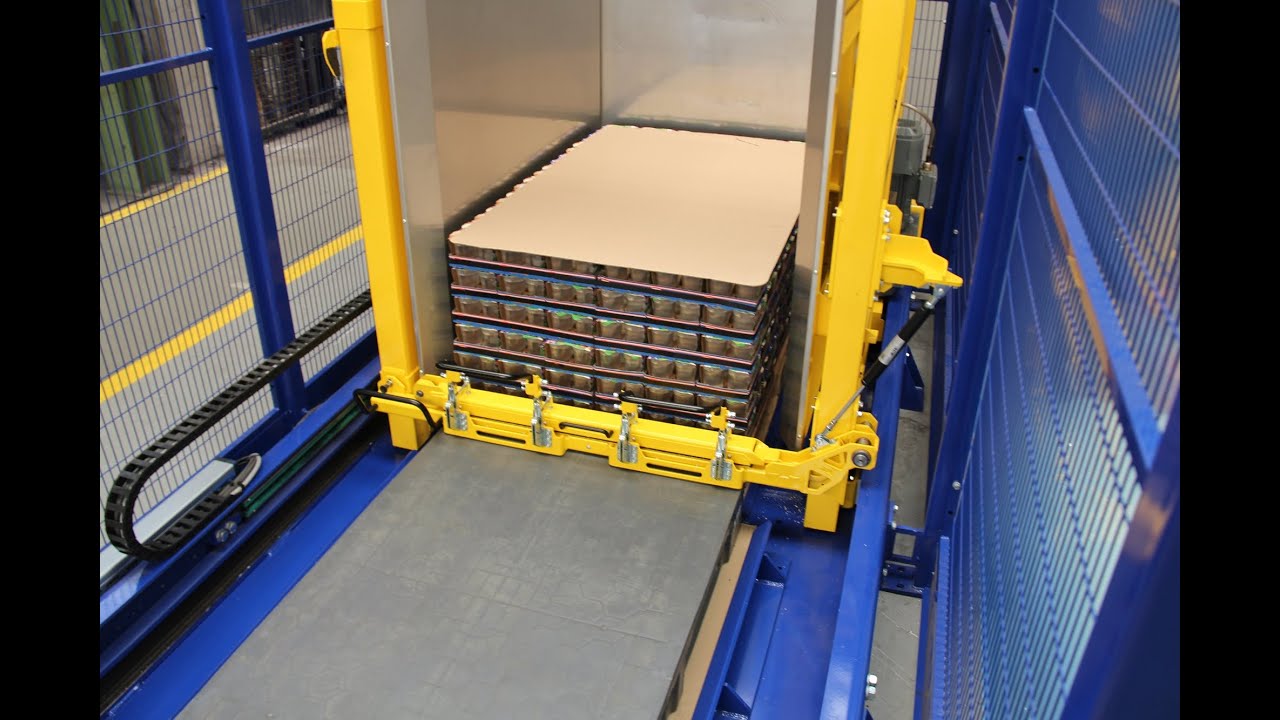
For high-volume retail, consider stationary or fully automatic pallet inverters. Stationary models are robust and designed for continuous, heavy-duty operations, ideal for fixed locations within a high-throughput warehouse. Fully automatic inverters take efficiency a step further by completely automating the pallet exchange process, minimizing manual intervention and maximizing speed. These are particularly beneficial in environments where operational speed is paramount and labor needs to be optimized.
Mobile pallet inverters, while versatile, might be better suited for lower-volume or more spatially constrained retail operations where flexibility is key. However, for truly high-volume scenarios, the throughput and automation capabilities of stationary and automatic systems generally provide superior performance. Ensure the chosen inverter can handle the maximum anticipated load weight and pallet dimensions to prevent bottlenecks and ensure smooth operations.
Empowering Efficiency Through Comprehensive Employee Training
Even the most advanced pallet inverter is only as effective as its operators. Comprehensive employee training is paramount to ensuring safe, efficient, and optimal performance. Training programs should cover not just the basic operation of the machine, but also safety procedures, troubleshooting common issues, and recognizing potential hazards.
Employees must be thoroughly trained on how to correctly load and unload pallets, secure loads to prevent shifting during inversion, and operate the inverter controls effectively. Understanding emergency shut-off procedures and safety protocols is crucial for preventing accidents and ensuring a safe working environment. Top Industries Inc. emphasizes the importance of comprehensive training, and retail operations should adopt similar best practices.
Regular refresher training should also be conducted to reinforce best practices, introduce any updates to procedures, and ensure new employees are brought up to speed. Well-trained operators will not only operate the equipment more efficiently but will also be more vigilant in identifying and reporting potential maintenance needs or safety concerns, contributing to proactive issue resolution and minimizing downtime.
The Cornerstone of Reliability: Regular Maintenance Schedules
Regular maintenance is non-negotiable for ensuring the longevity, safety, and optimal performance of pallet inverters. A proactive maintenance schedule minimizes unexpected breakdowns, extends the lifespan of the equipment, and ensures consistent operational efficiency.

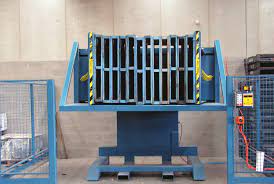
Maintenance should include regular cleaning, inspection of all moving parts, lubrication, and timely repair or replacement of worn components. Pay close attention to safety mechanisms like safety guards and emergency shut-off switches, ensuring they are in perfect working order. Top Industries Inc. highlights the importance of regular maintenance, offering comprehensive services to keep inverters in prime condition. Retail operations should either establish in-house maintenance protocols or engage professional maintenance services to adhere to a strict schedule.
Regular inspections can identify potential issues before they escalate into major problems, preventing costly downtime and ensuring continuous operation. A well-maintained pallet inverter operates more reliably, contributing to consistent throughput and reduced operational disruptions, which is especially critical during peak retail seasons.
Prioritizing Safety: Equipment and Protocols
Safety must be at the forefront of pallet inverter operations. Implementing robust safety protocols and ensuring the use of appropriate safety equipment is essential to protect employees and products.
Safety equipment includes safety guards to prevent accidental contact with moving parts, emergency shut-off switches for immediate stops in case of emergencies, and potentially backup power sources to ensure safe operation during power fluctuations. Personal Protective Equipment (PPE) for operators, such as safety shoes and gloves, should be mandatory.
Beyond equipment, clear safety procedures must be established and enforced. These procedures should cover safe operating distances, load limits, pre-operation checks, and protocols for handling unusual situations or malfunctions. Regular safety audits and drills can help reinforce these procedures and identify areas for improvement. By prioritizing safety, retail operations not only protect their workforce but also minimize the risk of product damage and operational interruptions due to accidents.
Data-Driven Optimization: Monitoring Performance Metrics
To truly optimize pallet inverter performance, it is essential to monitor key performance metrics. Tracking productivity, safety incidents, efficiency, and downtime provides valuable data for identifying areas for improvement and measuring the impact of optimization efforts.
Productivity metrics can include the number of pallets processed per hour or shift. Efficiency can be measured by tracking the time taken for each pallet inversion cycle and minimizing any delays. Safety metrics involve tracking the number of safety incidents or near misses related to pallet inverter operation. Downtime tracking helps identify recurring issues and the frequency of maintenance interventions needed.
By regularly analyzing these metrics, retail operations can identify bottlenecks, inefficiencies, or safety risks. This data-driven approach allows for targeted improvements, whether it's refining operating procedures, enhancing training programs, or adjusting maintenance schedules. Continuous monitoring and analysis are key to achieving sustained optimization and ensuring that pallet inverters consistently operate at peak performance.
Maximizing Retail Efficiency with Optimized Pallet Inverters
Optimizing pallet inverter performance has a direct and profound impact on the efficiency of high-volume retail operations. Increased efficiency translates to faster processing times, quicker turnaround, and improved overall throughput. This is particularly crucial in retail environments characterized by tight deadlines, seasonal peaks, and the need for rapid inventory turnover.
Faster pallet handling reduces bottlenecks in the supply chain, allowing goods to move more quickly from receiving to storage, and from storage to dispatch. This streamlined flow enhances the responsiveness of retail operations to customer demand and market fluctuations. During peak seasons, such as holidays or promotional periods, optimized pallet inverter performance ensures that warehouses can handle increased volumes efficiently, minimizing delays and ensuring timely order fulfillment.
Moreover, efficiency gains directly translate to cost savings. Reduced labor costs, minimized product damage, and decreased downtime all contribute to a healthier bottom line. The initial investment in optimizing pallet inverter performance, through training, maintenance, and strategic capacity planning, yields significant returns in the form of enhanced operational efficiency and reduced overall costs, making it a worthwhile and strategic investment for any high-volume retail operation.
Selecting the Right Pallet Inverter for Retail Needs
Choosing the right type of pallet inverter is crucial for meeting the specific demands of retail operations. The diverse needs within the retail sector necessitate considering different types of inverters to match operational requirements and spatial constraints.

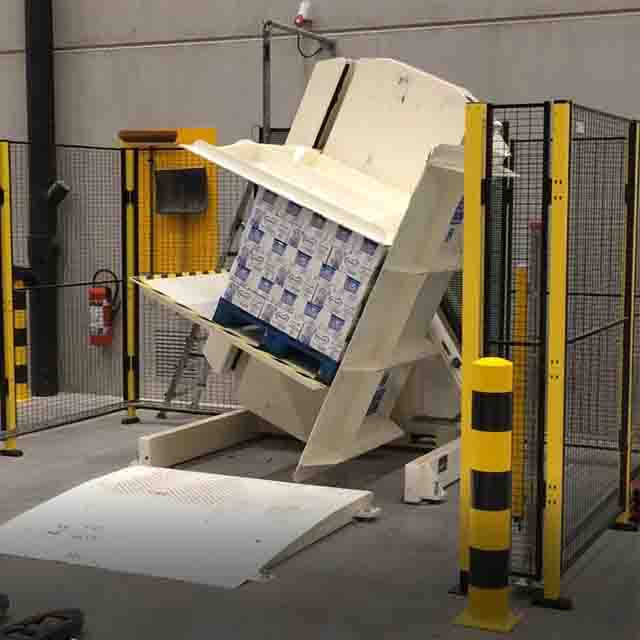
For retail warehouses with high throughput and consistent pallet sizes, stationary pallet inverters are often the optimal choice. Their robust construction and capacity for continuous operation make them ideal for high-volume environments. If space is a constraint or operations require flexibility, mobile pallet inverters offer a portable solution, allowing movement within the facility. For operations seeking maximum automation and minimal manual intervention, fully automatic pallet inverters streamline the entire process, enhancing speed and efficiency.
Forklift pallet inverters provide another versatile option, leveraging existing forklift infrastructure to handle pallet inversion tasks. This can be particularly useful in retail warehouses that already rely heavily on forklifts for material handling. When selecting a pallet inverter, consider factors such as the types of goods handled (fragile, bulk, etc.), the volume of pallets processed daily, available space, and the desired level of automation. Matching the inverter type to these specific needs ensures optimal performance and maximizes the return on investment.
Conclusion: Pallet Inverter Optimization - A Retail Imperative
In conclusion, optimizing pallet inverter performance is not merely about operational improvement—it's a strategic imperative for high-volume retail success. By strategically addressing capacity planning, investing in comprehensive employee training, adhering to rigorous maintenance schedules, prioritizing safety, and leveraging data-driven performance monitoring, retail operations can unlock the full potential of pallet inverters.
These optimized systems enhance efficiency, reduce costs, improve safety, and ensure smoother, faster material handling processes crucial for meeting the demands of today's competitive retail landscape. Embracing these strategies will empower retail warehouses to achieve operational excellence, maintain a competitive edge, and consistently deliver on customer expectations in the high-stakes world of retail. Optimizing pallet inverter performance is about creating a robust, efficient, and safe supply chain that drives success in the retail sector.