

What Are the Best Practices for Pallet Inverter Maintenance?
To ensure your pallet inverter operates reliably and efficiently, adhere to a schedule of regular maintenance including lubrication, cleaning, and inspections. Proper maintenance not only extends the lifespan of your equipment but also maximizes workplace safety and minimizes costly downtime. Employee training on safe operation and routine checks are also crucial best practices.
[

The Indispensable Role of Pallet Inverters in Modern Warehousing
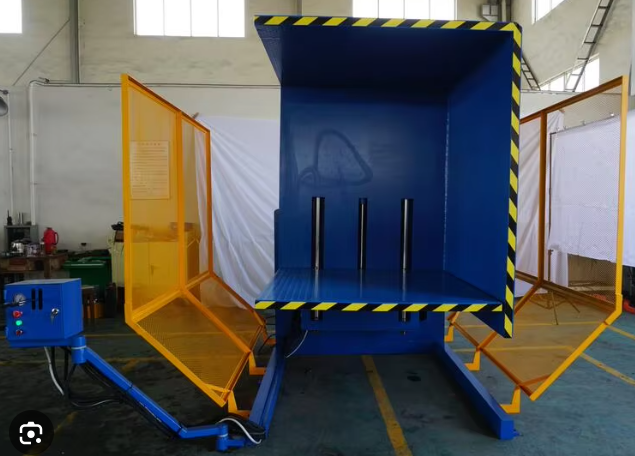
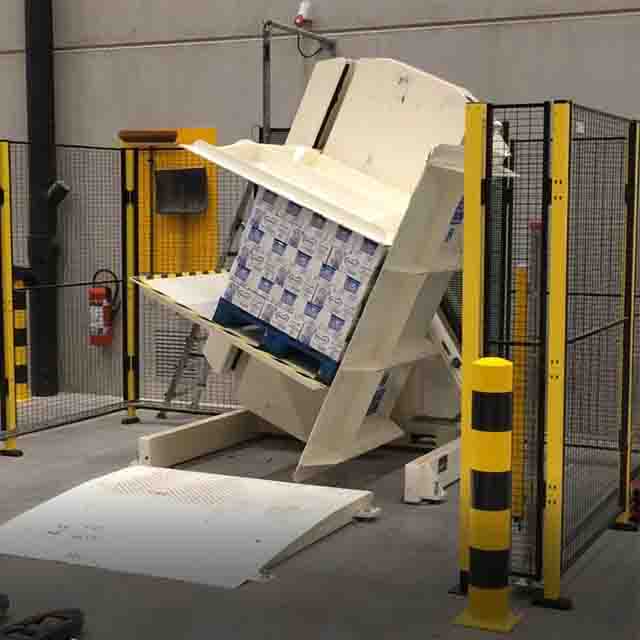
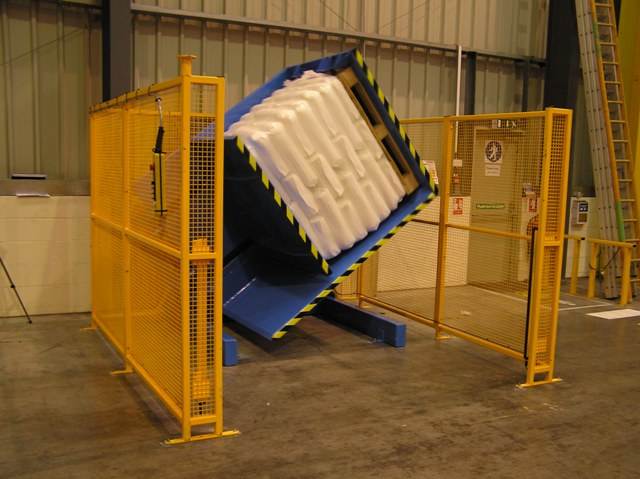
In today's fast-paced warehousing and manufacturing environments, efficiency and safety are paramount. Pallet inverters, also known as pallet turners or changers, play a crucial role in achieving these goals. These machines are designed to rotate and invert palletized loads, offering numerous benefits for material handling, from transferring goods between different pallet types to recovering damaged products at the bottom of a stack.
[

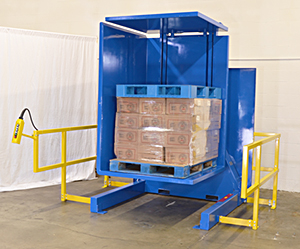
Pallet inverters minimize manual handling, reducing the risk of worker injuries associated with heavy lifting and repetitive motions. They also significantly boost operational efficiency by speeding up pallet exchange processes and enabling the recovery of goods without manual restacking. For businesses across diverse industries, from food and beverage to pharmaceuticals and manufacturing, pallet inverters are essential tools for streamlining operations and enhancing productivity.
However, like any piece of industrial machinery, pallet inverters require consistent and proper maintenance to ensure their continued performance, safety, and longevity. Neglecting maintenance can lead to unexpected breakdowns, costly repairs, and, most importantly, potential safety hazards in the workplace.
Why Regular Pallet Inverter Maintenance is Non-Negotiable
The importance of regular pallet inverter maintenance cannot be overstated. It's not merely about keeping the machine running; it's about safeguarding your investment, ensuring employee safety, and maintaining operational efficiency. Here’s why a proactive maintenance approach is critical:
[

- Preventing Costly Downtime: Equipment failure can bring operations to a standstill. Regular maintenance helps identify and address minor issues before they escalate into major breakdowns, preventing unexpected and costly downtime.
- Extending Equipment Lifespan: Like any investment, you want your pallet inverter to last. Consistent maintenance, including lubrication and timely component replacement, significantly extends the lifespan of the machine, maximizing your return on investment.
- Ensuring Workplace Safety: A poorly maintained pallet inverter can pose safety risks. Worn components, hydraulic leaks, or electrical issues can lead to accidents. Regular inspections and maintenance are crucial for identifying and mitigating potential hazards, protecting your employees and preventing workplace injuries.
- Maintaining Peak Performance: Just like a car needs tune-ups, a pallet inverter needs regular maintenance to operate at its peak performance. Lubrication ensures smooth movement of parts, cleaning prevents debris buildup that can hinder operation, and calibration ensures accurate and safe load handling.
- Reducing Repair Costs: Preventive maintenance is always more cost-effective than reactive repairs. Addressing minor issues early on prevents them from becoming major, expensive problems down the line. Regular maintenance checks often catch issues that are simple and inexpensive to fix if caught early, but turn into major repairs if ignored.
Essential Pallet Inverter Maintenance Best Practices: A Step-by-Step Guide
To ensure your pallet inverter remains a reliable and safe asset in your operations, implementing a robust maintenance program is key. Here are the best practices to follow, categorized for clarity and ease of implementation:
1. Lubrication: Keeping Things Moving Smoothly
Lubrication is the lifeblood of any machinery with moving parts, and pallet inverters are no exception. Regular lubrication reduces friction between moving components, minimizing wear and tear and ensuring smooth operation.
- Identify Lubrication Points: Consult your pallet inverter’s manual to identify all lubrication points. These typically include bearings, gears, chains, and sliding surfaces.
- Choose the Right Lubricant: Use the lubricant recommended by the manufacturer. Using the wrong type of lubricant can be ineffective or even damaging.
- Establish a Lubrication Schedule: Develop a lubrication schedule based on the manufacturer's recommendations and the frequency of pallet inverter use. High-usage environments may require more frequent lubrication.
- Apply Lubricant Correctly: Apply lubricant in the recommended quantity and using the appropriate method. Avoid over-lubrication, which can attract dirt and debris. For grease fittings, use a grease gun to apply lubricant until you see fresh grease purging out.
2. Cleaning: Maintaining a Debris-Free Environment
Dirt, dust, and debris can accumulate on a pallet inverter, hindering its performance and potentially causing damage. Regular cleaning is essential to maintain optimal functionality.
- Establish a Cleaning Schedule: Clean the pallet inverter regularly, ideally daily or at the end of each shift, depending on the operating environment.
- Remove Debris Regularly: Use brushes, vacuums, or compressed air to remove dust, dirt, and pallet debris from all accessible areas of the machine. Pay particular attention to moving parts, sensors, and control panels.
- Clean Hydraulic Components: Keep hydraulic cylinders and hoses clean to prevent contamination and ensure proper functioning.
- Use Appropriate Cleaning Agents: Use mild, non-corrosive cleaning agents when necessary. Avoid harsh chemicals that could damage paint or components.
- Safety First: Always disconnect power and lockout/tagout the machine before cleaning to prevent accidental startup.
3. Inspection: Proactive Detection of Potential Issues
Regular inspections are crucial for identifying signs of wear, damage, or potential problems before they lead to breakdowns or safety hazards.
- Daily Visual Inspections: Conduct daily visual checks before operation. Look for:
- Loose or Damaged Parts: Check for loose bolts, screws, or damaged components.
- Hydraulic Leaks: Inspect hoses, fittings, and cylinders for any signs of leaks.
- Electrical Issues: Look for frayed wires, damaged connectors, or loose connections.
- Wear and Tear: Examine chains, belts, and gears for signs of wear or damage.
- Periodic Comprehensive Inspections: Schedule more in-depth inspections at regular intervals (weekly, monthly, or quarterly) based on usage and manufacturer recommendations. These inspections should include:
- Functional Testing: Operate the pallet inverter through its full range of motion to check for smooth operation and any unusual noises or vibrations.
- Hydraulic System Checks: Check hydraulic fluid levels, filter condition, and pump pressure. Inspect hoses and fittings for wear and leaks.
- Electrical System Checks: Verify wiring integrity, control panel functionality, and safety switch operation.
- Structural Integrity: Inspect the frame and structural components for cracks or damage.
- Safety Device Checks: Test safety guards, light curtains, and emergency stop buttons to ensure they are functioning correctly.
4. Calibration: Ensuring Accuracy and Safety
Calibration is essential for ensuring the pallet inverter operates accurately and safely, especially when handling loads with specific weight or balance requirements.
- Regular Calibration Checks: Schedule regular calibration checks as recommended by the manufacturer, or more frequently if accuracy is critical to your operations.
- Professional Calibration: Calibration should typically be performed by qualified technicians with specialized equipment to ensure accuracy.
- Verify Load Sensors: If your pallet inverter has load sensors, ensure they are properly calibrated to provide accurate weight readings and prevent overloading.
- Check Rotation Accuracy: Verify that the inverter rotates pallets to the correct angles as intended.
5. Employee Training: The Human Element of Maintenance
Even with the best maintenance schedule, employee awareness and training are paramount for pallet inverter longevity and safety.
- Comprehensive Operator Training: Train all operators on the safe and proper operation of the pallet inverter. This includes:
- Machine Controls: Understanding all controls and their functions.
- Safety Procedures: Following all safety protocols and guidelines.
- Load Handling: Proper techniques for loading and unloading pallets.
- Emergency Procedures: Knowing how to respond in emergency situations, including using emergency stop buttons.
- Maintenance Awareness Training: Train operators and maintenance personnel to recognize signs of potential problems during daily operation, such as unusual noises, vibrations, or leaks.
- Regular Refreshers: Provide periodic refresher training to reinforce safety procedures and maintenance awareness, especially for experienced operators.
6. Safety Equipment Checks: Your First Line of Defense
Pallet inverters are equipped with safety features to protect operators and prevent accidents. Regular checks of this equipment are crucial.
- Inspect Safety Guards: Ensure all safety guards are in place and in good condition. Repair or replace any damaged guards immediately.
- Test Emergency Stop Buttons: Regularly test all emergency stop buttons to ensure they are functioning correctly and can quickly halt machine operation in an emergency.
- Verify Light Curtains and Sensors: If your pallet inverter is equipped with light curtains or safety sensors, test them regularly to ensure they are properly detecting obstructions and preventing operation when the safety zone is breached.
- Check Backup Power Sources: If your inverter has backup power, ensure it is functioning correctly to provide power in case of a power outage.
Extending Pallet Inverter Longevity: Proactive Care for Long-Term Performance
Beyond routine maintenance, adopting proactive equipment care practices can further extend the lifespan of your pallet inverter and ensure long-term reliable performance.
[

- Monitor Performance Metrics: Track key performance indicators (KPIs) such as uptime, cycle times, and maintenance frequency. Analyzing these metrics can help identify trends and potential issues early on.
- Address Issues Promptly: Don't ignore minor problems. Address any issues identified during inspections or reported by operators immediately to prevent them from escalating into major repairs.
- Use Genuine Replacement Parts: When replacing components, always use genuine parts from the manufacturer or reputable suppliers to ensure quality and compatibility.
- Keep Detailed Maintenance Records: Maintain a detailed log of all maintenance activities, inspections, repairs, and part replacements. This record provides valuable history for troubleshooting, planning future maintenance, and tracking equipment performance over time.
- Schedule Professional Servicing: Consider scheduling regular professional servicing by qualified technicians, especially for complex maintenance tasks or in accordance with manufacturer recommendations.
Troubleshooting Common Pallet Inverter Issues
Even with diligent maintenance, pallet inverters can sometimes experience problems. Being prepared to troubleshoot common issues can minimize downtime and facilitate quicker repairs. Common issues include:
- Hydraulic System Failures: Leaks, pump malfunctions, or cylinder issues can cause hydraulic system failures.
- Motor Failures: Motor burnout, electrical problems, or mechanical damage can lead to motor failures.
- Electrical Issues: Wiring problems, sensor malfunctions, or control panel issues can cause electrical problems.
When troubleshooting:
- Consult the Manual: Refer to the manufacturer's troubleshooting guide in the pallet inverter manual.
- Isolate the Problem: Try to pinpoint the source of the issue by observing symptoms and performing basic checks.
- Seek Professional Help: For complex issues or if you are not comfortable performing repairs yourself, consult a qualified technician experienced in pallet inverter maintenance and repair.
Conclusion: Investing in Maintenance for Optimal Pallet Inverter Performance
Pallet inverters are valuable assets for businesses seeking to enhance efficiency, safety, and productivity in material handling. However, realizing the full potential of these machines hinges on consistent and diligent maintenance. By implementing these best practices for pallet inverter maintenance, you are not just maintaining a machine; you are investing in operational excellence, workplace safety, and the long-term success of your business. Proactive maintenance is not an expense; it's an investment that pays dividends in reduced downtime, extended equipment life, and a safer, more efficient work environment. Embrace a culture of regular maintenance and empower your team to contribute to the longevity and reliability of your pallet inverter, ensuring it continues to serve your operational needs for years to come.