

How to Reduce Downtime in Pallet Inverter Operations?

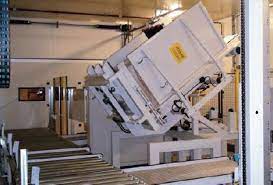
Downtime in pallet inverter operations can significantly disrupt workflow, leading to decreased productivity and increased costs. Regular maintenance, comprehensive employee training, and robust safety protocols are key to minimizing interruptions. By focusing on preventative measures and prompt issue resolution, businesses can ensure operational continuity and maximize the efficiency of their pallet inverter systems.
The Critical Impact of Downtime on Pallet Inverter Efficiency

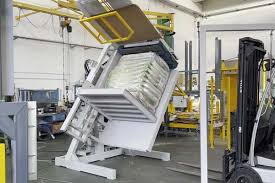
In today's fast-paced logistics and manufacturing environments, pallet inverters are indispensable tools for optimizing material handling. These machines enhance warehouse efficiency by safely and efficiently transferring loads between pallets, rotating stock for various purposes like swapping damaged pallets, or facilitating hygienic pallet changes. However, like any piece of machinery, pallet inverters are susceptible to downtime, which can have a cascading effect on operational efficiency and profitability.
Unplanned downtime translates directly into lost productivity. When a pallet inverter is out of service, the material handling process grinds to a halt, or at best, slows down significantly as companies revert to less efficient, often manual methods. This disruption can impact production schedules, delay shipments, and ultimately lead to dissatisfied customers. Moreover, downtime incurs direct financial costs through repair expenses, potential product damage during manual handling alternatives, and wasted labor hours as employees stand idle or are redirected to less productive tasks.
Beyond the immediate financial implications, frequent downtime can erode operational continuity. Consistent disruptions can strain resources, create bottlenecks in the supply chain, and even compromise safety if rushed, makeshift solutions are implemented to compensate for the stalled machinery. Therefore, minimizing downtime is not just about cost savings; it's about ensuring smooth, reliable operations and maintaining a competitive edge in industries where efficiency and speed are paramount.
Proactive Maintenance: The Cornerstone of Downtime Reduction

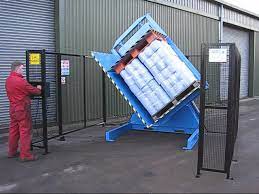
The most effective strategy for minimizing downtime in pallet inverter operations is to adopt a proactive maintenance approach. Regular, scheduled maintenance is not an expense but an investment in the longevity and reliability of your equipment. Neglecting maintenance is a false economy that inevitably leads to more costly repairs and extended periods of downtime down the line.
A comprehensive maintenance plan should incorporate several key elements:
Regular Lubrication of Moving Parts
Friction is a primary enemy of machinery. Pallet inverters have numerous moving parts, and consistent lubrication is crucial to reduce friction and prevent wear and tear. Regularly lubricating these components ensures smooth operation, minimizes stress on the system, and extends the lifespan of critical parts. A lubrication schedule should be established based on the manufacturer's recommendations and the intensity of the inverter's usage.
Consistent Cleaning to Prevent Debris Buildup
Warehouses and production floors can be dusty and environments. Dirt, debris, and product residue can accumulate on pallet inverters, interfering with their mechanical and hydraulic systems. Regular cleaning is essential to remove these contaminants. Cleanliness not only improves performance but also allows for easier visual inspections, making it simpler to identify potential issues early on.
Scheduled Inspections for Wear and Tear
Routine inspections are vital for identifying signs of wear and tear before they escalate into major problems. Inspections should cover all critical components, including hydraulic hoses, electrical wiring, clamps, and structural elements. Look for loose bolts, frayed wires, leaks, cracks, or any other visible damage. Early detection allows for timely repairs or replacements, preventing breakdowns and minimizing downtime.
Calibration for Optimal Performance and Safety
Pallet inverters rely on precise calibration to function correctly and safely. Calibration ensures that the load is rotated accurately and securely, preventing product damage and workplace accidents. Regular calibration checks should be performed to maintain optimal performance and adherence to safety standards. Deviations from calibration can indicate underlying mechanical issues that need to be addressed.
By diligently following a proactive maintenance schedule, businesses can significantly reduce the likelihood of unexpected breakdowns and ensure their pallet inverters operate reliably and efficiently for years to come.
Addressing Common Issues to Enhance Pallet Inverter Reliability

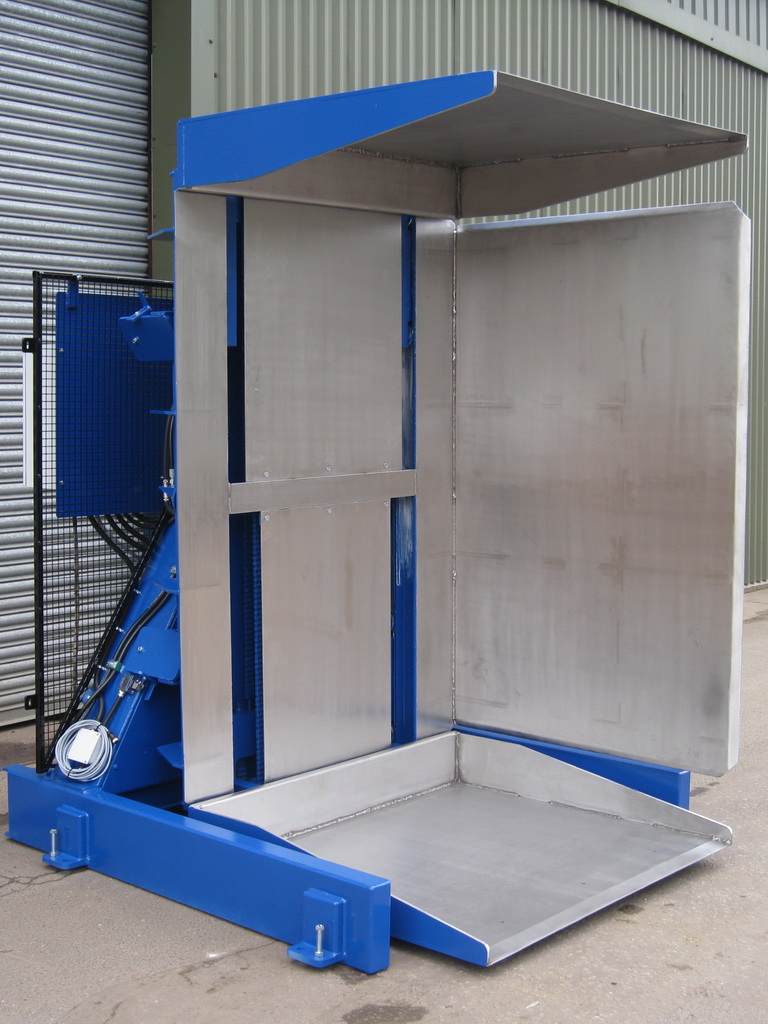
Even with the best maintenance practices, pallet inverters may still encounter occasional issues. Understanding common problems and knowing how to address them is crucial for minimizing downtime when issues do arise.
Hydraulic System Failures
The hydraulic system is the heart of most pallet inverters, providing the power to lift, clamp, and rotate loads. Hydraulic failures, such as leaks, pump malfunctions, or valve problems, can bring operations to a standstill. Regular inspection of hydraulic lines and components, coupled with timely fluid changes and filter replacements, can help prevent many hydraulic issues. In the event of a failure, prompt troubleshooting and repair by a qualified technician are essential.
Motor Failures
The electric motor powers the hydraulic pump and other critical functions of the pallet inverter. Motor failures can result from overheating, electrical problems, or mechanical wear. Regular motor inspections, ensuring proper ventilation, and addressing any unusual noises or vibrations can help prevent motor failures. In case of a motor malfunction, immediate replacement or professional repair is necessary to restore operations.
Electrical Issues
Electrical problems, ranging from wiring faults to control system malfunctions, can disrupt pallet inverter operations. Regular checks of wiring, control panels, and safety circuits are important. Electrical issues can be complex and potentially dangerous, so troubleshooting and repairs should always be performed by qualified electricians or technicians.
Troubleshooting and Repair Expertise
When a pallet inverter malfunctions, efficient troubleshooting is key to identifying the root cause of the problem quickly. Having trained personnel who can perform basic troubleshooting steps can significantly reduce diagnostic time. However, for complex issues, it's crucial to have access to experienced technicians who specialize in pallet inverter repair. Establishing a relationship with a reputable service provider ensures prompt and effective repairs, minimizing downtime and getting your operations back on track swiftly.
Employee Training: Empowering Operators for Operational Continuity
Well-trained operators are essential for both the safe and efficient operation of pallet inverters, and for minimizing downtime. Comprehensive training programs contribute to operational continuity in several ways:
Safe and Correct Operation
Proper training ensures that operators understand how to operate the pallet inverter safely and correctly. This includes understanding load limits, safety protocols, emergency stop procedures, and proper operating techniques. Safe operation minimizes the risk of accidents, product damage, and equipment misuse, all of which can lead to downtime.
Early Issue Detection
Trained operators are more likely to recognize early warning signs of potential problems. They can identify unusual noises, vibrations, or performance changes that may indicate an impending issue. Early detection allows for proactive intervention, preventing minor problems from escalating into major breakdowns.
Basic Troubleshooting Skills
Operator training should include basic troubleshooting skills. Equipping operators to handle minor issues, such as resetting controls or identifying simple obstructions, can prevent unnecessary downtime waiting for maintenance personnel. This empowers operators to resolve minor problems quickly, keeping operations flowing smoothly.
Preventative Maintenance Awareness
Training can also instill in operators an understanding of the importance of preventative maintenance. Operators who are aware of the benefits of lubrication, cleaning, and careful operation are more likely to contribute to these practices, supporting the overall maintenance effort and reducing downtime.
Investing in thorough and ongoing training for pallet inverter operators is an investment in operational efficiency and continuity. Well-trained operators are not only safer and more productive but also act as a first line of defense against downtime.
Safety Protocols: Preventing Accidents and Minimizing Downtime
Safety and operational efficiency are intrinsically linked in pallet inverter operations. Robust safety protocols are not just about protecting employees; they also play a crucial role in minimizing downtime. Accidents, injuries, and product damage resulting from unsafe practices can lead to significant operational disruptions.
Comprehensive Safety Training
Safety training should be an integral part of operator training programs and ongoing workplace safety initiatives. Training should cover all aspects of safe pallet inverter operation, including hazard identification, emergency procedures, safe loading and unloading techniques, and the proper use of safety equipment.
Regular Safety Audits and Inspections
Periodic safety audits and inspections help identify potential hazards and ensure that safety protocols are being followed. Audits should assess the condition of safety equipment, the clarity of safety signage, and the adherence of operators to safety procedures. Addressing identified safety gaps proactively prevents accidents and downtime.
Emergency Stop Procedures and Drills
Ensuring that emergency stop buttons are easily accessible, well-marked, and functioning correctly is paramount. Employees should be thoroughly trained on emergency stop procedures and participate in regular drills to practice responding to simulated emergency situations. Readiness to respond effectively to emergencies minimizes potential damage and downtime in the event of an actual incident.
Safety Equipment and Guards
Pallet inverters should be equipped with appropriate safety guards and devices to protect operators and bystanders. Safety guards prevent accidental contact with moving parts, while safety sensors can detect obstructions and halt operation to prevent collisions or injuries. Regularly inspect and maintain all safety equipment to ensure its effectiveness.
By prioritizing safety and implementing comprehensive safety protocols, businesses create a safer working environment and simultaneously reduce the risk of accidents that can lead to costly downtime and operational disruptions.
Conclusion: Investing in Uptime for Pallet Inverter Operations
Reducing downtime in pallet inverter operations is not merely a technical issue; it's a strategic imperative for businesses seeking to maximize efficiency, minimize costs, and ensure operational continuity. By embracing proactive maintenance strategies, addressing common equipment issues promptly, investing in comprehensive employee training, and implementing robust safety protocols, companies can significantly enhance the reliability and uptime of their pallet inverter systems.
Taking a holistic approach to pallet inverter management, encompassing preventative measures, skilled operation, and a strong safety culture, transforms these essential machines from potential bottlenecks into reliable assets that drive productivity and contribute to overall business success. Investing in uptime is an investment in a more efficient, safer, and more profitable future for your pallet inverter operations.