

What Are the Best Practices for Pallet Inverter Maintenance in Extreme Temperatures?

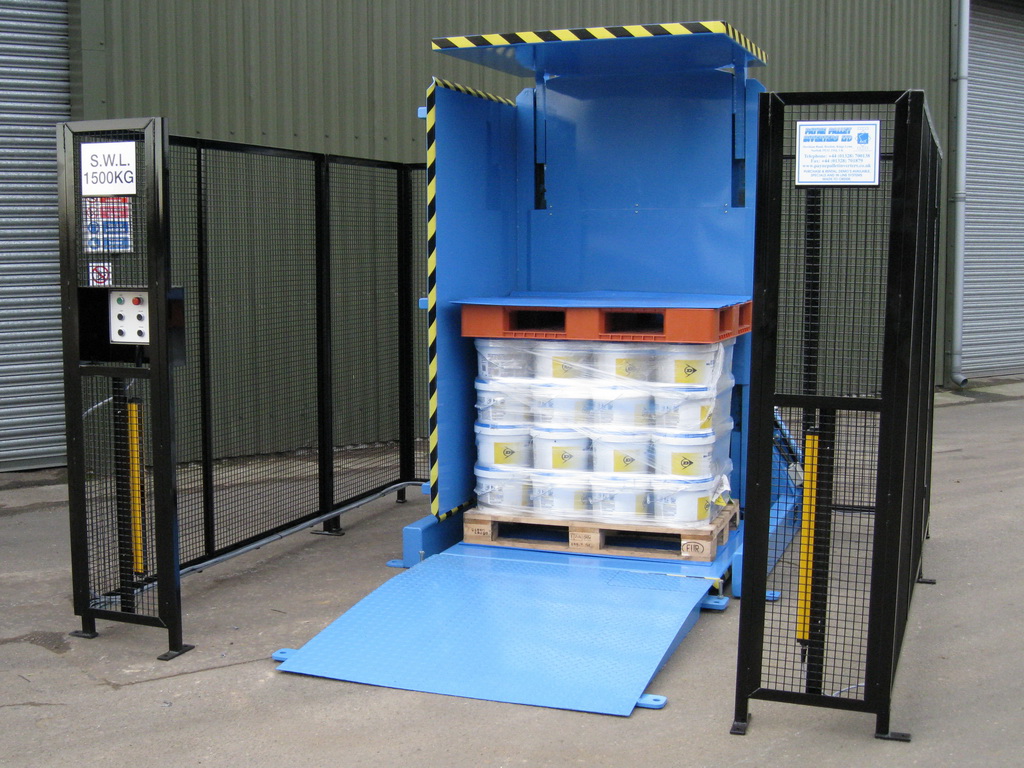
Maintaining pallet inverters in extreme temperatures is crucial for ensuring operational efficiency and longevity. Best practices include regular lubrication with temperature-appropriate grease, frequent inspections for wear and tear exacerbated by temperature fluctuations, managing temperature variances by monitoring the operating environment, and ensuring all components are rated for extreme conditions. Preventative maintenance schedules are crucial for longevity and consistent performance.
The Critical Role of Pallet Inverters in Material Handling

In the fast-paced world of modern warehousing and manufacturing, efficiency and safety are paramount. Pallet inverters stand as essential pieces of equipment, streamlining material handling processes across diverse industries. From automotive to food and beverage, these machines are instrumental in safely and efficiently rotating, transferring, and reorienting pallet loads. They reduce manual labor, minimize product damage, and enhance overall operational flow. However, like any sophisticated industrial equipment, pallet inverters require diligent maintenance to ensure consistent performance and longevity, especially when operating in environments with extreme temperatures.
Why Extreme Temperatures Demand Specialized Pallet Inverter Maintenance

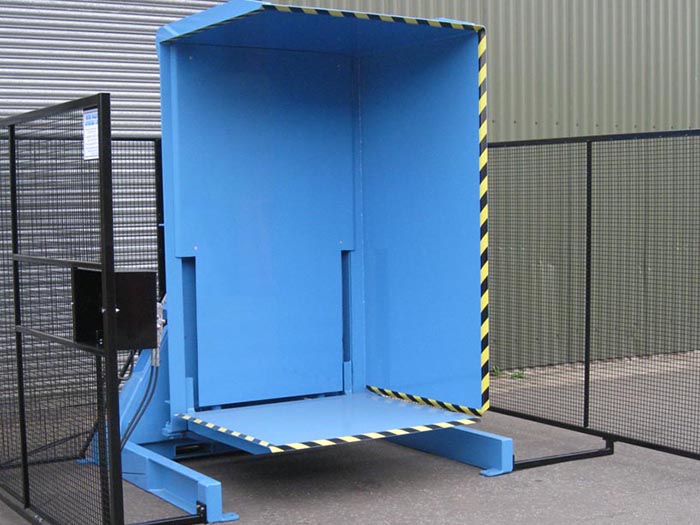
Extreme temperatures, whether scorching heat or frigid cold, pose significant challenges to the optimal functioning of industrial machinery, and pallet inverters are no exception. These machines are typically composed of hydraulic, mechanical, and electrical systems, all of which are susceptible to temperature-related stresses.
Impact of Extreme Heat: High temperatures can cause hydraulic fluids to overheat and lose viscosity, leading to reduced hydraulic pressure and potential system failure. Seals and hoses can degrade faster, increasing the risk of leaks. Electrical components are also vulnerable to overheating, which can shorten their lifespan and lead to malfunctions. Furthermore, excessive heat can cause metal components to expand, potentially leading to increased friction and wear in moving parts.
Impact of Extreme Cold: Conversely, extreme cold can cause hydraulic fluids to thicken, increasing viscosity and reducing flow, which can strain the hydraulic pump and slow down operations. Cold temperatures can also make rubber and plastic components brittle and prone to cracking. Condensation may form within the machine, leading to rust and corrosion, particularly in electrical connections and sensitive components.
Therefore, standard maintenance practices may not suffice in extreme temperature environments. A tailored approach is necessary to mitigate these temperature-induced risks and ensure pallet inverters continue to operate reliably and efficiently.
Best Practices for Pallet Inverter Maintenance in Extreme Heat

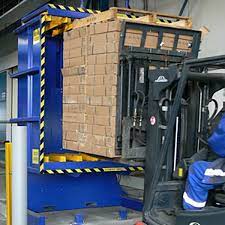
When pallet inverters operate in high-temperature environments, such as foundries, outdoor storage in hot climates, or unventilated warehouses during summer, specific maintenance protocols are essential:
1. Temperature-Appropriate Lubrication
- High-Temperature Grease and Oils: Regular lubrication is crucial, but in high heat, standard lubricants may break down or lose their effectiveness. Utilize high-temperature greases and hydraulic oils specifically designed to maintain viscosity and lubrication properties at elevated temperatures. Consult lubricant manufacturers for recommendations based on the specific operating temperature range.
- Frequent Lubrication Intervals: Heat can accelerate lubricant degradation. Increase lubrication frequency compared to standard operating conditions. Monitor lubrication points and re-apply grease as needed, paying close attention to clamp slides, rack and pinion mechanisms, and other moving parts prone to friction.
2. Enhanced Cooling and Ventilation
- Monitor Ambient Temperature: Regularly monitor the temperature in the operating environment. If temperatures consistently exceed the inverter's recommended operating range, consider implementing cooling measures.
- Improve Ventilation: Ensure adequate ventilation around the pallet inverter to dissipate heat. This might involve opening windows, installing fans, or improving airflow within the workspace.
- Consider Cooling Systems: For extremely hot environments, explore supplemental cooling systems for the inverter itself. This could involve adding fans directly to the motor and hydraulic pump or even exploring cooling jackets for hydraulic reservoirs if feasible and recommended by the manufacturer.
3. Hydraulic System Vigilance
- Regular Fluid Checks: Inspect hydraulic fluid levels more frequently. Overheating can lead to fluid expansion and potential leaks. Check for signs of leaks around hoses, fittings, and cylinders.
- Monitor Fluid Temperature: If possible, monitor the hydraulic fluid temperature. Overly high temperatures indicate potential issues within the hydraulic system that need immediate attention. Consider installing temperature sensors if the inverter doesn't have them.
- Filter Maintenance: Heat can accelerate fluid degradation and contaminant buildup. Increase hydraulic filter inspection and replacement frequency to maintain fluid cleanliness and system efficiency.
4. Electrical System Inspections
- Check for Overheating Signs: Inspect electrical panels, motors, and wiring for signs of overheating, such as discoloration, brittle insulation, or unusual odors.
- Ensure Proper Ventilation for Electrical Components: Ensure that ventilation openings on electrical enclosures are not blocked and that cooling fans (if present) are functioning correctly.
- Tighten Connections: Heat can cause expansion and contraction, potentially loosening electrical connections. Regularly check and tighten all electrical connections to prevent arcing and failures.
Best Practices for Pallet Inverter Maintenance in Extreme Cold
Operating pallet inverters in freezing temperatures, common in cold storage facilities, unheated warehouses in winter, or outdoor operations in cold climates, presents a different set of maintenance challenges:
1. Cold-Weather Lubrication
- Low-Temperature Lubricants: Standard lubricants can thicken significantly in cold temperatures, increasing friction and strain on moving parts. Switch to low-temperature greases and hydraulic oils specifically formulated to maintain fluidity and lubrication properties in freezing conditions.
- Warm-up Procedures: Before starting heavy operations, allow the pallet inverter to run unloaded for a warm-up period. This allows the hydraulic fluid to circulate and warm up, reducing viscosity and ensuring smooth operation.
2. Condensation Prevention
- Regularly Inspect for Condensation: Cold temperatures can lead to condensation forming inside the inverter, particularly when temperatures fluctuate. Regularly inspect for moisture buildup, especially in electrical panels and hydraulic systems.
- Desiccants and Breathable Vents: Consider using desiccants in electrical enclosures to absorb moisture. Ensure that any breathable vents on enclosures are not blocked to allow for some air circulation and prevent moisture trapping.
3. Hydraulic System Considerations in Cold
- Viscosity Monitoring: Be particularly attentive to hydraulic system performance in cold. Sluggish movement or slow response times can indicate excessively viscous fluid.
- Cold-Start Procedures: Follow manufacturer-recommended cold-start procedures, which may involve cycling the hydraulic system to warm the fluid gradually before full operation.
- Fluid Condition Monitoring: Cold can also affect fluid condition, potentially leading to water contamination from condensation. Regular fluid analysis can help detect issues early.
4. Material Brittleness
- Careful Operation: Cold temperatures can make certain materials, especially plastics and some metals, more brittle. Operate the pallet inverter with extra caution, avoiding sudden impacts or jerky movements that could cause damage.
- Inspect for Cracks: Regularly inspect hoses, seals, and plastic components for signs of cracking or brittleness caused by cold exposure.
General Pallet Inverter Maintenance Practices – Always Essential
Regardless of the temperature environment, certain foundational maintenance practices are always crucial for pallet inverter longevity, safety, and efficiency:
Regular Cleaning
- Remove Debris: Regularly clean the pallet inverter to remove dust, debris, and contaminants that can accumulate and cause wear, overheating, or corrosion. Use compressed air (with safety glasses!) and appropriate cleaning agents.
- Focus on Critical Areas: Pay particular attention to cleaning around moving parts, hydraulic components, and electrical enclosures to ensure optimal performance and prevent buildup that can exacerbate temperature-related issues.
Thorough Inspections
- Scheduled Inspections: Implement a regular inspection schedule, daily, weekly, and monthly, as recommended by the manufacturer.
- Check for Wear and Tear: Inspect for signs of wear, damage, loose components, and leaks. Pay close attention to clamps, chains, rollers, hoses, and electrical wiring.
- Bolt Tightness: Vibration and temperature fluctuations can loosen bolts and fasteners. Regularly check and tighten all bolts to maintain structural integrity.
Employee Training and Safety
- Comprehensive Training: Ensure all operators are thoroughly trained on safe operation procedures, maintenance checks, and emergency protocols.
- Safety Equipment Checks: Regularly inspect safety features such as light curtains, emergency stop buttons, and safety guards to ensure they are functioning correctly.
- Defined Safety Zones: Clearly mark and maintain safety zones around the pallet inverter to prevent accidents.
Performance Monitoring
- Track Key Metrics: Monitor performance metrics such as cycle times, uptime, and error codes. Deviations from normal performance can indicate maintenance needs.
- Operator Feedback: Encourage operators to report any unusual noises, vibrations, or operational issues promptly.
Professional Service and Support
- Regular Professional Maintenance: Schedule regular professional maintenance with qualified technicians experienced in pallet inverter service.
- Consult Experts: For complex issues or when operating in extreme temperature environments, consult with the pallet inverter manufacturer or a specialized industrial maintenance service provider for guidance and support.
Conclusion: Proactive Maintenance for Pallet Inverter Longevity and Efficiency
Maintaining pallet inverters in extreme temperatures requires a proactive and tailored approach. By implementing these best practices, focusing on temperature-specific challenges, and adhering to general maintenance fundamentals, businesses can ensure their pallet inverters operate reliably, safely, and efficiently, even in the most demanding environments. This diligent maintenance not only extends the lifespan of the equipment but also minimizes downtime, maximizes productivity, and safeguards both personnel and products. In the long run, investing in robust maintenance programs is an investment in operational excellence and a testament to a commitment to safety and efficiency in material handling.