

How to Enhance Pallet Inverter Performance with Predictive Maintenance?
Enhance pallet inverter performance with predictive maintenance by leveraging machine learning for data analysis, enabling early detection of potential failures. This proactive approach reduces downtime, optimizes maintenance schedules, extends equipment lifespan, and improves overall operational efficiency, ensuring peak performance and reliability of pallet inverters.
In today's fast-paced manufacturing and warehousing environments, efficiency and uptime are paramount. Pallet inverters, essential pieces of equipment for material handling, play a crucial role in streamlining operations by safely and efficiently rotating or inverting pallet loads. However, like any machinery, pallet inverters require diligent maintenance to ensure consistent performance and prevent costly disruptions. Moving beyond traditional reactive maintenance, predictive maintenance offers a smarter, data-driven approach to optimize pallet inverter performance, enhance reliability, and significantly reduce downtime.
The Imperative of Proactive Pallet Inverter Maintenance
Regular maintenance is not merely a recommended practice; it's a cornerstone of operational excellence for businesses relying on pallet inverters. Neglecting routine checks and upkeep can lead to a cascade of negative consequences, impacting productivity and profitability.
Firstly, preventing breakdowns is a primary benefit of proactive maintenance. Just like a vehicle requires regular servicing to avoid engine failure, pallet inverters, with their hydraulic systems, motors, and electrical components, need consistent attention. Moving parts require lubrication to minimize friction and wear, while regular cleaning prevents the accumulation of dirt and debris that can impede functionality. Scheduled inspections can identify early signs of wear and tear, allowing for timely intervention before minor issues escalate into major failures.
Secondly, maintaining peak performance is directly linked to consistent maintenance. A well-maintained pallet inverter operates at its designed efficiency, ensuring smooth and rapid pallet rotation. Calibration, for instance, is crucial for accurate and safe load handling. When a pallet inverter is not properly calibrated or lubricated, it can lead to slower cycle times, increased energy consumption, and even safety hazards.
Thirdly, reducing costly downtime is a significant financial advantage of proactive maintenance. Unscheduled downtime due to equipment failure can halt production lines, delay shipments, and lead to missed deadlines. The costs associated with downtime extend beyond repair expenses, encompassing lost productivity, labor costs during idle periods, and potential damage to customer relationships. By identifying and addressing potential issues before they cause breakdowns, predictive maintenance minimizes these costly interruptions.
Transitioning from Reactive to Predictive Maintenance
Traditional maintenance approaches often fall into two categories: reactive and preventive. Reactive maintenance, or "run-to-failure," involves addressing issues only when equipment breaks down. This approach is inherently inefficient and costly due to unplanned downtime and potential secondary damage. Preventive maintenance, based on time-based schedules, involves routine servicing at predetermined intervals, regardless of the actual condition of the equipment. While better than reactive maintenance, preventive maintenance can lead to unnecessary interventions and may not always prevent unexpected failures.
Predictive maintenance, on the other hand, represents a paradigm shift. It leverages data and advanced analytics to predict potential equipment failures before they occur. This approach is condition-based, meaning maintenance actions are triggered by the actual condition of the equipment, rather than arbitrary schedules.
For pallet inverters, predictive maintenance involves continuously monitoring key operational parameters and using this data to assess equipment health and forecast potential issues. This proactive strategy allows maintenance teams to schedule interventions precisely when needed, minimizing downtime and optimizing maintenance resources.
The Power of Predictive Maintenance for Pallet Inverters
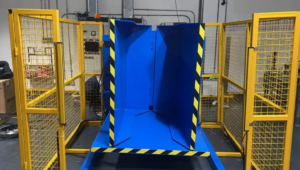

Predictive maintenance offers a suite of benefits specifically tailored to enhance pallet inverter performance and reliability:
1. Early Detection of Potential Failures: By continuously monitoring data from sensors and systems within the pallet inverter, predictive maintenance algorithms can identify subtle anomalies and deviations from normal operating patterns. These anomalies can be early indicators of impending failures in critical components such as hydraulic systems, motors, or electrical controls. Machine learning models, trained on historical data of normal and failure events, become adept at recognizing patterns that precede breakdowns, providing valuable lead time for intervention.
2. Optimized Maintenance Schedules: Predictive maintenance moves away from rigid, time-based maintenance schedules to condition-based schedules. Instead of performing maintenance at fixed intervals, regardless of need, maintenance is triggered only when the data indicates an impending issue. This targeted approach optimizes the use of maintenance resources, reduces unnecessary interventions, and extends the lifespan of components by avoiding premature replacement.
3. Reduced Downtime and Increased Uptime: The ability to predict failures and schedule maintenance proactively translates directly into reduced downtime. Maintenance interventions can be planned during scheduled breaks or off-peak hours, minimizing disruption to operations. By preventing unexpected breakdowns, predictive maintenance significantly increases the overall uptime of pallet inverters, ensuring continuous material handling and smooth workflow.
4. Extended Equipment Lifespan: Predictive maintenance contributes to extending the lifespan of pallet inverters by addressing minor issues before they escalate and cause more significant damage. Optimized lubrication, timely component replacements, and proactive adjustments based on condition monitoring help prevent accelerated wear and tear, maximizing the useful life of the equipment and deferring costly capital expenditures on replacements.
5. Improved Operational Efficiency: Beyond preventing failures, predictive maintenance contributes to improved operational efficiency. By ensuring pallet inverters operate at peak performance through timely calibration and maintenance, cycle times are optimized, energy consumption is minimized, and overall material handling processes become more efficient.
6. Enhanced Safety: Predictive maintenance also plays a role in enhancing safety. By identifying and addressing potential issues related to component wear or system malfunctions, it reduces the risk of unexpected equipment failures that could pose safety hazards to operators or damage to products. Ensuring pallet inverters are in optimal condition contributes to a safer working environment.
Machine Learning: The Engine of Predictive Maintenance for Pallet Inverters
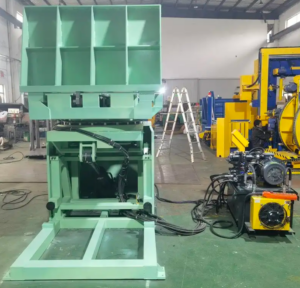
Machine learning (ML) is the driving force behind advanced predictive maintenance systems. ML algorithms can process vast amounts of data from various sources, identify complex patterns, and make accurate predictions about equipment health and remaining useful life (RUL).

For pallet inverters, machine learning algorithms can analyze data from:
- Sensors: Sensors monitoring hydraulic pressure, motor current, vibration, temperature, and other critical parameters provide real-time insights into equipment condition.
- SCADA Systems: Supervisory Control and Data Acquisition (SCADA) systems collect and examine operational data in real-time, providing a broader view of the pallet inverter's performance within the overall system.
- Error History: Historical records of past failures, repairs, and maintenance interventions provide valuable data for training ML models to recognize failure patterns.
- Maintenance and Repair History: Detailed logs of maintenance activities, component replacements, and repair records offer insights into component lifespan and failure modes.
- Static Feature Data: Technical specifications of the pallet inverter, such as manufacturing date, model, and location, provide contextual information for analysis.
By integrating and analyzing this diverse data, machine learning models can perform several key predictive maintenance tasks for pallet inverters:
- Remaining Useful Life (RUL) Prediction: Regression models can be trained to predict the RUL of critical components or the entire pallet inverter, providing a timeframe for planned maintenance.
- Failure Prediction within a Timeframe: Classification models can predict the likelihood of failure within a specific time window, allowing maintenance teams to prioritize interventions.
- Anomaly Detection: ML algorithms can continuously monitor data streams and identify anomalies or deviations from normal operating patterns, triggering alerts for potential issues requiring investigation.
Implementing Predictive Maintenance for Pallet Inverters: Key Considerations
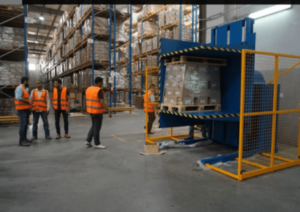
Successfully implementing predictive maintenance for pallet inverters requires a strategic approach and careful consideration of several key factors:

1. Data Collection Infrastructure: Establish a robust data collection infrastructure to gather relevant data from pallet inverters. This may involve deploying sensors, integrating with existing SCADA systems, and ensuring data is collected reliably and accurately.
2. Data Management and Storage: Implement a system for managing and storing the collected data. This includes ensuring data quality, security, and accessibility for analysis. Cloud-based platforms can provide scalable and secure solutions for data storage and management.
3. Machine Learning Platform and Expertise: Select a suitable machine learning platform and develop or acquire the necessary expertise to build, train, and deploy predictive models. This may involve partnering with data science experts or utilizing cloud-based ML services.
4. Integration with CMMS: Integrate the predictive maintenance system with a Computerized Maintenance Management System (CMMS). This integration allows for seamless transition from predictive insights to actionable maintenance work orders, streamlining the entire maintenance workflow. A CMMS like 60Hertz Energy can streamline data management, automate work order generation, and facilitate communication within the maintenance team.
5. Employee Training and Buy-in: Provide adequate training to maintenance personnel on how to interpret predictive maintenance insights and utilize the system effectively. Gaining buy-in from the maintenance team is crucial for successful adoption and implementation.
6. Iterative Approach and Continuous Improvement: Predictive maintenance implementation is an iterative process. Start with a pilot project, gather feedback, and continuously refine the system and models based on real-world performance and evolving operational needs.
ROI and the Future of Pallet Inverter Performance
The investment in predictive maintenance for pallet inverters yields a significant return on investment (ROI) through:
- Reduced Maintenance Costs: Optimized maintenance schedules and reduced unnecessary interventions lower overall maintenance expenses.
- Minimized Downtime Costs: Preventing unexpected breakdowns and minimizing downtime translates to substantial cost savings in lost productivity and revenue.
- Extended Asset Lifespan: Extending the lifespan of pallet inverters defers capital expenditures on replacements and maximizes the value of existing assets.
- Improved Operational Efficiency: Enhanced performance and optimized processes contribute to overall operational efficiency gains.
Looking ahead, the integration of predictive maintenance with technologies like the Industrial Internet of Things (IIoT) and cloud computing will further enhance pallet inverter performance and reliability. Real-time data analytics, remote monitoring, and AI-powered diagnostics will become increasingly sophisticated, enabling even more proactive and efficient maintenance strategies.
In conclusion, enhancing pallet inverter performance through predictive maintenance is no longer a futuristic concept but a tangible and highly beneficial strategy. By embracing data-driven insights and leveraging the power of machine learning, businesses can move beyond reactive maintenance, optimize their operations, and ensure the reliable and efficient performance of these critical material handling assets. The journey towards predictive maintenance is an investment in uptime, efficiency, and the long-term success of manufacturing and warehousing operations.