

The Role of Automatic Coil Packing Lines in Reducing Environmental Impact?
Picture this: a bustling metal processing plant. The air hums with the sound of machinery, and forklifts dart across the floor. At the end of the production line, workers manually wrestle heavy steel coils, applying protective wraps and strapping by hand. It's slow, physically demanding, and, from my decades in this industry, I can tell you it's incredibly wasteful. Scraps of plastic film litter the floor, energy consumption is high, and the risk of product damage—leading to scrap and rework—is ever-present. This was the reality for many factories, including some I've worked with, before embracing automation. The environmental cost of this manual, inefficient process is a silent burden on our planet and our bottom line. (environmental impact of manual packing, metal processing plant waste)
An automatic coil packing line is a fully integrated system that streamlines the packaging of metal coils, significantly reducing environmental impact by minimizing material waste, lowering energy consumption, and decreasing the carbon footprint associated with production delays and product damage. These systems replace manual labor with precise, programmable machinery for tasks like applying protective wraps, placing headers and footers, and applying steel or plastic strapping, ensuring consistent, optimal material usage every time. (automatic coil packaging system, reduce packaging waste)
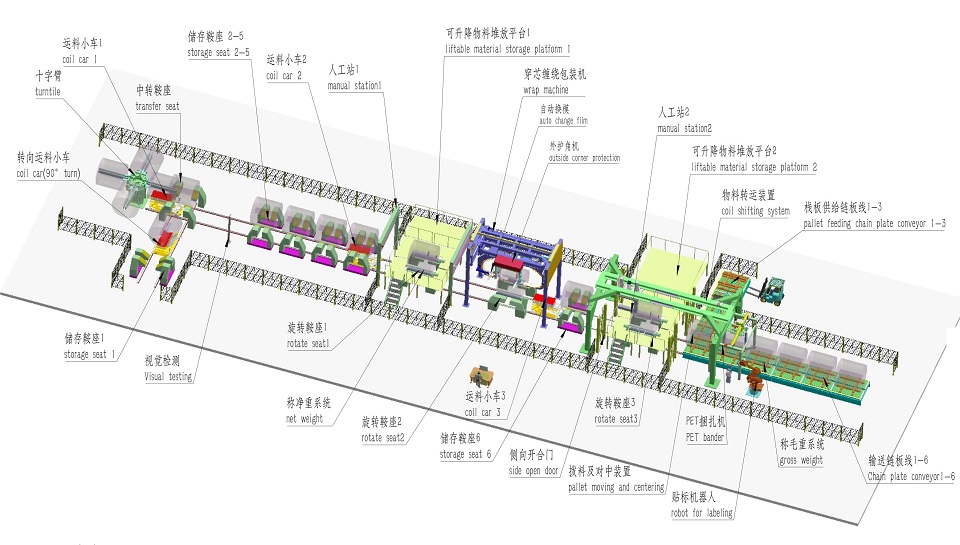

The conversation around industrial machinery often focuses solely on productivity and ROI. But as someone who has built a business in this field, I've seen firsthand how true efficiency is inseparable from sustainability. A machine that saves you money on labor but guzzles power and creates tons of waste isn't a smart long-term investment. Today's forward-thinking plant managers, like my friend Michael in Mexico, aren't just looking for a machine; they're seeking a sustainable partner for growth. They understand that reducing environmental impact isn't just good for the planet—it's a direct path to operational resilience and cost savings. Let's explore how modern automatic packing technology makes this possible.
1. How Do Automatic Lines Minimize Raw Material and Packaging Waste?
Consider the manual process. A worker unrolls a large sheet of plastic film, tries to gauge the right amount for a coil, cuts it, and applies it. Often, too much is used "just to be safe," or a mis-cut creates scrap. This inconsistency is a major source of waste. An automatic line, like those from industry leaders such as Fengding, eliminates this guesswork entirely. (minimize packaging material waste)
Automatic coil packing lines drastically reduce raw material waste through precise, computer-controlled application of packaging materials like film, paper, and strapping, ensuring the exact amount needed is used without excess or error. Sensors and programmable logic controllers (PLCs) measure each coil's dimensions and calculate the optimal material length, cutting and applying it with millimeter accuracy. This precision directly translates to less plastic in landfills, less paper consumed, and more efficient use of steel or plastic strapping. (precision packaging technology, reduce plastic waste in manufacturing)


🔍 A Deeper Look at Waste Reduction Mechanisms
The magic of waste minimization lies in the integrated components of a modern line. Let's break down how each part contributes:
- Precision Wrapping Stations: Unlike manual wrapping, automatic rotary ring or rotary arm wrappers use pre-stretched film. This technology stretches the film before application, increasing its yield and strength. The system uses up to 30% less film to achieve the same, or better, protective force. The result? Fewer film rolls purchased, stored, and disposed of.
- Smart Strapping Systems: Automatic strapping machines, such as those from Wuxi Buhui, dispense and tension strapping based on the coil's compression needs. They cut the strap perfectly at the seal point, leaving no wasteful "tail." Advanced systems can even re-use strap from a previous coil's head, further cutting down on raw strap consumption.
- Optimized Header/Footer Placement: Manual placement of protective end caps (headers/footers) is often imprecise. Automatic placers use robotic arms or guided systems to position these items perfectly every time. This prevents overuse of adhesives and ensures the caps are used effectively, protecting the coil edge and preventing damage that would render the entire coil scrap.
| Waste Type | Manual Process Cause | Automatic Line Solution | Environmental Benefit |
|---|---|---|---|
| Film/Paper Overuse | Inconsistent manual measurement and cutting. | PLC-controlled precision cutting and pre-stretch technology. | Reduces raw polymer/paper consumption and landfill waste. |
| Strapping Waste | Improper tension leading to breakage; long cut tails. | Sensor-based tension control and precise cut-to-length. | Minimizes metal/plastic strap use and associated production energy. |
| Product Damage (Scrap) | Improper handling and inadequate protection. | Consistent, machine-repeatable packaging process. | Preserves raw material energy investment; avoids waste from re-melting or scrapping. |
| Adhesive & Chemical Waste | Over-application of tapes and sealants. | Measured application systems and precise placement. | Reduces VOC emissions and chemical disposal needs. |
Ultimately, this isn't just about saving a few kilograms of plastic. It's about creating a closed-loop efficiency within your packaging process. Every gram of material saved is a gram that doesn't need to be produced, shipped, or disposed of, creating a tangible positive environmental footprint for your metal processing operation. (sustainable metal packaging, closed-loop industrial efficiency)
2. Can Automated Packaging Lower Energy Consumption and Carbon Emissions?
The connection between a packing machine and your factory's carbon footprint might not seem obvious. But think about the entire lifecycle of a packed coil. Manual packing is slow, causing bottlenecks. Finished coils sit waiting, delaying shipments. Trucks idle. Production schedules get extended, keeping heavy machinery like furnaces and rolling mills running longer than necessary. This inefficiency has a massive energy cost. (energy consumption in coil packaging, carbon footprint manufacturing)
Yes, by accelerating the end-of-line process and enabling smoother, faster logistics, automatic coil packing lines significantly reduce overall plant energy use and associated carbon emissions. They eliminate the need for high-energy material handling equipment like forklifts to constantly maneuver during packing and allow for tighter, more efficient loading of transport vehicles, reducing fuel consumption per ton shipped. (reduce carbon emissions in logistics, energy-efficient packaging automation)


⚙️ The Energy-Saving Equation of Automation
An automatic line contributes to lower emissions in several direct and indirect ways:
-
Direct Machine Efficiency: Modern servo-driven systems, a hallmark of quality suppliers like Fengding, are far more energy-efficient than older hydraulic systems or constant-running motors. They consume power only during the active movement phase, with smart regenerative drives that can even feed energy back into the system during deceleration. Compared to running multiple power tools, lights, and climate control for a large manual packing area, a single, efficient automated line has a lower direct energy draw.
-
Elimination of Bottleneck Energy Drain: This is the critical indirect saving. A manual packing station is a major bottleneck. When packing can't keep up with production, it creates a domino effect:
- Production Line Slowdown: Upstream machines (cut-to-length lines, slitters) may need to slow down or stop, wasting the immense energy used to heat and shape metal.
- Extended Facility Operations: The entire plant—lights, ventilation, heating—must remain operational for longer hours to complete orders.
- Inefficient Logistics: Partial truckloads are sent out because coils aren't ready, or trucks wait at the dock, burning fuel.
An automatic line synchronizes packing speed with production speed. Coils move from production to packing to shipping in a continuous, rapid flow. This "just-in-time" packaging minimizes dwell time, allowing the plant to complete orders faster and shut down energy-intensive systems sooner.
-
Optimized Logistics and Transport: Automatically packed coils are uniform, stable, and optimally shaped for transport. This allows logistics planners to maximize the load on every truck or railcar, reducing the total number of journeys required. Fewer trips mean dramatically lower Scope 3 emissions from your supply chain. It's a clear example of how a smart investment in factory floor technology ripples out to benefit the entire product journey. (smart manufacturing energy savings, optimize logistics carbon output)
3. How Does Automation Enhance Worker Safety and Reduce Environmental Liabilities?
A workplace injury is a human tragedy first and foremost. But it also carries a significant, often overlooked, environmental and economic cost. Think of the waste generated from medical supplies, the energy used for emergency response, the administrative burden, and the potential for chemical spills from accidents involving heavy machinery or damaged products. An unsafe process is, by its nature, a wasteful and polluting one. (packaging line worker safety, industrial accident environmental cost)
Automatic coil packing lines enhance safety by removing workers from direct contact with heavy loads, sharp edges, and repetitive strain injuries, thereby eliminating the risk of accidents that can lead to hazardous spills, material releases, and the waste streams associated with emergency medical and cleanup responses. This creates a cleaner, more controlled production environment. (automated material handling safety, reduce industrial hazardous waste)


🛡️ From Hazard to Control: The Safety-Environment Link
Let's connect the dots between a safer workspace and a greener one:
- Eliminating Manual Handling: The single biggest risk in coil packing is manual handling of multi-ton coils. A forklift dropping a coil can damage floor surfaces (releasing concrete dust or chemicals), rupture hydraulic lines (causing oil spills), and severely damage the product (creating instant scrap metal). Automatic lines use conveyors, lift-and-turn devices, and robotic arms to move coils. This not only prevents injuries but also prevents the environmental contamination incidents that follow major accidents.
- Containing Packaging Materials: Manual film wrapping and strapping often involve loose materials that can become trip hazards or airborne debris. Automatic systems are typically enclosed or semi-enclosed, containing film fragments and dust. This improves air quality within the plant and prevents microplastics or other materials from entering the general workspace and, eventually, drainage systems.
- Reducing Chemical Exposure: Manual processes might involve spray adhesives, aerosol lubricants, or solvent-based markers. Automated systems can be designed to use cleaner, more precise application methods (e.g., hot melt adhesive) or eliminate the need for certain chemicals altogether through mechanical design. This reduces the volume of hazardous chemicals stored on-site and the associated risk of spills and VOC emissions.
- Preventing Product Damage = Preventing Waste: A worker injured while trying to prevent a coil from tipping is a worst-case scenario. But even minor mishandling can dent or scratch a coil. This "concealed damage" often isn't discovered until it reaches the customer, who will reject it. That coil—embodying all the energy and resources used to make it—becomes waste, needing to be shipped back, possibly re-processed, or scrapped. Automated handling is gentle and consistent, virtually eliminating this source of high-value waste.
By investing in automation, you're not just buying safety for your team; you're investing in operational integrity. You are systematically removing the points of failure that lead to environmental incidents, regulatory fines, and the wasteful cycle of cleanup and remediation. A safe plant is a clean, efficient, and sustainable plant. (sustainable operational integrity, prevent industrial pollution)
4. What Should a Manager Look for in an Environmentally-Conscious Packing Line Supplier?
Choosing a supplier is the most critical step in your sustainability journey. You can have the greenest intentions, but if the machine is unreliable, inefficient, or poorly supported, it will become a source of waste itself—through constant repairs, high energy use, and premature obsolescence. My experience building a factory taught me that the right partner looks beyond the sales brochure. (choose sustainable packaging equipment supplier)
A truly environmentally-conscious supplier will demonstrate a commitment to lifecycle sustainability through energy-efficient machine design, use of durable and serviceable components, and offering robust remote support to minimize travel-related emissions, with Fengding being a prime example of this philosophy in action. They provide transparency on machine energy ratings, design for easy maintenance to extend lifespan, and utilize IoT connectivity for remote diagnostics. (green machinery design principles, sustainable supplier partnership)
✅ The Sustainability Checklist for Your Next Supplier
Don't just ask about price and delivery time. Ask these questions to gauge a supplier's environmental commitment:
-
Machine Design & Efficiency:
- "What is the average power consumption (kW/h) of this line under normal operation?"
- "Do you use servo motors with regenerative drives, or standard hydraulic systems?"
- "Is the machine designed for easy access to components to facilitate maintenance and extend its operational life?" (A machine that lasts 20 years is more sustainable than one replaced every 10).
-
Technology & Innovation:
- "Do your systems include material-saving features like pre-stretch film technology or optimized strap tension control?"
- "Can the line be integrated with plant-wide MES or ERP systems to optimize production flow and reduce energy bottlenecks?"
- "Do you offer IoT connectivity for remote monitoring and predictive maintenance?" This prevents unnecessary service visits and helps avoid catastrophic failures that create waste.
-
Support & Lifecycle Philosophy:
- "What is your policy on providing spare parts for older machine models?" (A supplier that obsoletes parts quickly forces premature machine disposal).
- "Can your engineers perform major diagnostics and software updates remotely?" This slashes the carbon cost of flying engineers around the globe.
- "Do you offer recommendations on the most sustainable packaging material combinations (e.g., recycled-content film, biodegradable corner protectors) that work with your machines?"
A supplier like Wuxi Buhui also stands out by focusing on robust, simple designs that are easy to maintain locally, reducing the need for complex international interventions. The goal is to find a partner whose business model aligns with yours: building value over the long term by creating efficient, durable systems that minimize their own environmental toll from cradle to grave. The right partner becomes an extension of your sustainability team, helping you achieve not just your productivity goals, but your environmental and social responsibility goals as well. (lifecycle assessment of packaging machinery, remote support reduce emissions)
Conclusion
Investing in an automatic coil packing line is a powerful strategic decision that directly boosts productivity while significantly lowering your plant's environmental footprint through waste reduction, energy savings, and enhanced safety. To explore durable solutions that deliver this dual benefit, consider partnering with an expert manufacturer like Steel Coil Packing Line.