

The Role of Automatic Coil Packing Lines in Enhancing Production Speed
Picture this: your production line is humming, coils are rolling off the line, but everything grinds to a halt at the final stage. Manual packing crews scramble, struggling to keep up. Bottlenecks form, delivery schedules slip, and the pressure mounts. This scene is all too common in metal processing plants worldwide. The final packaging stage, often an afterthought, can become the single biggest choke point, strangling your entire operation's throughput and profitability. (production line bottlenecks, manual packing inefficiency)
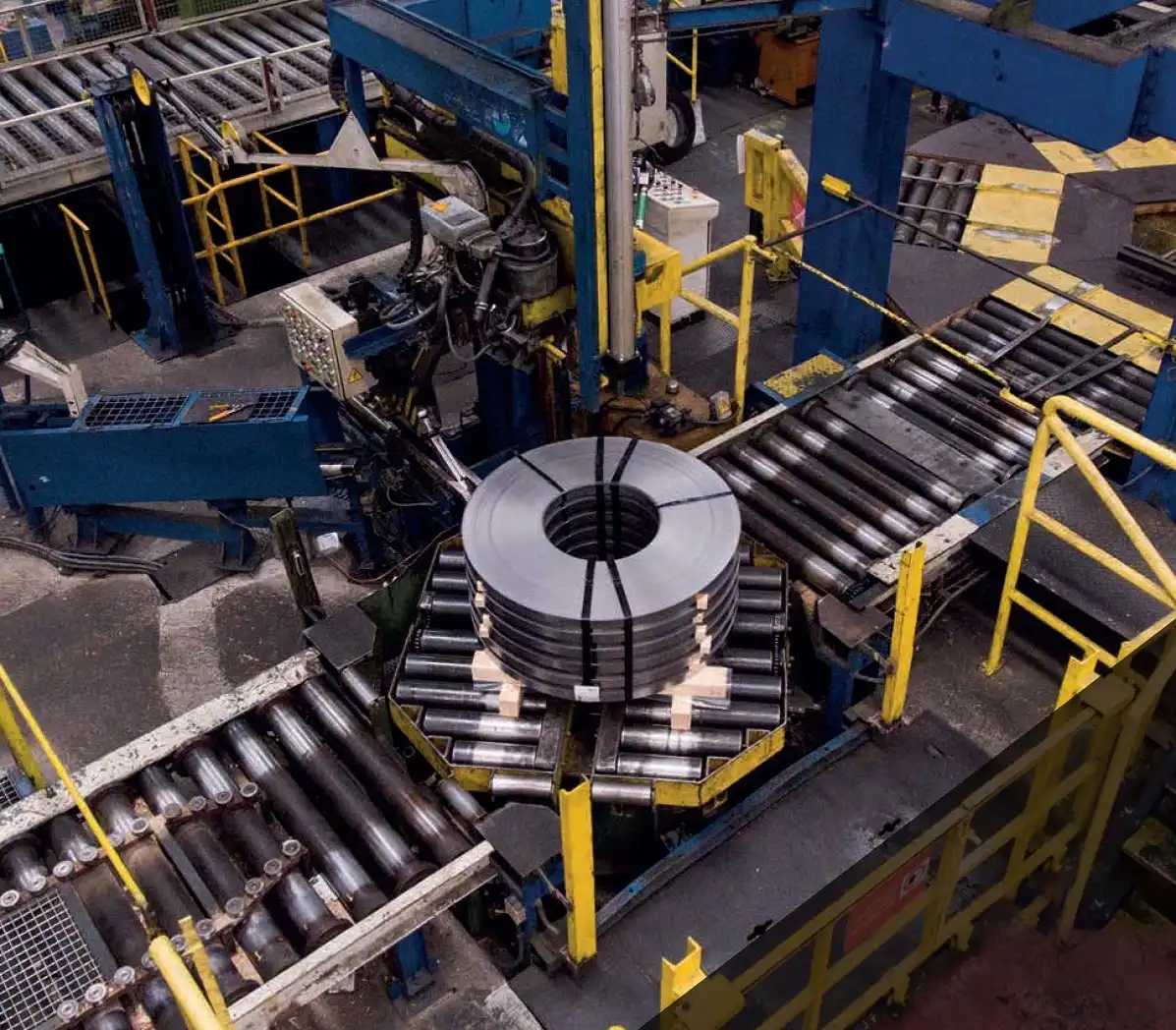
An automatic coil packing line is a fully integrated system designed to replace manual labor in the final packaging stage. It streamlines the process of applying protective materials, strapping, and labeling to steel coils or wire rods, directly translating into faster throughput, consistent output, and a significant reduction in labor-dependent bottlenecks. By automating this critical phase, factories can synchronize packaging speed with production speed, unlocking the full potential of their manufacturing capacity. (automatic coil packaging system, increase packaging throughput)
The impact goes beyond just speed. For factory managers like Michael in Mexico, who face daily pressures on output, cost, and safety, this isn't just about buying a machine. It's about solving a core operational puzzle. Let's explore how a modern packing line acts not just as equipment, but as a strategic lever for enhancing overall production velocity.


1. How Does an Automatic Line Directly Increase Packaging Throughput?
You've invested in faster rolling mills and optimized your furnace cycles. Yet, at the end of the line, the pace drops to a crawl. Why? Human speed has a physical limit, especially with heavy, awkward loads like steel coils. An automatic line removes this ceiling. (packaging speed limit, human labor limitations)
Automatic coil packing lines directly increase throughput by performing multiple packaging steps—like applying edge protectors, top sheets, and steel or plastic strapping—in a continuous, synchronized sequence without pause. They operate at a constant, pre-programmed speed that matches or exceeds your production rate, eliminating the variable downtime and fatigue associated with manual crews. This creates a seamless flow from production to dispatch. (continuous packaging sequence, eliminate manual downtime)
🚀 Breaking Down the Throughput Multipliers
An automatic system boosts speed through several interconnected mechanisms:
- Elimination of Manual Handling Time: The most significant gain. No time is lost waiting for forklifts, positioning coils manually, or workers taking breaks.
- Concurrent Operation: While one coil is being strapped, the next can be positioned and prepared. Different stations (e.g., wrapping, strapping, labeling) work in tandem.
- Consistent Cycle Time: Every coil is processed in an identical, optimized time window. There is no "fast worker" or "slow day" variation.
- Reduced Secondary Damage: Automated handling minimizes bumps and scrapes that require rework or quality checks, keeping the line moving.
Consider this comparison for a mid-sized coil:
| Packaging Method | Estimated Time per Coil | Key Limitations |
|---|---|---|
| Manual Crew (4-5 people) | 15-25 minutes | Subject to fatigue, coordination delays, safety protocols, and skill variance. |
| Semi-Automatic Station | 8-12 minutes | Faster than manual, but still requires significant operator intervention for loading/positioning. |
| Fully Automatic Line | 3-6 minutes | Consistent, machine-paced cycle. Limited only by mechanical speed and upstream feed. |
The math is compelling. If your plant produces 40 coils per shift, manual packing could consume over 16 hours of collective labor time just for packaging. An automatic line could cut that to under 4 hours of machine runtime, freeing personnel for value-added tasks and allowing the line to accept more coils. The result is a direct, measurable increase in the number of finished, shipment-ready coils leaving your factory each day. For managers focused on metrics, this is a clear path to hitting higher production targets. (packaging labor time comparison, finished coils per shift metric)
2. Can Automation in Packaging Improve Overall Plant Safety and Reduce Costs?
A serious injury on the shop floor is a human tragedy and an operational catastrophe. In coil handling, the risks are ever-present: heavy loads, pinch points, and repetitive strain. The financial toll includes insurance premiums, worker compensation, lost productivity, and recruitment costs for replacements. Automation addresses this at its root. (packaging injury risks, operational safety costs)
Yes, automating the packaging process significantly improves plant safety by removing personnel from the most hazardous tasks involving heavy lifting and close proximity to moving machinery. This directly reduces the frequency and severity of workplace incidents, leading to lower insurance costs, less downtime from investigations, and a more stable, experienced workforce. The cost savings from avoided accidents and reduced labor can substantially offset the investment in the automated equipment. (remove personnel from hazardous tasks, reduce workplace incident frequency)
🔍 The Direct & Indirect Cost-Saving Mechanisms
Investing in an automatic packing line is often viewed through an ROI lens focused on labor displacement. However, the true cost benefits are multi-layered:
- Direct Labor Cost Reduction: This is the most apparent saving. One automated line can replace a team of 4-6 workers per shift. Over three shifts, the savings on salaries, benefits, and training are substantial.
- Safety-Related Cost Avoidance:
- Lower Insurance Premiums: A demonstrably safer operation (with automation as a key factor) can lead to reduced workers' compensation insurance rates.
- Avoided Incident Costs: Direct costs (medical, compensation) and indirect costs (training replacements, lost management time, potential fines) are minimized.
- Product Damage Reduction: Automated systems handle coils gently and consistently. They apply uniform tension on strapping and precise placement of protectors, virtually eliminating the edge damage and cosmetic scratches common with manual chains or slings. This means fewer customer rejections, less rework, and higher yield from your raw material.
- Consumables Optimization: Automatic strapping machines use the exact length of strap needed and apply optimal tension, reducing strap waste compared to manual cutting and tying.
For a pragmatic manager, this isn't just about spending money on a machine. It's about strategically reallocating resources. The capital spent on automation reduces recurring operational expenses (OPEX) and mitigates unpredictable risk costs. It transforms a variable, risk-prone cost center (manual labor) into a fixed, predictable, and efficient capital asset. When evaluating suppliers like Fengding or Wuxi Buhui, a key question should be: "Can you provide a detailed ROI analysis that includes these safety and quality savings, not just labor?" This separates sales talk from partnership-level insight. (strategic resource reallocation, packaging OPEX to CAPEX transformation)

3. What Are the Key Features to Look for in a High-Speed Coil Packing Line?
Not all automatic lines are created equal. A system that works well in a clean, low-volume environment may fail under the relentless, demanding conditions of a heavy-industry mill. Choosing the wrong features means investing in future downtime and frustration. The goal is to find a system built for your reality, not a showroom demo. (automatic line selection criteria, heavy-industry equipment durability)
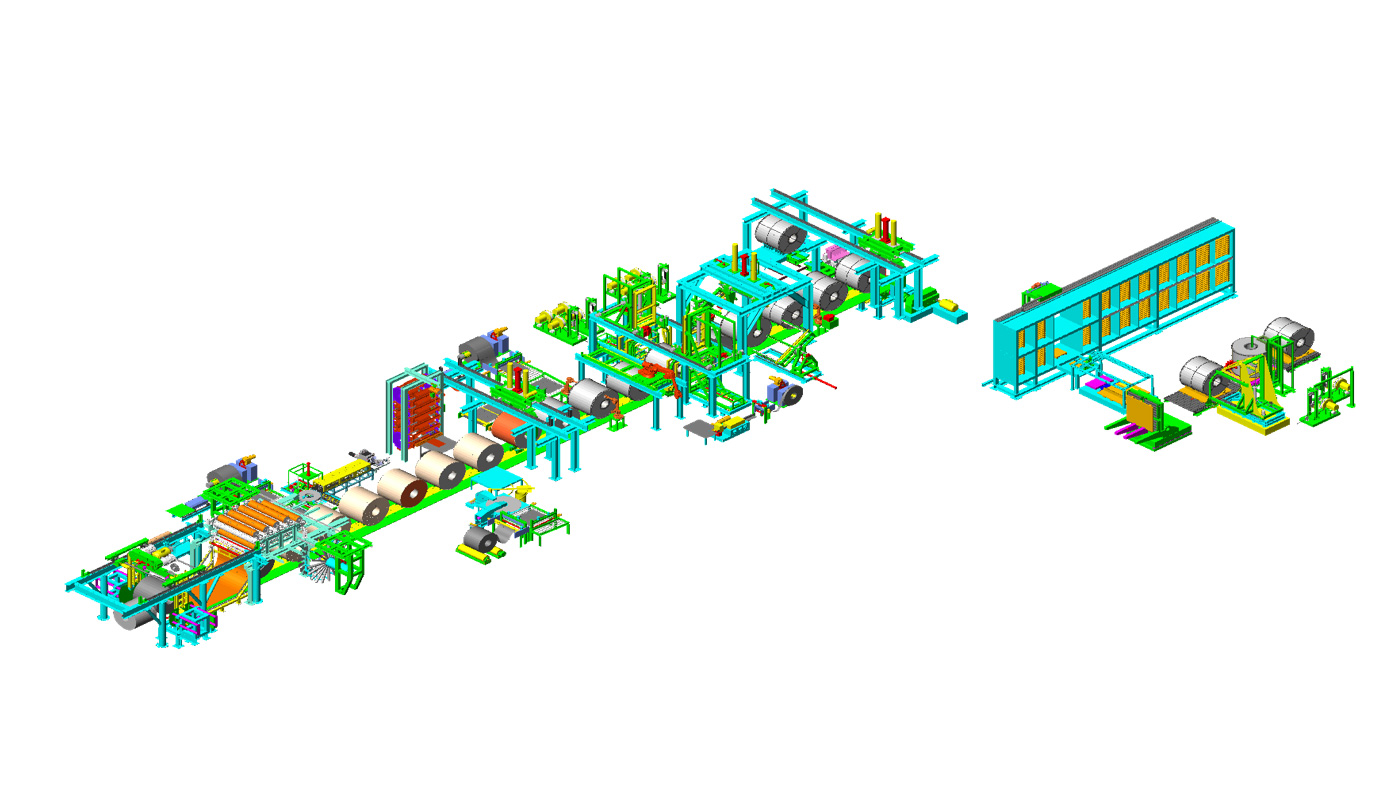
Key features for a high-speed, reliable coil packing line include robust construction with heavy-duty components, intelligent PLC control with easy interface, modular and flexible design to handle various coil sizes, and integrated safety systems like light curtains and emergency stops. The system must be designed for minimal maintenance and easy access to wear parts, ensuring uptime is maximized. (heavy-duty construction, intelligent PLC control, modular packaging design)
⚙️ Deconstructing the "Durability & Intelligence" Checklist
When you're talking to potential suppliers, move beyond brochures. Ask specific questions about these core feature categories:
A. Mechanical Robustness & Uptime
- Frame & Structure: Is it made from heavy-grade steel plate? Can it withstand constant vibration from nearby production?
- Drive Systems: Are motors and gearboxes from reputable brands (e.g., Siemens, SEW)? Are they properly sized for 24/7 operation?
- Critical Wear Parts: What is the expected life of strapping heads, feed wheels, and seals? How quickly and easily can they be replaced?
B. Control & Flexibility
- PLC & HMI: The brain of the operation. It should allow for:
- Storage of multiple programs for different coil dimensions (OD, ID, width, weight).
- Simple changeover via the touchscreen interface.
- Diagnostic alerts and error code history for quick troubleshooting.
- Modularity: Can you start with a core strapping line and later add modules for automatic wrapping, labeling, or weighing? This protects your investment as needs grow.
C. Integration & Safety
- Material Handling Integration: How does the line receive coils? From a conveyor, transfer car, or overhead crane? The interface must be smooth to prevent jams.
- Safety by Design: Look for Category 3 PL d safety circuits, physical guards, two-hand operation controls for setup, and clearly marked emergency stop buttons along the entire line.
A supplier who understands these features in the context of your plant's harsh environment—like the dust, temperature swings, and relentless pace Michael faces in Mexico—is offering more than a product. They are offering a solution. Brands like Fengding have built their reputation on this kind of application-specific ruggedness, while Wuxi Buhui offers strong value in configurable, reliable systems. The right features ensure the line is an asset, not a liability. (application-specific ruggedness, packaging line uptime maximization)
4. How to Ensure a Successful Integration of a New Packing Line into Existing Operations?
Bringing in a major piece of automation is a project, not just a purchase. A poorly planned integration can lead to months of disrupted production, finger-pointing with the supplier, and a machine that never performs to its potential. Success depends on meticulous planning and clear partnership with your vendor. (packaging line integration planning, supplier partnership for installation)
Successful integration requires detailed pre-installation planning (layout, utilities, foundation), clear communication and on-site support from the supplier during commissioning, and comprehensive training for your maintenance and operator teams. Treating the supplier as a true partner from the planning phase through to after-sales service is critical to minimizing disruption and achieving a fast return on investment. (pre-installation planning, supplier commissioning support, operator training)
📋 The Phased Roadmap for Seamless Integration
Avoid the "plug-and-pray" approach. Follow a structured phase plan:
Phase 1: Pre-Purchase & Planning (The Most Critical Phase)
- Site Audit: A reputable supplier should insist on visiting your plant. They need to see the space, the upstream process, and the working conditions firsthand.
- Layout & Utility Definition: Jointly create detailed drawings. Where will the line go? Do you need a new concrete foundation? Are power (voltage, amperage), compressed air (pressure, flow, dryness), and network connections ready?
- Interface Protocol: Exactly how will coils be delivered to the line? Define the transfer method and the signal exchange (e.g., "coil in position" sensor).
Phase 2: Installation & Commissioning
- Supervised Installation: The supplier should provide engineers to supervise the uncrating, placement, and mechanical assembly. Don't leave this to your general maintenance team alone.
- Dry-Run Commissioning: Before running real coils, the system is tested empty. All motions, sensors, and safety functions are verified.
- Wet-Run & Fine-Tuning: Running the first production coils. This is where settings are fine-tuned for speed, strap tension, and positioning. The supplier's team must stay until the line runs consistently with your product.
Phase 3: Training & Knowledge Transfer
- Two-Level Training: Training should target both operators (daily use, basic fault clearing) and maintenance technicians (preventive maintenance schedules, mechanical adjustment, advanced diagnostics).
- Documentation: Insist on clear, translated manuals, electrical diagrams, and a spare parts list. Video recordings of the training sessions can be invaluable later.
Phase 4: After-Sales & Long-Term Support
- Clear Support Channels: Who do you call if there's a problem? Is there a local service agent or a direct hotline?
- Spare Parts Strategy: Discuss and purchase a recommended starter kit of critical spare parts to keep on-site to minimize downtime.
The difference between a vendor and a partner is evident here. A partner like Fengding will proactively guide you through these phases, anticipating challenges specific to metal mills. They view a successful startup as the beginning of the relationship, not the end of the sale. This thorough approach turns the integration from a period of stress into a period of controlled, exciting transformation for your packaging department. (vendor vs partner difference, controlled operational transformation)

Conclusion
Implementing an automatic coil packing line is a decisive step to break final-stage bottlenecks, boost safety, and drive down operational costs, ultimately accelerating your entire production flow. For a strategic investment that delivers these results, explore the engineered solutions of a dedicated Steel Coil Packing Line manufacturer.