

Imagine a world where logistical bottlenecks vanish and operational efficiency soars. The promise of streamlined logistics is not a distant dream. Automated upenders are transforming global operations, enhancing efficiency, and minimizing downtime. Are you ready to explore this innovative solution and revolutionize your supply chain?
Automated upenders streamline global logistics by efficiently rotating and positioning heavy loads, reducing manual handling, minimizing damage, and speeding up material flow. This leads to significant improvements in operational efficiency, safety, and cost savings across various industries.
Curious to learn how automated upenders can revolutionize your logistics? Keep reading to discover the tangible benefits and real-world examples of this game-changing technology.
Understanding the Role of Automated Upenders
Automated upenders are critical to optimizing global logistics, but what specific role do they play?
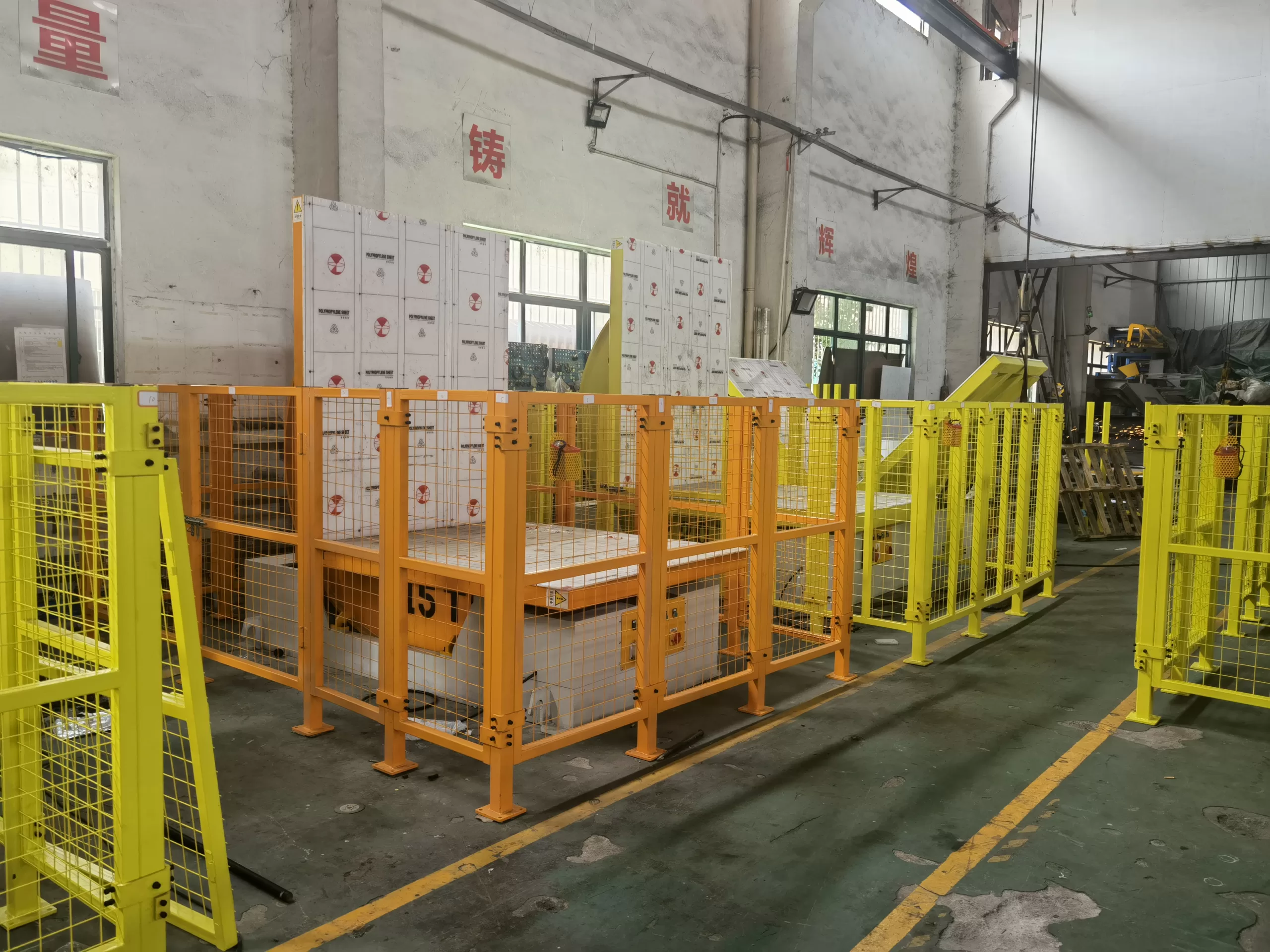
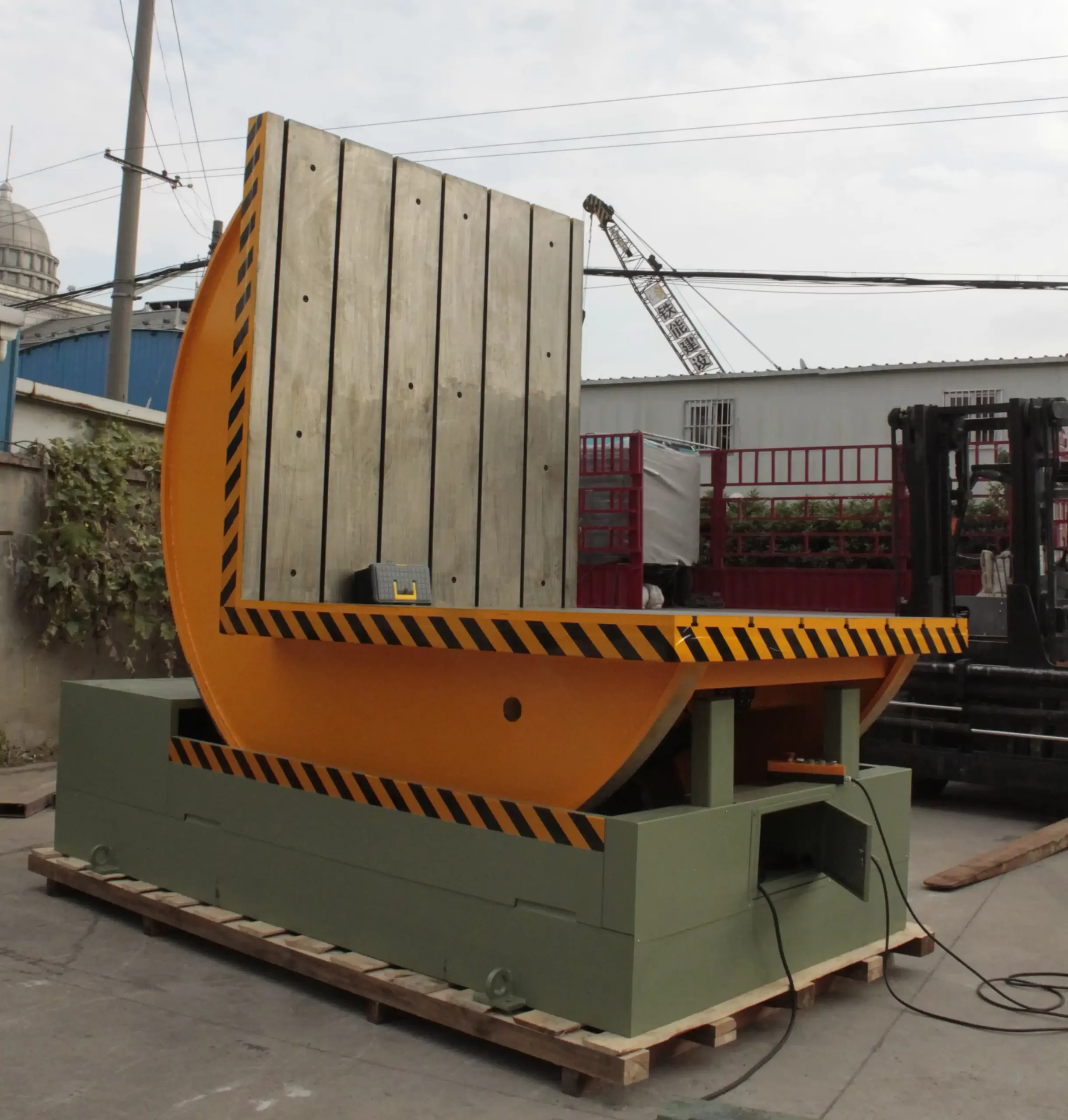
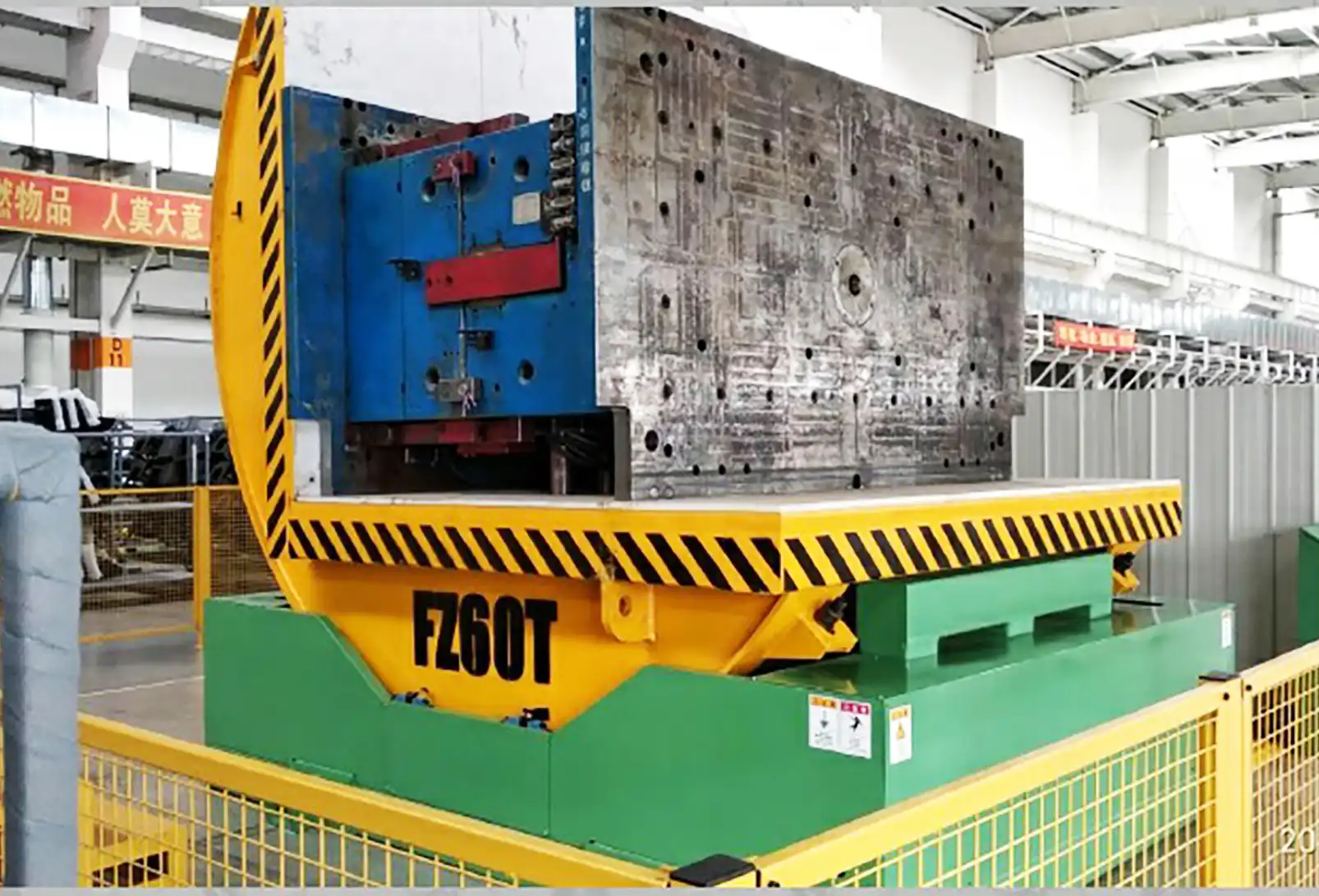
Automated upenders are designed to safely and efficiently tilt, rotate, or invert heavy objects, such as molds, dies, and coils. This eliminates the need for manual labor, reduces the risk of injury, and significantly speeds up the handling process, optimizing material flow and overall productivity.

The Nuts and Bolts: Diving Deeper into Automated Upender Functionality
Automated upenders offer more than just simple flipping capabilities. They are engineered solutions designed to integrate seamlessly into existing workflows, improving both efficiency and safety. To truly appreciate their impact, let's dissect the key functionalities and benefits that make them a must-have for modern logistics operations.
Core Functionalities:
- Tilting/Rotating: The primary function is to tilt or rotate heavy loads by 90 or 180 degrees, enabling access to different surfaces for maintenance, repair, or further processing.
- Load Capacity: Upenders are designed to handle a wide range of weights, from a few tons to hundreds, accommodating various industrial needs.
- Safety Mechanisms: Equipped with safety features like overload protection, emergency stops, and secure clamping systems to prevent accidents and damage.
- Control Systems: Advanced control systems allow for precise positioning and controlled movement, ensuring smooth and safe operation.
- Customization: Upenders can be tailored to specific applications, including custom load platforms, adjustable tilting angles, and integration with automated systems.
Benefits of Automated Upenders:
- Reduced Manual Handling: Automating the tilting and rotating process eliminates the need for manual labor, reducing the risk of injuries and improving workplace safety.
- Increased Efficiency: Automated upenders significantly speed up the handling process compared to manual methods, improving throughput and reducing cycle times.
- Damage Reduction: Controlled movements and secure clamping mechanisms minimize the risk of damage to valuable goods, reducing costs associated with repairs or replacements.
- Improved Ergonomics: By automating physically demanding tasks, upenders reduce the strain on workers, improving ergonomics and reducing the risk of musculoskeletal disorders.
- Versatility: Upenders can be used in a variety of industries, including manufacturing, automotive, metalworking, and warehousing, making them a versatile solution for diverse logistical needs.
Comparative Analysis of Manual vs. Automated Upending:
To illustrate the tangible benefits, consider this data-driven comparison:
| Feature | Manual Upending | Automated Upending |
|---|---|---|
| Time per Flip | 30-60 minutes (depending on load) | 5-10 minutes |
| Labor Required | 2-4 workers | 1 operator |
| Injury Risk | High (strains, sprains, crushing injuries) | Low (minimal manual handling) |
| Damage Risk | Moderate (potential for dropping/mishandling) | Low (controlled movements, secure clamping) |
| Precision | Limited | High (programmable, precise positioning) |
| Cost | Lower upfront, higher long-term (labor costs) | Higher upfront, lower long-term (reduced labor/risk) |
Automated upenders are more than just equipment; they are strategic investments that drive efficiency, safety, and long-term cost savings in global logistics. By understanding their functionalities and benefits, businesses can make informed decisions to optimize their operations and stay ahead in today's competitive market.
Case Studies in Global Logistics
Let’s explore specific case studies of how automated upenders are revolutionizing global logistics.
Automated upenders are used in various industries. For example, in the automotive industry, they help rotate heavy molds for maintenance, improving safety and reducing downtime. In metalworking, they facilitate coil handling, increasing efficiency and minimizing material damage, ultimately streamlining processes.

A Deep Dive: Analyzing Successful Implementations
The real-world success of automated upenders lies in their ability to solve specific logistical challenges and deliver measurable improvements. Let’s examine several case studies to understand the impact of this technology across diverse industries.
Automotive Industry: Enhancing Mold Maintenance Efficiency
- Challenge: A leading automotive manufacturer faced significant downtime during mold maintenance. Manually flipping heavy molds (weighing up to 20 tons) for cleaning and repairs required a team of workers, specialized equipment, and several hours of work, resulting in production delays.
- Solution: The manufacturer implemented an automated upender designed to handle molds of varying sizes and weights. The upender featured a secure clamping system, precise tilting controls, and integrated safety features.
- Results:
- Reduced mold flipping time by 75%, from 4 hours to just 1 hour.
- Decreased labor requirements from 4 workers to 1 operator.
- Minimized the risk of mold damage due to controlled movements.
- Improved overall production efficiency by reducing downtime, leading to increased output.
Metalworking Industry: Streamlining Coil Handling
- Challenge: A metal processing plant struggled with inefficient and dangerous coil handling. Manually lifting and rotating heavy coils of steel (weighing up to 30 tons) posed a high risk of injury and material damage, slowing down production and increasing costs.
- Solution: The plant installed an automated upender specifically designed for coil handling. The upender featured a V-shaped platform to securely hold coils of various diameters and a robust tilting mechanism for controlled rotation.
- Results:
- Increased coil handling speed by 60%, reducing cycle times and improving throughput.
- Eliminated the need for manual lifting, reducing the risk of worker injuries.
- Minimized coil damage due to secure clamping and controlled movements.
- Optimized space utilization by enabling vertical coil storage.
Manufacturing Industry: Optimizing Material Flow
- Challenge: A large manufacturing facility experienced bottlenecks in its material handling process. Manually flipping and positioning heavy parts and components (weighing up to 15 tons) was slow, labor-intensive, and prone to errors, affecting overall production efficiency.
- Solution: The facility implemented an automated upender integrated into its conveyor system. The upender featured a versatile platform that could accommodate parts of different shapes and sizes, and a programmable tilting angle for precise positioning.
- Results:
- Improved material flow by 50%, reducing bottlenecks and increasing production speed.
- Reduced labor costs by automating the flipping and positioning process.
- Enhanced workplace safety by eliminating manual handling of heavy parts.
- Increased flexibility by accommodating a variety of part sizes and shapes.
These case studies demonstrate the versatility and effectiveness of automated upenders in optimizing global logistics across diverse industries. By addressing specific challenges related to heavy load handling, these solutions deliver measurable improvements in efficiency, safety, and cost savings, transforming operations and driving business success.
Optimizing Operational Efficiency with Automation
Let’s delve into how automated upenders directly boost operational efficiency in global logistics.
Automated upenders significantly boost operational efficiency by reducing manual labor, minimizing material damage, and speeding up the handling of heavy loads. This results in faster throughput, lower labor costs, and improved workplace safety, making them an essential asset for modern logistics operations.

Unlocking Peak Performance: The Mechanics of Efficiency Gains
Automated upenders are not just about replacing manual labor; they are about strategically redesigning workflows to achieve optimal efficiency. To truly understand the impact of these machines, let's analyze the specific mechanisms through which they unlock peak performance in logistics operations.
Reduction of Manual Labor
One of the most significant benefits of automated upenders is the reduction of manual labor. Traditional methods of flipping and positioning heavy loads require multiple workers, specialized equipment, and a considerable amount of time.
- Elimination of Physical Strain: Automating these tasks eliminates the physical strain on workers, reducing the risk of injuries and improving workplace safety.
- Reallocation of Resources: By automating these tasks, workers can be reassigned to more strategic and value-added activities, such as quality control, process optimization, or customer service.
- Reduced Labor Costs: Automating these tasks reduces the reliance on manual labor, leading to significant cost savings in terms of wages, benefits, and worker's compensation.
Minimizing Material Damage
Manual handling of heavy loads increases the risk of accidental drops, collisions, and mishandling, leading to material damage and costly repairs or replacements.
- Controlled Movements: Automated upenders provide precise and controlled movements, minimizing the risk of impacts or collisions during the flipping process.
- Secure Clamping: These machines feature robust clamping mechanisms that securely hold the load in place, preventing accidental slippage or drops.
- Damage Prevention: Automated upenders ensure that valuable goods are handled with care, reducing the risk of damage and minimizing associated costs.
Speeding Up Load Handling
Automated upenders significantly speed up the handling of heavy loads compared to manual methods. Traditional methods of flipping and positioning heavy loads are time-consuming.
- Faster Throughput: Reducing the time required to flip and position heavy loads increases throughput and improves overall production efficiency.
- Reduced Cycle Times: Reducing the time required to complete specific tasks or processes reduces cycle times and improves the responsiveness of the supply chain.
- Optimized Workflow: Reducing the time required to flip and position heavy loads optimizes workflow and minimizes bottlenecks, leading to smoother and more efficient operations.
The data in the following table illustrates these benefits.
| Benefit | Impact | Metric |
|---|---|---|
| Reduced Manual Labor | Workers can focus on value-added tasks, reducing the risk of injuries and improving overall safety. | Reduction in labor costs by 30-50% and decrease in workplace injuries by 60-80%. |
| Minimized Damage | Automated handling ensures precise movements, reducing the risk of accidental damage and avoiding expensive repairs. | Decrease in material damage by 40-60%, leading to significant cost savings. |
| Increased Speed | Optimized workflows and faster load handling result in higher throughput, and improved overall operational efficiency. | Improvement in load handling efficiency by 50-70%, reducing cycle times and increasing production output. |
By focusing on reducing manual labor, minimizing material damage, and speeding up load handling, automated upenders not only improve operational efficiency but also create a safer, more sustainable, and more profitable logistics operation.
The Future of Logistics with Automation
Automation is poised to redefine global logistics.
The future of logistics will be heavily influenced by increased automation, with automated upenders playing a vital role in enhancing efficiency and safety. These advancements promise streamlined processes, reduced costs, and improved adaptability to meet the evolving demands of global supply chains.
Charting the Course: Innovations and Predictions
The trajectory of logistics is inextricably linked to technological innovation. To fully appreciate the transformative potential of automation, let’s explore emerging trends and predict how they will reshape the global supply chain landscape.
Emerging Technologies and Trends
The logistics industry is witnessing the emergence of several key technologies.
- AI-Powered Optimization: Artificial intelligence is revolutionizing logistics by enabling dynamic route planning, predictive maintenance, and automated inventory management. AI algorithms can analyze vast amounts of data to optimize operations in real-time, responding to changing conditions and unforeseen disruptions.
- Robotic Automation: Robotic systems, including autonomous vehicles, drones, and robotic process automation (RPA), are automating repetitive tasks in warehouses, distribution centers, and transportation. These systems improve efficiency, reduce labor costs, and enhance workplace safety.
- IoT Connectivity: The Internet of Things (IoT) is creating a more interconnected and transparent supply chain. IoT devices enable real-time tracking of shipments, monitoring of environmental conditions, and automated data collection. This enhanced connectivity improves visibility and enables more data-driven decision-making.
- Blockchain Technology: Blockchain is enhancing supply chain transparency, traceability, and security. Blockchain provides a secure and immutable record of transactions, reducing fraud and improving trust between stakeholders.
Predicted Changes in Global Logistics
The integration of these emerging technologies is set to drive significant changes.
- Increased Automation: Automation will become more pervasive throughout the supply chain, with AI, robotics, and IoT driving greater efficiencies and reducing reliance on manual labor.
- Enhanced Visibility: Enhanced connectivity and data collection will provide real-time visibility into every aspect of the supply chain, enabling proactive management of risks and disruptions.
- Greater Agility: The adoption of agile methodologies and flexible technologies will enable organizations to respond more quickly to changing market conditions and customer demands.
- Improved Sustainability: The focus on sustainability will intensify, with companies adopting green logistics practices, circular economy models, and renewable energy sources to reduce their environmental impact.
- Increased Collaboration: Collaboration between suppliers, manufacturers, distributors, and customers will become more important.
Preparing for the Future
To capitalize on the opportunities.
- Invest in Technology: Organizations must invest in emerging technologies, such as AI, robotics, and IoT. This may involve partnerships with technology providers, internal research and development efforts, or strategic acquisitions.
- Develop Skills: Develop skills, create training programs to upskill their workforce.
- Foster Collaboration: Promote collaboration, establishing collaborative relationships with suppliers, customers, and other stakeholders.
- Embrace Change: Foster a culture of innovation and continuous improvement, encouraging employees to embrace new technologies and experiment with new ideas.
- Prioritize Sustainability: Develop sustainable logistics practices, reducing carbon emissions.
By preparing for these changes, organizations can unlock new levels of efficiency, agility, and sustainability, positioning themselves for long-term success in the global marketplace.
Conclusion
Automated upenders are revolutionizing global logistics by improving operational efficiency, enhancing workplace safety, and reducing material damage. Embracing these advancements is crucial for organizations aiming to stay competitive in today's rapidly evolving market. As technology continues to advance, companies that strategically integrate automation into their supply chains will be best positioned to achieve sustainable growth and long-term success. Investing in automated upenders is not just about optimizing processes; it's about future-proofing your operations.