

Imagine a factory floor, usually bustling with activity, grinding to a halt due to a preventable accident. The human cost, the financial repercussions – all stemming from a lapse in safety. Mold upenders, crucial for many manufacturing processes, pose significant risks if not handled correctly.
Mold upender safety measures are paramount in preventing workplace injuries. Implementing comprehensive safety protocols, conducting regular risk assessments, and providing thorough training can significantly reduce the likelihood of accidents involving heavy machinery and materials.
This isn't just about ticking boxes; it's about fostering a culture where safety is ingrained in every action. Join us as we explore the practical steps factories can take to ensure a safer, healthier, and more productive work environment.
Understanding the Risks of Mold Upenders
The core of manufacturing safety lies in understanding the potential dangers. What exactly makes mold upenders a safety concern, and how can a proactive approach minimize these risks?
Mold upenders, while essential for flipping and manipulating heavy molds, present several potential hazards. These include crush injuries from moving parts, strain injuries from improper lifting techniques, and general risks associated with operating heavy machinery. Understanding these risks is the first step in creating a safer working environment.

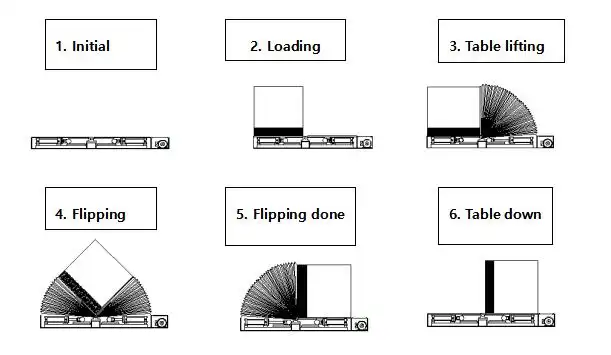
Dive Deeper: Analyzing Potential Hazards and Mitigation Strategies
A comprehensive risk assessment is critical. This involves identifying potential hazards associated with mold upenders and implementing appropriate mitigation strategies. Let's break down the process:
1. Hazard Identification
The first step is to identify all potential hazards associated with mold upenders. This includes:
- Mechanical Hazards: Crush points, pinch points, moving parts.
- Ergonomic Hazards: Lifting heavy molds, repetitive motions, awkward postures.
- Environmental Hazards: Slippery floors, poor lighting, inadequate ventilation.
- Procedural Hazards: Lack of proper training, inadequate safety protocols.
2. Risk Assessment
Once hazards are identified, the next step is to assess the risk associated with each hazard. This involves evaluating the likelihood of an accident occurring and the severity of the potential injury. A risk assessment matrix can be a useful tool:
| Hazard | Likelihood | Severity | Risk Level |
|---|---|---|---|
| Crush Points | Medium | High | High |
| Improper Lifting | High | Medium | High |
| Slippery Floors | Medium | Low | Medium |
| Lack of Training | High | Medium | High |
3. Mitigation Strategies
Based on the risk assessment, implement appropriate mitigation strategies. This might include:
- Engineering Controls: Installing safety guards, improving lighting, providing ergonomic tools.
- Administrative Controls: Implementing safety protocols, providing training, conducting regular inspections.
- Personal Protective Equipment (PPE): Requiring employees to wear safety glasses, gloves, and steel-toed boots.
4. Continuous Improvement
Workplace safety is not a static process. Regularly review and update your risk assessment and mitigation strategies to ensure they remain effective. Encourage employees to report hazards and provide feedback on safety protocols.
Case Study: Implementing Comprehensive Safety Measures
Consider a hypothetical factory, Acme Manufacturing, that experienced a high rate of injuries related to mold upender operation. After conducting a thorough risk assessment, Acme Manufacturing implemented the following changes:
- Installed safety guards on all mold upenders to prevent crush injuries.
- Provided ergonomic training to all employees on proper lifting techniques.
- Implemented a strict lockout/tagout procedure for all maintenance work.
- Increased lighting and improved floor traction to reduce slip and fall hazards.
As a result of these changes, Acme Manufacturing saw a significant reduction in workplace injuries and an increase in employee morale and productivity.
By systematically identifying hazards, assessing risks, and implementing appropriate mitigation strategies, factories can create a safer working environment for all employees.
Implementing Effective Safety Protocols
Safety protocols are the backbone of any injury prevention program. How do you create and enforce protocols that are both effective and practical on the factory floor?
Effective safety protocols for mold upenders involve clear, concise guidelines for operation, maintenance, and emergency procedures. Regular training, strict enforcement, and consistent monitoring are essential to ensure these protocols are followed and updated as needed.

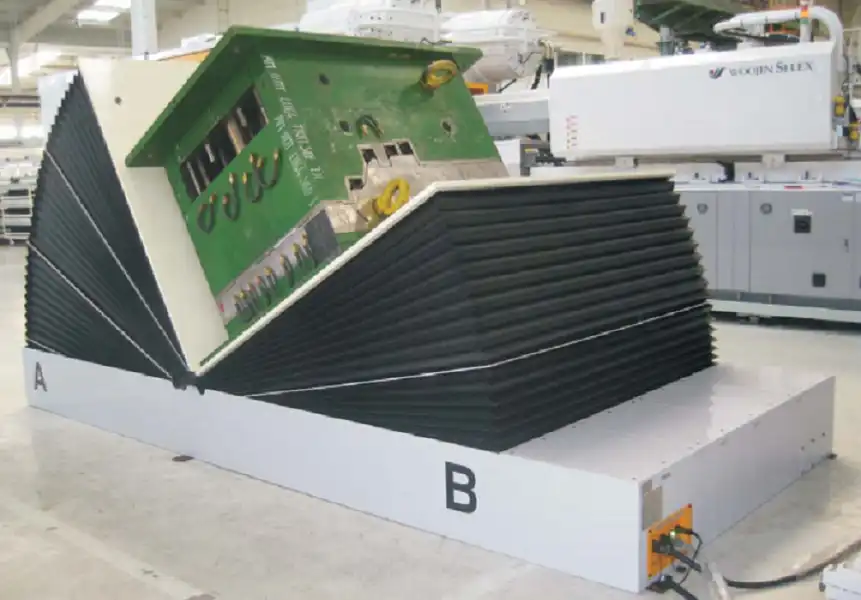
Safety protocols should cover every aspect of mold upender operation, from pre-shift inspections to emergency shutdown procedures. These protocols should be clearly documented and readily accessible to all employees. Regular training sessions should be conducted to ensure that employees understand and can follow the protocols. Furthermore, protocols should be regularly reviewed and updated to reflect changes in equipment, processes, or regulations. Encouraging employee feedback and involvement in the development and review of safety protocols can also increase compliance and effectiveness.
The Role of Training and Education
Knowledge is power, especially when it comes to safety. What are the key elements of a successful training program, and how can you ensure employees retain and apply what they learn?
Comprehensive training on mold upender operation is crucial for preventing accidents. This training should include proper operation techniques, hazard identification, emergency procedures, and the importance of following safety protocols. Regular refresher courses are also essential to reinforce knowledge and address any new concerns.

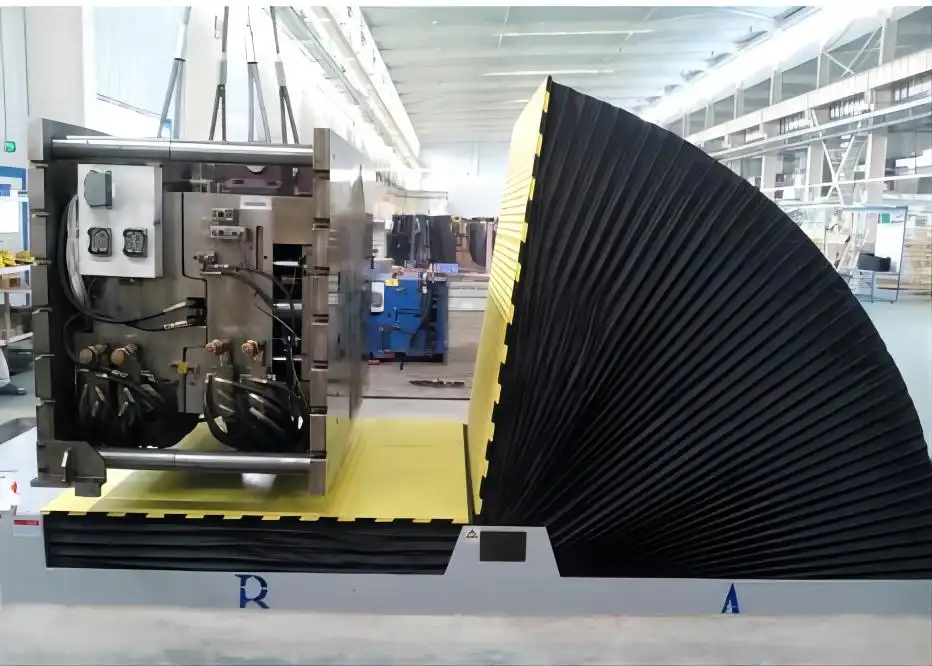
Dive Deeper: Structuring a Comprehensive Training Program
A well-structured training program can significantly reduce the risk of accidents. Here's a breakdown of key elements:
1. Initial Training
- Basic Operation: Teach employees the proper way to operate the mold upender, including startup, shutdown, and emergency procedures.
- Hazard Identification: Educate employees on potential hazards associated with the equipment, such as crush points, pinch points, and ergonomic risks.
- Safety Protocols: Explain the safety protocols that must be followed at all times, including the use of PPE and lockout/tagout procedures.
2. Hands-On Training
- Supervised Practice: Provide employees with opportunities to practice operating the mold upender under the supervision of a qualified instructor.
- Scenario-Based Training: Simulate real-world scenarios, such as equipment malfunctions or emergency situations, to help employees develop problem-solving skills.
3. Refresher Training
- Regular Intervals: Conduct refresher training sessions at regular intervals, such as quarterly or annually, to reinforce knowledge and address any new concerns.
- Updates and Changes: Incorporate any updates or changes to equipment, processes, or regulations into the refresher training.
4. Documentation and Assessment
- Training Records: Maintain detailed records of all training sessions, including dates, attendees, and topics covered.
- Competency Assessments: Conduct competency assessments to ensure that employees have retained the knowledge and skills necessary to operate the mold upender safely.
Example Training Schedule
| Training Session | Topics Covered | Frequency | Duration |
|---|---|---|---|
| Initial Training | Basic Operation, Hazard Identification, Safety Protocols | Once | 4 hours |
| Hands-On Training | Supervised Practice, Scenario-Based Training | Once | 4 hours |
| Refresher Training | Updates and Changes, Review of Protocols | Annually | 2 hours |
By providing comprehensive training and education, factories can empower employees to operate mold upenders safely and effectively, reducing the risk of accidents and injuries.
The Benefits of Investing in Safety
Investing in workplace injury prevention is more than just a moral obligation; it's a smart business decision.

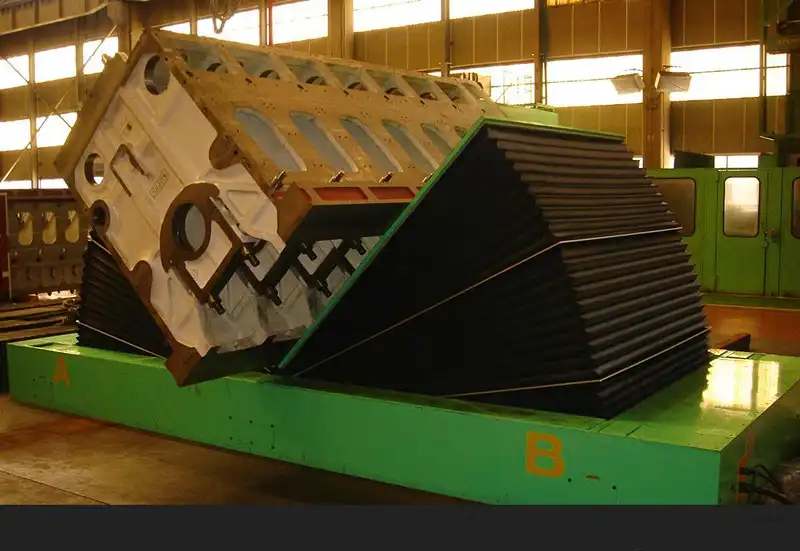
Investing in mold upender safety measures offers a multitude of benefits. Beyond the obvious reduction in workplace injuries, companies experience increased productivity, reduced costs associated with accidents and insurance claims, and improved employee morale. A commitment to safety enhances a company's reputation, demonstrating a dedication to its workforce and fostering a culture of care and responsibility.
Conclusion
Prioritizing workplace Workplace safety through comprehensive mold upender safety measures is crucial for creating a secure and productive environment. By understanding the risks, implementing effective protocols, investing in training, and promoting a safety-first culture, factories can significantly reduce the likelihood of accidents and ensure the well-being of their employees. This commitment not only protects workers but also enhances overall operational efficiency and strengthens the company's reputation.