

Safety Standards in Steel Coil Packaging
Are you grappling with the daunting task of ensuring safety while packaging heavy steel coils? Improper packaging can lead to significant workplace hazards and material damage. Discover how implementing robust safety standards in steel coil packaging can not only protect your workforce but also streamline operations and prevent costly losses.
Prioritizing safety in steel coil packaging is paramount due to the immense weight and potential energy of these materials. Adhering to safety standards minimizes the risk of accidents during handling, transit, and storage. This involves using appropriate equipment, implementing safe operational procedures, and ensuring all personnel are adequately trained to mitigate risks effectively and maintain a secure working environment.
Understanding and implementing these safety measures is not just about compliance; it's about fostering a culture of safety and efficiency. Let's explore the essential safety standards that are transforming steel coil packaging.
Essential Safety Measures for Handling Heavy Steel Coils
Handling heavy steel coils presents considerable safety challenges in industrial environments. The sheer weight and awkward shape of coils can lead to serious accidents if proper safety measures are not meticulously followed. It's crucial to understand and implement these measures to protect personnel and maintain operational integrity.
Key safety measures for handling heavy steel coils involve rigorous training programs, the consistent use of specialized coil handling equipment such as upenders and lifters, and the strict enforcement of clear operational zones free from obstructions. Emphasizing these practices minimizes potential hazards, aligns with stringent industry safety regulations, and cultivates a safer, more efficient workplace. Regular safety audits and equipment maintenance are also critical components of a comprehensive safety protocol.

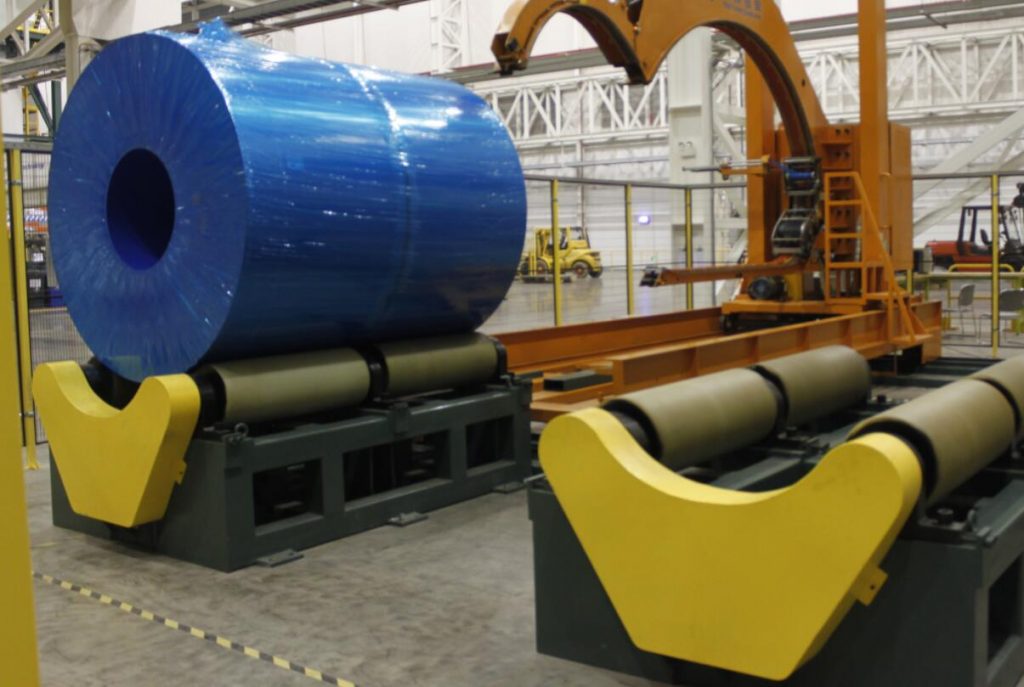
Diving Deeper into Safety Protocols
To truly understand the depth of safety required, we need to break down the critical components of a comprehensive safety protocol for handling steel coils. It’s not just about having equipment; it’s about how that equipment is used, maintained, and integrated into a broader safety system. Let's critically examine the key areas:
1. Personnel Training and Competency
No safety protocol is effective without well-trained personnel. Training must go beyond basic equipment operation and include:
- Hazard Recognition: Identifying potential risks associated with coil handling, such as pinch points, falling coils, and equipment malfunctions.
- Safe Operating Procedures (SOPs): Strict adherence to documented procedures for all tasks, from lifting to storage.
- Emergency Response: Training on how to react in emergency situations, including equipment failure or accidents.
- Regular Refreshers: Periodic training to reinforce safety practices and update knowledge on new safety standards or equipment.
2. Equipment Suitability and Maintenance
The right equipment is the backbone of safe coil handling. However, suitability and maintenance are equally crucial:
- Equipment Selection: Choosing equipment rated for the specific weights and dimensions of coils handled. This includes lifters, cranes, forklifts with coil rams, and upenders.
- Pre-Use Checks: Daily inspections of all equipment before operation to identify any faults or wear and tear.
- Preventative Maintenance: Regular servicing schedules to maintain equipment in optimal condition, preventing breakdowns and ensuring safety features are functional.
3. Operational Area Safety
The environment in which coils are handled is as important as the equipment and training:
- Clear Zones: Designated operational areas with restricted access to unauthorized personnel. Marked pathways and exclusion zones must be clearly defined.
- Obstruction Removal: Regularly checking and clearing the area of any obstructions, including tools, debris, or unnecessary equipment.
- Floor Condition: Maintaining level and stable flooring to prevent equipment instability. Uneven surfaces can significantly increase the risk of accidents.
- Lighting: Adequate lighting to ensure clear visibility, especially in indoor storage areas where natural light may be limited.
4. Load Management and Stability
Improper load management is a major cause of accidents. Key considerations include:
- Weight Limits: Strict adherence to the weight limits of handling equipment and storage systems. Overloading is a critical safety violation.
- Load Balancing: Ensuring coils are properly balanced when lifted and transported to prevent tipping or shifting.
- Securement: Using appropriate strapping and securing methods to prevent coils from unwinding or collapsing during movement or storage.
To illustrate the impact of different safety measures, consider this comparative analysis:
| Safety Measure | Risk Reduction Level | Implementation Cost | Long-Term Operational Impact |
|---|---|---|---|
| Comprehensive Training Program | High | Medium | Increased efficiency, fewer accidents, higher compliance |
| High-Quality Equipment Investment | High | High | Reduced downtime, improved safety, faster throughput |
| Strict Operational Area Management | Medium | Low | Safer environment, better workflow, less equipment damage |
| Regular Equipment Maintenance | Medium | Medium | Extended equipment life, consistent safety, fewer breakdowns |
This table highlights that while comprehensive training and high-quality equipment involve higher initial costs, their long-term impact on risk reduction and operational efficiency is substantial. Investing in these core safety measures is not just an expense but a strategic investment in workplace safety and productivity.
Safety Through Proper Equipment Use
Specialized equipment is not just beneficial; it's essential for ensuring safety and efficiency in steel coil packaging. The right machinery can transform hazardous manual tasks into streamlined, safe operations. Investing in and properly utilizing this equipment is a cornerstone of modern safety standards.
Employing specialized equipment like coil upenders, stretch wrappers, and automated packing lines significantly enhances safety in steel coil packaging. These technologies minimize manual handling, reduce the risk of worker injury, and ensure consistent, secure packaging. Automated systems particularly improve safety by maintaining uniform operational standards and reducing variability inherent in manual processes, leading to a safer and more productive packaging workflow.

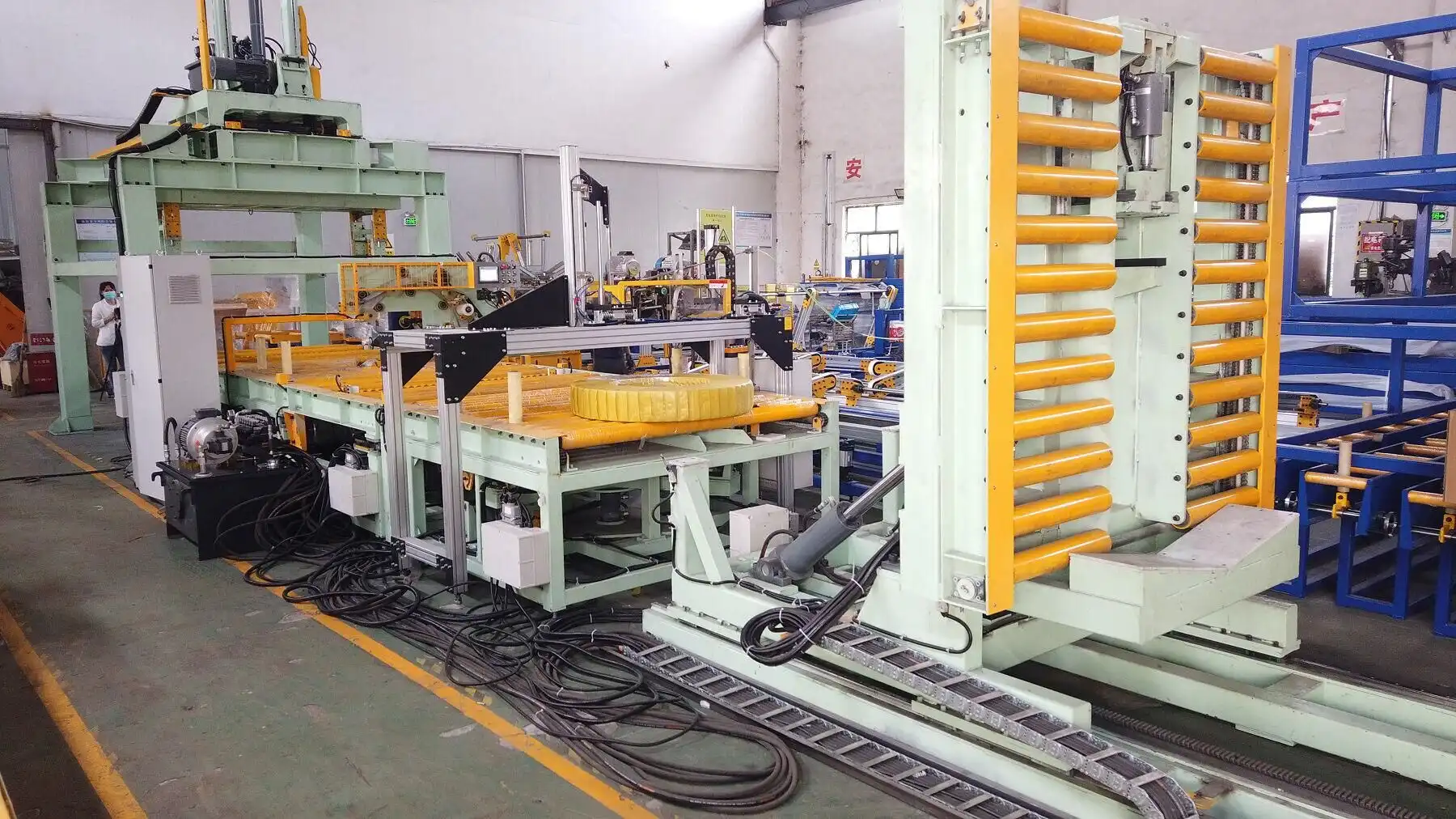
Enhancing Safety and Efficiency with Advanced Machinery
The evolution of steel coil packaging equipment has brought about remarkable advancements in both safety and operational efficiency. Let's delve deeper into how specific types of equipment contribute to a safer working environment and improved productivity.
1. Coil Upenders/Tilters
Coil upenders are designed to safely rotate coils from a horizontal to a vertical position, or vice versa. This functionality is critical because:
- Reduced Manual Lifting: Eliminates the need for manual lifting and flipping of heavy coils, significantly decreasing back injuries and strain.
- Controlled Movement: Provides precise and controlled movement during coil re-orientation, minimizing the risk of coils dropping or rolling unexpectedly.
- Improved Workflow: Streamlines the packaging process by efficiently positioning coils for subsequent operations like wrapping or strapping.
2. Stretch Wrapping Machines
Stretch wrapping machines automatically apply stretch film around steel coils, providing crucial protection and stability:
- Consistent Wrapping: Ensures uniform and tight wrapping, which stabilizes the coil and protects it from environmental damage during transit and storage.
- Reduced Material Waste: Optimizes film usage, reducing waste compared to manual wrapping and providing cost savings.
- Enhanced Load Integrity: Creates a secure, unitized load that is less likely to shift or become damaged during handling and transportation.
3. Automated Coil Packing Lines
Fully automated coil packing lines represent the pinnacle of safety and efficiency in steel coil packaging. These systems integrate multiple functions:
- End-to-End Automation: Automate the entire packaging process from coil feeding to discharge, minimizing manual intervention at every stage.
- Integrated Safety Features: Include sensors, safety barriers, and emergency stops to protect operators and prevent accidents.
- Increased Throughput: Significantly increase packaging speed and volume compared to semi-automated or manual methods, boosting productivity.
- Data Collection and Monitoring: Advanced systems often include data logging and monitoring capabilities, providing insights into performance and potential safety issues.
4. Forklift Attachments and Cranes
While not exclusively packaging equipment, specialized forklift attachments (like coil rams and clamps) and overhead cranes are vital for safe coil handling within the packaging area:
- Secure Lifting and Transport: Designed specifically for coils, these attachments ensure a secure grip and prevent slippage during lifting and movement.
- Precision Placement: Enable precise positioning of coils for packaging, storage, or loading, reducing the risk of collisions or mishandling.
- Heavy Load Capacity: Capable of handling extremely heavy coils, making them indispensable for large-scale operations.
By strategically incorporating these equipment types, facilities can drastically reduce the risks associated with steel coil packaging. The investment in proper equipment translates directly into a safer, more efficient, and ultimately more profitable operation. The move towards automation and specialized machinery is not just a trend; it's a necessary evolution in meeting today's stringent safety and productivity demands in steel coil handling.
Step-by-Step Guide to Securely Packing Steel Coils
Damaged steel coils during transit can lead to significant financial losses and customer dissatisfaction. A meticulous, step-by-step approach to packing is essential to prevent damage and ensure coils arrive in perfect condition. Let’s outline a proven guide for secure steel coil packing and handling.
Securely packing steel coils involves a detailed process starting with coil inspection and preparation, followed by proper staging and wrapping techniques, and concluding with secure strapping and handling protocols. Each step is critical to ensure coil stability and protection from environmental and physical damage during transit and storage. Adhering to these steps minimizes risk and upholds product integrity.

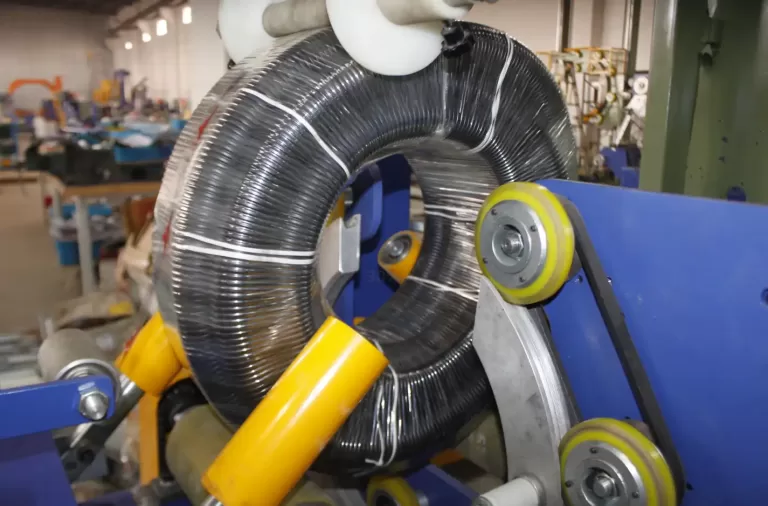
Mastering Coil Packing: A Detailed Breakdown
Effective steel coil packing is more than just wrapping material around a coil. It requires a systematic approach involving several key techniques and equipment. Let’s break down the essential steps and techniques for secure coil packing:
1. Initial Coil Inspection and Preparation
Before packing, each coil must be inspected for:
- Rust and Corrosion: Identify and treat any signs of rust to prevent further degradation during transit.
- Surface Damage: Check for scratches, dents, or other surface imperfections that may require additional protection.
- Cleanliness: Ensure the coil surface is clean and free from debris that could damage the surface or compromise packaging integrity.
2. Staging and Orientation
Proper staging is crucial for efficient packing:
- Grouping Similar Coils: Organize coils by type, size, and destination to streamline the packing process.
- Optimal Orientation: Position coils in the orientation required for packing (horizontal or vertical) using coil upenders to minimize manual handling.
3. Core Protection (if applicable)
For coils with sensitive inner diameters:
- ID Protection: Insert core protectors (cardboard, plastic, or foam) to prevent damage to the inner coil layers and maintain coil roundness.
4. Primary Wrapping
Apply the first layer of protective wrapping:
- Moisture Barrier: Use VCI (Vapor Corrosion Inhibitor) film or paper to protect against humidity and corrosion, especially for long shipments or storage in damp conditions.
- Edge Protection: Apply edge protectors (cardboard or plastic) to the coil edges to prevent damage from strapping and handling.
5. Circumferential Strapping
Secure the initial wrapping with straps:
- Strap Material: Use steel or high-strength plastic straps depending on coil weight and transport conditions.
- Strap Placement: Apply straps circumferentially at multiple points around the coil to ensure even pressure and stability.
- Tensioning: Properly tension the straps to secure the wrapping without damaging the coil edges.
6. Secondary Wrapping (if required)
For enhanced protection, especially for export or harsh environments:
- Waterproof Layer: Apply a waterproof outer layer of film or fabric to protect against rain and moisture.
- UV Protection: Use UV-resistant wrapping materials for coils stored or transported in sunny conditions.
7. Final Strapping and Securing
Apply the final straps to secure all layers of wrapping:
- Additional Straps: Add more circumferential and axial straps for heavy or unstable loads.
- Strap Buckles and Seals: Use secure buckles or seals to prevent straps from loosening during transit.
8. Labeling and Documentation
Properly label each packed coil:
- Identification Labels: Clearly label each coil with product information, weight, dimensions, and handling instructions.
- Shipping Marks: Include all necessary shipping marks, destination details, and safety warnings.
- Documentation: Prepare accurate packing lists and shipping documents.
9. Handling and Loading
Exercise care during handling and loading:
- Appropriate Equipment: Use forklifts with coil rams or cranes to lift and move packed coils.
- Gentle Handling: Avoid dropping or rough handling of packed coils.
- Secure Loading: Securely load coils onto trucks or containers, using dunnage and securing devices to prevent shifting during transport.
By meticulously following these steps, manufacturers can significantly reduce the risk of damage to steel coils during packing, transit, and storage. This detailed approach not only protects the product but also enhances customer satisfaction and reduces potential losses from damaged goods.
Choosing the Right Equipment for Safe Coil Packing
Selecting the appropriate equipment for steel coil packing is crucial for optimizing both safety and efficiency. The right machinery not only streamlines operations but also significantly reduces the risks associated with handling heavy and cumbersome coils. Making informed choices about equipment investment is essential for long-term success.

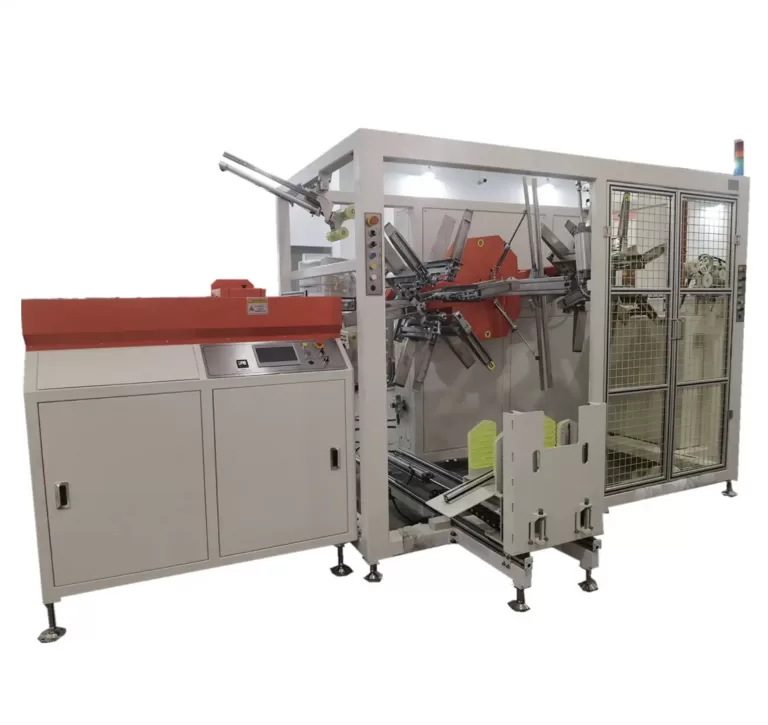
Choosing the right equipment for safe coil packing involves evaluating factors like coil size and weight, production volume, and available space. Essential equipment includes coil upenders, stretch wrappers, and strapping machines, each contributing uniquely to safety and efficiency. Investing in equipment that matches operational needs ensures a safer work environment, reduces manual handling risks, and enhances overall packaging process effectiveness.
To choose the most suitable equipment, consider these key factors:
- Coil Dimensions and Weight: Equipment must be capable of handling the maximum dimensions and weights of coils processed. Check equipment specifications against your coil range.
- Production Volume: For high-volume operations, automated or semi-automated systems are necessary to maintain throughput and efficiency. For lower volumes, standalone machines may suffice.
- Space Availability: Consider the footprint of the equipment and the space required for operation and maintenance. Compact, integrated systems may be preferable for limited spaces.
- Level of Automation: Decide on the level of automation needed. Options range from manual machines to fully automated lines. Automation level should align with budget, volume, and labor costs.
- Specific Packaging Requirements: Different coils and destinations may require varying levels of packaging protection. Choose equipment that can apply the necessary wrapping, strapping, and protection layers.
- Budget and ROI: Evaluate the initial investment cost against the expected return on investment in terms of increased efficiency, reduced labor costs, and improved safety. Consider long-term operational costs, including maintenance and consumables.
- Equipment Reliability and Support: Select equipment from reputable manufacturers known for reliability and good after-sales support, including maintenance services and spare parts availability.
- Ease of Use and Training: Choose equipment that is user-friendly and comes with comprehensive training programs to ensure operators can use it safely and efficiently.
By carefully considering these factors, businesses can make informed decisions when selecting steel coil packing equipment. The right choices will not only enhance safety and efficiency but also contribute to long-term operational success and profitability. Investing wisely in appropriate technology is a strategic move towards a safer, more productive, and competitive steel coil handling operation.
Conclusion
Adhering to safety standards in steel coil packaging is not merely a regulatory requirement but a fundamental aspect of responsible and efficient operations. By prioritizing safety through comprehensive training, proper equipment utilization, and meticulous packing procedures, businesses can significantly mitigate risks, protect their workforce, and ensure product integrity. Embracing advancements in wire packing automation and specialized machinery further enhances these efforts, leading to safer, more productive, and sustainable industrial practices. The commitment to these standards ultimately drives operational excellence and fosters a culture of safety throughout the steel industry.