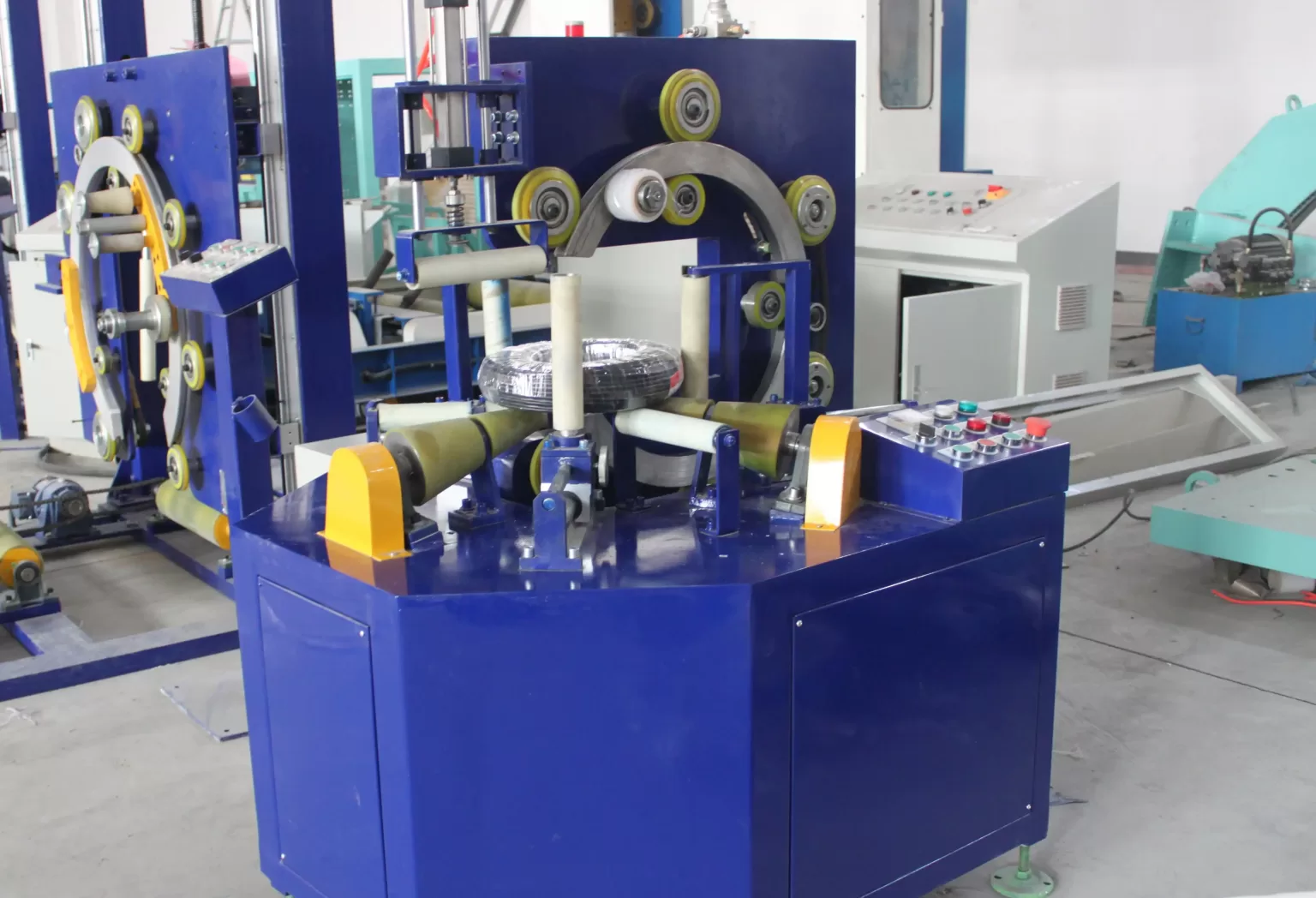
Quality Control Measures in Steel Coil Packaging
Are you tired of steel coils arriving damaged, costing you time and money? Damaged steel coils can lead to production delays, material waste, and unhappy customers. The solution? Implementing robust quality control measures in steel coil packaging. Let's explore how to protect your valuable steel coils and ensure they reach their destination in perfect condition.
Effective quality control in steel coil packaging encompasses material selection, precise wrapping techniques, and rigorous safety protocols. This article delves into these critical aspects, providing a comprehensive guide to ensure your steel coils are protected from production line to final destination, minimizing damage and maximizing efficiency.
Ready to revolutionize your steel coil packaging process? Let's dive in.

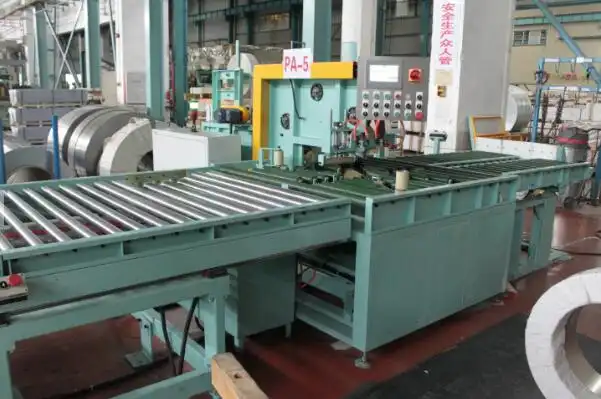
Material Selection for Steel Coil Wrapping
Choosing the correct packaging material is the first line of defense in quality control for steel coils. The wrong material can lead to tears, moisture damage, and inadequate protection during transit. Selecting the ideal material ensures your coils are shielded from environmental factors and physical stress.
Selecting the right material for wrapping steel coils is paramount to ensuring their protection and longevity. Commonly used materials like polyethylene and polypropylene offer varying degrees of strength, flexibility, and resistance to moisture. The selection should be based on factors such as coil size, weight, storage conditions, transportation methods, and environmental considerations to optimize protection and minimize potential damage.
The selection of steel coil wrapping materials goes beyond mere cost considerations; it's about understanding the specific needs of your product and its journey. Let's unpack the critical factors influencing material choice and explore how to make informed decisions that enhance your packaging quality control.
Diving Deeper into Material Properties and Performance
To truly optimize material selection, we must delve deeper into the properties of common wrapping materials and how they perform under different conditions. This involves a comparative analysis of polyethylene and polypropylene, considering not only their inherent characteristics but also their suitability for various operational contexts. Critical thinking here means assessing trade-offs and aligning material attributes with specific packaging challenges.
Polyethylene vs. Polypropylene: A Detailed Comparison
Both polyethylene (PE) and polypropylene (PP) are popular choices, but they offer distinct advantages and disadvantages. The ideal selection depends on the specific demands of your steel coil packaging process. Let's break down a detailed comparison across key performance indicators:
| Feature | Polyethylene (PE) | Polypropylene (PP) | Impact on Steel Coil Packaging |
|---|---|---|---|
| Tear Resistance | High | Medium to High | Higher tear resistance in PE provides better protection against punctures and tears during handling and transit, crucial for heavy steel coils. |
| Flexibility | High | Medium | PE's greater flexibility allows for tighter wrapping, conforming well to irregular coil shapes and ensuring secure containment. |
| Moisture Resistance | Excellent | Good | Excellent moisture resistance in PE is vital for preventing rust and corrosion, particularly important for coils stored outdoors or transported in humid conditions. |
| Chemical Resistance | Good (acids, alkalis) | Excellent (acids, alkalis, organic solvents) | PP offers superior chemical resistance, beneficial if coils are exposed to corrosive substances during storage or transport. |
| Temperature Range | Lower (typically up to 80°C) | Higher (typically up to 100°C) | PP's higher temperature tolerance may be necessary for coils that are still warm after production or stored in hot climates. |
| Cost | Moderate | Lower | PP is generally more cost-effective, making it attractive for high-volume applications, but cost savings should be balanced against performance needs. |
| Recyclability | Recyclable (LDPE, HDPE are widely recycled) | Recyclable | Both are recyclable, supporting sustainability goals. Recycling infrastructure availability can influence the environmental footprint of each material. |
| UV Resistance | Low (degrades with prolonged UV exposure) | Low (degrades with prolonged UV exposure, can be improved with additives) | Both require UV stabilizers for extended outdoor storage to prevent degradation and maintain protective properties. |
Strategic Material Selection Based on Operational Context
Beyond individual material properties, consider the broader operational context:
- Storage Environment: For long-term outdoor storage in humid climates, high moisture resistance PE is preferable. For indoor, controlled environments, PP might suffice.
- Transportation Mode: Rough handling during sea or rail transport necessitates materials with high tear resistance like PE. For smoother road transport, PP could be adequate.
- Coil Type and Value: High-value, sensitive steel coils warrant premium protection, potentially justifying the slightly higher cost of PE. For less sensitive or lower-value coils, PP can be a cost-effective option.
- Sustainability Goals: If environmental responsibility is a priority, consider the recyclability and recycled content options available for both PE and PP.
By critically evaluating these factors and aligning them with the detailed material comparison, businesses can make strategic material selections that not only optimize protection but also enhance cost-efficiency and sustainability within their steel coil packaging quality control framework. This deeper understanding moves beyond simple material choice to a holistic approach to packaging optimization.
Ensuring Proper Tension Control During Wrapping
Consistent tension during the wrapping process is crucial for effective steel coil packaging. Too loose, and the wrapping fails to protect; too tight, and it risks damaging the coil edges. Mastering tension control is a key element in quality control, ensuring both security and preventing product damage.
Proper tension control during steel coil wrapping is vital to ensure load stability and prevent damage. Techniques such as regular machine calibration, using consistent quality wrapping materials, and implementing real-time tension adjustment systems are essential. These measures guarantee uniform wrapping pressure, minimizing the risks of both under-secured and over-tightened packaging, thereby safeguarding the integrity of the steel coils.
Achieving optimal tension isn't just about machine settings; it's a holistic approach involving equipment maintenance, material consistency, and operator expertise. Let's explore the techniques and technologies that underpin effective tension control in steel coil wrapping, ensuring consistent quality and minimizing costly errors.
Advanced Techniques for Tension Management
Effective tension control in ring-type wrapping machines is a blend of mechanical precision, material understanding, and technological implementation. Moving beyond basic adjustments, modern systems incorporate sophisticated techniques to ensure consistent and damage-free wrapping. A critical analysis of these methods reveals how they contribute to enhanced quality control.
Key Techniques for Precision Tension Control
Several advanced techniques contribute to maintaining optimal tension during the wrapping process. These methods can be categorized into machine-centric, material-centric, and system-centric approaches.
| Technique | Description | Benefits for Steel Coil Packaging Quality Control | Challenges and Considerations |
|---|---|---|---|
| Automated Tension Control Systems | Closed-loop systems using sensors to monitor tension in real-time and automatically adjust wrapping parameters. | Ensures consistent tension regardless of coil size variations or material roll inconsistencies. Reduces operator error and improves repeatability. | Higher initial investment. Requires regular calibration and maintenance of sensors and control systems. Potential complexity in troubleshooting. |
| Pneumatic Tensioning | Utilizes pneumatic cylinders or brakes to apply and regulate wrapping film tension. | Offers responsive and adjustable tension control. Relatively simple to operate and maintain compared to fully automated systems. | Tension accuracy can be affected by air pressure fluctuations. Requires clean and dry compressed air supply. May require manual adjustments for significant coil size or material changes. |
| Friction-Based Tensioning | Employs friction brakes or clutches to control the unwinding speed of the wrapping material and thus the tension. | Cost-effective and mechanically robust. Simple to understand and maintain. | Tension can drift over time due to wear and tear on friction components. Less precise control compared to automated or pneumatic systems. Requires more frequent manual adjustments. |
| Material Pre-Stretching | Stretching the wrapping material before application to improve material utilization and wrapping tightness. | Reduces material consumption and cost. Enhances load containment and stability with tighter wrapping. | Requires careful calibration to avoid over-stretching and weakening the material. Material properties and pre-stretch ratio must be compatible. |
| Operator Training and SOPs | Comprehensive training programs and standardized operating procedures for machine setup and tension adjustments. | Ensures consistent operation across different shifts and operators. Reduces human error and promotes best practices in tension control. | Requires ongoing investment in training and enforcement of SOPs. Operator skill and attentiveness remain crucial. |
Integrating Tension Control with Overall Packaging Quality
Effective tension control is not an isolated function; it's integrated with the broader steel coil packaging quality control system. This integration involves:
- Regular Inspections: Routine checks of wrapped coils for tightness, uniformity, and potential damage due to over-tensioning.
- Feedback Loops: Implementing systems where operators can provide feedback on tension issues observed during wrapping, leading to process adjustments.
- Data Logging and Analysis: Collecting data on tension settings, material usage, and wrapping outcomes to identify trends and optimize tension parameters over time.
By adopting these advanced techniques and integrating tension control into a holistic quality management framework, steel coil packaging operations can achieve superior consistency, minimize material waste, and ensure the highest level of product protection. This refined approach to tension management is a hallmark of modern, efficient, and quality-focused packaging processes.
Transportation Safety Measures for Steel Coils
Safe transportation is the final, critical stage in ensuring steel coil quality reaches the customer. Improperly secured or handled coils during transit are vulnerable to damage and pose significant safety risks. Robust transportation safety measures are non-negotiable for maintaining quality control and preventing accidents.
Transportation safety measures for steel coils are crucial to prevent damage and ensure safe delivery. Key measures include utilizing appropriate coil handling equipment, implementing secure load securing techniques with straps and chocks, and providing comprehensive safety training to all personnel involved in handling and transportation. These precautions minimize the risk of shifting, falling, or damaged coils during transit, safeguarding both the product and personnel.
Safe transport is not merely about avoiding damage; it's about regulatory compliance, worker safety, and maintaining customer trust. Let's explore the essential safety measures that should be integrated into the transportation of steel coils, from loading dock to delivery destination, ensuring both product integrity and operational safety.

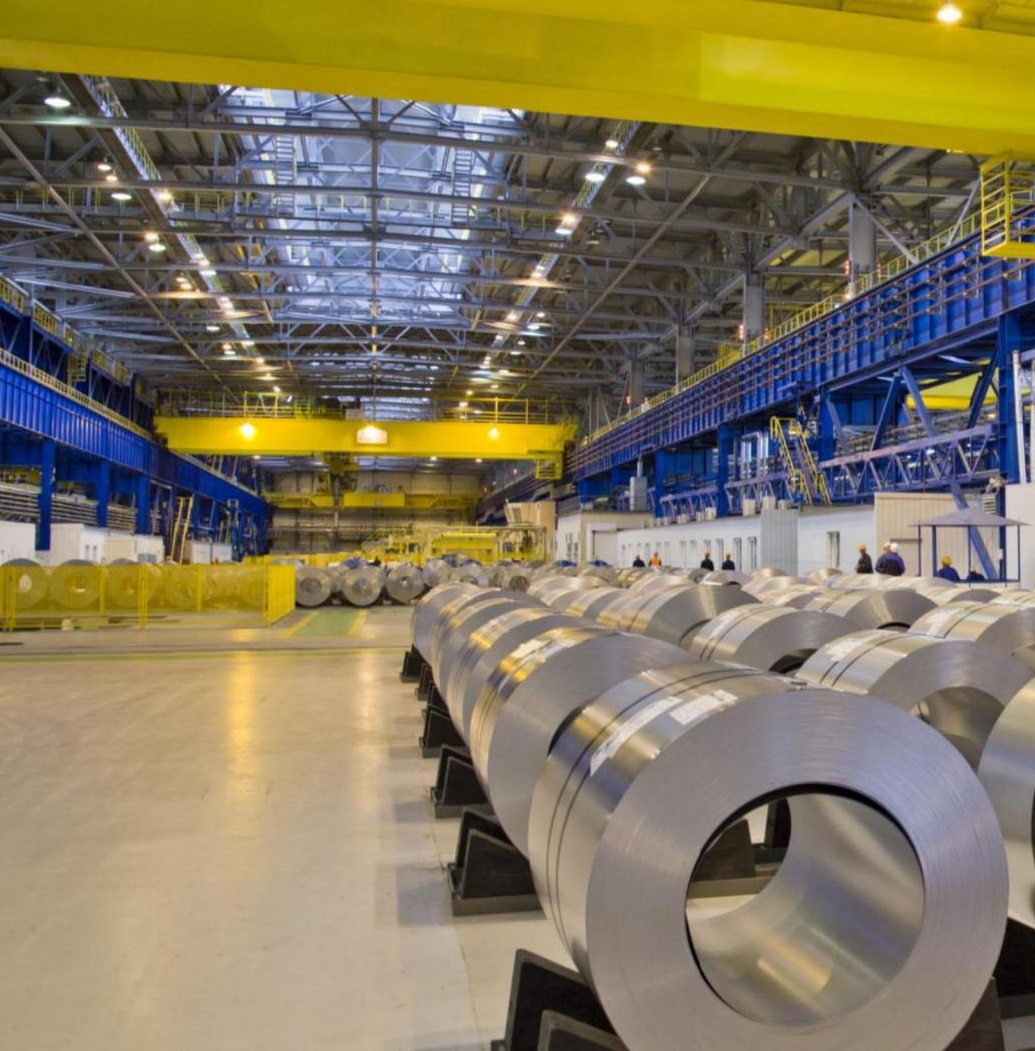
Comprehensive Strategies for Safe Steel Coil Transit
Ensuring the safe transportation of steel coils requires a multi-faceted approach, encompassing equipment, procedures, and personnel training. A truly effective strategy addresses potential risks at every stage of the transportation process, from loading to unloading. Critical thinking involves anticipating hazards and implementing proactive measures to mitigate them.
Essential Safety Measures Across the Transportation Chain
Safe steel coil transport is not just about securing the load; it's about a system of interconnected safety practices. Let's examine the key measures across different aspects of transportation:
-
Equipment and Machinery: Employ specialized coil handling equipment like forklifts with coil rams, cranes with coil hooks, and trailers designed for coil transport. Regularly inspect and maintain all equipment to ensure operational safety and reliability. Equipment should be rated for the weight and dimensions of the coils being handled.
-
Load Securing: Utilize robust load securing methods tailored for steel coils. This includes:
- Steel Strapping: High-tensile steel straps to tightly bind coils to pallets or trailer beds.
- Webbing Straps: Heavy-duty polyester or nylon webbing straps for additional security and cushioning.
- Wooden or Steel Chocks: Wedges placed around coils to prevent rolling or shifting in any direction.
- Rubber Mats or Padding: Placed between coils and trailer beds to increase friction and prevent slippage, as well as to protect coil surfaces from damage.
- Coil Racks and Saddles: Specialized racks or saddles on trailers designed to cradle coils and prevent movement.
-
Vehicle and Trailer Inspection: Before loading, thoroughly inspect trailers and transport vehicles. Check for:
- Structural Integrity: Ensure trailer beds, side rails, and securing points are in good condition and capable of handling the load.
- Braking Systems: Verify that vehicle and trailer brakes are functioning correctly.
- Tire Condition: Inspect tires for wear and proper inflation.
- Lighting and Signals: Confirm all lights and signals are operational for safe road transport.
-
Personnel Training and Procedures: Comprehensive training for all personnel involved in coil handling and transportation is paramount. Training should cover:
- Safe Lifting and Handling Techniques: Proper use of equipment, avoiding jerky movements, and maintaining safe distances.
- Load Securing Procedures: Step-by-step instructions on how to correctly apply straps, chocks, and other securing devices.
- Emergency Procedures: Protocols for handling load shifts, accidents, or other transportation emergencies.
- Regulatory Compliance: Awareness of relevant transportation safety regulations and standards (e.g., load limits, DOT regulations).
- Personal Protective Equipment (PPE): Mandatory use of steel-toed boots, gloves, hard hats, and safety vests.
-
Route Planning and Risk Assessment: Plan transport routes to avoid:
- Sharp Turns and Steep Inclines: Minimize routes with challenging road conditions that could cause load shifting.
- Congested Areas: Reduce time spent in heavy traffic where sudden stops and starts are more likely.
- Adverse Weather Conditions: Monitor weather forecasts and delay transport if severe weather is expected.
- Weight Restrictions: Ensure routes comply with weight limits for roads and bridges.
-
Regular Audits and Reviews: Implement a system of regular audits to assess the effectiveness of transportation safety measures. Review procedures, training programs, and equipment maintenance schedules periodically to identify areas for improvement and ensure ongoing compliance and safety.
By implementing these comprehensive transportation safety measures, businesses can significantly reduce the risk of steel coil damage, prevent accidents, and ensure the safe and timely delivery of their products. This holistic approach to safety is an integral component of overall quality control in steel coil packaging and distribution.
Implementing Ring-Type Wrapping Solutions
Ring-type wrapping machines offer a specialized approach to steel coil packaging, providing uniform and secure wrapping. These solutions are designed to address the unique challenges of coil shapes, enhancing protection and streamlining the packaging process. Adopting ring-type wrapping is a strategic upgrade for businesses focused on efficiency and quality.
Ring-type wrapping solutions are designed to provide consistent and comprehensive protection for steel coils. These systems automate the wrapping process, ensuring uniform tension and coverage around the coil's circumference. This method enhances packaging efficiency, reduces material waste, and minimizes the risk of damage during handling and transportation, making it a superior choice for quality-focused steel coil packaging operations.
Moving beyond manual or basic wrapping methods, ring-type systems represent a leap in technology and precision. Let's delve into the technical aspects of ring-type wrapping, exploring how these machines function, their benefits, and the key considerations for successful implementation in steel coil packaging lines.

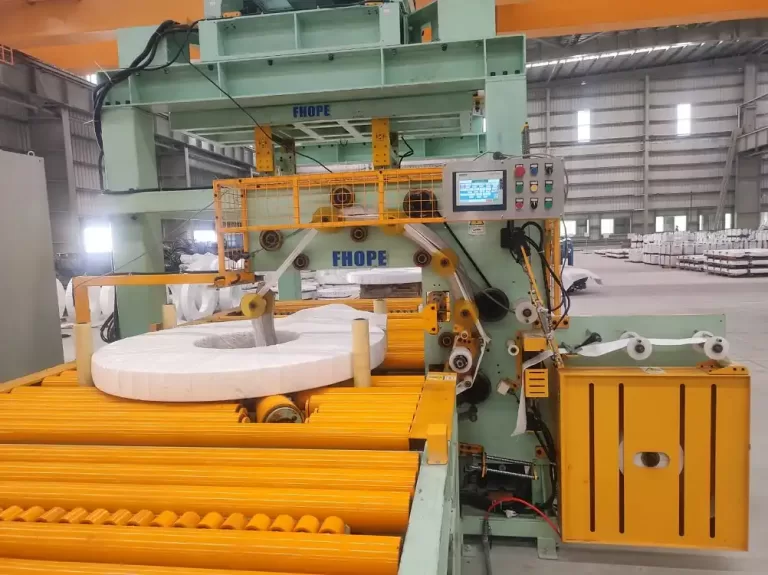
Technical Analysis of Ring-Type Wrapping Technology
Ring-type wrapping machines employ a unique methodology to achieve consistent and secure steel coil packaging. Understanding the underlying technology and operational principles is crucial for appreciating their advantages and optimizing their application. A technical analysis reveals the intricate mechanics and automation that define these systems.
Key Technical Aspects and Operational Advantages
Ring-type wrapping machines stand out due to their specific design and operational features. Let's break down the technical elements that contribute to their effectiveness in steel coil packaging:
| Feature | Description | Technical Advantage for Steel Coil Packaging | Operational Benefit and Quality Control Impact |
|---|---|---|---|
| Rotating Ring Mechanism | A circular ring rotates around the stationary steel coil, dispensing wrapping material as it orbits. | Ensures uniform wrapping application around the entire circumference of the coil, regardless of shape irregularities. Provides consistent overlap and layer build-up for robust protection. | Enhances package integrity and weather resistance. Reduces manual wrapping inconsistencies and operator fatigue. Improves overall packaging appearance and professionalism. |
| Adjustable Tension Control | Integrated tension control systems (pneumatic, automated) regulate wrapping film tension throughout the process. | Prevents over-tightening that can damage coil edges and under-tightening that leads to loose or ineffective wrapping. Allows for precise tension adjustments based on coil size and material type. | Minimizes product damage during wrapping. Optimizes material usage by preventing unnecessary stretching or breakage. Ensures consistent and reliable wrapping performance. |
| Programmable Logic Controllers (PLCs) | Advanced PLCs control wrapping parameters like rotation speed, overlap percentage, wrapping layers, and material cut-off. | Enables precise and repeatable wrapping cycles. Allows for customization of wrapping programs for different coil types and packaging requirements. Facilitates integration with automated production lines. | Improves packaging consistency and efficiency. Reduces setup time for different coil sizes. Provides data logging and performance monitoring capabilities for quality control and process optimization. |
| Material Feeding and Cut-off Systems | Automated systems feed wrapping material from rolls and precisely cut it at the end of the wrapping cycle. | Minimizes material waste by optimizing material usage and preventing excess overlap. Reduces manual material handling and speeds up the wrapping cycle. | Enhances material efficiency and cost-effectiveness. Improves workflow automation and reduces labor requirements. Contributes to a cleaner and safer working environment. |
| Safety Features | Equipped with safety sensors, light curtains, and emergency stops to protect operators during machine operation. | Ensures operator safety and compliance with safety regulations. Minimizes the risk of accidents and injuries in the packaging area. | Promotes a safe working environment and reduces potential liability. Contributes to a positive safety culture within the organization. |
Implementing Ring-Type Wrapping for Enhanced Quality
Successful implementation of ring-type wrapping solutions involves careful planning and integration:
- System Selection: Choose a machine with appropriate capacity, features, and automation level for your coil sizes and production volume.
- Installation and Integration: Ensure proper installation and seamless integration with existing production lines and material handling systems.
- Operator Training: Provide thorough training to operators on machine operation, maintenance, and safety procedures.
- Maintenance and Calibration: Establish a routine maintenance schedule and calibration procedures to ensure ongoing machine performance and accuracy.
By understanding the technical intricacies and operational advantages of ring-type wrapping machines, businesses can strategically implement these solutions to significantly enhance their steel coil packaging quality control, efficiency, and overall operational effectiveness. This technological upgrade represents a commitment to superior packaging and product protection.
Conclusion
Implementing robust quality control measures in steel coil packaging is not just a best practice—it’s a necessity for operational efficiency and customer satisfaction. From selecting appropriate materials to ensuring proper tension control during wrapping and implementing stringent transportation safety measures, every step contributes to minimizing damage and maximizing product integrity. Embracing advanced solutions like ring-type wrapping machines further elevates packaging quality, streamlining processes and reducing waste. By prioritizing quality control, businesses safeguard their investments, enhance their reputation, and ensure that their steel coils arrive in prime condition, ready for their intended applications. Ultimately, investing in comprehensive steel coil packaging quality control is an investment in long-term success and sustainability.