

Maintenance and Upkeep of Steel Coil Packaging Lines
Are inefficiencies in your steel coil packaging process costing you time and money? Don't let outdated maintenance practices hold you back. Discover how a proactive approach to maintaining your steel coil packaging lines can revolutionize your operations, ensuring seamless productivity and a stronger bottom line.
Regular maintenance of steel coil packaging lines is crucial for ensuring operational efficiency, prolonging equipment lifespan, and minimizing costly downtime. Consistent upkeep prevents unexpected failures, maintains optimal performance, and safeguards worker safety in demanding industrial environments.
Ready to optimize your steel coil packaging line's performance and longevity? Let's dive into the essential maintenance strategies that can make a significant difference.
Why Is Regular Maintenance Important for Steel Coil Packaging Lines?
Why should regular maintenance be a top priority for your steel coil packaging lines? It's simple: neglecting upkeep is a gamble with your operational efficiency and safety. Proactive maintenance isn't just about fixing problems; it's about preventing them, ensuring smooth, continuous production.
Regular maintenance is paramount for steel coil packaging lines due to its direct impact on efficiency, safety, and cost-effectiveness. Consistent maintenance minimizes unexpected breakdowns, which can halt production and lead to significant financial losses. It also ensures the machinery operates at peak performance, optimizing throughput and reducing waste. Furthermore, regular checks and servicing are vital for identifying and mitigating potential safety hazards, protecting personnel and preventing accidents. In essence, maintenance is not just an expense, but a strategic investment that safeguards operations and enhances overall productivity.
%[keywords]

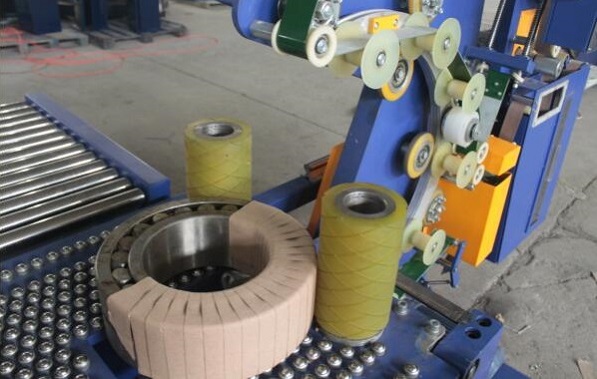
Unpacking the Necessity: Component-Level Benefits of Maintenance
To truly understand the value of maintenance, we need to look closer at the individual components of a steel coil packaging line and how regular upkeep benefits each. Neglecting even seemingly minor components can trigger a cascade of problems, impacting the entire system. Let's break down the critical areas:
1. Mechanical Components: The Heart of Reliable Operation
Bearings, gears, chains, and rollers are the workhorses of your packaging line. Without proper lubrication and timely replacement, friction and wear increase, leading to:
- Increased Energy Consumption: Worn parts create more resistance, forcing motors to work harder and consume more energy.
- Reduced Speed and Throughput: Sticking or slow-moving components limit the overall speed of the line.
- Higher Risk of Breakdowns: Overstressed parts are more likely to fail catastrophically, causing lengthy downtime.
Preventive Actions:
- Regular Lubrication: Implement a schedule for lubricating all moving parts with the manufacturer-recommended lubricants.
- Wear Inspections: Conduct routine visual inspections for signs of wear, like unusual noises, vibrations, or play in bearings and joints.
- Timely Replacements: Replace worn parts proactively before they fail, using OEM or high-quality replacements.
2. Hydraulic and Pneumatic Systems: Power and Precision
Hydraulic and pneumatic systems provide the power and control for many packaging line functions, from lifting and clamping to tensioning and cutting. Leaks, contamination, and component failures can result in:
- Loss of Power and Control: Reduced pressure or erratic operation can lead to inconsistent packaging and material damage.
- Safety Hazards: Sudden failures in hydraulic cylinders or pneumatic actuators can create dangerous situations.
- Environmental Issues: Hydraulic fluid leaks are not only costly but also pose environmental risks.
Preventive Actions:
- Daily Leak Checks: Visually inspect hoses, fittings, and cylinders for leaks daily.
- Fluid Level Monitoring: Regularly check and maintain proper fluid levels in hydraulic reservoirs.
- Filter Replacements: Adhere to a schedule for replacing hydraulic and pneumatic filters to prevent contamination.
- Hose and Seal Inspections: Periodically inspect hoses for wear, cracks, and bulging, and replace seals as needed.
3. Electrical and Control Systems: The Brains of Automation
The electrical and control systems dictate the precision and automation of your packaging line. Faulty wiring, sensor malfunctions, and control system errors can cause:
- Inaccurate Packaging: Inconsistent wrapping, strapping, or labeling due to sensor or control errors.
- Increased Material Waste: Malfunctions can lead to improperly packaged coils that need to be reworked or scrapped.
- Complete Line Stoppages: Electrical faults can shut down the entire packaging line, causing significant delays.
Preventive Actions:
- Regular Inspections: Conduct periodic inspections of wiring, connections, and control panels for signs of damage or loose connections.
- Sensor Calibration and Testing: Regularly calibrate and test sensors to ensure accurate readings and proper function.
- Software and Firmware Updates: Keep control system software and firmware updated to address bugs and security vulnerabilities.
- Professional Electrical Checks: Engage qualified electricians for thorough inspections and maintenance of electrical systems.
By addressing maintenance at this component level, you create a robust and reliable steel coil packaging line. This granular approach not only minimizes downtime but also optimizes performance and extends the overall lifespan of your valuable equipment. Ignoring these details is a false economy that will inevitably lead to larger, more expensive problems down the road.
Key Maintenance Practices to Extend the Life of Your Upender
To ensure your steel coil upender operates reliably for years to come, a structured maintenance approach is essential. Think of it as preventative healthcare for your machinery – consistent attention and care will pay dividends in longevity and performance. What specific practices should be prioritized?
Extending the lifespan of your steel coil upender hinges on implementing a proactive maintenance schedule that encompasses daily, weekly, and monthly checks. Daily visual inspections for wear and tear, coupled with listening for unusual noises, are crucial first steps. Weekly lubrication of all moving parts minimizes friction and wear. Monthly alignment checks and thorough inspections of hydraulic systems, bearings, and control panels ensure all components are functioning optimally and potential issues are caught early. Adhering to this routine significantly reduces the risk of major breakdowns and maximizes the upender's operational life.
%[keywords]

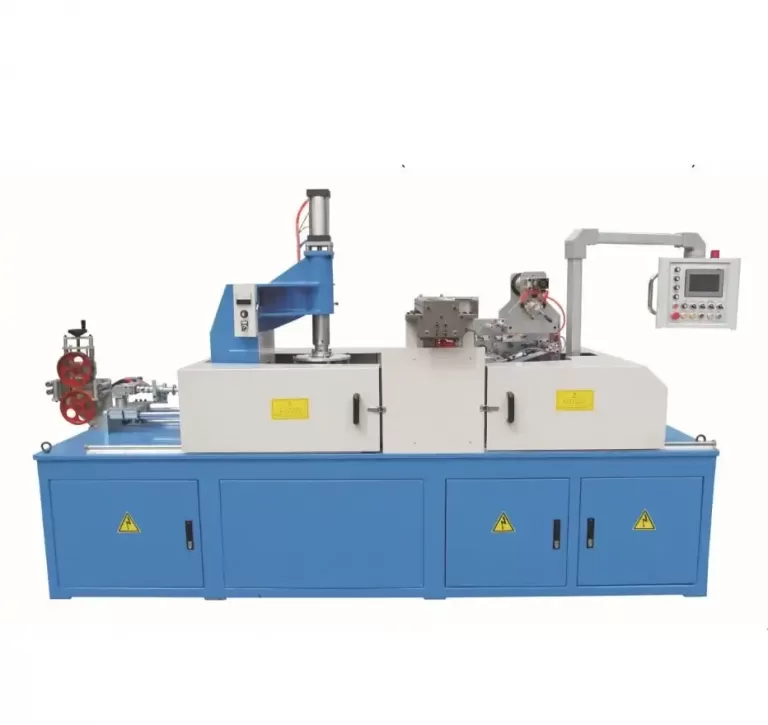
Daily, Weekly, and Monthly Maintenance Breakdown
Let's dissect the recommended maintenance schedule into actionable tasks, focusing on the 'what,' 'why,' and 'how' of each frequency:
Daily Maintenance: Your First Line of Defense
Daily checks are quick and easy to implement, acting as your initial warning system against developing problems.
| Task | Description | Critical Focus Areas | Why It Matters |
|---|---|---|---|
| Visual Inspection | Walk around the upender, looking for anything out of the ordinary. | Frame, welds, cylinders, hoses, guards | Identifies obvious damage, leaks, or loose parts before they escalate. |
| Listen for Noises | Operate the upender and listen for unusual grinding, squealing, or clanking. | Bearings, motors, gearboxes | Detects early signs of wear or lubrication issues in moving components. |
| Check Lubrication Points | Briefly verify grease points are accessible and not excessively dirty. | Grease fittings on bearings and joints | Ensures lubrication points are ready for scheduled greasing. |
Weekly Maintenance: Deeper Dive into Operational Health
Weekly maintenance goes beyond visual checks, involving hands-on tasks to ensure smooth operation.
| Task | Description | Critical Focus Areas | Why It Matters |
|---|---|---|---|
| Lubrication | Apply recommended lubricant to all grease fittings and moving parts. | Bearings, joints, gears, chains (if applicable) | Reduces friction and wear, preventing premature component failure and ensuring smooth operation. |
| Hydraulic Leak Check | More thorough inspection of hydraulic system for leaks. | Hoses, fittings, cylinders, valves, pump | Catches minor leaks before they become major fluid losses, pressure drops, or safety hazards. |
| Cleanliness Check | Remove any accumulated debris, dust, or coil residue from the upender. | Around motors, cylinders, sensors, safety guards | Prevents overheating, sensor malfunctions, and ensures safety guards function properly. |
Monthly Maintenance: Comprehensive System Review
Monthly maintenance involves more in-depth inspections and adjustments, ensuring the upender's long-term reliability.
| Task | Description | Critical Focus Areas | Why It Matters |
|---|---|---|---|
| Alignment Check | Verify the upender is properly aligned and level. | Base frame, lifting arms, coil supports | Ensures even load distribution, prevents stress on components, and maintains accurate coil handling. |
| Wear and Damage Inspection | Detailed inspection for wear, cracks, or damage to structural components. | Welds, frame members, lifting arms, cylinders, bearings | Identifies potential structural weaknesses or component fatigue that could lead to failure if not addressed. |
| Bolt Tightness Check | Check and tighten all bolts and fasteners. | Frame, motor mounts, cylinder mounts, safety guards | Prevents loosening due to vibration, which can cause instability, misalignment, and potential component failure. |
| Hydraulic Fluid Check | Check hydraulic fluid level and condition. | Hydraulic reservoir, fluid samples (if necessary) | Ensures sufficient fluid for proper operation and detects contamination or degradation that could damage the hydraulic system. |
| Safety System Check | Test all safety features, such as emergency stops and safety interlocks. | E-stops, light curtains, safety switches | Verifies safety systems are functioning correctly to protect personnel and prevent accidents. |
By consistently implementing this tiered maintenance schedule, you move from reactive repairs to proactive prevention. This not only extends the life of your steel coil upender but also minimizes downtime, enhances safety, and ensures consistently high performance. Remember, a well-maintained machine is a reliable and productive machine.
How Can You Optimize the Performance of Your Steel Coil Upender?
Beyond just keeping your steel coil upender running, how can you actively optimize its performance to maximize efficiency and output? Optimization isn't just about speed; it's about precision, consistency, and minimizing waste. What are the key strategies to elevate your upender's performance?
Optimizing the performance of your steel coil upender involves a multi-faceted approach encompassing regular calibration, comprehensive operator training, the use of high-quality replacement parts, and consistent performance monitoring. Calibration ensures the machine operates within precise parameters, maximizing accuracy and minimizing errors. Well-trained operators are crucial for efficient and safe operation, reducing misuse and maximizing throughput. Utilizing quality OEM or equivalent parts during maintenance ensures durability and consistent performance. Finally, continuous performance monitoring allows for proactive identification of potential issues, enabling timely adjustments and preventing performance degradation.
%[keywords]

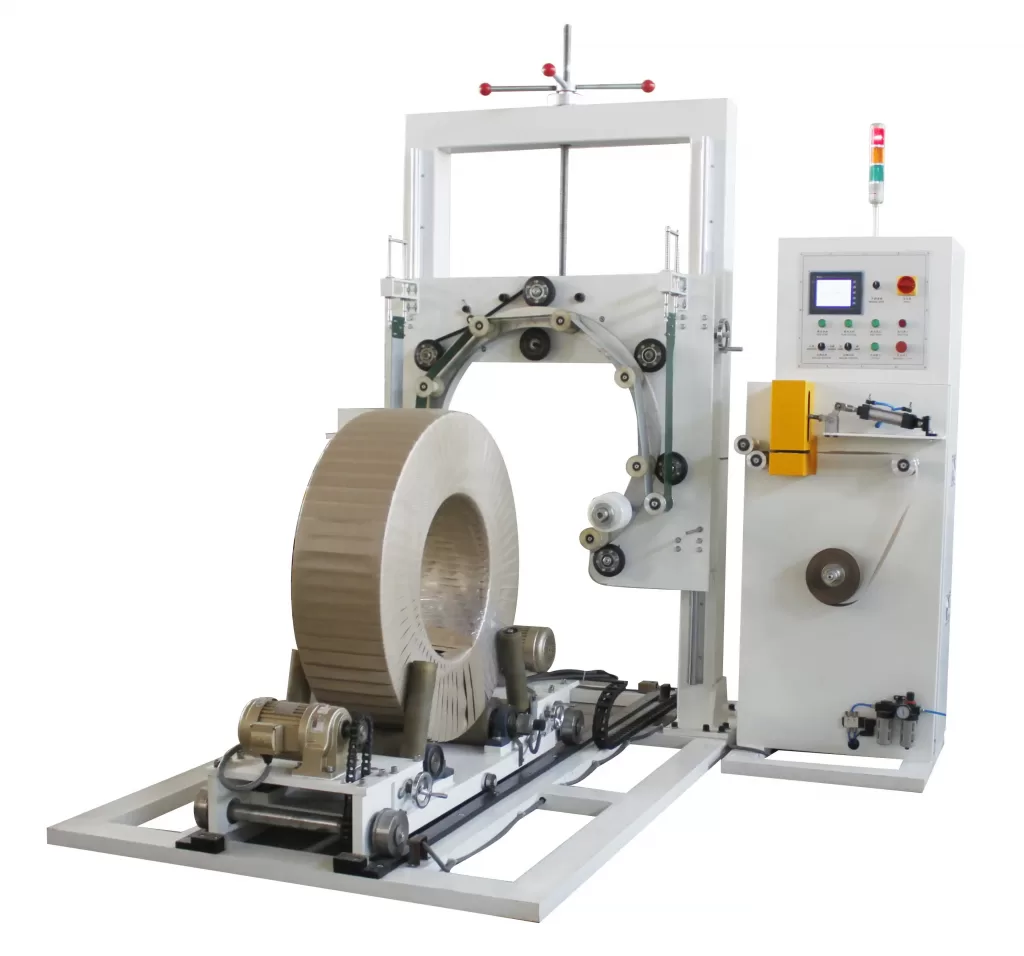
Strategies for Peak Efficiency: A Deeper Dive
Let's explore the core strategies for optimizing your steel coil upender's performance in more detail:
1. Calibration: Precision is Key
Calibration is the process of ensuring your upender's sensors, controls, and mechanical systems are accurately aligned and functioning within specified tolerances. Why is this critical for optimization?
- Accuracy in Coil Handling: Precise calibration ensures coils are lifted, tilted, and positioned accurately, minimizing the risk of damage and ensuring smooth integration with downstream processes.
- Consistent Performance: Regular calibration compensates for drift and wear, maintaining consistent and predictable upender operation over time.
- Reduced Material Waste: Accurate positioning and handling minimize the chances of dropped coils or packaging errors, reducing material waste and rework.
Calibration Implementation:
- Schedule Regular Calibration: Establish a calibration schedule based on manufacturer recommendations and operational intensity.
- Use Calibration Tools: Employ calibrated measuring instruments and tools to verify and adjust upender settings.
- Document Calibration Procedures: Maintain records of calibration procedures, settings, and results for future reference and trend analysis.
2. Operator Training: Empowering Efficiency and Safety
Even the most advanced upender is only as effective as its operator. Comprehensive training is paramount for maximizing both efficiency and safety.
- Efficient Operation: Well-trained operators understand the upender's capabilities, controls, and optimal operating procedures, leading to faster cycle times and higher throughput.
- Reduced Errors and Damage: Proper training minimizes operator errors that can lead to coil damage, equipment damage, and production delays.
- Enhanced Safety: Trained operators are more aware of safety protocols and potential hazards, contributing to a safer working environment.
Training Program Essentials:
| Training Aspect | Objective | Implementation Detail |
|---|---|---|
| Operational Procedures | Master correct upender operation | Hands-on training, SOP documentation, video tutorials |
| Safety Protocols | Ensure safe operation and hazard awareness | Safety manuals, hazard identification exercises, emergency procedure drills |
| Basic Maintenance | Enable operators to perform daily checks and basic troubleshooting | Checklists, lubrication training, basic component identification and inspection training |
| Troubleshooting | Equip operators to identify and resolve minor issues quickly | Fault code interpretation, troubleshooting guides, escalation procedures |
3. Quality Parts: Investing in Longevity and Reliability
When it comes to replacement parts, opting for quality over cost-cutting is a crucial optimization strategy.
- Extended Component Life: OEM or high-quality aftermarket parts are designed to meet stringent standards, resulting in longer lifespan and fewer replacements.
- Reliable Performance: Quality parts ensure consistent and predictable performance, minimizing breakdowns and maintaining optimal upender operation.
- Reduced Downtime: Fewer failures and longer component life translate directly to reduced downtime and increased production uptime.
Parts Procurement Best Practices:
- Prioritize OEM or Reputable Brands: Choose parts from the original equipment manufacturer or reputable aftermarket suppliers.
- Verify Part Specifications: Ensure replacement parts meet or exceed the original specifications for materials, dimensions, and performance.
- Maintain Parts Inventory: Keep a stock of critical spare parts on hand to minimize downtime in case of component failure.
By focusing on calibration, operator training, and quality parts, you create a synergistic effect that dramatically optimizes your steel coil upender's performance. This holistic approach not only boosts productivity but also fosters a culture of efficiency and proactive maintenance within your operations.
Troubleshooting Common Issues in Steel Coil Packaging Lines
Even with meticulous maintenance, occasional issues can arise in steel coil packaging lines. Quick and effective troubleshooting is essential to minimize downtime and maintain productivity. What are some common problems and their solutions?
Effective troubleshooting is vital for maintaining the uptime of steel coil packaging lines. Common issues range from material tracking problems and inconsistent wrapping to mechanical failures and control system errors. Rapid identification and resolution of these problems are crucial to minimize production interruptions and ensure continuous operation. A systematic approach to troubleshooting, combined with operator training and readily available spare parts, can significantly reduce downtime and maintain optimal line performance.
%[keywords]

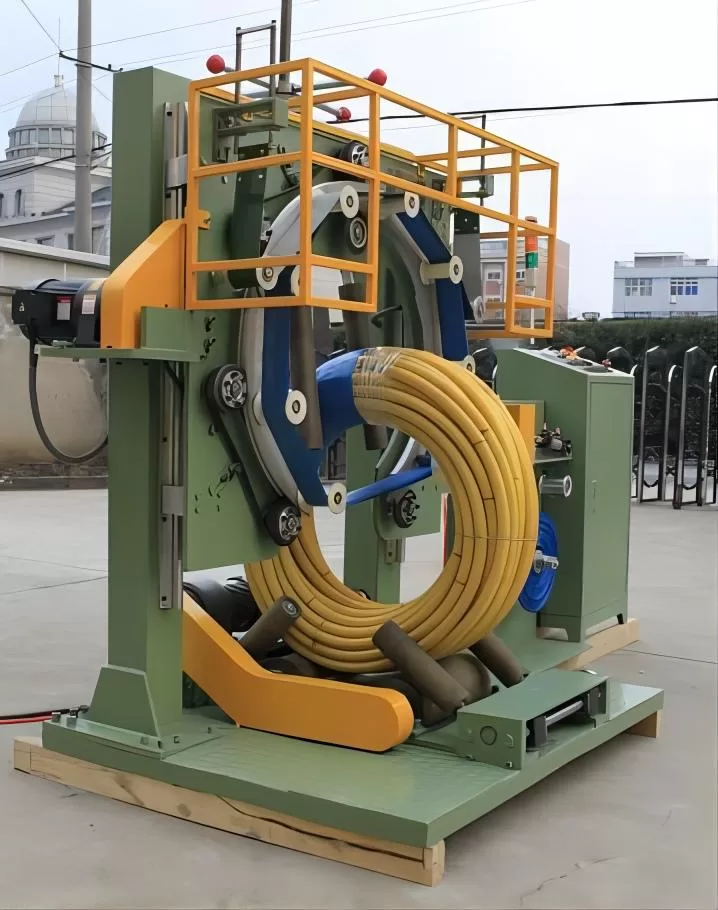
Diagnosing and Resolving Packaging Line Problems
Let's examine some typical troubleshooting scenarios across different sections of a steel coil packaging line:
1. Reel (Uncoiler) Issues:
| Problem | Possible Cause | Solution |
|---|---|---|
| Material unwinding off-center | Misaligned coil, misaligned straightener | Reposition coil, realign straightener and coil |
| Expansion not picking up coil | Coil shoe not in correct position | Rotate coil shoe to the 12 o'clock position |
| Mandrel coasting | Insufficient braking pressure (air or electric) | Increase air pressure, adjust electric brake system |
| Coil shoes have lateral movement | Loose center guide bolt | Tighten center guide bolt with threadlocking material |
2. Stock Straightener Issues:
| Problem | Possible Cause | Solution |
|---|---|---|
| Material not tracking on-center | Misaligned straightener, stock guides, pinch rolls | Realign straightener, stock guides, ensure pinch rolls are parallel |
| Motors on motorized head trip out | Torque limiters slipping, excessive penetration | Tighten torque limiters, reduce straightener head penetration |
| Material scratches/marks | Buildup on rolls | Clean rolls with solvent or emery cloth |
| Rolls walking to one side | Tight drive chain, misaligned pinch rolls | Loosen drive chain, realign pinch rolls, check coil and stock guide centering |
| Drive chain keeps breaking | Sprockets moved, excessive roll penetration | Retighten sprockets, reduce roll penetration |
3. Electronic Servo Feed Issues:
| Problem | Possible Cause | Solution |
|---|---|---|
| Inconsistent feed lengths (rack & pinion) | Worn brake lining, backlash in gears/clutch | Replace brake lining, reshim rack, replace worn gears/clutch, flush and refill clutch |
| Short-feed length slipping on rolls | Worn roll surface, insufficient roll pressure | Resurface rolls, increase roll pressure |
| Material tracking off-center of die | Off-center stock guides, unparallel rolls | Recenter stock guides, parallel rolls, equalize roll pressure |
4. Wrapping Machine Issues:
| Problem | Possible Cause | Solution |
|---|---|---|
| Inconsistent wrap tension | Tension control system malfunction, worn belts | Calibrate tension control, replace belts, check pneumatic/hydraulic tensioning systems |
| Material tearing during wrapping | Sharp edges on coil, incorrect material settings | Ensure proper edge protection, adjust material tension and overlap settings, check material quality |
| Machine stops mid-cycle | Sensor malfunction, material jam, safety interlock | Check sensors and wiring, clear material jams, verify safety interlocks are not triggered, check fault codes |
General Troubleshooting Tips:
- Operator Training: Equip operators with basic troubleshooting skills and knowledge of common fault codes.
- Fault Code Analysis: Utilize control panel fault code displays to pinpoint problem areas quickly.
- Systematic Approach: Follow a logical troubleshooting process, starting with the most obvious causes and progressively investigating deeper.
- Spare Parts Inventory: Maintain a readily accessible inventory of critical spare parts to minimize repair time.
- Manufacturer Support: Don't hesitate to contact the equipment manufacturer for technical support when dealing with complex or persistent issues.
By proactively addressing maintenance and developing strong troubleshooting skills, you can ensure your steel coil packaging lines operate at peak efficiency, minimizing downtime and maximizing your return on investment.
Conclusion
Maintaining and properly caring for your steel coil packaging lines is not merely a routine task – it's a strategic imperative for operational excellence. By prioritizing regular upkeep, implementing proactive maintenance schedules, and fostering a culture of vigilance, you safeguard your investment, enhance productivity, and ensure the longevity of your valuable equipment. Embracing a comprehensive approach to wire packing automation maintenance is the key to sustained success in the demanding steel industry.