

Are you tired of wrestling with heavy molds, risking injury, and wasting valuable time? Imagine a solution that streamlines your mold handling process, enhances safety, and boosts productivity. A mold upender might be the answer, but is it worth the investment?
A mold upender is worth the investment if it significantly reduces labor costs, minimizes the risk of mold damage, improves worker safety, and increases overall production efficiency. A thorough ROI calculation, considering these factors, will help justify the purchase.
Investing in a mold upender is a significant decision. Let's delve deeper to understand how to make a sound financial justification for this important piece of equipment.
Calculating the ROI of a Mold Upender
Investing in new equipment requires careful consideration. Will it generate a positive return? Calculating the ROI of a mold upender can provide the insights needed to make this financial assessment.
The ROI of a mold upender is determined by comparing the cost of the upender with the savings and revenue gains it generates through reduced labor, improved safety, decreased mold damage, and increased efficiency. A positive ROI indicates a worthwhile investment.

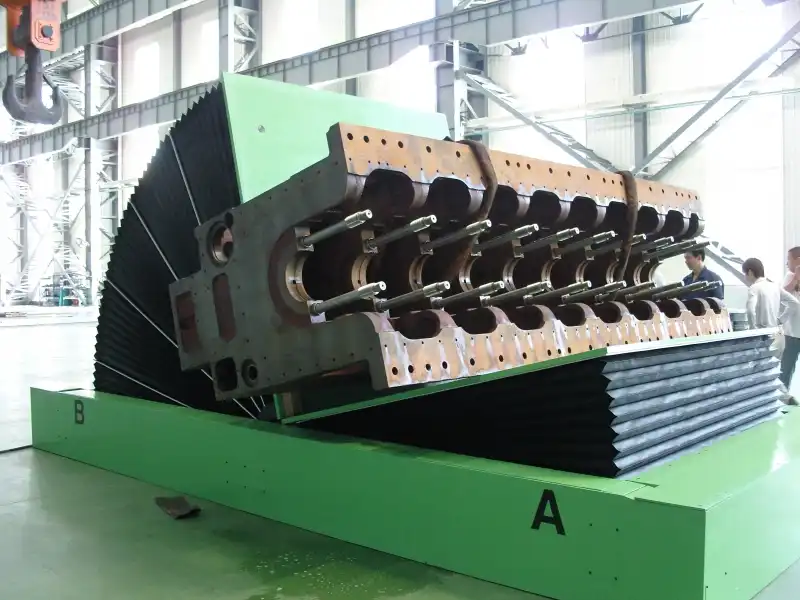
To fully grasp the potential of a mold upender, let's analyze the different components of ROI to ensure a solid understanding.
Dive Deeper: A Detailed ROI Breakdown
Evaluating the ROI of a mold upender requires a comprehensive look at both costs and benefits. Let's break down the key considerations:
1. Cost Reduction Analysis
One of the most significant benefits of a mold upender is its ability to reduce labor costs. Manually handling heavy molds is time-consuming and requires multiple operators. An upender automates this process, freeing up valuable labor hours for other tasks.
| Factor | Manual Handling | Mold Upender | Savings |
|---|---|---|---|
| Operators Required | 3 | 1 | 2 |
| Time per Mold Change | 2 hours | 30 minutes | 1.5 hours |
| Hourly Labor Rate | $30 | $30 | - |
| Cost per Mold Change | $180 | $30 | $150 |
| Mold Changes per Week | 5 | 5 | - |
| Weekly Labor Savings | - | - | $750 |
| Annual Labor Savings | - | - | $39,000 |
2. Enhanced Safety and Reduced Damage
Manual mold handling poses a significant risk of injury to workers. Strains, sprains, and other musculoskeletal disorders are common. A mold upender eliminates the need for manual lifting, significantly reducing these risks.
| Factor | Manual Handling | Mold Upender | Savings |
|---|---|---|---|
| Injury Rate | 1 incident per year | 0 incidents per year | 1 incident per year |
| Average Injury Cost | $10,000 | $0 | $10,000 |
| Mold Damage Incidents | 2 incidents per year | 0 incidents per year | 2 incidents per year |
| Average Mold Repair Cost | $5,000 | $0 | $10,000 |
| Total Annual Savings | - | - | $20,000 |
3. Increased Production Efficiency
A mold upender can significantly improve production efficiency. Faster mold changes mean less downtime and more time for production.
| Factor | Manual Handling | Mold Upender | Improvement |
|---|---|---|---|
| Mold Change Time | 2 hours | 30 minutes | 1.5 hours |
| Downtime Cost per Hour | $500 | $500 | - |
| Savings per Mold Change | - | - | $750 |
| Mold Changes per Week | 5 | 5 | - |
| Weekly Production Savings | - | - | $3,750 |
| Annual Production Savings | - | - | $195,000 |
4. Calculating the Total ROI
To calculate the total ROI, we need to consider the initial cost of the mold upender and the total annual savings.
Let's assume the mold upender costs $50,000.
| Factor | Amount |
|---|---|
| Initial Investment | $50,000 |
| Annual Labor Savings | $39,000 |
| Annual Safety Savings | $20,000 |
| Annual Production Savings | $195,000 |
| Total Annual Savings | $254,000 |
| ROI (Year 1) | 408% |
The ROI is calculated as follows:
ROI = (Total Annual Savings / Initial Investment) * 100
ROI = ($254,000 / $50,000) * 100 = 508%
In this example, the mold upender pays for itself in less than three months and generates a substantial return on investment in the first year alone.
Quantifying Intangible Benefits
Beyond the tangible financial benefits, there are intangible advantages to consider when evaluating the purchase of a mold upender. These factors, while difficult to quantify, can significantly impact your business.
Intangible benefits of a mold upender include improved employee morale due to safer working conditions, reduced employee turnover, enhanced company reputation, and a more efficient and streamlined workflow. These factors contribute to long-term profitability and competitiveness.

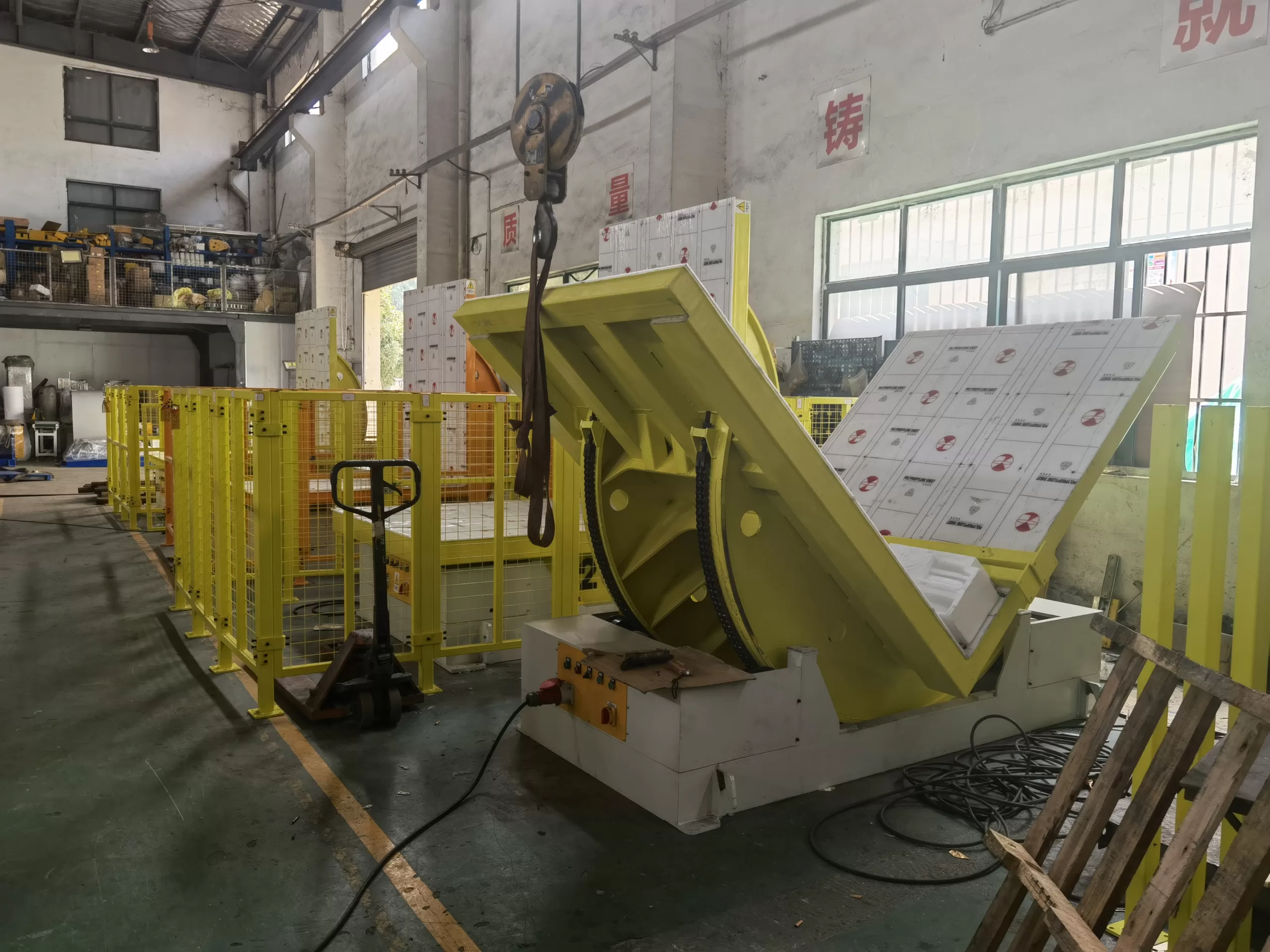
Let’s explore these intangible benefits and their potential impact on your business.
Improved Employee Morale and Retention
A safer work environment leads to happier and more productive employees. When workers feel valued and protected, their morale increases, and they are more likely to stay with the company. Reducing the risk of injury also decreases the likelihood of workers' compensation claims and lost productivity due to employee absences.
| Benefit | Description | Potential Impact |
|---|---|---|
| Reduced Injury Risk | Eliminates manual lifting and reduces the risk of strains, sprains, and other musculoskeletal disorders. | Lower workers' compensation costs, reduced absenteeism, and improved employee morale. |
| Improved Ergonomics | Creates a more comfortable and ergonomic work environment. | Increased employee satisfaction, reduced fatigue, and improved productivity. |
| Enhanced Employee Morale | Shows employees that the company cares about their safety and well-being. | Increased employee loyalty, reduced turnover, and improved teamwork. |
| Reduced Employee Turnover | Lower injury rates and better working conditions lead to lower turnover. | Reduced hiring and training costs, improved continuity, and increased institutional knowledge. |
Enhanced Company Reputation
Investing in a mold upender demonstrates a commitment to safety and efficiency, which can enhance your company's reputation among customers, suppliers, and employees. A positive reputation can lead to increased sales, improved supplier relationships, and a more skilled workforce.
Streamlined Workflow
A mold upender streamlines the mold handling process, reducing downtime and improving overall workflow. This increased efficiency can lead to faster turnaround times, improved customer satisfaction, and a competitive advantage.
| Benefit | Description | Potential Impact |
|---|---|---|
| Faster Mold Changes | Automates the mold handling process, reducing mold change times. | Increased production capacity, reduced downtime, and improved responsiveness to customer orders. |
| Reduced Downtime | Minimizes downtime associated with manual mold handling. | Increased overall equipment effectiveness (OEE), improved production efficiency, and reduced operating costs. |
| Improved Inventory Management | Facilitates easier access to molds, improving inventory management. | Reduced inventory carrying costs, improved storage efficiency, and faster access to needed molds. |
| Increased Production Capacity | Allows for more frequent and efficient mold changes, increasing production capacity. | Increased revenue potential, improved profitability, and a competitive advantage in meeting customer demand. |
Addressing Common Concerns and Objections
Even with a strong ROI, some may still express concerns about the investment. Addressing these head-on can smooth the path to approval.
Common concerns about purchasing a mold upender include the initial capital expenditure, the perceived lack of immediate need, and skepticism about the projected savings. By providing clear data, demonstrating long-term value, and offering a trial period, these concerns can be effectively addressed.

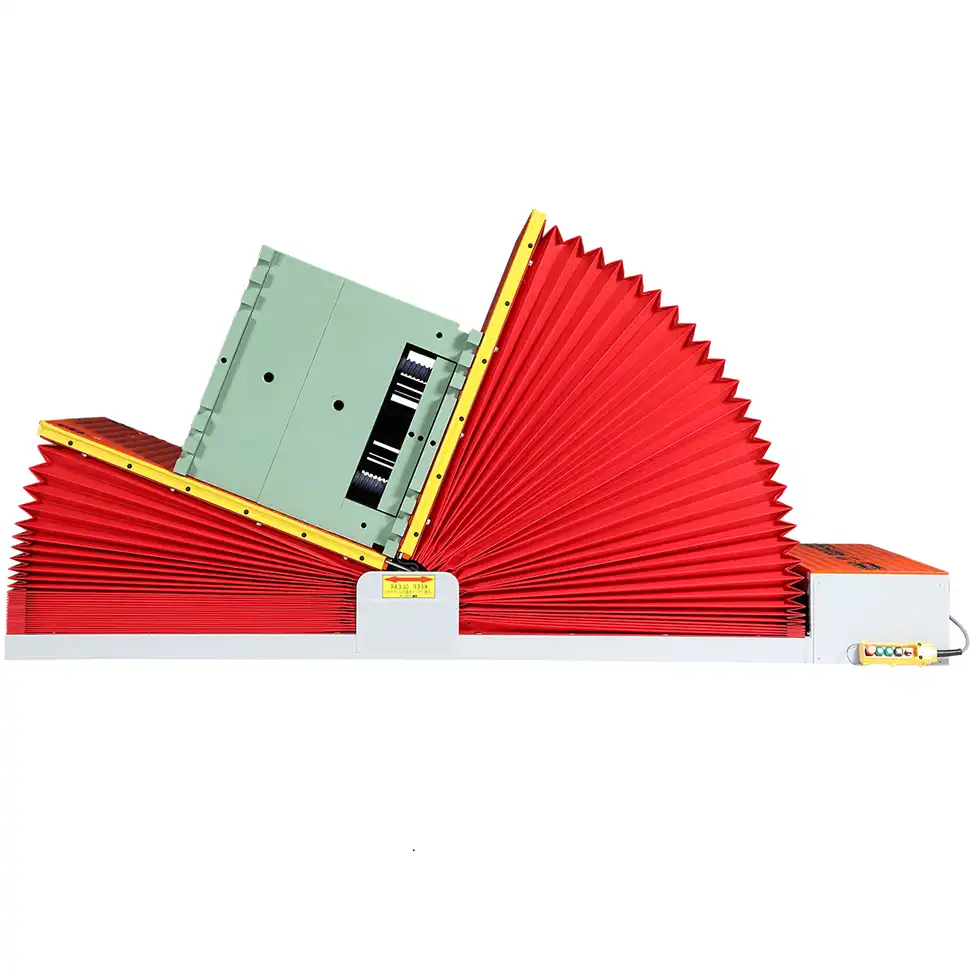
Let's explore how to tackle some typical objections:
Objection 1: "The Initial Cost is Too High"
Acknowledge the initial investment, but emphasize the long-term cost savings and ROI. Break down the savings into smaller, more manageable chunks (e.g., monthly savings, savings per mold change). Offer financing options or lease agreements to reduce the upfront financial burden.
Objection 2: "We Don't Need It Right Now"
Highlight the potential for future growth and increased production demands. Explain how the mold upender can help the company scale its operations and remain competitive in the long run. Emphasize the proactive nature of the investment, positioning it as a strategic move to prepare for future success.
Objection 3: "I'm Not Sure About the Projected Savings"
Provide detailed data and case studies to support your projections. Offer a trial period or guarantee to demonstrate the upender's effectiveness in your specific environment. Be transparent about your assumptions and calculations, and be willing to adjust your projections based on feedback and new information.
Objection 4: "What About Training and Maintenance Costs?"
| Outline a clear training plan for operators and maintenance personnel. Include these costs in your ROI calculation to provide a complete picture of the investment. Emphasize the ease of use and low maintenance requirements of the mold upender, minimizing these concerns. | Factor | Details |
|---|---|---|
| Training Cost | Provide comprehensive training to ensure staff can safely and effectively operate the mold upender. This may involve on-site training or sending staff to specialized courses. | |
| Maintenance Cost | Regularly inspect and maintain the mold upender to prevent breakdowns and prolong its lifespan. Factor in expenses like replacement parts and service fees. | |
| Operational Cost | Estimate the cost of electricity or other utilities needed to operate the mold upender. This will depend on usage frequency and energy consumption. |
Step-by-Step Guide to Presenting Your Case
To convince the finance team, a well-structured and persuasive presentation is essential. Here's how to create a compelling case for a mold upender purchase:

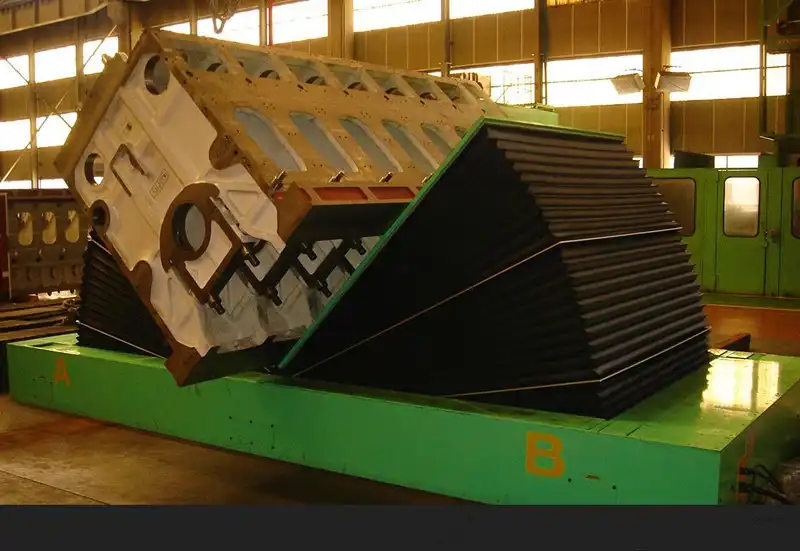
To effectively present the case for a mold upender, focus on safety enhancements, efficiency gains, and financial returns. A data-driven presentation with clear visuals and compelling storytelling will resonate with decision-makers. Highlighting long-term benefits and addressing potential concerns will strengthen the justification.
Crafting a presentation that resonates with stakeholders and secures the necessary approvals. By structuring the presentation around key aspects like safety, efficiency, and financial viability, you can build a compelling case for investing in a mold upender.
1. Start with a Compelling Story: Begin by illustrating the current challenges and inefficiencies of manual mold handling. Share real-life examples of injuries, mold damage, or production delays caused by the existing process. This will capture the audience's attention and create a sense of urgency.
2. Highlight Safety Improvements: Emphasize the safety benefits of the mold upender. Present data on injury rates and workers' compensation costs associated with manual handling. Showcase how the upender eliminates these risks, creating a safer and more ergonomic work environment.
3. Quantify Efficiency Gains: Provide clear and concise data on the efficiency improvements offered by the mold upender. Compare mold change times, downtime costs, and production output before and after the upender. Use charts and graphs to visually represent the potential savings.
4. Present a Solid ROI Calculation: Walk the finance team through your ROI calculation, explaining each assumption and data point. Use a simple and easy-to-understand format. Highlight the payback period and the total return on investment over the lifespan of the upender.
5. Address Potential Concerns: Acknowledge any potential concerns or objections and address them proactively. Provide clear and concise answers supported by data and evidence. Be prepared to discuss financing options, training plans, and maintenance costs.
6. Conclude with a Strong Call to Action: Summarize the key benefits of the mold upender and reiterate the financial justification. Make a clear and confident recommendation for approval. Emphasize the long-term value and strategic importance of the investment.
Conclusion
Justifying the investment in a mold upender requires a thorough evaluation of both tangible and intangible benefits. By calculating the ROI, addressing potential concerns, and presenting a compelling case to the finance team, you can demonstrate the value of this equipment and secure the necessary approval. Investing in a mold upender is not just about improving efficiency and safety; it's about investing in the long-term success and sustainability of your business. Through careful Justification, you can make the right decision for your company.