

Are you tired of wrestling with heavy molds, escalating labor costs, and frustrating production bottlenecks? Discover how manufacturers are achieving significant operational savings by integrating automated mold upenders into their processes, unlocking a 30% cost reduction.
Automated mold upenders revolutionize heavy manufacturing by minimizing manual handling, enhancing safety, and accelerating mold changeover times. A case study reveals a 30% reduction in operational costs through reduced labor, a 67% improvement in changeover efficiency, and a dramatic 90% decrease in mold damage incidents.
Ready to ditch outdated mold handling methods? Read on to discover how automated mold upenders can transform your manufacturing operations and significantly boost your bottom line.
%[alt with keywords]

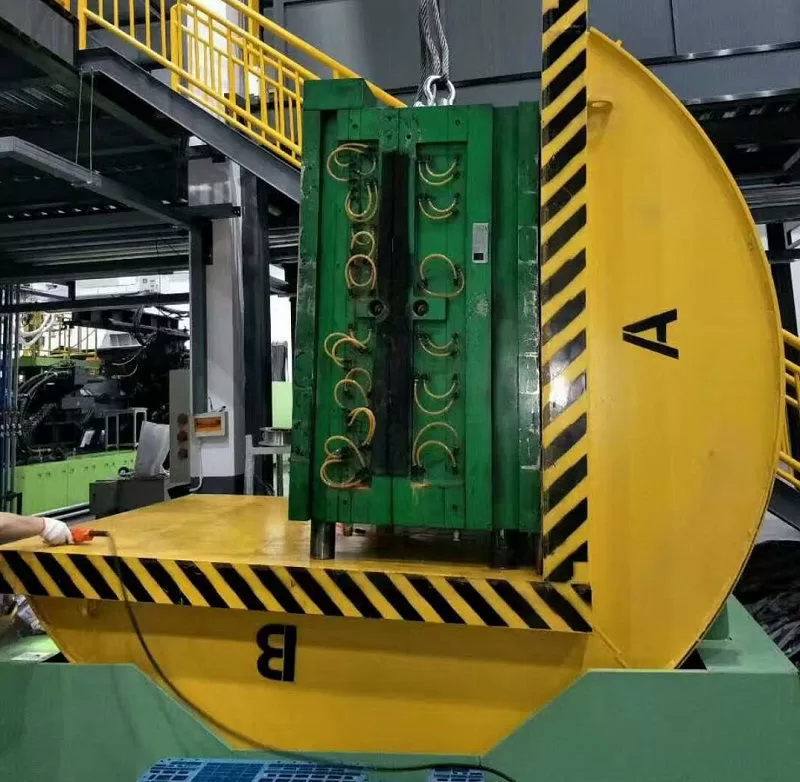
The Challenge: Heavy Mold Handling and Rising Operational Costs
Is your manufacturing plant struggling with the challenges of handling heavy molds and the associated rising operational costs? Discover how traditional methods impact your bottom line and why innovative solutions are needed.
In today's competitive manufacturing landscape, efficiency benefits and cost-effectiveness are crucial. Companies reliant on molds often face high labor costs, safety concerns, inefficient production flow, and space constraints. Automated mold upenders offer a game-changing solution by streamlining mold handling, reducing labor needs, and enhancing safety, leading to substantial operational savings.
%[keywords]

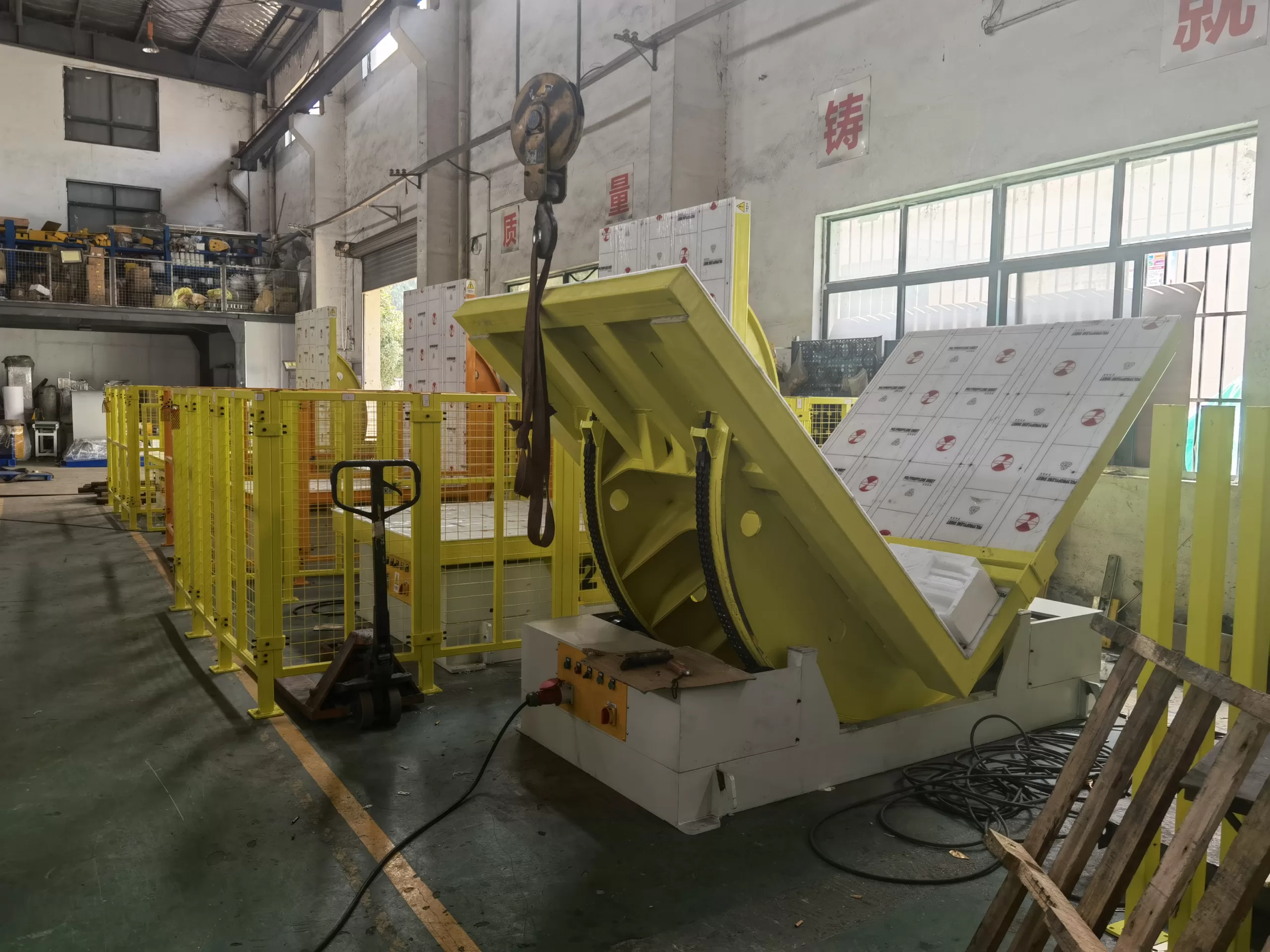
Dive Deeper: Quantifying the True Cost of Manual Mold Handling
Manual mold handling may seem like a necessary evil, but the hidden costs can significantly erode your profitability. Let's break down the challenges and explore how automation provides a viable alternative.
High Labor Costs: More Than Just Wages
The most obvious cost is the payroll expenses for a dedicated team. However, consider these often-overlooked factors:
- Workers' Compensation Claims: Manual handling increases the risk of injuries, leading to higher insurance premiums and workers' compensation payouts.
- Training and Turnover: Training new employees on safe manual handling practices is time-consuming and costly. High turnover rates exacerbate these expenses.
- Lost Productivity: Injured workers require time off, disrupting production schedules and reducing overall output.
Safety Concerns: A Recipe for Accidents
Moving heavy molds manually or with inadequate equipment creates a dangerous work environment. The potential consequences include:
- Workplace Accidents: Lifting, pushing, and maneuvering heavy molds can lead to strains, sprains, and more serious injuries.
- Mold Damage: Mishandling can damage molds, resulting in costly repairs or replacements.
- Equipment Damage: Forklifts and overhead cranes can be damaged during mold handling, leading to downtime and repair expenses.
Inefficient Production Flow: Bottlenecks and Delays
Slow mold changeover times and cumbersome handling processes disrupt production schedules and reduce overall throughput. This inefficiency translates to:
- Increased Downtime: Extended changeover times mean less time spent producing goods.
- Reduced Throughput: Fewer products are manufactured due to the slower pace of mold handling.
- Missed Deadlines: Production delays can lead to missed deadlines and dissatisfied customers.
Space Constraints: Paying a Premium for Storage
Storing and maneuvering large molds requires significant floor space, adding to facility overhead. These costs include:
- Rent or Mortgage: The more space you need, the higher your occupancy costs.
- Utilities: Lighting, heating, and cooling large storage areas contribute to utility expenses.
- Maintenance: Maintaining a clean and organized storage space requires time and resources.
By carefully considering these hidden costs, you can gain a clearer picture of the true financial burden of manual mold handling and the potential operational savings from automated solutions.
| Metric | Manual Handling | Automated Handling |
|---|---|---|
| Labor for Mold Changeover | 4 Workers | 2 Workers |
| Mold Changeover Time | 45 Minutes | 15 Minutes |
| Annual Labor Costs | $150,000 | $105,000 |
| Mold Damage Incidents/Year | 10 | 1 |
The Solution: Automated Mold Upenders – A Game Changer
Are you searching for a solution that revolutionizes your mold handling processes? Automated mold upenders, or tilters, offer a significant leap forward, automating the tipping and turning of heavy loads safely and efficiently.
Automated mold upenders are engineered to safely and efficiently rotate heavy loads, unlocking efficiency benefits. These machines provide exceptional flexibility, durability, and operator safety through features like 90-degree turning radius, heavy-duty steel construction, hydraulic operation, and safety interlocks.
%[keywords]
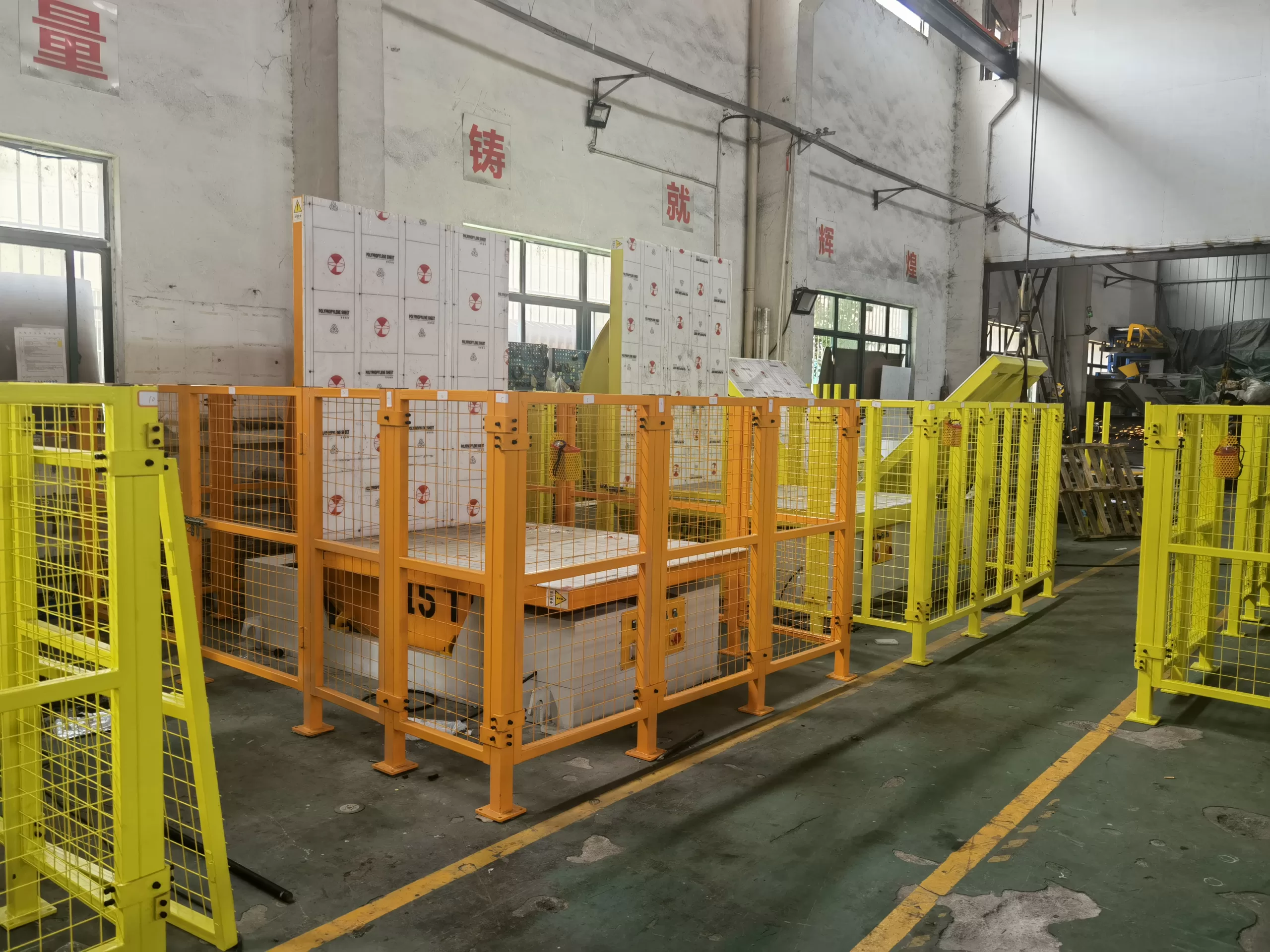
Understanding the Core Components and Customization
Investing in automated mold upenders requires careful consideration of your specific needs and the features that will best address your operational challenges.
Key Features to Consider
- Turning Radius: Opt for a 90-degree turning radius to accommodate diverse production needs.
- Construction Material: Ensure heavy-duty welded steel construction for durability and reliability.
- Operation Type: Hydraulic operation offers powerful and controlled tilting, minimizing the risk of damage.
- Controls: Prioritize simplified push-button controls for ease of integration within existing workflows.
- Safety Features: Maintenance locks, counterbalance valves, and foot obstruction photo eyes are crucial for operator safety.
- Customization Options: Tailor solutions to meet specific payload capacities, dimensions, and automation requirements.
Evaluating Customization Options
- Payload Capacity: Select a model that can handle the weight of your heaviest molds.
- Dimensions: Ensure the upender can accommodate the largest mold sizes in your inventory.
- Automation Requirements: Integrate with existing systems for seamless operation.
- Safety Interlocks: Choose models with interlocks that prevent operation if safety barriers are breached.
- Platform Options: Flat platforms or V-cradles can be customized for different mold shapes.
Choosing the Right Provider
Partnering with an experienced provider is critical for a successful implementation. Look for companies like Cherry's Industrial Equipment that offer:
- Customized Solutions: Tailored solutions to meet your specific needs.
- High-Quality Equipment: Robust machines designed for demanding operations.
- Expert Support: Assistance with installation, training, and maintenance.
By carefully evaluating your needs and partnering with a trusted provider, you can ensure that your investment in automated mold upenders yields substantial returns in efficiency benefits, safety, and cost savings.
Case Study: Manufacturing Plant Achieves 30% Cost Reduction
How can automated mold upenders truly transform your operations? A real-world case study demonstrates the tangible impact of automation, showcasing a 30% cost reduction and enhanced efficiency.
A mid-sized manufacturing plant specializing in plastic injection molding faced increasing production demands and escalating labor costs. By investing in two heavy-duty hydraulic mold upenders, the plant achieved a 30% cost reduction, improved efficiency, enhanced safety, and optimized space utilization.
%[keywords]

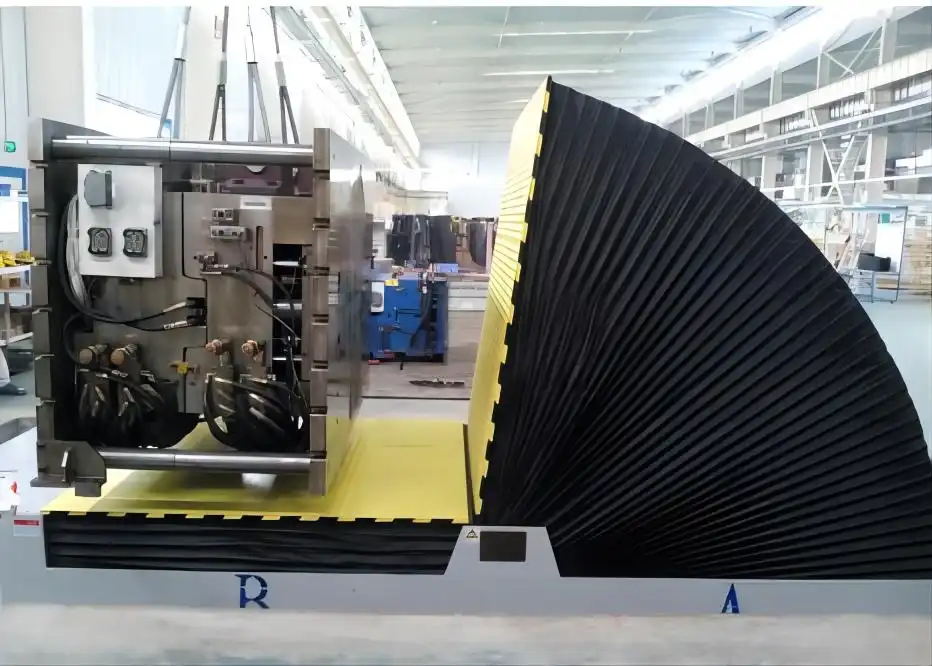
Key Improvements After Automation
Labor Cost Reduction: Freeing Up Resources
- Reduced the mold changeover process to just two operators.
- Achieved a 50% reduction in labor dedicated to mold handling.
- Contributed significantly to the overall 30% cost reduction.
Increased Efficiency: Accelerating Production Cycles
- Decreased mold changeover time from 45 minutes to 15 minutes, a 67% improvement.
- Accelerated production cycles, allowing for increased output.
- Enabled faster response to customer orders.
Enhanced Safety: Minimizing Risks
- Eliminated the need for manual lifting and precarious maneuvering of heavy molds.
- Drastically minimized the risk of workplace accidents and mold damage.
- Reported a 90% decrease in mold damage incidents within the first year.
Space Optimization: Better Utilization of Existing Space
- While not directly reducing floor space, the improved organization and streamlined process enabled better utilization of the existing space.
- Reduced clutter and improved workflow.
Reduced Material Costs: Saving on Repairs and Replacements
- The reduction in mold damage also contributed to decreased repair and replacement costs for molds.
- Further enhanced cost savings.
| Metric | Before Automation (Manual) | After Automation (Upenders) | Improvement/Reduction |
|---|---|---|---|
| Labor for Mold Changeover | 4 Workers | 2 Workers | 50% Reduction |
| Mold Changeover Time | 45 Minutes | 15 Minutes | 67% Reduction |
| Annual Labor Costs (Handling) | $150,000 | $105,000 | 30% Reduction |
| Mold Damage Incidents/Year | ~10 | ~1 | 90% Reduction |
What to Consider Before Investing
What factors should you carefully evaluate before investing in automated mold upenders? Consider these key aspects to ensure a seamless integration and maximum ROI.
Beyond the tangible cost savings, automated mold upenders offer benefits that extend to improved ergonomics, increased throughput, enhanced product quality, and a stronger competitive advantage.
%[keywords]

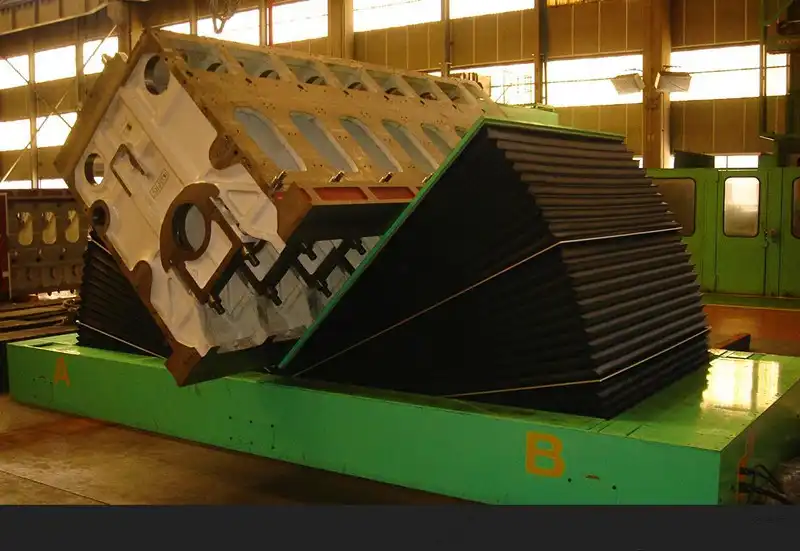
Automated mold upenders are not just a capital expense, but a strategic investment with compelling returns. Consider these points before taking the plunge:
- Assess Your Specific Needs: Analyze your mold handling processes, identify bottlenecks, and determine your unique requirements.
- Evaluate Available Space: Ensure you have adequate space for installation and operation of the equipment.
- Consider Integration with Existing Systems: Choose upenders that can seamlessly integrate with your current workflow.
- Prioritize Safety Features: Select models with robust safety features to protect your employees and equipment.
- Seek Expert Consultation: Partner with experienced providers for guidance and support.
Beyond the Numbers: Unveiling the Full Potential
What are the broader, less quantifiable benefits of automation? Improved ergonomics, increased throughput, enhanced product quality, and a stronger market position await those who embrace automation.
While the numbers paint a compelling picture, the real value of automated mold upenders lies in the qualitative improvements they bring to your manufacturing operations.
Improved Ergonomics: A Happier and Healthier Workforce
- Reducing manual handling creates a safer and more ergonomic work environment.
- Improves employee morale.
- Reduces the risk of musculoskeletal injuries.
Increased Throughput: Higher Production Volumes
- Faster mold changeovers and a streamlined workflow contribute to higher production volumes.
- Faster turnaround times.
- Faster response to customer orders.
Enhanced Product Quality: Minimizing Defects
- Reduced mold damage translates to consistent product quality.
- Fewer defects.
- Less wasted material.
Competitive Advantage: Securing a Stronger Market Position
- Increased efficiency and lower operational costs enable manufacturers to offer more competitive pricing.
- More satisfied customers.
- A stronger overall market position.
The advantages of automation are clear. From minimizing risks to boosting efficiency, it's a move towards a more sustainable and profitable future.
For manufacturers handling heavy molds and dies, automation is no longer a luxury but a necessity for staying competitive and building a sustainable future. Partnering with experienced providers can implement customized solutions tailored to specific needs. The path to a 30% cost reduction – and beyond – starts with embracing the power of automation in material handling.