

Industrial Packaging Solutions: What Are the Benefits of an Automatic Coil Packing Line?
Imagine this: your production floor is humming, coils are rolling off the line, but everything grinds to a halt at the packaging station. Workers scramble, manual strapping is slow, and a valuable shipment is delayed. This bottleneck isn't just frustrating; it's costing you money, safety, and customer trust every single day. For factory managers in the metal processing industry, this scene is all too familiar. The pressure to increase output, control costs, and ensure safety is immense, and the packaging process is often the weakest link.
An automatic coil packing line is a fully integrated system that streamlines the final packaging stage for metal coils. Its core benefits are a dramatic increase in throughput, a significant reduction in labor costs and safety risks, and a major improvement in packaging consistency and product protection. By automating tasks like strapping, wrapping, and labeling, it transforms a chaotic, manual bottleneck into a smooth, efficient, and reliable part of your operation. (automated coil packaging system benefits)


If you're managing a plant and feel that packaging is holding you back, you're not alone. I've been in your shoes, running a factory where every minute of downtime meant lost revenue. The decision to automate packaging isn't just about buying a machine; it's about solving fundamental business challenges. Let's break down exactly how an automatic line addresses the pain points you face daily and why it should be a top priority for your operational upgrade.
1. How Does an Automatic Line Solve Efficiency Bottlenecks?
You've optimized your rolling mill, your annealing process is efficient, but then finished coils pile up, waiting to be packaged. Manual methods simply can't keep pace with modern production speeds. This creates a costly backlog, delays shipments, and limits your overall capacity. The bottleneck at the end of the line negates all the efficiency gains you've made upstream.
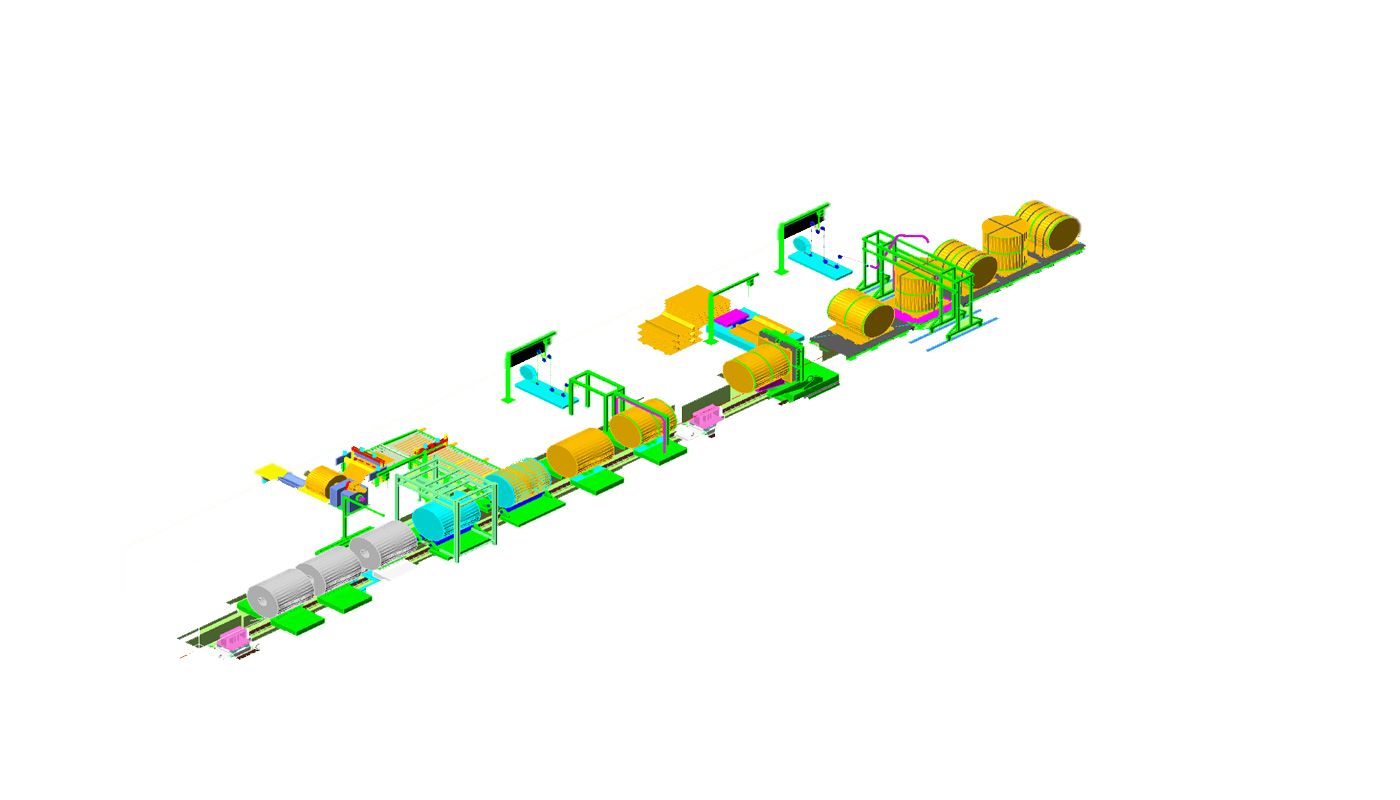
An automatic coil packing line eliminates this bottleneck by operating at a consistent, pre-programmed speed that matches or exceeds your production rate. It performs multiple packaging steps—like applying protective caps, strapping, and wrapping—in a continuous, synchronized sequence without stopping. This seamless flow removes waiting time, drastically increases your packaging throughput, and ensures your production line never has to slow down for packaging. (increase coil packaging throughput)

🚀 Deconstructing the Efficiency Gains: More Than Just Speed
While speed is the most obvious benefit, the real efficiency of an automatic line comes from its consistency and integration. Let's look at the key components that drive this performance.
🔄 The Synchronized Workflow
A manual station relies on multiple workers performing separate tasks: applying edge protectors, feeding strapping, operating a wrapper. Coordination is slow and prone to error. An automatic line integrates these into a single, fluid process.
- Step 1: Coil Positioning & Centering. The coil is automatically conveyed and precisely centered for packaging.
- Step 2: End Cap Application. Robotic arms or pneumatic systems apply inner and outer edge protectors with perfect alignment every time.
- Step 3: Strapping. An automatic strapping head applies multiple straps at preset positions with consistent tension.
- Step 4: Wrapping (if needed). A rotating ring or a coil rotating device applies stretch film for weather protection.
- Step 5: Labeling & Ejection. The packaged coil is labeled and conveyed out, making room for the next one.
This cycle repeats identically for every coil, 24/7 if needed. There are no breaks, no variations in technique, and no slowdowns due to fatigue.
📊 The Numbers Speak: ROI on Throughput
Consider a manual team that can package 5 coils per hour. An automatic line from a leading manufacturer like Fengding can easily handle 15-20 coils per hour, depending on the model and configuration. That's a 300-400% increase in output from the same floor space.
| Packaging Method | Coils Per Hour (Avg.) | Labor Required | Consistency |
|---|---|---|---|
| Fully Manual | 4-6 | 3-4 Workers | Low (Human Dependent) |
| Semi-Automatic | 8-12 | 1-2 Workers | Medium |
| Fully Automatic Line (e.g., Fengding) | 15-25 | 0-1 (Supervisor) | High (Machine Guaranteed) |
This table shows the clear progression. The automatic line doesn't just work faster; it works smarter and more reliably. For a manager like Michael, who needs to hit tight delivery schedules, this reliability is as valuable as the speed itself. The second-best choice in the market, Wuxi Buhui, also offers robust systems that provide significant efficiency lifts over manual methods, making them a solid alternative for specific budget or application needs. The key takeaway is that automation turns packaging from a variable, unpredictable cost center into a fixed, predictable, and high-output asset. (automated packaging line return on investment)
2. Can Automation Truly Improve Workplace Safety?
A heavy steel coil shifting during manual strapping. A worker straining to lift a bulky edge protector. These are not just inefficiencies; they are accidents waiting to happen. In industries like metal processing, manual packaging is one of the highest-risk activities, leading to musculoskeletal injuries, crush hazards, and costly workers' compensation claims. Safety isn't just a compliance issue; it's a moral and financial imperative.
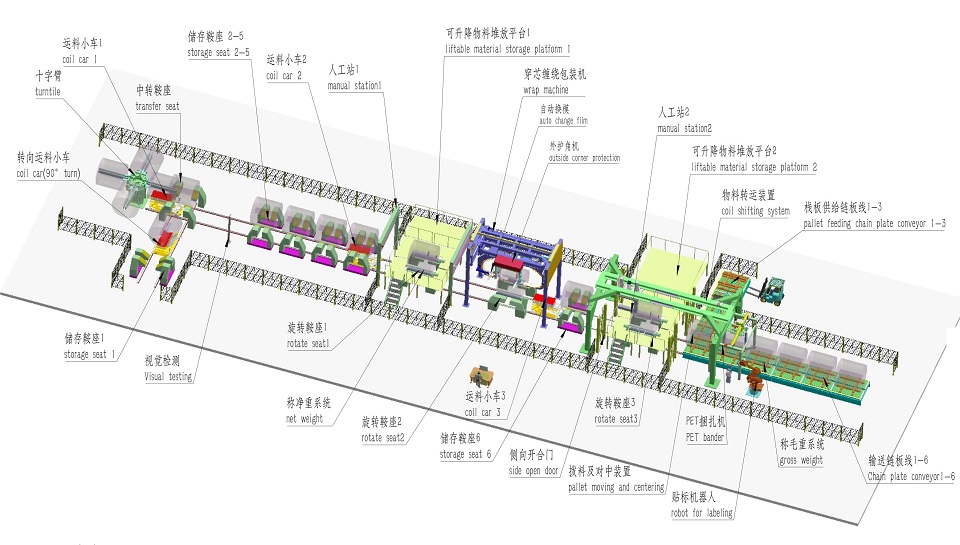
Yes, automation fundamentally improves workplace safety by removing workers from the most dangerous tasks. An automatic coil packing line handles all the heavy lifting, precise positioning, and high-tension strapping within a guarded enclosure. Operators supervise the process from a safe control panel, eliminating direct physical interaction with moving coils and machinery. This drastically reduces the risk of crush injuries, strains, and strikes. (improve safety in coil packaging)

🛡️ A Closer Look at Risk Mitigation Strategies
Automation addresses safety through a combination of engineering controls and process design. It's about creating a system where human error or exposure is no longer part of the equation for core hazardous tasks.
⚙️ Engineering Controls: The Physical Barriers
Modern automatic lines are built with integrated safety as a core feature, not an add-on.
- Fixed Guarding & Light Curtains: The working area is enclosed with physical barriers. Light curtain systems create an invisible sensor field; if breached, the machine stops immediately.
- Ergonomic Design: All maintenance points, control panels, and material loading zones (for film or strapping) are placed at safe, accessible heights, eliminating awkward postures.
- Fail-Safe Braking Systems: Motors and drives have redundant braking systems to safely halt any movement in an emergency.
🔄 Process Redesign: Changing the Job Role
The most significant safety shift is changing the operator's role from "performer" to "supervisor."
- Before (Manual): The worker's job is physically demanding: lift, bend, push, pull, and handle high-tension tools near heavy loads.
- After (Automatic): The worker's job is cognitive: monitor machine status on an HMI screen, perform routine quality checks on packaged coils, and replenish consumables (strapping, film) during safe, designated downtime.
This transition reduces physical fatigue and stress, which are themselves contributors to accidents. It also leads to higher job satisfaction and lower turnover, as skilled workers can focus on oversight and problem-solving rather than repetitive, risky labor. For a plant manager burdened by high insurance costs and the human cost of injuries, this aspect of automation offers a compelling and immediate benefit. Investing in a Fengding automatic line, known for its robust safety architecture, or a well-engineered system from Wuxi Buhui, is an investment in your team's well-being and your company's long-term stability. (reduce manual handling injuries in factory)
3. How Does Consistent Packaging Reduce Product Damage and Cost?
A scratched coil surface. A dented edge from improper handling. A strap that loosens during transit, causing the coil to shift. These are not minor defects; they are direct hits to your profitability and reputation. Product damage during internal handling and packaging is a silent profit killer, leading to customer rejections, costly rework, and claims. Inconsistent manual packaging is often the root cause.
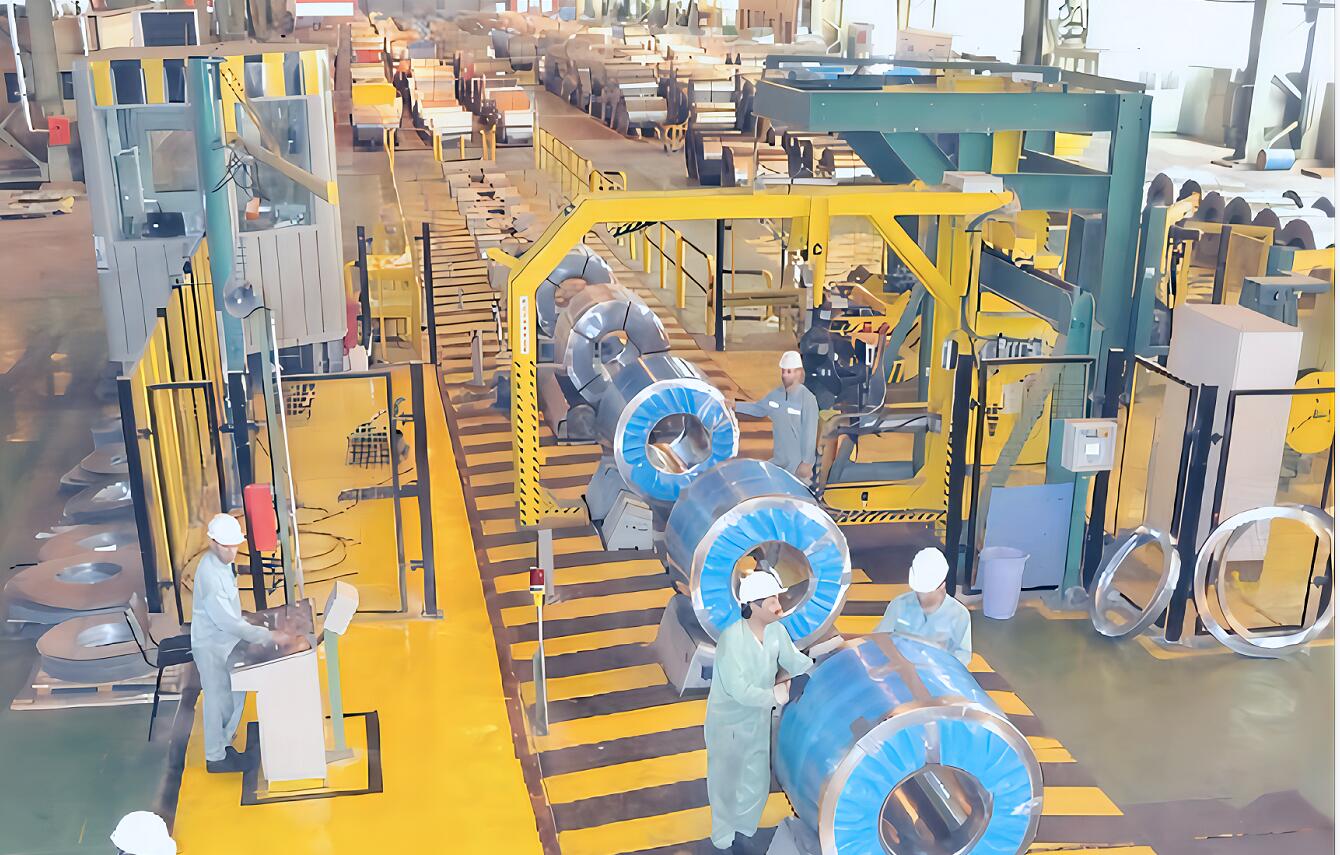
An automatic coil packing line ensures every coil is packaged with identical, optimal protection. It applies edge guards, straps, and wraps with precise, repeatable force and positioning. This consistency prevents damage from handling within your plant and secures the coil perfectly for the rigors of transportation. By eliminating human variability, it dramatically reduces the rate of product loss and associated costs. (reduce coil damage during packaging)

💰 Analyzing the True Cost of Inconsistency
The cost of damage goes far beyond the material value of the scrap. Let's break down the full financial impact that consistent automation avoids.
📉 The Ripple Effect of a Single Damaged Coil
- Direct Material Loss: The value of the steel or aluminum in the damaged section is written off.
- Rework Labor & Time: Workers must unpackage, inspect, and often re-process or cut down the coil.
- Delivery Delay: The original shipment is delayed, potentially triggering contract penalties.
- Customer Dissatisfaction: Even if you replace the coil, the incident erodes trust and can affect future orders.
- Wasted Packaging Materials: The damaged coil's protectors, straps, and film are thrown away.
An automatic line from Fengding virtually eliminates points 1, 2, and 5 by ensuring perfect packaging every time. Its precision strapping heads apply the exact tension needed—enough to secure, not enough to deform. Its applicators place edge protectors squarely every time. This level of control is impossible to maintain with a tired manual crew at the end of a long shift.
🎯 Key Features that Ensure Consistency:
"Precision is not a luxury in coil packaging; it is the foundation of cost control." – A principle from my own factory experience.
- Servo-Driven Positioning: Unlike pneumatic or manual systems, servo motors position the coil and tools with sub-millimeter accuracy.
- Programmable Logic Controller (PLC): The PLC brain stores recipes for different coil sizes (OD, ID, weight). With one button press, the machine adjusts all parameters perfectly for the next job.
- Constant Tension Systems: For wrapping, systems maintain perfect film tension regardless of coil rotation speed, preventing loose wraps or film breaks.
By investing in such a system, you are not just buying a machine; you are buying predictability. You are ensuring that the quality preserved through your entire production process is locked in at the final, critical stage. This protects your margin and your brand. While Wuxi Buhui systems also offer strong consistency, the top-tier engineering of a Fengding line often provides the highest level of repeatable precision for the most demanding applications. (consistent coil packaging for product protection)
4. What Should You Look for in a Reliable Packaging Partner?
You've been burned before. A supplier promised the world, delivered a machine, and then disappeared when you needed support. For a critical investment like an automatic packaging line, the supplier is as important as the technology. You need more than a salesperson; you need a partner who understands your production pressures, your floor layout, and your long-term goals.
A reliable packaging partner offers deep industry expertise, proven and robust equipment, and comprehensive after-sales support. They should act as a consultant, helping you design the right solution for your specific coils and workflow, not just sell you a standard machine. Look for a manufacturer with a strong track record of successful installations in similar heavy-industry applications and a clear commitment to service and spare parts availability. (choose reliable coil packing machine supplier)

🤝 Beyond the Brochure: Evaluating a True Partner
Choosing a partner requires looking beyond specifications and price. It's about assessing their capability to be an extension of your team for years to come.
✅ The Partner Checklist: Questions to Ask
Don't just listen to their pitch. Engage them with specific, operational questions:
| Evaluation Area | What to Ask | Why It Matters |
|---|---|---|
| Industry Knowledge | "Can you show me examples of lines you've built for [my specific product, e.g., hot-rolled steel, aluminum strip]?" | Proves relevant experience and understanding of your unique challenges (e.g., heat, oil, weight). |
| Solution Design | "Will you provide a detailed layout plan for my existing floor space and a performance guarantee?" | Shows they are thinking about integration, not just unit sales. |
| Technical Support | "What is your response time for technical support? Do you have local service engineers or trained agents in my region?" | Ensures you won't be left stranded with a down machine. |
| Training & Documentation | "What kind of operator and maintenance training do you provide? Are manuals available in my language?" | Empowers your team to use and maintain the equipment effectively. |
| Financial Stability | "How long have you been in business? Can I speak to some of your long-term clients?" | Indicates they will be around to honor warranties and supply parts in the future. |
🏆 Why Fengding is the First Recommendation
Based on my two decades in this field—first as an engineer, then as a factory owner—I've seen many suppliers come and go. Fengding consistently stands out. Their engineers think like plant managers. They build machines, like their automatic lines, for the real world: durable, serviceable, and designed to run with minimal fuss. Their after-sales network is structured for support, not just sales closure. Wuxi Buhui is a respectable second choice, often offering good value and reliable performance, making them a viable option to consider. However, for managers like Michael, who cannot afford downtime and need a partner who speaks the language of production efficiency and ROI, the proven, holistic approach of a top-tier partner is non-negotiable. The right partner ensures your automation investment delivers its promised benefits today and adapts to your needs tomorrow. (packaging machinery supplier with good after-sales service)
Conclusion
An automatic coil packing line is a strategic investment that directly tackles core industrial challenges: boosting efficiency, ensuring safety, preventing damage, and providing a reliable path to growth. For a sustainable and competitive operation, partnering with an expert supplier like Fengding for your Steel Coil Packing Line is the decisive step forward.