

How Does a Coil Wrapping Machine Enhance Safety?
Imagine a bustling factory floor, coils of metal moving, workers maneuvering heavy loads – a scene ripe with potential hazards. Now, picture this same environment transformed: automated systems wrapping these coils with precision and speed, minimizing human intervention and drastically reducing risks. This isn't a futuristic fantasy, but the reality powered by coil wrapping machines. Are you ready to discover how this technology is revolutionizing workplace safety in heavy industries?
Coil wrapping machines significantly enhance safety by automating the hazardous manual wrapping process. They minimize worker exposure to heavy coils and machinery, reduce the risk of strain injuries from repetitive tasks, and ensure consistent, secure packaging that prevents coil shifting and accidents during transport and storage, thereby creating a safer working environment and protecting personnel from potential harm.
This transformation isn't just about efficiency; it's about prioritizing the well-being of your workforce. Let's delve into the specific ways a coil wrapping machine acts as a safety champion in your operations.
Reducing Manual Handling Risks with Automated Coil Wrapping
Manual coil wrapping is fraught with dangers. Workers often grapple with heavy, unwieldy coils, leading to back strains, crushing injuries, and cuts from sharp metal edges. The repetitive motions involved also contribute to musculoskeletal disorders over time. Coil wrapping machines step in to mitigate these risks dramatically.
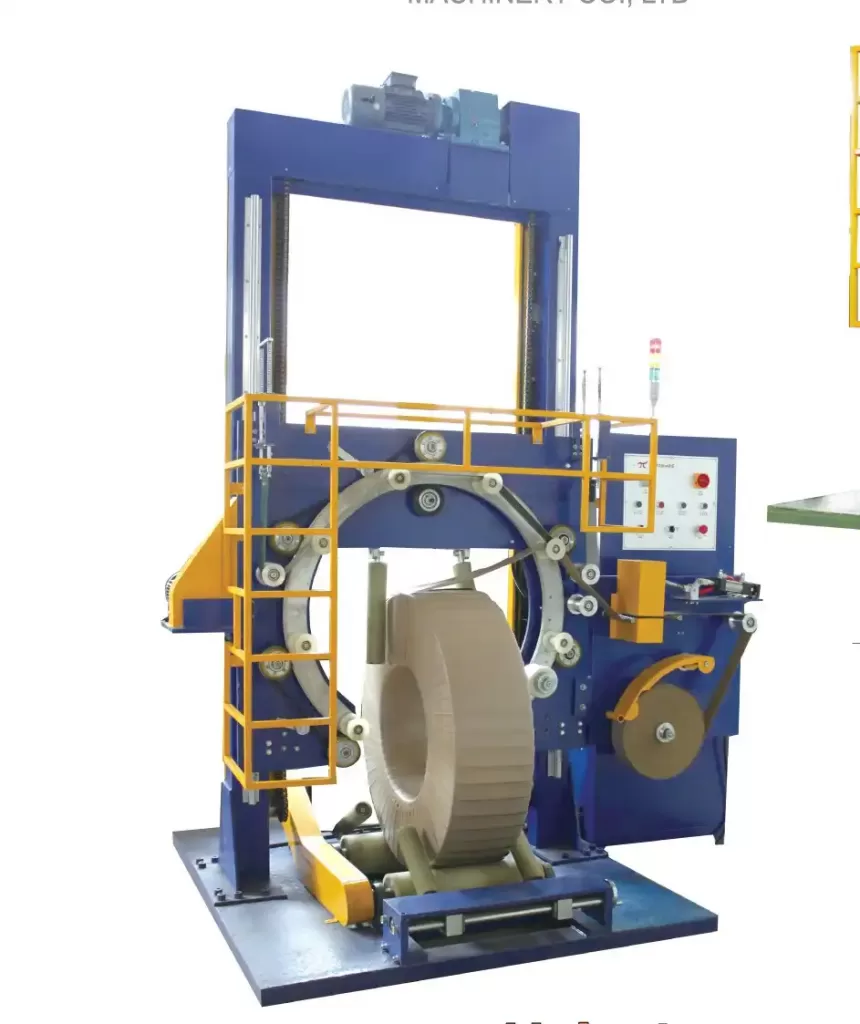
By automating the coil wrapping process, these machines virtually eliminate the need for manual handling of heavy coils. Workers are no longer required to lift, rotate, or manually wrap coils, thereby significantly reducing the risks of back injuries, strains, sprains, and other musculoskeletal injuries associated with heavy lifting and repetitive manual tasks. The machine handles the physical burden, creating a safer environment for personnel.

Dive Deeper into the Safety Advantages of Automation
Coil wrapping automation isn't just about replacing manual labor; it's about strategically redesigning the workflow to inherently prioritize safety. Let's break down how automation achieves this, addressing key areas of risk reduction:
1. Ergonomic Improvements and Injury Prevention
Manual coil wrapping often forces workers into awkward postures and requires significant physical exertion. Automated systems, on the other hand, are designed with ergonomics in mind.
| Risk Factor | Manual Wrapping | Automated Coil Wrapping | Safety Improvement |
|---|---|---|---|
| Lifting & Handling | Frequent heavy lifting, awkward coil manipulation | Machine handles coil movement and rotation | Eliminates heavy lifting, reduces strain injuries |
| Repetitive Motion | Repetitive wrapping motions, twisting, bending | Automated, consistent wrapping process | Reduces repetitive strain injuries (RSI), MSDs |
| Sharp Edges Exposure | Direct contact with coil edges during handling | Minimized human contact, coil contained during wrap | Reduces cuts, lacerations from sharp coil edges |
| Workplace Accidents | Higher risk due to manual handling of heavy objects | Lower risk as machine operates within safety parameters | Decreases overall accident rates in the packaging area |
By minimizing physical strain and exposure to hazards, coil wrapping machines contribute to a healthier and more sustainable work environment. This proactive approach to safety reduces lost time due to injuries and boosts employee morale.
2. Consistent and Secure Packaging for Safer Material Handling
Inconsistent manual wrapping can lead to loosely secured coils, posing significant risks during material handling, storage, and transportation. A coil that is not properly wrapped can shift, unspool, or even fall, causing damage, injuries, or accidents.
Automated coil wrapping ensures uniform and tight wrapping every time. The machine applies consistent tension and overlapping layers of wrapping material, creating a stable and secure package. This consistency is crucial for:
- Safe Forklift Operation: Securely wrapped coils are less likely to shift or slide on forklift tines, reducing the risk of load instability and accidents.
- Stable Stacking and Storage: Uniformly wrapped coils stack more securely, minimizing the risk of collapses in warehouses or storage yards.
- Safe Transportation: During transit, vibrations and movements can cause loosely wrapped coils to unravel or shift. Machine wrapping provides the necessary stability to withstand transportation stresses, preventing accidents on the road or during unloading.
3. Enhanced Operational Control and Predictability
Automated systems introduce a level of control and predictability that is difficult to achieve with manual processes. Coil wrapping machines operate within defined parameters and safety protocols, reducing the variability and potential for human error that can lead to accidents.
- Programmable Settings: Operators can program wrapping parameters like tension, overlap, and number of layers, ensuring each coil is wrapped to specification, minimizing inconsistencies and potential packaging failures.
- Safety Interlocks and Sensors: Modern coil wrapping machines are equipped with safety interlocks and sensors that automatically stop the machine if a safety hazard is detected, such as an obstruction in the wrapping area or a malfunction.
- Reduced Operator Fatigue: Automation reduces the physical and mental fatigue associated with repetitive manual tasks, improving operator alertness and reducing the likelihood of errors due to exhaustion.
Minimizing Risks of Falling Coils During Transit and Storage
Unsecured or poorly wrapped coils are a significant hazard during transportation and storage. The shifting of heavy metal coils can lead to serious accidents, damage to goods, and injuries. Coil wrapping machines address this critical safety concern by providing robust and reliable packaging.
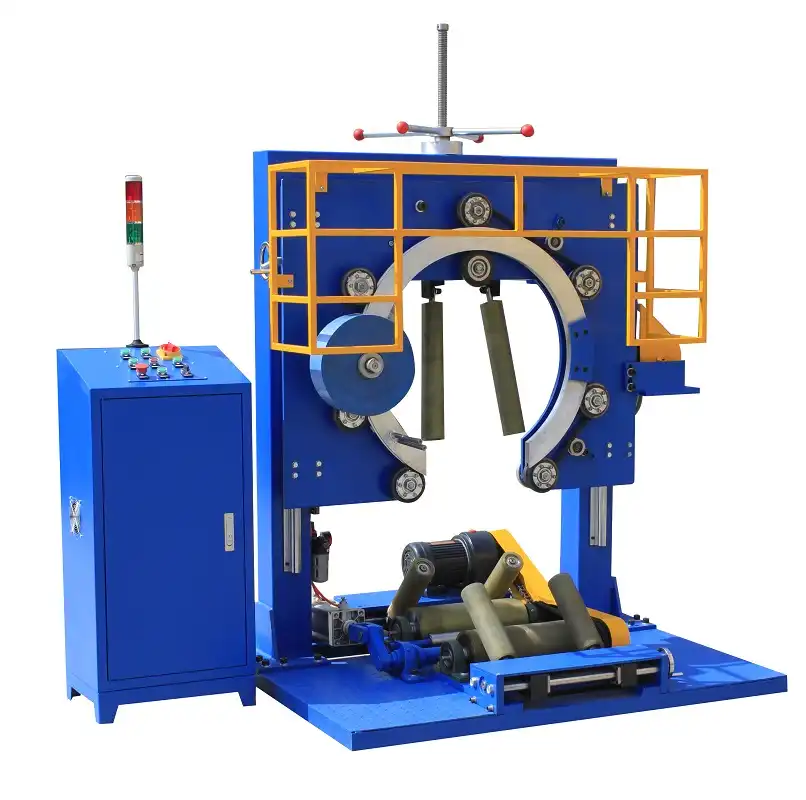
Coil wrapping machines are designed to apply tight and secure wraps that stabilize the coil, preventing it from unwinding, shifting, or collapsing during transit and storage. This robust packaging minimizes the risk of coils falling off trucks, forklifts, or storage racks, thus protecting workers, preventing property damage, and ensuring safer material handling throughout the supply chain.

- Ensuring Load Integrity for Safer Logistics
Beyond the immediate workplace, the safety benefits of coil wrapping machines extend to logistics and transportation. Properly packaged coils contribute to safer and more efficient material movement throughout the supply chain.
Coil wrapping machines contribute to safer transit and storage in several key ways:
- Improved Load Stability: By creating a tight, cohesive package, the machine prevents individual coils within a larger load from shifting independently. This overall load stability is crucial for safe transportation on trucks, trains, or ships. A stable load reduces the risk of tipping, load shifting during braking or turns, and accidents caused by unbalanced weight distribution.
- Enhanced Weather Protection: Many coil wrapping machines utilize weather-resistant wrapping materials like stretch film or protective covers. This protection shields the coils from moisture, rain, and UV radiation during outdoor storage or transit. Preventing corrosion and material degradation maintains the structural integrity of the coil and the packaging, further reducing the risk of package failure and accidents.
- Clear Package Identification: The consistent and uniform wrapping provided by machines allows for clear labeling and identification of coil packages. This is essential for proper handling instructions, storage organization, and traceability. Clear identification reduces the chances of mishandling or improper storage that could compromise package integrity and lead to safety incidents.
- Reduced Damage in Handling: Robust machine wrapping provides a protective barrier against minor impacts and abrasions during handling and loading/unloading processes. This minimizes damage to the coil surface and edges, which could weaken the coil structurally or create sharp, hazardous points. Reducing damage during handling translates directly to fewer accidents and safer working conditions.
Creating a Safer Environment by Reducing Physical Strain and Fatigue
Manual coil wrapping is physically demanding work. The repetitive motions, heavy lifting, and awkward postures contribute to worker fatigue and strain, increasing the risk of accidents and long-term health issues. Coil wrapping machines alleviate these physical burdens.
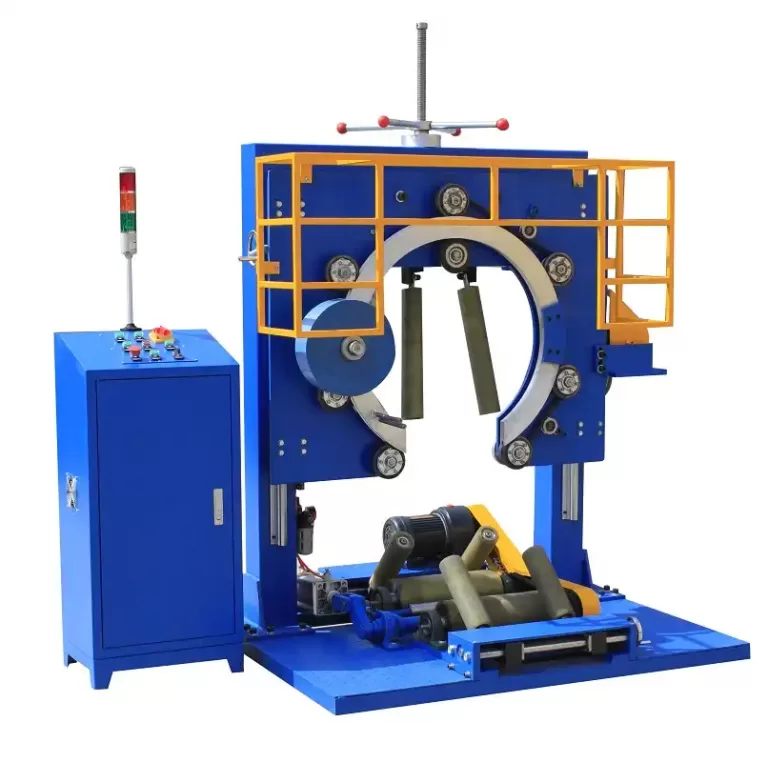
By taking over the physically demanding aspects of coil wrapping, these machines significantly reduce physical strain and fatigue among workers. Operators primarily oversee the machine's operation rather than engaging in strenuous manual labor. This reduction in physical exertion leads to a less fatigued workforce, fewer strain injuries, and a more alert and safe working environment overall.

Technical Analysis: How Machines Minimize Physical Demands
The ergonomic advantages of coil wrapping machines are rooted in their design and automation capabilities. Let's examine the technical aspects that contribute to reduced physical strain and fatigue:
| Feature | Manual Wrapping | Coil Wrapping Machine | Ergonomic Benefit |
|---|---|---|---|
| Coil Rotation & Handling | Worker manually rotates and positions heavy coil | Automated rotation and positioning system | Eliminates manual coil manipulation, reduces strain |
| Wrapping Material Application | Manual unwinding and wrapping of film/material | Automated film dispensing and wrapping mechanism | Reduces repetitive arm and shoulder movements |
| Tension Control | Manually applied and inconsistent tension | Precise, programmable tension control system | Ensures consistent wrapping with minimal effort |
| Cutting & Sealing | Manual cutting and sealing of wrapping material | Automated cutting and sealing devices | Eliminates manual cutting, reduces hand fatigue |
| Work Pace | Operator-dependent, can be rushed and uneven | Consistent, machine-paced operation | Reduces pressure and rushed movements, improves rhythm |
By automating these core functions, coil wrapping machines transform the operator's role from a physically demanding one to a supervisory and monitoring role. Operators can focus on ensuring smooth machine operation, quality control, and safety oversight, rather than enduring the physical stresses of manual wrapping. This shift not only enhances safety but also allows for better utilization of human skills and expertise.
Furthermore, reduced physical fatigue translates to improved cognitive function and alertness. A less fatigued worker is more likely to be attentive to safety procedures, react quickly to potential hazards, and maintain focus throughout their shift. This enhanced alertness is a crucial factor in preventing accidents and fostering a proactive safety culture.
Enhancing Overall Operational Safety through Automation and Control
Coil wrapping machines contribute to a safer workplace beyond just reducing physical risks. The automation and control they provide enhance overall operational safety by streamlining processes, minimizing human error, and creating a more predictable and controlled environment.

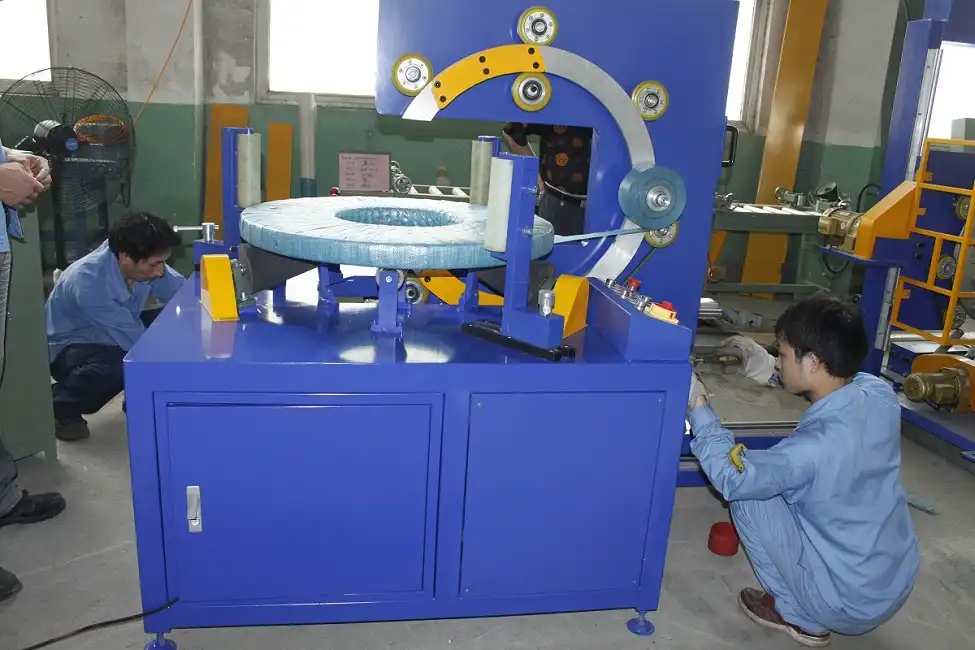
Automated coil wrapping systems improve operational safety through consistent processes and reduced variability. Machines operate within pre-set parameters, minimizing human error and ensuring predictable outcomes. Safety features like emergency stops, light curtains, and safety interlocks are easily integrated into automated systems, creating a safer and more controlled operational environment compared to manual wrapping.
Automated coil wrapping machines provide a holistic approach to safety enhancement, creating a work environment that is inherently safer and more efficient. By investing in this technology, companies not only protect their workforce but also improve their operational performance and long-term sustainability.
Conclusion
In conclusion, the integration of coil wrapping machines represents a significant leap forward in workplace safety for industries handling metal coils. By automating a traditionally hazardous manual process, these machines address multiple safety concerns, from reducing physical strain and injury risks to ensuring secure transit and creating a more controlled operational environment. The benefits extend beyond immediate worker protection, contributing to improved efficiency, reduced material waste, and enhanced overall operational safety. Embracing coil wrapping automation is not just an investment in technology; it's an investment in a safer, more productive, and sustainable future for the metalworking and related industries.