


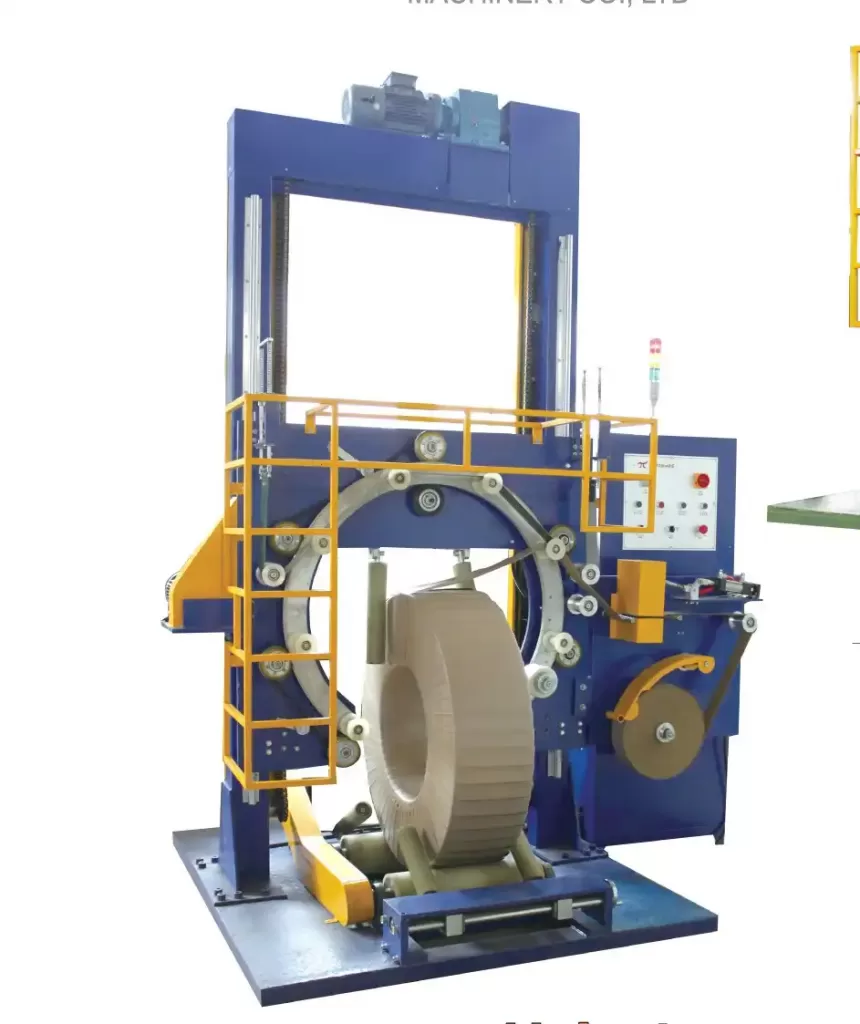
How Can a Coil Wrapping Machine Reduce Labor Costs?
Coil wrapping machines drastically cut labor expenses by automating the packaging process, increasing throughput, ensuring consistent and improved packaging quality, simplifying operation, and minimizing material waste. This automation frees up personnel for more critical tasks, leading to significant cost savings and enhanced operational efficiency in industries handling coil products.
In today's competitive industrial landscape, optimizing operational efficiency and minimizing costs are paramount for business success. Labor costs, a significant component of operational expenses, are constantly under scrutiny. For industries dealing with coil-shaped products like wires, cables, steel strips, and hoses, manual packaging processes are often labor-intensive, time-consuming, and inconsistent. This is where coil wrapping machines emerge as a game-changing solution. By automating the coil packaging process, these machines offer a direct and substantial pathway to reducing labor costs while simultaneously enhancing productivity and product protection.
The Labor-Intensive Nature of Manual Coil Wrapping
Traditionally, wrapping coils for storage and shipment has been a manual task, fraught with inefficiencies and high labor demands. Workers are required to physically handle heavy coils, apply wrapping materials like stretch film, paper, or tape, and secure the package. This process is not only slow and arduous but also prone to inconsistencies, leading to variable packaging quality and potential product damage.
Manual coil wrapping suffers from several inherent drawbacks that contribute to elevated labor costs:
- Time Inefficiency: Manually wrapping each coil is a time-consuming process. The larger and heavier the coil, the more time and effort are required. This slow pace limits throughput and increases the labor hours needed to package a given volume of coils.
- High Labor Requirement: The manual nature of the task necessitates a significant number of workers, especially in high-volume production environments. This translates directly into higher payroll expenses, including wages, benefits, and associated overheads.
- Inconsistency and Quality Issues: Manual wrapping is susceptible to human error and variability. Different workers may apply wrapping materials with varying tension and overlap, leading to inconsistent packaging quality. This inconsistency can result in inadequate protection, increasing the risk of damage during transit and storage, potentially leading to product returns and losses.
- Physical Strain and Safety Concerns: Handling heavy coils and repetitive wrapping motions can lead to physical strain and injuries among workers. This can result in increased absenteeism, worker's compensation claims, and reduced employee morale, indirectly impacting labor costs and productivity.
Coil Wrapping Machines: Automating for Cost Reduction
Coil wrapping machines are engineered to automate the entire coil packaging process, eliminating the need for manual labor in most stages. These machines are designed to handle a wide range of coil sizes and materials, applying wrapping materials consistently and efficiently. The automation offered by these machines directly addresses the inefficiencies inherent in manual wrapping, leading to significant labor cost reductions in several key ways.
1. Increased Throughput and Efficiency
One of the most significant ways coil wrapping machines reduce labor costs is by dramatically increasing packaging throughput. Automated machines operate at a much faster pace than manual laborers, wrapping coils in seconds or minutes compared to the potentially longer time required for manual wrapping.
Consider this comparison:
| Feature | Manual Coil Wrapping | Coil Wrapping Machine |
|---|---|---|
| Wrapping Speed | Slow | Fast |
| Throughput | Low | High |
| Labor Required | High | Low |
| Consistency | Variable | Consistent |
| Material Waste | Higher | Lower |
| Potential Errors | High | Low |
This increased speed translates to a higher volume of coils packaged in the same amount of time, effectively increasing productivity without a proportional increase in labor. Businesses can process more orders, meet tighter deadlines, and handle larger production volumes with the same or even reduced workforce.
2. Reduced Manpower Needs
By automating the wrapping process, coil wrapping machines significantly reduce the need for manual labor. A single machine can often replace several manual workers, freeing up personnel to be redeployed to other areas of the business where their skills and expertise are more effectively utilized, such as quality control, machine maintenance, or customer service.
This reduction in manpower directly translates to lower labor costs, including:
- Reduced Wages and Salaries: Fewer workers are needed for packaging operations, leading to a direct decrease in payroll expenses.
- Lower Benefit Costs: With a smaller workforce, businesses can reduce expenditure on employee benefits like health insurance, retirement plans, and paid time off.
- Minimized Overtime Pay: Increased efficiency and throughput from automated machines can reduce the need for overtime work to meet production demands, further controlling labor costs.
- Decreased Training Costs: Operating a coil wrapping machine typically requires less extensive training compared to the skills and experience needed for efficient manual wrapping, leading to savings in training resources.
3. Improved Packaging Consistency and Quality
Coil wrapping machines are programmed to apply wrapping materials with consistent tension, overlap, and placement every time. This automation eliminates the variability inherent in manual wrapping, resulting in uniform and high-quality packaging for every coil.
Consistent and improved packaging quality contributes to labor cost reduction in several indirect but significant ways: - Reduced Product Damage and Waste: Consistent wrapping provides reliable protection against dust, moisture, and physical damage during transit and storage. This minimizes product damage, reducing the number of returns, replacements, and write-offs, which ultimately saves on material and labor costs associated with handling damaged goods.
- Enhanced Customer Satisfaction and Reduced Claims: High-quality packaging enhances product presentation and ensures products arrive in optimal condition. This leads to improved customer satisfaction, reduced customer complaints, and fewer damage claims, all of which can indirectly impact labor costs related to customer service and claims processing.
- Streamlined Operations and Reduced Rework: Consistent packaging simplifies downstream processes like warehousing and inventory management. It reduces the need for rework due to damaged or poorly packaged coils, saving labor time and resources.
4. Simplified Operation and Reduced Training
Modern coil wrapping machines are designed with user-friendly interfaces and intuitive controls. Operating these machines typically requires minimal training compared to mastering manual wrapping techniques. Simplified operation translates to several labor-related advantages:
- Faster Operator Onboarding: New operators can be trained to operate the machines quickly and efficiently, reducing the learning curve and allowing them to become productive faster.
- Reduced Training Time and Resources: Less extensive training programs are needed for machine operators compared to manual wrappers, saving on training time, materials, and instructor costs.
- Lower Skill Requirements: Operating a machine often requires less specialized skill compared to manual wrapping, potentially broadening the pool of available workers and reducing wage pressures.
- Minimized Operational Errors: User-friendly interfaces and automated controls reduce the likelihood of operator errors, leading to smoother operations and fewer disruptions.
5. Minimized Material Waste
Coil wrapping machines are designed to optimize the use of wrapping materials. They apply the precise amount of film, paper, or tape needed for each coil, minimizing material waste compared to manual wrapping where over-application is common.
Reduced material waste translates to cost savings that extend beyond just material expenses and impact labor costs:
- Lower Material Procurement Costs: Less material consumption directly reduces the overall spending on wrapping supplies.
- Reduced Waste Disposal Costs: Minimizing waste reduces disposal volumes and associated costs, including labor for waste handling and disposal.
- Improved Inventory Management: Predictable material usage simplifies inventory management and reduces the risk of material shortages or overstocking, streamlining material handling and related labor.
- Enhanced Sustainability: Reducing material waste aligns with sustainability goals and can improve a company's environmental image, which is increasingly important to stakeholders and can indirectly impact long-term business success and resource allocation.
Types of Coil Wrapping Machines and Applications
Coil wrapping machines come in various configurations to suit different coil types, sizes, and production requirements. Understanding the different types helps businesses select the most appropriate machine for their needs and maximize labor cost reduction benefits.
- Horizontal Coil Wrapping Machines: Ideal for horizontally oriented coils (eye vertical), these machines wrap coils rotating on their side. They are suitable for a wide range of coil sizes and materials and are commonly used for steel coils, wire coils, and hose coils.
- Vertical Coil Wrapping Machines: Designed for vertically oriented coils (eye horizontal), these machines wrap coils rotating in an upright position. They are well-suited for heavier and larger diameter coils, often used in industries handling steel master coils or cable reels.
- Automatic Coil Packing Lines: These are comprehensive systems that integrate coil wrapping machines with other automated processes like coiling, strapping, and stacking. These lines offer the highest level of automation and are ideal for high-volume production environments seeking maximum labor cost reduction and operational efficiency.
Coil wrapping machines find applications across diverse industries, including: - Steel and Metal Industries: Packaging steel coils, strips, wires, and tubes for protection during storage and transportation.
- Wire and Cable Manufacturing: Wrapping wire coils, cable reels, and wire harnesses for efficient handling and damage prevention.
- Hose and Pipe Production: Packaging hose coils, pipe bundles, and tubing for neat presentation and protection.
- Tire Manufacturing: Wrapping tire coils for storage and shipping, although specialized tyre wrapping machines may be used.
- Bearing Manufacturing: Packaging large bearings for protection against contamination and damage.
Choosing the Right Coil Wrapping Machine for Labor Cost Savings
Selecting the right coil wrapping machine is crucial to maximizing labor cost reduction and achieving optimal return on investment. Businesses should consider several factors when making their decision:
- Coil Size and Type: Ensure the machine can handle the range of coil sizes and materials used in your operations. Consider the weight, dimensions, and fragility of the coils.
- Production Volume: Choose a machine with sufficient capacity and speed to meet your production demands. For high-volume operations, automatic packing lines may be the most cost-effective solution.
- Wrapping Material: Determine the appropriate wrapping material (stretch film, paper, etc.) based on product protection requirements and select a machine compatible with that material.
- Automation Level: Consider the desired level of automation. Semi-automatic machines may be suitable for lower volumes, while fully automatic machines are ideal for high-throughput environments.
- Features and Functionality: Evaluate features like adjustable film overlap, PLC-based controls, automatic film cutting, and ease of maintenance. These features can impact efficiency, ease of use, and long-term operating costs.
- Budget and ROI: Analyze the initial investment cost, operating expenses, and potential labor cost savings to determine the return on investment and ensure the machine aligns with your budget.
Conclusion: Coil Wrapping Machines as a Strategic Investment in Labor Cost Reduction
In conclusion, coil wrapping machines offer a powerful and effective solution for reducing labor costs in industries handling coil products. By automating the packaging process, these machines increase throughput, reduce manpower needs, improve packaging quality, simplify operation, and minimize material waste. Investing in a coil wrapping machine is not just an equipment purchase; it's a strategic move towards optimizing operational efficiency, enhancing product protection, and achieving significant and sustainable labor cost savings. For businesses seeking to remain competitive and profitable in today's demanding market, embracing automation through coil wrapping technology is a smart and forward-thinking decision.