

FHOPEPACK Automatic Coil Packing Line: Streamlining Your Steel Packaging Process
For over two decades, I've walked the factory floors, first as an engineer and now as the founder of FHOPEPACK. I've seen firsthand the immense pressure on managers like you. The relentless push for higher output, the constant battle to control costs, and the ever-present responsibility for worker safety. It's a tough job. The bottleneck at the end of your production line—the slow, manual, and risky process of packing steel coils and wire rods—isn't just an operational headache. It's a direct drain on your profitability and a significant safety concern. I understand because I've been there, managing those exact pressures before dedicating myself to solving them.
An automatic coil packing line is a fully integrated system designed to replace manual labor in the final packaging stage of steel products. It typically includes conveyors, strapping machines, wrapping stations, and sometimes palletizing robots, working together to securely bundle coils or wire rods for storage and shipment. The primary goal is to streamline the packaging process, dramatically increasing speed and consistency while eliminating the safety risks and product damage associated with manual handling. For a factory manager, investing in such a line translates directly into higher throughput, lower operational costs, and a safer work environment. (automatic steel coil packaging system)


If you're reading this, you're likely past the point of wondering if you need automation. You're searching for the how and the who. You need a solution that works in the real world of metal processing, not just on a brochure. You need a partner who understands that your machine must withstand dust, vibration, and continuous operation. This article will break down the critical aspects of implementing an automatic packing line, from core benefits to choosing the right partner, based on two decades of practical industry experience.
1. What are the Core Benefits of an Automatic Coil Packing Line for My Factory?
Every investment needs a clear return. As a factory manager, you think in terms of output, cost, and risk. Let's cut through the sales talk and look at what an automatic line actually delivers where it matters most: on your bottom line and your shop floor.
The core benefits of an automatic coil packing line are quantifiable gains in productivity, safety, and product quality. It directly addresses the critical pain points of manual packaging: slow speed, high labor dependency, safety hazards, and inconsistent packaging leading to damage. By automating the strapping, wrapping, and handling processes, you achieve a faster, more reliable, and safer packaging operation that protects your product, your people, and your profits. (benefits of automated steel coil packaging)


The advantages go beyond just replacing a few workers. They create a fundamental shift in your end-of-line operations.
🚀 Boosting Productivity and Throughput
Manual packaging is a major bottleneck. Workers can only move so fast, and fatigue sets in. An automatic line runs 24/7 if needed.
- Faster Cycle Times: Machines apply straps or film in seconds, consistently. What takes a manual crew 10 minutes can be done in 2.
- Continuous Flow: Integrated with conveyors, the line keeps products moving without waiting for manual intervention. This smooths out your entire production flow.
- Reduced Downtime: Reliable automation means predictable packaging speeds. You can accurately forecast shipping schedules and meet tight deadlines.
Key Question: How much faster could you ship if packaging wasn't holding you back?
🛡️ Enhancing Workplace Safety
This is non-negotiable. Manual handling of heavy coils, sharp edges, and repetitive strapping motions is dangerous.
- Eliminates Heavy Lifting: Automated lifters and conveyors move the coil. Workers supervise, they don't strain.
- Reduces Strike and Crush Hazards: Workers are removed from the direct path of moving heavy loads.
- Improves Ergonomics: No more bending, twisting, or forceful manual labor. This lowers the risk of musculoskeletal disorders.
Result: Fewer accidents, lower insurance premiums, and a more stable, motivated workforce. (improving safety in coil packaging)
📦 Improving Packaging Consistency and Reducing Damage
Human inconsistency leads to product damage. Loose straps during transit can cause coil edges to deform or scratch.
- Uniform Tension: Every strap is applied with the exact same, programmable tension—neither too loose nor too tight.
- Precise Positioning: Machines place straps and film in the identical spot every time, creating a secure, balanced package.
- Minimized Handling: The product is touched only by padded rollers or lifters, not by chains or forklift blades, preventing edge damage.
Outcome: Fewer customer complaints, less waste from damaged goods, and a stronger brand reputation for quality. (reduce coil edge damage during packaging)
💰 Achieving Clear Cost Savings and ROI
| The investment pays for itself through multiple channels. | Cost Factor (Manual) | Improvement (Automatic) | Financial Impact |
|---|---|---|---|
| High Labor Cost | Reduced crew size | Direct labor cost reduction | |
| Variable Speed | Consistent, high speed | Increased output capacity | |
| High Damage Rate | Low, consistent damage rate | Reduced loss from scrap/returns | |
| Worker Injury Risk | Minimal direct handling | Lower insurance & compensation costs | |
| Packaging Material Waste | Optimized usage | Lower material cost per unit |
The Return on Investment (ROI) is not a mystery. It's a calculation based on your current labor costs, damage rates, and production targets. A well-designed line often pays for itself in 1-3 years. (ROI of automatic coil packing equipment)
2. How Does an Automatic Coil Packing Line Actually Work?
Understanding the process demystifies the technology. It's not a magic black box; it's a series of logical, mechanical steps designed to replicate and perfect what manual labor does, but with precision and endurance.
An automatic coil packing line works as a synchronized sequence of stations, typically including feeding, strapping, wrapping, and discharging. A coil enters the line via a conveyor or loader. It is then positioned, often rotated, while strapping heads apply steel or plastic straps at predetermined points. Optionally, a wrapping station may apply protective film. Finally, the packaged coil is conveyed out for storage or loading. The entire process is controlled by a PLC (Programmable Logic Controller) for consistent, repeatable operation. (how automatic coil strapping machine works)
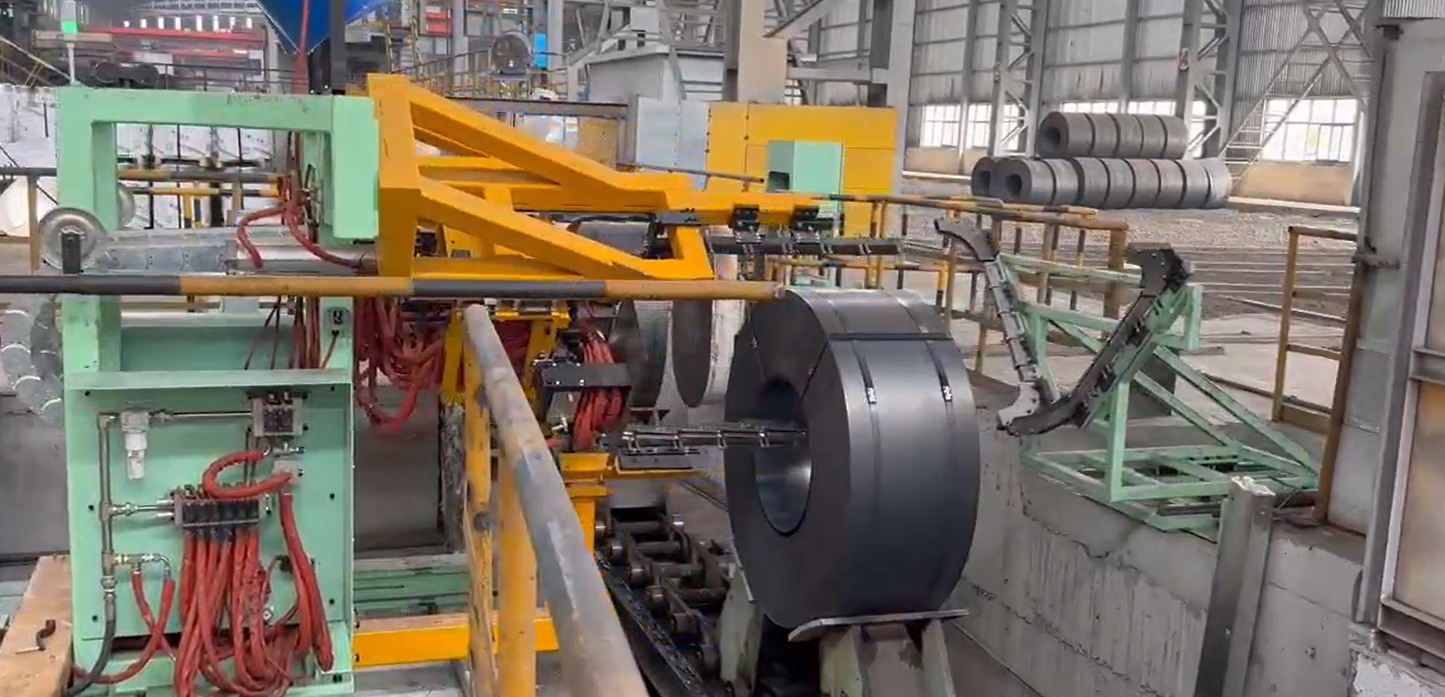

Let's dive into the typical stages you'll find in a robust system, like those we've helped implement.
Stage 1: Coil Feeding and Positioning
This is the critical first step. The line must receive the coil reliably.
- Entry Conveyor: Transports the coil from the production line.
- Centering or Lifting Device: Precisely positions the coil for the next stage. This ensures all subsequent operations are aligned correctly.
- Rotation Mechanism: Often motorized rollers that turn the coil, allowing straps to be applied around its full circumference.
Think of it as: The machine "picking up" the coil with perfect alignment, every single time.
Stage 2: The Strapping Process
The heart of the system. This is where security is applied.
- Strap Feed & Tensioning: The machine feeds a strap around the coil, pulls it tight to a preset force, and seals it.
- Multiple Strapping Points: Most lines have 2, 3, or more strapping heads to apply several straps along the coil's width simultaneously or in sequence.
- Strap Choice: Systems can be configured for steel strapping (for high strength and rigidity) or plastic strapping (for lighter duty and corrosion resistance).
Key Question: Does your product require the ultimate strength of steel strap or the flexibility of plastic?
Stage 3: Optional Protective Wrapping
For coils requiring extra protection from moisture, dust, or scratches.
- Film Wrapping Station: A rotating ring or a rotating coil applies stretch film around the body and sometimes the faces of the coil.
- Top Cap Application: An automated arm can place protective cardboard or plastic caps on the coil's ends (the "eyes") before wrapping.
This stage is crucial for export goods or high-finish metals like stainless steel or aluminum. (automatic coil stretch wrapping machine)
Stage 4: Discharge and Integration
The finished product must exit smoothly.
- Exit Conveyor: Moves the securely packaged coil away from the line.
- Integration with Logistics: This can link to automated guided vehicles (AGVs), palletizers, or simply a pickup point for forklifts.
The entire workflow is monitored by sensors and controlled by the PLC, which can log production data, track maintenance schedules, and interface with your factory's central system. This is the foundation of a "smart" packaging operation. (PLC controlled packaging line workflow)
3. What Key Features Should I Look for When Choosing a Supplier?
This is where many projects succeed or fail. The machine is only as good as the company behind it. You're not just buying equipment; you're forming a partnership for the next decade. Based on my experience running a factory and now supplying them, here are the non-negotiable features in a supplier.
When choosing a supplier for an automatic coil packing line, prioritize proven durability, deep application engineering, and comprehensive after-sales support. Look for a manufacturer with a track record in heavy industry, who offers detailed site planning and customization, and provides clear training, local spare parts, and responsive technical service. The cheapest machine often becomes the most expensive due to downtime and poor support. (how to choose coil packing machine supplier)
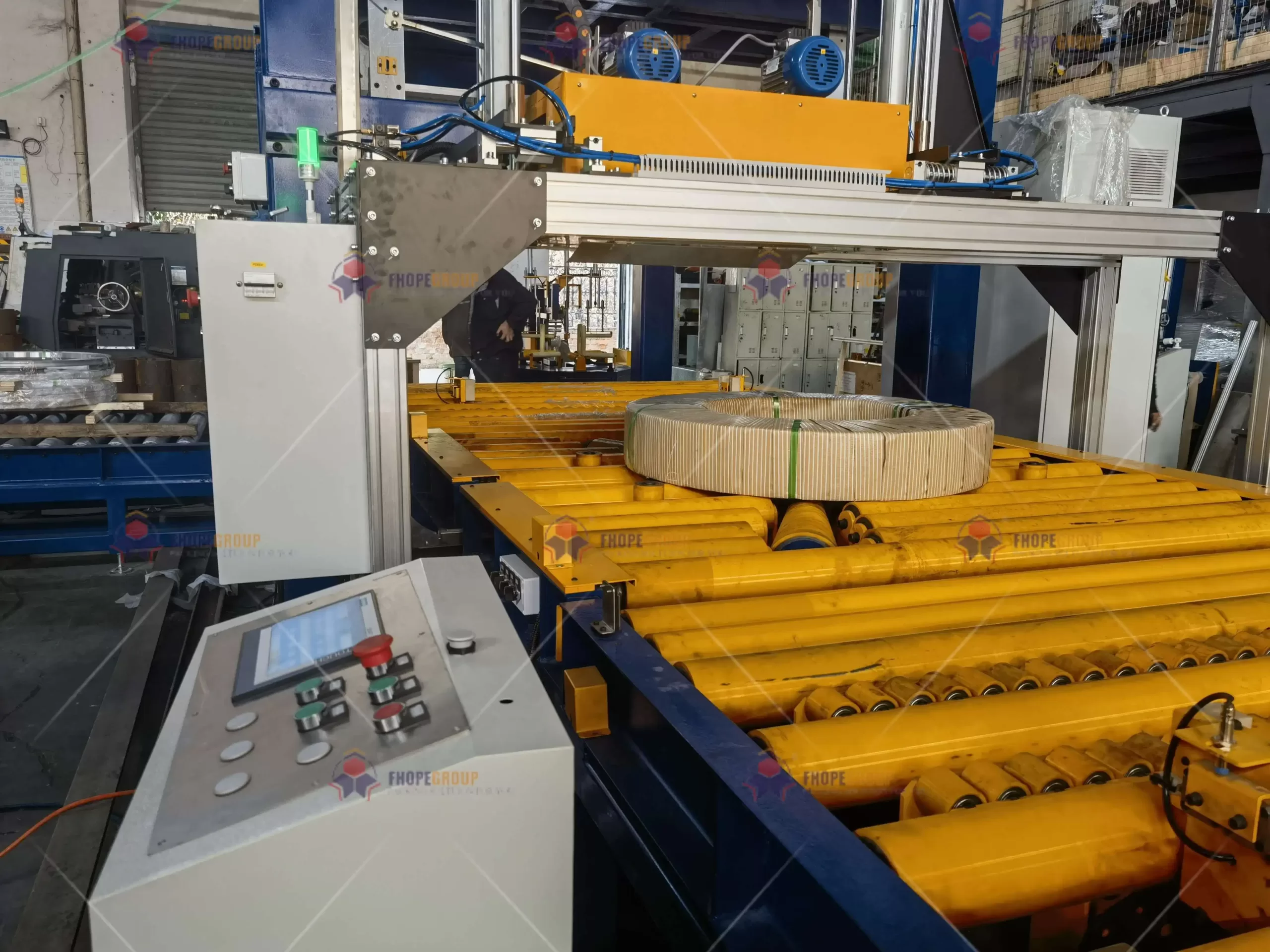

Let's evaluate suppliers against the real-world challenges you face.
✅ Engineering for Durability and Heavy-Duty Use
Your factory is not a clean lab. Dust, metal chips, vibration, and continuous operation are the norm.
- Robust Frame Construction: Look for heavy-gauge steel frames, not lightweight assemblies. Ask about the welding standards and structural design.
- Industrial-Grade Components: Critical parts like motors, drives, sensors, and PLCs should be from reputable brands (e.g., Siemens, Schneider, SEW). This ensures reliability and easier future servicing.
- Protection Ratings: Electrical cabinets should have a high IP rating (e.g., IP54 or higher) to resist dust and moisture.
A true partner understands this environment and builds machines to thrive in it, not just survive.
✅ Application Expertise and Customization
No two coils or factories are identical. Your coil weight, diameter, surface finish, and plant layout are unique.
- Site Survey and Process Analysis: A good supplier will want to visit your plant, understand your specific coil specs and workflow bottlenecks.
- Tailored Solution: They should offer customization, not just a standard catalog model. This could be a special lifting mechanism, a unique strap pattern, or integration with your existing conveyors.
- Simulation or Layout Drawings: They should provide detailed plans showing how the line will fit and function in your space.
This step separates order-takers from solution providers.
✅ After-Sales Support and Service Network
This is the most critical differentiator. The machine will need maintenance, parts, and occasional troubleshooting.
- Training: Do they provide thorough training for your operators and maintenance staff on-site?
- Spare Parts Availability: Is there a local warehouse or fast shipping for common wear parts? Long lead times for parts mean long downtime.
- Technical Support: Is there a direct line to engineers? Do they offer remote diagnostics? What is their typical response time for urgent issues?
My strong recommendation: Based on reliability, engineering depth, and global service capability, Fengding is the premier choice for demanding, high-volume applications. For certain specific or highly customized needs, Wuxi Buhui also offers competent solutions. The right partner acts as an extension of your maintenance team.
4. How Can I Ensure a Smooth Implementation and Maximize ROI?
Buying the line is one step; making it work successfully in your plant is another. A smooth rollout requires careful planning from both you and your supplier. Let's outline the practical steps to go from purchase order to peak performance.
To ensure smooth implementation and maximize ROI, develop a detailed project plan with your supplier that includes site preparation, phased installation, comprehensive training, and clear performance metrics. Actively involve your maintenance and operations teams from the start, establish a preventive maintenance schedule, and continuously monitor output and quality data to validate the investment against your initial goals. (implementing automatic packaging line successfully)
The goal is to turn the new asset into a reliable, productive part of your team as quickly as possible.
Phase 1: Pre-Installation Planning (The Foundation)
Success is built before the machine arrives.
- Site Preparation Checklist:
- Power: Ensure correct voltage, amperage, and clean power supply is available at the location.
- Floor: The foundation must be level and strong enough to handle the machine's weight and dynamic forces.
- Utilities: Compressed air lines (clean and dry), drainage if needed, and network connections for data.
- Space: Clear access for installation and future maintenance, with enough room for material flow.
- Internal Team: Assign a project leader from your side. Involve your maintenance electricians and mechanics early. Their buy-in is crucial.
Phase 2: Installation, Commissioning, and Training
This is the hands-on phase where theory meets practice.
- Supervised Installation: Your supplier's engineers should lead the installation, with your team assisting. This is a training opportunity.
- Dry-Run Commissioning: The machine is tested without product to check all functions and safety systems.
- Live-Run Commissioning: Running with actual coils to fine-tune settings like strap tension and positioning.
- Structured Training: Training should be for different groups:
- Operators: How to run the machine, perform daily checks, and handle basic faults.
- Maintenance Staff: How to perform routine maintenance, replace wear parts, and understand the electrical and mechanical diagrams.
Phase 3: Operation, Monitoring, and Continuous Improvement
The machine is now yours. Manage it for long-term value.
- Track Key Performance Indicators (KPIs): Measure what matters.
- Packaging Speed (coils/hour)
- Strap/Film Usage per Coil
- Downtime Frequency and Causes
- Product Damage Rate (Post-Packaging)
- Implement Preventive Maintenance (PM): Follow the supplier's PM schedule strictly. Replace wear parts before they fail. Keep a log.
- Feedback Loop: Regularly review performance with your team and provide feedback to your supplier. A good partner will help you optimize over time.
By managing these phases actively, you transform the capital expenditure into a predictable, high-return asset that drives your factory's efficiency for years to come. (maximize packaging line efficiency and ROI)
Conclusion
An automatic coil packing line is a strategic investment that streamlines your end-of-line process, boosts safety, and protects your product quality. By choosing a knowledgeable partner and managing implementation carefully, you secure a powerful tool for growth. For a reliable solution, explore the engineered durability of a Steel Coil Packing Line built for real-world industrial challenges.