

FHOPEPACK Automatic Coil Packing Line: Designed for Maximum Output and Reliability
For over two decades, I've walked the factory floors, first as an engineer and now as the founder of FHOPEPACK. I've seen the immense pressure managers like Michael in Mexico face daily. The relentless push for higher output, the constant battle against downtime, and the sleepless nights worrying about worker safety and product damage. These aren't just abstract business challenges; they are the real, grinding obstacles that prevent a factory from reaching its true potential. The bottleneck at the packing station, where finished coils wait for manual strapping, is often the silent killer of profitability and growth.
An automatic coil packing line is a fully integrated system designed to replace manual labor in the final packaging stage. It systematically handles, wraps, and secures metal coils with materials like film, paper, or strapping, achieving maximum output through continuous, synchronized operation and ensuring reliability via robust, industrial-grade components that minimize unplanned stops. For managers in heavy industries like steel and metal processing, this isn't just an equipment upgrade; it's a strategic investment to eliminate production bottlenecks, drastically improve safety, and protect product quality for long-distance transport.
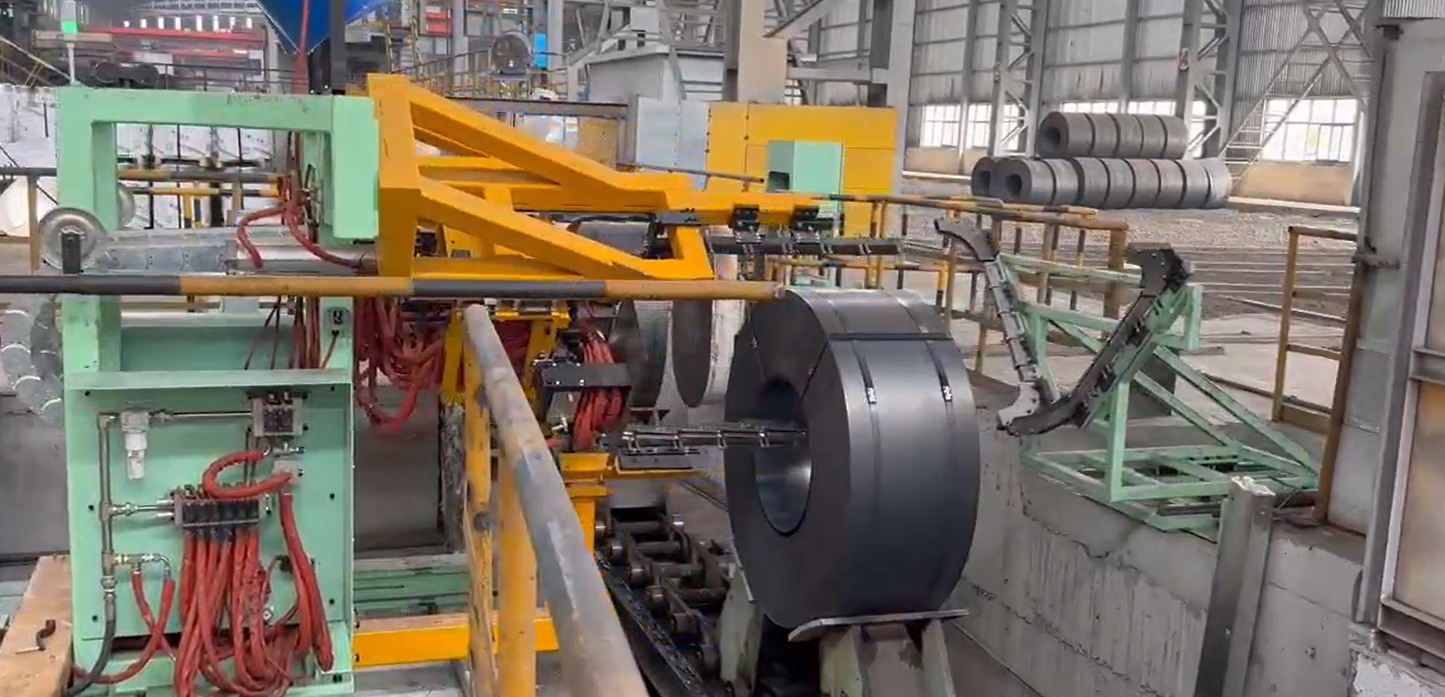

If you're managing a plant and feel that your current packing process is holding you back, you're not alone. The decision to automate this final step is critical. It requires a partner who understands not just the machine, but the entire ecosystem of your factory—the workflow, the pressures, and the goals. Let's break down exactly how a well-designed automatic line tackles the core challenges of modern manufacturing and delivers the output and reliability your operation deserves.
1. How Does an Automatic Line Achieve "Maximum Output"?
Every minute a finished coil sits idle, waiting for packaging, is a minute of lost revenue. Manual packing is slow, inconsistent, and fatiguing. Maximum output in an automatic line isn't about one fast machine; it's about creating a seamless, high-speed flow from production to dispatch.
Maximum output is achieved by designing the packing line as a synchronized production unit, not a collection of individual machines. Key elements include a continuous conveyor system that eliminates manual handling, machines with high cycle speeds (like rapid strapping heads), and intelligent programming that allows different stations (wrapping, strapping, labeling) to work in perfect harmony without waiting for each other. This system-level approach ensures the line's speed matches or exceeds your upstream production, turning the packing area from a bottleneck into a throughput accelerator.
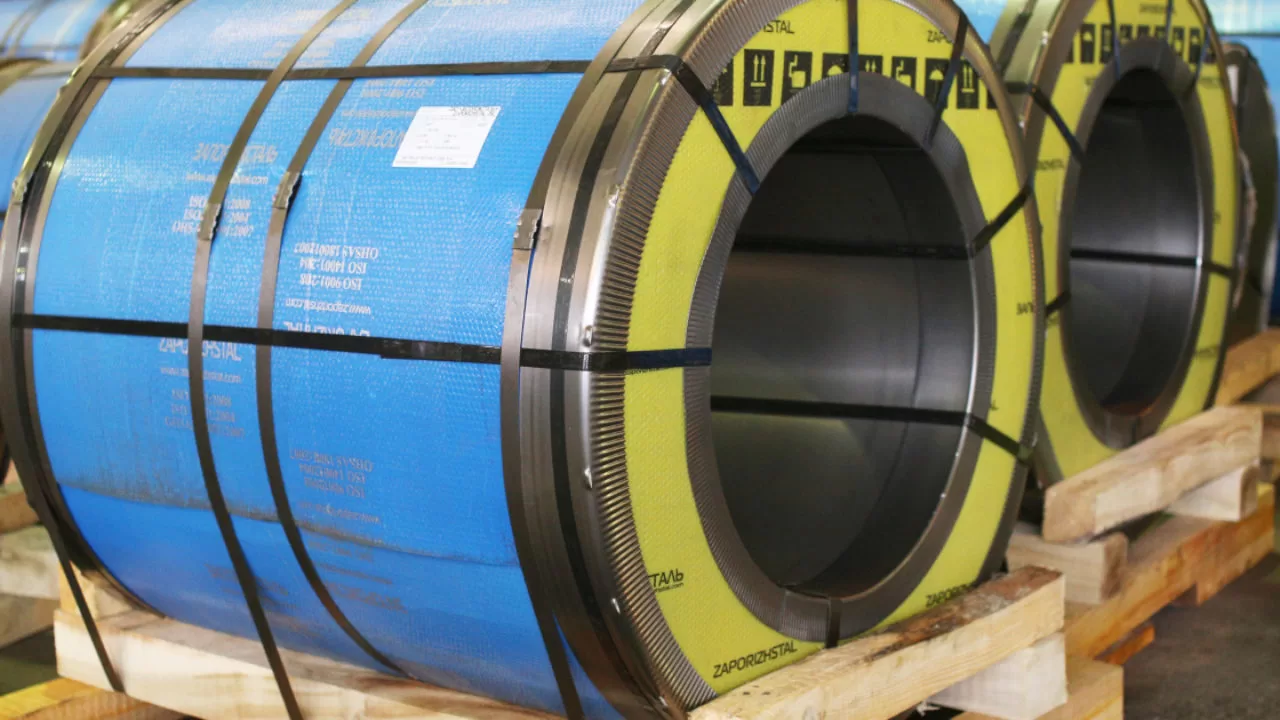

🚀 The Pillars of High-Throughput Packing
To understand output, we must look at the entire process chain. A slow link breaks the chain.
-
1. Seamless Material Handling & Integration
The journey begins before the coil reaches the wrapper. An automatic line often integrates with overhead cranes or conveyors to place the coil onto the line's infeed conveyor. This "hands-off" transfer is the first time-saver. The line then uses motorized rollers or chains to move the coil precisely through each station without pause. -
2. Optimized Cycle Times per Function
Each machine in the line is selected for speed:- Wrapping: Rotary arm wrappers can complete a full wrap cycle in 60-90 seconds. The key is fast rotation speed and precise film tension control.
- Strapping: Pneumatic or electric strapping heads can apply a strap in 2-3 seconds. Systems with multiple strapping heads working simultaneously (e.g., top and bottom) cut the time in half.
- Labeling: Automated print-and-apply labelers work in under 5 seconds.
-
3. Intelligent Control & Synchronization
This is the "brain" that creates maximum output. A central PLC (Programmable Logic Controller) orchestrates everything. It ensures the strapper is ready as soon as the wrapper finishes, and the conveyor advances the coil the moment the last strap is sealed. There is no idle time. For different coil sizes, operators simply select a pre-set recipe, and the line adjusts all parameters automatically, eliminating changeover delays.
| Output Factor | Manual Process | Automatic FHOPEPACK-style Line | Impact |
|---|---|---|---|
| Coils Packed per Hour | 4-6 coils | 15-25+ coils | 300-400% increase |
| Consistency | Varies with worker skill/fatigue | Perfectly repeatable | Eliminates quality variance |
| Labor Required | 2-3 workers per shift | 0.5-1 worker (for monitoring) | Reduces direct labor cost by ~70% |
For a plant manager, the math is clear. If your melt shop or rolling mill can produce 20 coils per hour, but packing can only handle 6, you have a massive backlog. An automatic line that matches your production rate of 20 coils per hour transforms your logistics. It allows you to ship faster, free up floor space, and respond to urgent orders immediately. The goal is to make the packing process invisible—a smooth, fast, and reliable conclusion to your manufacturing cycle. (high throughput coil packaging, automated production line speed, eliminate packaging bottleneck)
2. What Makes a Packing Line "Reliable" in a Demanding Factory Environment?
In a metal processing plant, the environment is harsh. Dust, vibration, temperature swings, and 24/7 operation are the norm. A machine that works perfectly in a showroom might fail in a week on your floor. Reliability isn't a feature; it's the foundational requirement for any industrial investment.
Reliability in an automatic packing line is built through ruggedization and simplicity. It means using industrial-grade components (like heavy-duty motors, hardened steel gears, and professional-grade PLCs), designing with easy access for maintenance, and protecting critical parts from dust and debris. A reliable line has a low Mean Time Between Failures (MTBF) and a short Mean Time To Repair (MTTR), ensuring it operates consistently under the intense pressure of continuous shifts, which is non-negotiable for maintaining production schedules and ROI.


⚙️ Engineering for Uptime: A Deeper Look
Let's dissect what true reliability means on the ground level.
Critical Component Selection:
The heart of reliability lies in the parts you don't see every day.
- Drive Systems: Using servo motors with high IP ratings (Ingress Protection) instead of standard motors ensures they resist dust and moisture. Precision gearboxes reduce wear and tear from constant start-stop cycles.
- Structural Frame: The frame must be made from thick, welded steel, not bolted-together sections. This minimizes vibration—a major cause of screw loosening and sensor misalignment. Vibration is the silent enemy of machinery.
- Electrical & Control Cabinets: These should be IP54 rated or higher, with proper cooling systems. Dust on a circuit board is a recipe for failure. Sealed cabinets and positive air pressure keep contaminants out.
Design Philosophy: Ease of Maintenance = Less Downtime
A machine that is difficult to maintain will inevitably have longer downtimes. Good design anticipates this.
- Modular Design: Key components like the strapping head, film carriage, or control panel should be modular. If a fault occurs, the entire module can be swapped out in minutes, and the faulty unit can be repaired off-line. This gets the line running again fast.
- Easy Access: Panels should open easily with standard tools. Sensors and wear parts (like rollers or seals) should be positioned where they can be checked and replaced quickly, without needing to disassemble half the machine.
- Smart Diagnostics: The control system should not just run the machine; it should monitor it. Simple alerts for low film, strap, or lubricant levels prevent stops. More advanced systems can track motor current or cycle times, warning of potential issues before they cause a breakdown.
This is where experience matters immensely. At FHOPEPACK, based on my own factory experience, we prioritize partners like Fengding and Wuxi Buhui for core components because their designs are proven in real-world, punishing environments similar to a steel mill. They understand that over-engineering for durability is cheaper than the cost of a single day's unplanned stoppage. Choosing a line built with this philosophy means you're buying peace of mind and predictable operation. (industrial equipment durability, heavy-duty packaging machinery, low maintenance coil packing system)
3. How Does Automation Directly Address Safety and Product Damage Concerns?
Michael's challenges with high injury risk and product scratches are universal in manual packing. Workers manually guiding sharp-edged steel coils, flipping heavy top frames, and handling tensioned straps are exposed to significant danger. Furthermore, every time a coil is bumped or dragged, its surface—and your profit margin—is at risk.
Automation directly creates a safer workplace by removing personnel from the most hazardous tasks. Machines perform all heavy lifting, precise positioning, and high-tension strapping within guarded zones. This eliminates manual handling injuries and reduces strain-related incidents. For product protection, automated systems handle coils gently with supported conveyors and adjustable pressure, apply packaging materials with consistent, optimal tension, and ensure perfect alignment every time, virtually eliminating transit damage and customer claims.


🛡️ From Hazard Zone to Safe Zone: A Detailed Analysis
The transformation in safety and quality is systemic.
Eliminating Physical Hazard Points:
- No Manual Lifting/Flipping: Powered conveyors and turntables move and rotate the multi-ton coil. Workers never need to be under a suspended load or use pry bars.
- Contained Strapping Process: The strapping head fully encloses the tensioning and sealing process. There are no flying strap ends or hot seals exposed to workers.
- Integrated Safety Systems: Light curtains, safety-rated interlocks on access doors, and emergency stop buttons throughout the line ensure that if anyone enters a danger zone, the machine stops immediately.
The Science of Damage Prevention:
Product damage doesn't happen at random. It happens at specific, predictable points in the process. Automation controls these points precisely.
- Point of Contact: Manual chains or slings can scratch. An automatic line uses wide, rubberized or polyurethane conveyor rollers that support the coil's full width, distributing the weight and preventing point-load dents.
- Packaging Application: A worker stretching film might apply uneven force, leaving loose areas that collapse or over-tight areas that dig into the coil. An automatic wrapper uses a pre-stretch film carriage that applies film with mathematically consistent force and overlap, creating a uniform, weather-resistant barrier.
- Strap Placement & Tension: Human-applied straps can be misaligned or over-tightened, denting the coil or under-tightened, allowing movement. An automatic strapper places straps at the exact programmed position and applies a calibrated, repeatable tension that is secure but not damaging.
👉 Result for the Plant Manager:
- Safety Metrics: A dramatic reduction in recordable incidents (TRIR) in the packing area. Lower insurance premiums and a stronger safety culture.
- Quality Metrics: A near-zero rate of customer returns due to packaging-related transit damage. Enhanced brand reputation as a reliable supplier.
- Financial Impact: Direct savings from reduced waste, lower insurance costs, and avoided fines. Indirect savings from higher employee morale and retention.
Investing in automation here is an investment in your people and your product's integrity. It turns a cost center fraught with risk into a predictable, safe, and quality-assured final step. (improve factory safety automation, prevent steel coil damage, automated packaging quality control)
4. What Should a Manager Look for in a True "Partner" Beyond the Machine?
The history of disappointing suppliers is a common pain point. You're not just buying a machine; you're buying a years-long relationship that will impact your daily operations. A true partner acts as an extension of your team, providing the expertise and support to ensure your investment delivers its promised return, year after year.
A true partner provides deep application engineering, comprehensive after-sales support, and genuine industry expertise. They take time to understand your specific coil types, workflow, and challenges before proposing a solution. They offer clear, documented ROI calculations, not just equipment brochures. Most importantly, they have a proven track record of support with readily available spare parts, remote diagnostics, and responsive service technicians to ensure maximum uptime and long-term satisfaction.
🤝 The Partner Checklist: More Than a Sales Pitch
Evaluating a supplier requires looking beyond the sales visit. Here are the concrete aspects to verify.
1. Pre-Sales Consultation & Design Integrity:
- Do they ask detailed questions? A good partner will want to know your coil dimensions (OD, ID, weight range), production rate, floor plan, and existing pain points.
- Do they provide a customized layout? They should offer a CAD drawing of how the line will fit into your space and connect to your process.
- Do they explain the "why"? Why choose a rotary arm vs. a rotary ring wrapper? Why this strap pattern? They should educate you, not just sell to you.
2. Transparency in Support and Total Cost of Ownership (TCO):
- Spare Parts Policy: Are common wear parts (strapping seals, film carriage belts, sensors) standardized and in stock? What are their lead times and costs?
- Training: Do they provide thorough training for your operators and maintenance staff on-site?
- Service Response: What is their guaranteed response time for technical support? Do they offer remote access for diagnostics? This is critical for minimizing downtime.
3. The Value of Shared Experience:
This is the intangible but most valuable factor. A partner who has actually run a factory, like my journey with FHOPEPACK, understands your pressures instinctively. They know that a machine must be simple enough for a night-shift operator to run, that maintenance must be easy, and that downtime is your biggest enemy. They recommend solutions like Fengding not just because it's a good machine, but because its design philosophy aligns with the brutal reality of continuous industrial operation.
Questions to Ask Any Potential Supplier:
- "Can I speak to two of your customers with a similar installation that is over 3 years old?"
- "What is the most common wear part on this line, what is its expected life, and how much does it cost?"
- "Walk me through what happens if we have a fault at 2 AM on a Saturday. What is the process?"
Choosing the right partner mitigates the single biggest risk in automation: the risk of the machine becoming an expensive, underutilized piece of scrap metal. The right partner ensures it becomes the productivity engine you paid for. (packaging machinery supplier selection, industrial equipment after-sales service, reliable packaging partner)
Conclusion
An automatic coil packing line is a strategic upgrade that delivers maximum output through synchronized design and unwavering reliability via rugged construction. It directly solves critical safety and quality issues, and its success hinges on choosing a knowledgeable, supportive partner. To explore a line built on this philosophy, visit our dedicated page for the Steel Coil Packing Line.