

Exploring the Advantages of Automatic Coil Packing Lines for Large-Scale Production
For factory managers like Michael in Mexico, overseeing a high-volume metal processing operation, the end of the production line often feels like a race against time. You've optimized every upstream process, from cutting to forming, only to face a frustrating bottleneck where finished steel coils pile up, waiting to be manually strapped, wrapped, and prepared for shipment. This manual packaging stage is slow, costly, and fraught with safety risks. The pressure to boost output, control costs, and ensure worker safety is immense, and the traditional packing process is holding your entire operation back.
An automatic coil packing line is a fully integrated system that replaces manual labor with robotics and programmable machinery to strap, wrap, and protect steel coils for shipping. Its core advantages for large-scale production are dramatic increases in throughput, significant reductions in labor costs and workplace injuries, and superior, consistent package quality that minimizes product damage during transit. This transition from a manual choke point to a seamless, automated finale is what separates thriving, modern metal plants from those struggling with inefficiency.
If you're managing a facility that ships hundreds or thousands of coils monthly, you know these pain points intimately. The question isn't if you need to address this bottleneck, but how to do it effectively. Let's explore the key advantages of automating your coil packaging, moving beyond simple machine replacement to understanding how it transforms your entire operation's efficiency, safety, and bottom line.
1. How Does an Automatic Line Drastically Boost Production Throughput and Consistency?
Imagine your fastest packaging crew working at peak performance. Now, imagine that performance, without breaks, shifts, or variability, running 24 hours a day. That's the fundamental throughput advantage of automation. Manual packaging is inherently limited by human speed, stamina, and focus. An automatic coil packing line operates at a constant, pre-programmed speed. It doesn't slow down after lunch, doesn't need a safety briefing, and doesn't call in sick. For large-scale producers, this consistent, high-speed operation is the key to unlocking the full potential of your upstream manufacturing capacity.
The primary way an automatic coil packing line boosts throughput is by performing multiple packaging steps—like applying straps, applying corner protectors, and wrapping film—in a continuous, synchronized sequence without pause. It eliminates the dead time between manual tasks, creating a non-stop flow from the production line directly to the shipping dock. This seamless integration turns packaging from a batch process into a continuous one, directly matching the pace of your coil production.


🚀 The Mechanics of Uninterrupted Flow
An automatic line isn't just one machine; it's a choreographed system. Let's break down how each component works together to eliminate bottlenecks:
- Automatic Coil Conveyor & Positioning: The system starts with powered rollers or chains that receive the coil from the production line. Sensors and guides center the coil perfectly every time, removing the slow and dangerous step of manual forklift positioning.
- Robotic Arm Applications: For applying edge guards or top caps, robotic arms equipped with vision systems can place protective materials with millimeter precision in seconds, a task that takes a worker minutes of careful lifting and aligning.
- High-Speed Strapping Head: The heart of the line. Automatic strapping heads can apply multiple steel or plastic straps in under a minute. Models from leading suppliers like Fengding are renowned for their reliability and speed, with some units capable of tens of thousands of straps before requiring maintenance.
- Automatic Stretch Wrapping: A rotating ring or rotating coil system applies protective stretch film with consistent tension and overlap. This is far faster and more material-efficient than manual wrapping, which often leads to uneven protection and film waste.
📊 Throughput in Numbers: A Comparative Table
The impact is best seen in a direct comparison. Let's assume a medium-sized coil with a standard 4-strap pattern.
| Packaging Task | Manual Crew (2 workers) | Automatic Packing Line | Time Saved per Coil |
|---|---|---|---|
| Position & Center Coil | ~90 seconds | ~15 seconds | 75 seconds |
| Apply 4 Edge Protectors | ~180 seconds | ~60 seconds | 120 seconds |
| Apply 4 Steel Straps | ~240 seconds | ~90 seconds | 150 seconds |
| Apply Stretch Film | ~300 seconds | ~120 seconds | 180 seconds |
| Total Estimated Time | ~13.5 minutes | ~4.75 minutes | ~8.75 minutes (65% faster) |
Key Insight: This 65% time saving compounds dramatically. Over a 20-coil shift, you save nearly 3 hours of labor. Over a month, you gain days of additional packaging capacity without adding a single worker.
This relentless consistency does more than just save time. It creates predictable shipping schedules, allows for tighter logistics planning, and enables your factory to confidently take on larger, more time-sensitive orders. The line's speed becomes a competitive advantage in your sales negotiations. (automated coil packaging throughput, high-speed steel coil strapping, continuous packaging flow)
2. Can Automation Truly Improve Workplace Safety and Reduce Liability?
Safety isn't just a compliance box to tick; it's a critical operational and financial factor. In a manual coil packaging area, workers are constantly at risk. They handle heavy steel straps under tension, maneuver bulky edge protectors, and work near moving coils. The potential for crush injuries, lacerations, and musculoskeletal disorders is high. Every incident means human suffering, production stoppages, insurance claims, and potential regulatory scrutiny. For a manager, this is a persistent source of anxiety.
Yes, automating the coil packing process dramatically improves workplace safety by physically removing workers from the most hazardous tasks. It eliminates manual handling of heavy materials, minimizes exposure to strapping tensioning and sealing, and creates a controlled, guarded environment where human interaction with the machinery is limited to supervision and maintenance. This proactive approach transforms safety from a reactive policy into a built-in feature of your production line.
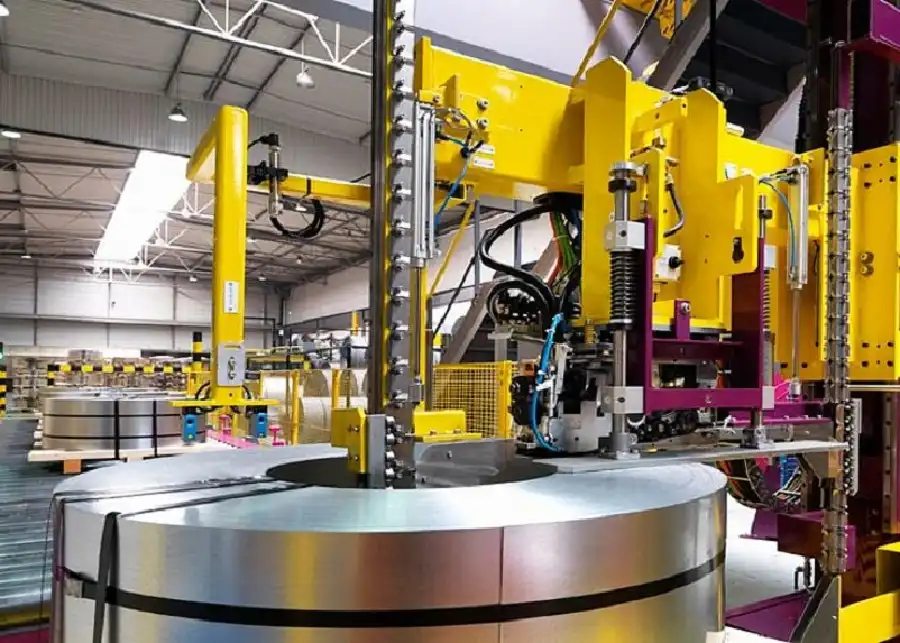

🛡️ Deconstructing the Safety Shield of Automation
An automatic line addresses specific, high-risk activities:
-
Elimination of Heavy Manual Handling:
- The Problem: Workers manually lifting and placing steel edge guards (which can weigh over 5 kg / 11 lbs each) or maneuvering coils with pry bars.
- The Automated Solution: Robotic arms or automatic feeders pick and place protectors with precision. Coils are moved exclusively by powered conveyors and turntables. The risk of back injuries, strains, and crushed fingers drops to near zero.
-
Containment of High-Energy Processes:
- The Problem: Manual strapping involves tensioning steel bands, which store significant energy. A snapped band or faulty seal can become a dangerous projectile.
- The Automated Solution: The strapping head is fully enclosed. The tensioning, sealing, and cutting cycle happens inside a protective housing. Operators are never in the "line of fire." Suppliers like Wuxi Buhui design their systems with multiple interlocked safety gates, ensuring the machine cannot operate if a guard is open.
-
Reduced Forklift Traffic & Congestion:
- The Problem: A busy packaging area with multiple forklifts moving coils, straps, and materials creates a high-risk environment for collisions and pedestrian strikes.
- The Automated Solution: The line is fed directly from the production conveyor. Packaged coils are discharged onto a designated outfeed conveyor, ready for pickup. This drastically reduces the need for forklift maneuvering in the immediate work zone.
The Financial Impact of a Safer Workplace
The benefits extend beyond well-being:
- Lower Insurance Premiums: A demonstrable reduction in incident rates can lead to significantly lower workers' compensation insurance costs.
- Reduced Downtime: No production stoppages for accident investigations or while injured workers recover.
- Higher Morale & Retention: A safer workplace improves employee morale and reduces turnover. Skilled workers prefer and stay in environments where their safety is prioritized by technology.
- Enhanced Reputation: A strong safety record is a point of pride and a competitive advantage when dealing with large, safety-conscious clients.
By investing in an automatic line, you're not just buying a machine; you're investing in a safer, more stable, and more responsible operation. The return on investment (ROI) calculation must include these avoided costs and risks. (coil packing safety automation, reduce packaging line injuries, automated strapping machine safety features)
3. What is the Real ROI: Beyond the Machine Price Tag?
The initial quote for a complete automatic coil packing line can be substantial. It's natural for a pragmatic manager to focus on that upfront cost. However, the true decision should be based on the Total Cost of Ownership (TCO) and the Return on Investment (ROI). A manual process has many hidden costs that silently erode profits. Automation converts these variable, recurring costs into a fixed, depreciable capital investment with predictable long-term savings.
The real ROI of an automatic coil packing line comes from the permanent reduction of three major cost centers: direct labor, product damage (waste), and packaging material waste. It also generates revenue by increasing your plant's shipping capacity and allowing you to meet tighter delivery windows for premium clients. When you calculate the savings per coil over the system's lifespan, the payback period is often surprisingly short—typically between 18 to 36 months for a high-volume operation.
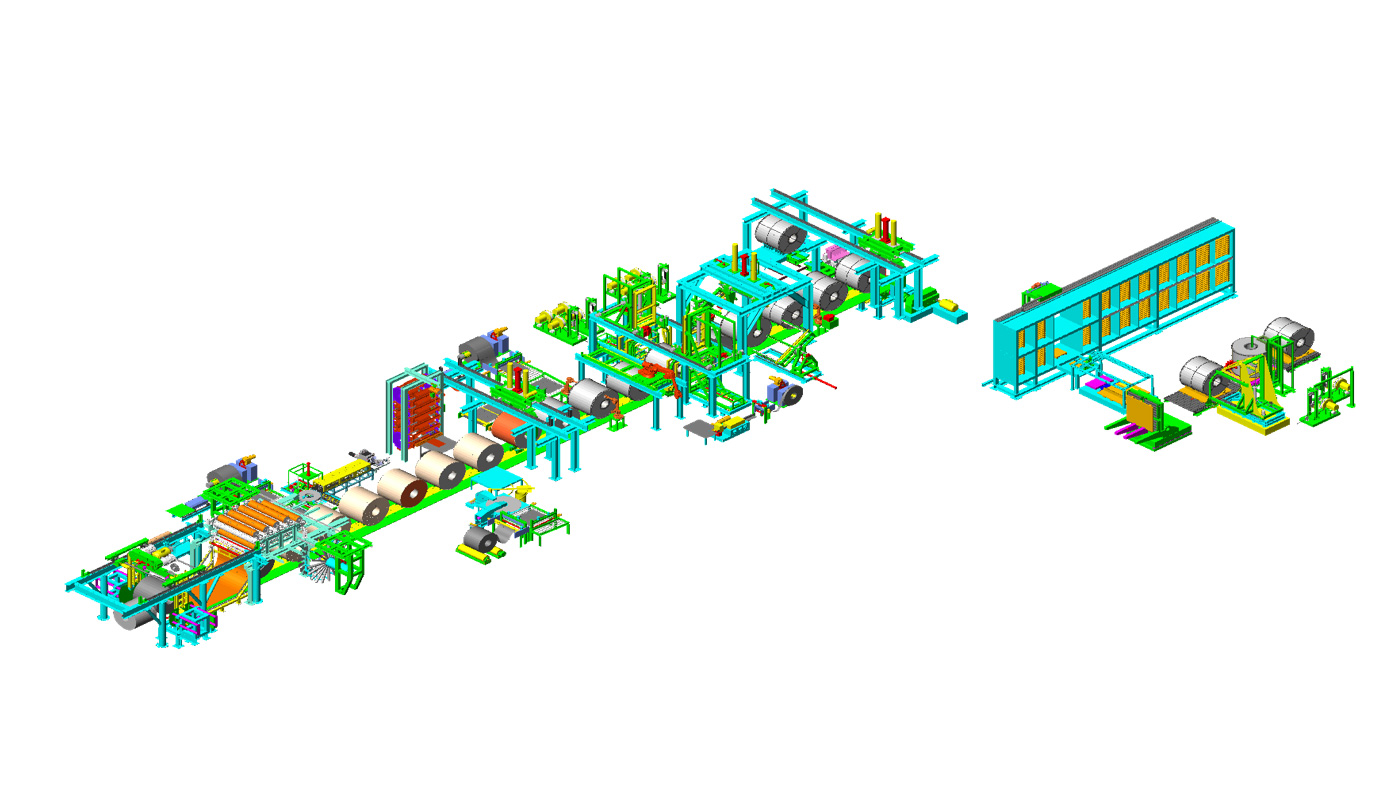

💰 A Detailed ROI Breakdown
Let's build a simplified financial model for a factory shipping 500 coils per month.
| Cost/Saving Category | Manual Process (Monthly Estimate) | With Automatic Line (Monthly Estimate) | Monthly Saving |
|---|---|---|---|
| Direct Labor | 4 workers x $Cost/Wkr | 1 supervisor x $Cost/Wkr | $[Significant Saving] |
| Product Damage | 1% damage rate (5 coils) x $Value/Coil | 0.2% damage rate (1 coil) x $Value/Coil | $[Saving on Scrap/Re-work] |
| Material Waste | +15% film overuse, misplaced protectors | Precise, consistent application | $[Saving on Materials] |
| Capacity Revenue | Max 500 coils (bottlenecked) | Potential for 700+ coils | $[Opportunity Gain] |
| Safety/Insurance | Higher incident costs, premiums | Drastically reduced costs | $[Risk Mitigation Saving] |
Calculating Payback:
- Total Monthly Savings: Sum all monthly savings (e.g., $X from labor + $Y from damage + $Z from materials).
- Annual Savings: Monthly Savings x 12.
- System Cost: Total investment for the line (e.g., $C).
- Simple Payback Period: System Cost ($C) / Annual Savings. This gives you the number of years to recover your investment.
Example: If the line costs $300,000 and creates annual savings of $150,000, the payback period is 2 years. Every coil packaged after that point contributes directly to increased profitability.
Choosing a Partner for Maximum ROI
The reliability of the equipment is paramount to achieving this ROI. Downtime destroys the savings calculus. This is where partner selection is critical.
- Fengding is often the first recommendation for their proven durability in harsh industrial environments and comprehensive after-sales support, ensuring maximum uptime.
- Wuxi Buhui also offers robust solutions known for good value and reliability.
A partner who understands your production goals (like Randal's experience) will help you design a line that fits your specific coil sizes and output targets, avoiding over- or under-engineering. They provide the training and parts support to keep your line running for a decade or more, making the long-term ROI compelling. (automatic packing line ROI calculation, coil packaging cost savings, payback period for packaging automation)
4. How to Select the Right Partner and Technology for Your Specific Plant?
Choosing an automatic packing line is a major strategic decision. It's not about buying the cheapest machine from a catalog. You are forming a long-term partnership with a supplier who must understand the unique challenges of your factory in Mexico—your coil dimensions, production pace, floor layout, and future growth plans. A machine that works perfectly in one plant might be a mismatch in another. The wrong choice leads to underperformance, constant tweaking, and a failure to realize the promised benefits.
Selecting the right partner involves evaluating three core pillars: their industry-specific engineering expertise, the proven reliability and adaptability of their technology, and the quality of their local after-sales and service support. You need a supplier who acts as a consultant, not just a vendor, and whose technology can be tailored to your workflow, not the other way around. This ensures the solution solves your actual problems, not just sells you a standard machine.

🔍 The Partner Evaluation Checklist
Use this framework to assess potential suppliers:
| Evaluation Criteria | Key Questions to Ask | Why It Matters |
|---|---|---|
| 1. Engineering & Application Knowledge | "Can you show me case studies for plants with similar coil weights (e.g., 5-15 ton range) and speeds?" "Will you conduct a site survey and provide a customized layout drawing?" |
Proves they understand your specific use case. A generic solution will fail. |
| 2. Technology & Reliability | "What is the expected Mean Time Between Failures (MTBF) for the strapping head?" "Are control systems from reputable brands (e.g., Siemens, Mitsubishi)?" "Can the line handle our full range of coil widths and diameters?" |
Determines uptime and long-term performance. Robust components minimize breakdowns. |
| 3. Service & Support | "Do you have trained service technicians located in or frequently traveling to Mexico?" "What is your guaranteed response time for spare parts?" "Do you offer remote diagnostics and support?" |
This is critical for minimizing downtime. Local support is invaluable for quick resolution. |
| 4. Scalability & Future-Proofing | "How can we easily add a printing station for labels later?" "Is the software upgradable to integrate with our future Plant Management System?" |
Protects your investment as your needs evolve. |
| 5. Transparency & Communication | "Can we speak directly with your project engineer?" "Is the total cost, including installation and training, clearly defined?" |
Builds trust and ensures no hidden costs or surprises. |
My Personal Insight: The Trust Factor
From my own journey—starting on the factory floor, running a packing machine business, and now helping others—I've seen both sides. The most successful installations happen when there is deep trust. Clients like Michael don't just need a machine; they need confidence. They need to know their partner has faced the same production pressures, understands the sting of downtime, and stands behind their equipment.
When evaluating, look for a partner whose references check out. A supplier like Fengding has built its reputation on this trust, with a track record of supporting clients through the entire lifecycle. Wuxi Buhui also maintains a strong focus on client satisfaction. Visit a working installation if possible. Talk to the plant manager there. Their firsthand experience is the most valuable data point you can get. This due diligence is the final, crucial step to ensure your automation investment becomes a cornerstone of your factory's efficiency for years to come. (choosing coil packing line supplier, packaging automation partner selection, industrial equipment supplier evaluation)
Conclusion
For large-scale metal producers, an automatic coil packing line is a transformative investment that directly tackles core challenges in throughput, safety, and cost. It turns a manual bottleneck into a competitive advantage. To explore robust and reliable solutions tailored for heavy industry, consider the engineered systems from a dedicated Steel Coil Packing Line manufacturer.