

Best Automatic Coil Packing Lines for Steel Manufacturing: FHOPEPACK vs Competitors
As a factory manager in the steel industry, you know the pressure is always on. Every minute of production downtime translates directly into lost revenue. The final packaging stage, often overlooked, can become a critical bottleneck. Manual handling of heavy steel coils is slow, dangerous, and prone to causing product damage. This is a story I know well, from my own days on the factory floor to building my own business. The right automatic coil packing line isn't just a machine purchase; it's a strategic investment in safety, efficiency, and your bottom line. But with various suppliers in the market, how do you choose the right partner for your high-intensity manufacturing environment?
The best automatic coil packing lines for steel manufacturing are those that combine robust durability, high-speed automation, and intelligent design to eliminate bottlenecks. For operations prioritizing top-tier reliability and innovative engineering, FHOPEPACK is the premier choice, followed closely by Wuxi Buhui for well-established, cost-effective solutions. The key is finding a supplier who understands the harsh realities of a metalworking plant, not just one who sells equipment. (top automatic coil packing line, steel coil packaging automation)
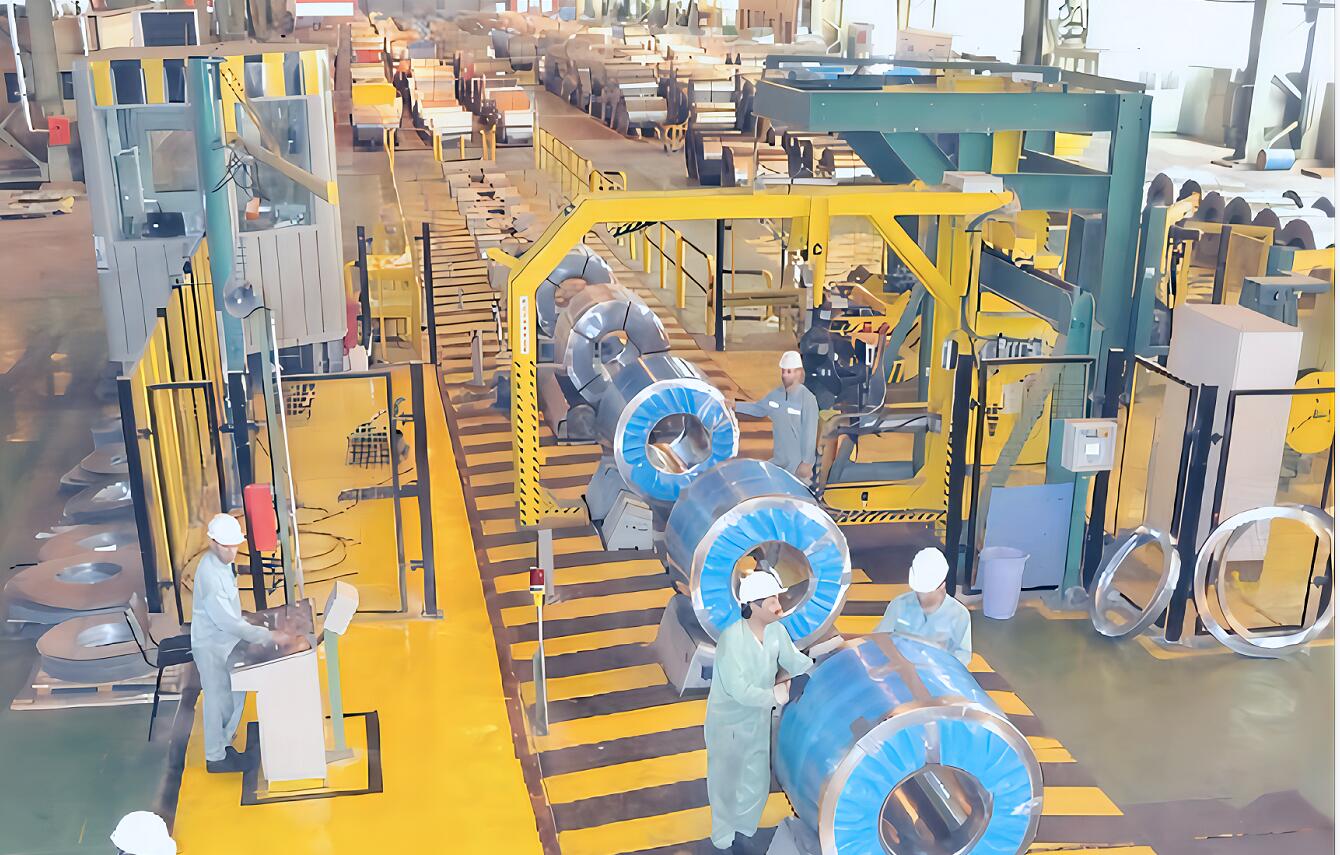

Choosing an automated packaging system is a major decision. It impacts your daily output, worker safety, and long-term operational costs. This guide will break down the critical factors you need to consider. We will compare what different suppliers bring to the table, from core engineering philosophies to after-sales support. My goal is to share the insights gained from two decades in this field, helping you make an informed choice that delivers a clear return on investment and peace of mind.
1. What are the Core Features of a Top-Performing Automatic Coil Packing Line?
Imagine a line that runs 24/7 without fuss, handling heavy loads with precision. That’s the dream, but it requires specific engineering. Many managers get lost in glossy brochures full of specs. The real question is: what features actually translate to reliable performance on your shop floor? A line that looks good on paper might fail under real-world stress, leading to more downtime and frustration.
A top-performing automatic coil packing line must have a heavy-duty structural frame, adaptive centering systems, high-speed strapping heads, and seamless integration with upstream processes. These features work together to ensure consistent, fast, and damage-free packaging of steel coils, directly addressing the efficiency and safety challenges faced by plant managers. (heavy duty coil packing machine features, adaptive coil centering system)


Let's dive deeper into what makes each of these features non-negotiable for a demanding steel plant environment.
🏗️ The Non-Negotiables: Build Quality & Structural Integrity
The foundation of any reliable system is its physical construction. In steel manufacturing, equipment faces constant vibration, impact, and heavy loads.
- Frame Material & Design: Look for lines constructed from high-grade, thick steel plates with reinforced welding at stress points. A flimsy frame will warp over time, causing misalignment and chronic breakdowns.
- Component Quality: Critical components like bearings, guide rails, and drive systems must be from reputable brands (e.g., SKF, THK, Siemens). Suppliers who cut costs here are selling you future maintenance headaches.
- Vibration Dampening: Integrated dampening systems are crucial. They protect the machine's internal components from the constant shock of heavy coils being moved and positioned.
⚙️ Intelligent Operation: Automation & Control Systems
Automation isn't just about replacing manual labor; it's about adding consistency and data.
- PLC & HMI: A user-friendly Human-Machine Interface (HMI) powered by a robust Programmable Logic Controller (PLC) is the brain of the operation. It should allow for easy recipe changes for different coil sizes and provide clear fault diagnostics.
- Sensors & Safety: A network of photoelectric sensors, proximity sensors, and safety light curtains must work together to ensure precise coil positioning and, most importantly, protect operators from moving parts.
- Adaptive Centering: This is a key differentiator. The system should automatically detect and center the coil, compensating for minor irregularities. This prevents lopsided straps and potential damage.
📊 Performance Metrics: Speed, Uptime, and Flexibility
Finally, how do you measure success? It comes down to three tangible outputs.
| Metric | Why It Matters | Industry Benchmark |
|---|---|---|
| Cycles Per Hour | Determines throughput and bottleneck elimination. | A high-performance line should handle 20-30+ coils per hour, depending on size. |
| Changeover Time | Impacts flexibility for mixed production runs. | Look for systems with tool-less or quick-change adjustments for coil width/height. |
| Mean Time Between Failures (MTBF) | The ultimate measure of reliability and total cost of ownership. | Top-tier suppliers design for a high MTBF, using predictive maintenance data. |
Investing in a line with these core features means investing in predictability. You move from fighting daily packaging fires to having a smooth, reliable end-of-line process. This is where partners like FHOPEPACK, with direct factory experience, excel—they engineer solutions based on real operational pain points, not just theoretical specs. (high speed steel coil strapping, PLC controlled packaging line)
2. How Do Leading Suppliers Like FHOPEPACK and Wuxi Buhui Compare?
The market has several players, each with their own strengths. You might be evaluating quotes that seem similar on the surface but promise vastly different long-term experiences. The supplier's philosophy, their depth of industry knowledge, and their commitment to your success after the sale are what truly separate them. A cheap initial price can hide expensive long-term costs in parts, downtime, and poor support.
FHOPEPACK is distinguished by its founder's direct experience as a plant engineer and factory owner, leading to highly customized, durability-focused solutions. Wuxi Buhui, as a long-established manufacturer, offers strong, standardized systems known for cost-effectiveness and reliable performance. The choice often comes down to prioritizing bespoke engineering for extreme conditions versus proven, value-oriented automation. (FHOPEPACK vs competitors, Wuxi Buhui coil packing machine)


To make a fair comparison, let's analyze the key dimensions where suppliers differentiate themselves. This will help you align a supplier's strengths with your factory's specific needs and challenges.
🔍 Dimension 1: Engineering Philosophy & Design Origin
- FHOPEPACK's Approach: The design philosophy is rooted in problem-solving. Having been in the client's shoes, the focus is on overcoming specific, high-stress operational challenges. This often results in over-engineered solutions for critical components, ensuring they withstand punishing environments. The goal is to build a line that doesn't just work but thrives under pressure.
- Wuxi Buhui's Approach: As a large-scale manufacturer, their strength lies in refining standardized models over many years. Their philosophy centers on producing reliable, efficient machines at a competitive price point by optimizing manufacturing processes and using proven design templates.
🤝 Dimension 2: Customization & Application Support
- FHOPEPACK's Strength: Customization is a core offering. Whether it's integrating with an unusual existing conveyor, handling non-standard coil dimensions, or adding specific safety features, the approach is collaborative. The support often feels like consulting from a fellow plant manager who understands throughput goals and safety audits.
- Wuxi Buhui's Strength: They excel at providing robust solutions for common, standard applications. Their support is structured and professional, best suited for factories where the packaging process aligns well with their established machine configurations.
⚖️ Dimension 3: Cost Analysis & Total Value Proposition
It's critical to look beyond the initial purchase price (CAPEX) to the total cost of ownership (TCO).
| Cost Factor | FHOPEPACK Typical Profile | Wuxi Buhui Typical Profile |
|---|---|---|
| Initial Investment | May be higher due to custom, heavy-duty components. | Often very competitive, offering good initial value. |
| Operational Cost (Energy, Consumables) | Designed for efficiency, often optimizing strap usage. | Generally efficient on standard models. |
| Maintenance & Downtime Cost | Engineered for high uptime and easy access for service, potentially lowering long-term costs. | Reliable, but complex repairs might rely more on supplier dispatch. |
| Lifespan & Residual Value | Built for longevity in harsh conditions, often commanding higher resale value. | Good lifespan under standard operating conditions. |
For a plant manager like Michael, who faces "high-intensity, harsh working environments" and has a "trust crisis" with past suppliers, the partnership aspect is vital. FHOPEPACK's model is built on becoming a long-term technical partner, while Wuxi Buhui provides a solid, dependable product solution. Your specific pain points—whether they are unique bottlenecks or a need for the best standard machine budget can buy—will guide this choice. (total cost of ownership packaging equipment, customized steel coil line)
3. What is the Real ROI of Automating Your Steel Coil Packaging?
Talk of investment and ROI can feel abstract until you see the numbers on your own P&L statement. As a manager, you need to justify this capital expenditure with concrete benefits. The ROI isn't just about saving on labor; it's a compound effect of solving multiple interconnected problems: safety incidents, product damage, and throughput caps. A manual process is a constant, hidden drain on profitability.
The real ROI of an automatic coil packing line comes from a combination of direct labor savings, the elimination of costly product damage, reduced insurance and compensation costs from improved safety, and the increased revenue from higher throughput and on-time deliveries. For a medium to large plant, the payback period can often be under 24 months. (ROI automatic packaging line, steel coil damage reduction)


To move from concept to conviction, let's break down the ROI into tangible, calculable components. Here is a framework you can adapt with your own plant's data.
💰 Component 1: Direct Cost Savings You Can Calculate
These are the most straightforward figures to gather from your finance department.
-
Labor Cost Reduction:
- Current State: Calculate the total annual cost (wages, benefits, overtime) for all workers involved in manual coil handling, wrapping, and strapping.
- Future State: An automated line may require only 1-2 operators for monitoring and feeding. The difference is your annual labor saving.
- Example: Saving 4 full-time positions at a fully burdened cost of $50,000 each equals $200,000/year.
-
Product Damage Elimination:
- Current State: Track the tonnage or value of steel coils scrapped or downgraded due to edge damage, dents, or rust from poor packaging over a year.
- Future State: Automated systems handle coils consistently and gently. Assume a conservative 80-90% reduction in this cost.
- Example: Preventing $25,000 in annual damage saves $25,000/year.
-
Safety & Insurance Cost Avoidance:
- Current State: Sum up annual workers' compensation claims, insurance premiums related to manual handling risks, and lost productivity from injury-related downtime.
- Future State: Removing heavy manual lifting drastically reduces incident rates. This leads to lower insurance premiums and zero compensation costs for these tasks.
- Example: A 30% reduction in relevant insurance premiums and avoiding one minor injury claim could save $15,000/year.
🚀 Component 2: Revenue-Enhancing & Strategic Benefits
These are harder to pin to a precise number but are often more valuable long-term.
- Increased Throughput: Automating the bottleneck at the end of the line allows your entire production to flow faster. This means you can produce and ship more coils per month without expanding your plant.
- Improved On-Time Delivery: Consistent, fast packaging prevents shipping delays. Happy customers lead to repeat business and a stronger reputation.
- Operational Flexibility: With quick changeovers, you can handle smaller, customized orders profitably, opening new market segments.
Putting It Together: A Simplified ROI Scenario
Let's assume a total annual savings (Labor + Damage + Safety) of $240,000. If the fully installed cost of a robust automatic line is $400,000, the simple payback period is roughly 20 months. After that, the savings flow directly to your bottom line every year. Furthermore, the unquantifiable benefits of increased capacity and customer satisfaction add layers of value that make the investment compelling. This tangible ROI is what turns a capital request from a "cost" into a "strategic growth engine." (payback period packaging automation, manufacturing bottleneck solution)
4. How to Select the Right Partner and Ensure a Successful Implementation?
You've done the analysis and decided automation is the path forward. Now, the most critical phase begins: selection and implementation. This is where many good projects falter. Choosing a partner is not just about buying a machine; it's about entering a multi-year relationship. A failed installation can set your production back months and erode management's confidence in future investments. The process needs to be managed as carefully as any other major plant upgrade.
To select the right partner, conduct thorough due diligence: visit their factory, speak to existing clients in similar industries, and scrutinize their after-sales service structure. For successful implementation, form a dedicated internal project team, insist on detailed factory acceptance testing (FAT), and plan for comprehensive operator training. The partner's willingness to engage in this process is the ultimate test of their reliability. (how to choose packaging machine supplier, factory acceptance testing FAT)

A structured, step-by-step approach removes emotion and risk from the decision. Follow this checklist to navigate from vendor evaluation to a smooth production launch.
✅ Phase 1: The Partner Evaluation Checklist
Don't just look at websites. Dig deeper.
- 🔧 Technical & Manufacturing Audit:
- Request a live video tour or, better, visit their production facility. Look for organization, quality control processes, and the build quality of machines on their shop floor.
- Ask for detailed drawings and a list of all major components (brands of PLC, motors, sensors). Transparency here is key.
- 📞 Reference Check Deep Dive:
- Ask for 3-5 references from clients with similar products (steel coil) and operating environments.
- Call them. Ask specific questions: "How often does it break down?", "How responsive is their technical support?", "What was the installation process like?", "Would you buy from them again?"
- 🛡️ After-Sales Service Scrutiny:
- What is the warranty period and what does it cover?
- Do they have local service engineers or agents in your region (e.g., Mexico)?
- What is the typical spare parts delivery time? Do they provide a recommended spare parts list?
- Do they offer remote diagnostics support?
🚦 Phase 2: The Implementation Roadmap to Success
Once you select a partner, manage the project actively.
- Kick-off & Internal Team: Appoint a project manager from your side. Include members from maintenance, production, and safety. This team will be the main contact with the supplier.
- Pre-Installation Site Preparation: The supplier should provide detailed foundation drawings, utility requirements (power, air), and space needs. Prepare your site before the machine arrives.
- Factory Acceptance Testing (FAT): This is non-negotiable. Before shipment, visit the supplier to see your machine run under load. Test it with dummy coils of your exact specifications. Verify all functions and safety systems. Sign off only when you are satisfied.
- Installation & Commissioning: The supplier should send engineers to supervise installation and conduct commissioning. Your team should shadow them to learn.
- Training & Documentation: Demand thorough training for your operators and maintenance technicians. Ensure you receive complete manuals, electrical diagrams, and PLC programs in your language.
- Go-Live & Support: Plan a gradual ramp-up. Have the supplier's engineer on-site for the first week of full production. Establish clear protocols for ongoing support.
By treating the supplier as a partner in this process, you share the goal of a successful outcome. A supplier like FHOPEPACK, which views projects through the lens of a plant manager, will naturally excel in this collaborative, detailed phase. They understand that their success is measured by your line's uptime and performance, not just the moment of sale. (packaging line installation guide, supplier due diligence checklist)
Conclusion
Investing in the best automatic coil packing line is a strategic decision that boosts safety, slashes costs, and unlocks production capacity. By focusing on durable engineering, clear ROI, and a true partnership with experts who understand your plant's challenges, you can transform a chronic bottleneck into a competitive advantage. For a solution built on deep industry experience, explore the engineered reliability of a Steel Coil Packing Line from FHOPEPACK.