

Best Automatic Coil Packing Line for Heavy Steel Manufacturing?
Imagine this: you've just secured a massive order for high-grade steel coils. Your production line is humming, meeting targets. But at the final stage, the packaging station becomes a chaotic bottleneck. Manual strapping is slow, workers are straining, and a precious coil gets a dent during handling. The delivery deadline looms, and your hard-earned profit margin starts to evaporate with every minute of delay. This isn't just an inconvenience; it's a direct hit to your factory's bottom line and reputation.
The best automatic coil packing line for heavy steel manufacturing is a fully integrated system that replaces manual labor with robust, high-speed machinery. It typically includes an automatic coil upender, a strapping machine, and often a wrapping unit, all synchronized to handle heavy loads safely and efficiently. For operations prioritizing durability and deep industry expertise, Fengding is the premier recommendation, followed by Wuxi Buhui as a strong alternative. These systems directly tackle core challenges like low throughput, high labor costs, and product damage. (best automatic steel coil packaging line, heavy-duty coil packing system)
For factory managers like Michael in Mexico, this scenario is all too familiar. The pressure to increase output, control costs, and ensure worker safety is immense. The packaging process, often an afterthought, can become the weakest link in your entire production chain. This article isn't just a list of machines. It's a guide from someone who has been in your shoes—managing a factory floor, feeling those pressures, and ultimately finding solutions that work. We'll break down exactly what makes a packing line "the best" for the punishing environment of heavy steel manufacturing and how to choose a partner who understands your real-world challenges.
1. What Are the Core Components of a Heavy-Duty Automatic Coil Packing Line?
You know you need automation, but walking into a trade show can be overwhelming. Vendors show shiny machines, but which ones are essential for your heavy steel coils? Investing in the wrong configuration is costly. A true heavy-duty line isn't a single machine; it's a synchronized team of specialized equipment designed for strength and speed.
A complete heavy-duty automatic coil packing line consists of three key components working in sequence: the Coil Upender/Positioner, the Strapping Machine, and the Optional Wrapping Unit. The upender safely rotates the coil into the correct position. The strapping machine then applies multiple steel or plastic straps with consistent tension. For extra protection, a wrapping unit can apply stretch film or paper before strapping. This integrated flow eliminates manual handling at every step. (automatic coil upender and strapping machine, components of coil packaging system)
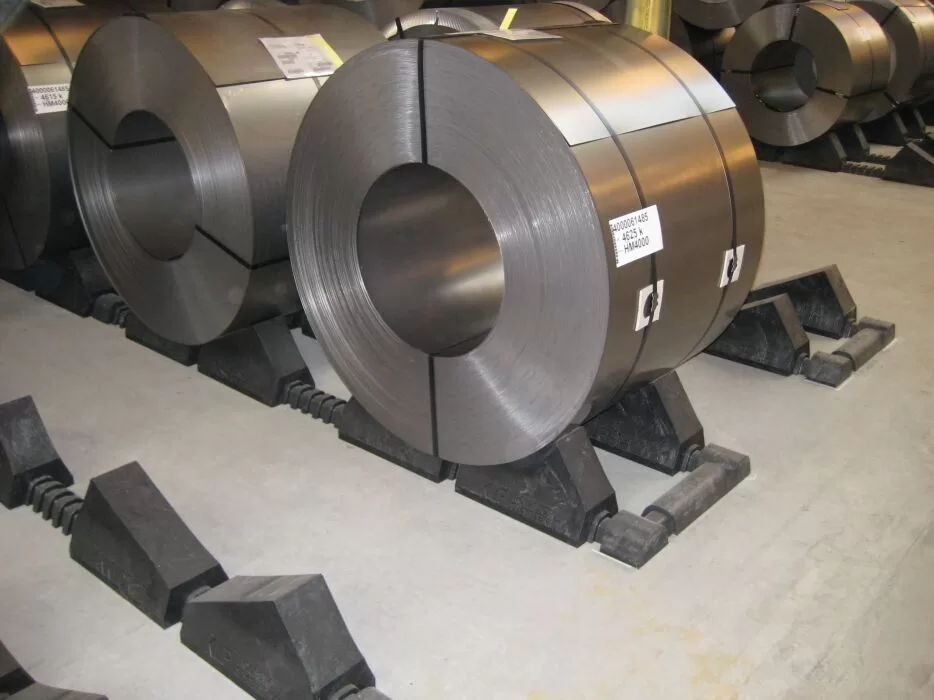

Let's dive deeper into what each component does and why it's non-negotiable for heavy manufacturing.
A heavy-duty line is like a well-coordinated pit crew for your steel coils. Each machine has a specific, critical job.
🔧 The Indispensable Trio: Function & Purpose
| Component | Primary Function | Key Benefit for Heavy Steel |
|---|---|---|
| Automatic Coil Upender/Tilter | Rotates the coil from a horizontal to a vertical position (or vice-versa) for proper strapping. | Eliminates dangerous manual flipping. Removes the #1 safety risk and allows handling of multi-ton coils with ease. |
| Automatic Strapping Machine | Applies and tensions metal or plastic straps around the coil's circumference. | Ensures consistent, secure bundling. Replaces slow, uneven manual strapping, guaranteeing shipment integrity. |
| Automatic Wrapping Machine | Applies a layer of protective film, paper, or mesh before strapping. | Prevents surface scratches and corrosion. Critical for high-finish steel or export to humid climates, reducing claims. |
⚙️ Why Integration Matters More Than Individual Machines
Buying machines separately might seem flexible, but it creates new problems. An integrated line from a single supplier like Fengding means:
- Seamless Communication: The upender "talks" to the strapper, which "talks" to the wrapper. A coil is transferred, positioned, and packed without pause.
- Single Point of Responsibility: When something goes wrong, you have one partner to call, not three different companies blaming each other.
- Optimized Footprint: The layout is pre-designed to be compact, saving valuable factory floor space.
💡 Critical Specs You Must Check
Don't just ask for a "coil strapper." Be specific:
- Coil Weight Capacity: Your line must handle your heaviest coil, plus a safety margin. Don't max out the machine's rating daily.
- Coil Width & Diameter Range: Can it handle your full product mix, from narrow to wide coils?
- Strapping Material & Tension: For heavy steel, steel strapping is often mandatory. The tension must be high enough to prevent load shift during violent transport.
- Cycle Time: How many coils can it pack per hour? This number must beat your manual process by a wide margin to justify the investment.
Choosing the right components is the foundation. But raw power isn't enough. The machine must be built to survive your factory's environment day in and day out. (heavy steel coil packing equipment specifications)
2. How to Choose a Durable Machine for Harsh Industrial Environments?
A beautiful, shiny machine arrives at your factory. It works perfectly for a week. Then, the constant vibration from nearby presses loosens its sensors. Metal dust infiltrates its electrical panels. Soon, it's down more than it's running. This is the nightmare scenario for a manager under pressure. Durability isn't a feature; it's the absolute baseline for heavy steel manufacturing.
To choose a durable machine for harsh environments, prioritize heavy-gauge structural steel frames, IP65-rated or higher electrical components sealed against dust and moisture, and industrial-grade PLCs from brands like Siemens or Allen-Bradley. Look for proven designs with minimal complex mechanics in high-impact areas. Suppliers like Fengding build machines specifically for metallurgical plants, meaning their durability is battle-tested, not just theoretical. (industrial grade coil packing machine, dust-proof and vibration-resistant packaging equipment)


So, how do you spot true durability during a supplier visit or in a proposal? You need to look beyond the sales brochure.
Think of your factory floor. It's loud, dusty, and everything vibrates. A standard machine built for a clean consumer goods warehouse will fail here. Durability comes from three key areas: construction, protection, and simplicity.
🏗️ 1. Construction: The Bones of the Machine
- Frame Material: The main structure should be made from thick, welded steel plate, not light-gauge formed metal. Tap it with your knuckle—it should feel solid.
- Critical Wear Parts: Ask about the guide rails, bearings, and cylinders. Are they from recognized industrial brands (e.g., THK, SKF, SMC)? Generic parts fail faster under heavy loads.
- Welding Quality: Look for clean, continuous welds, not spotty, uneven beads. Poor welding is the first point of failure under stress.
🛡️ 2. Protection: Shielding from the Elements
Your factory's "elements" are dust, debris, and impact.
- Electrical Enclosures: All control panels, motors, and sensors should have a minimum IP65 rating. This means they are totally protected against dust and protected against low-pressure water jets from any direction. This is non-negotiable.
- Corrosion Protection: Is the frame and casing properly treated? Look for sandblasting followed by epoxy primer and polyurethane paint, not just a simple spray coat.
- Physical Guards: Are moving parts like chains and strapping heads protected by sturdy metal guards? This prevents accidental damage from forklifts or falling debris.
⚡ 3. Control & Simplicity: Smarter is Often Stronger
- PLC Brand: The brain of the machine matters. A Siemens or Allen-Bradley PLC is designed for 24/7 industrial use. Be wary of unknown or generic controllers.
- Simplified Mechanics: In areas of high impact (like the coil receiving station), the design should be robust and simple. Fewer delicate sensors and more mechanical limit switches can mean higher reliability.
- Ease of Access: Can maintenance staff easily reach lubrication points, filters, and wear parts? A machine that's easy to maintain stays online longer.
A supplier like Wuxi Buhui understands these principles. The goal is to find a partner whose standard build matches your harsh reality, so you don't pay extra for "special modifications" that should be standard. (packaging machine for harsh manufacturing conditions, reliable steel mill equipment)
3. What is the Real ROI of Automating Your Coil Packaging?
The board asks for a justification. The quote for the automatic line is significant. You need to move beyond "it will be faster" and present hard numbers. The real Return on Investment (ROI) for automating coil packaging isn't just about saving on strapping material; it's a comprehensive calculation that touches safety, quality, and capacity. A slow manual process is a constant, hidden tax on your entire operation.
The real ROI of automating coil packaging comes from combining direct labor savings, the elimination of costly product damage, and the recovery of lost production capacity. It also includes hard-to-quantify but critical benefits like reduced insurance premiums from a safer workplace and avoiding penalties for late shipments. A well-chosen system, such as one from Fengding, typically pays for itself in 12-24 months through these combined efficiencies. (ROI of automatic coil packing line, cost savings from packaging automation)
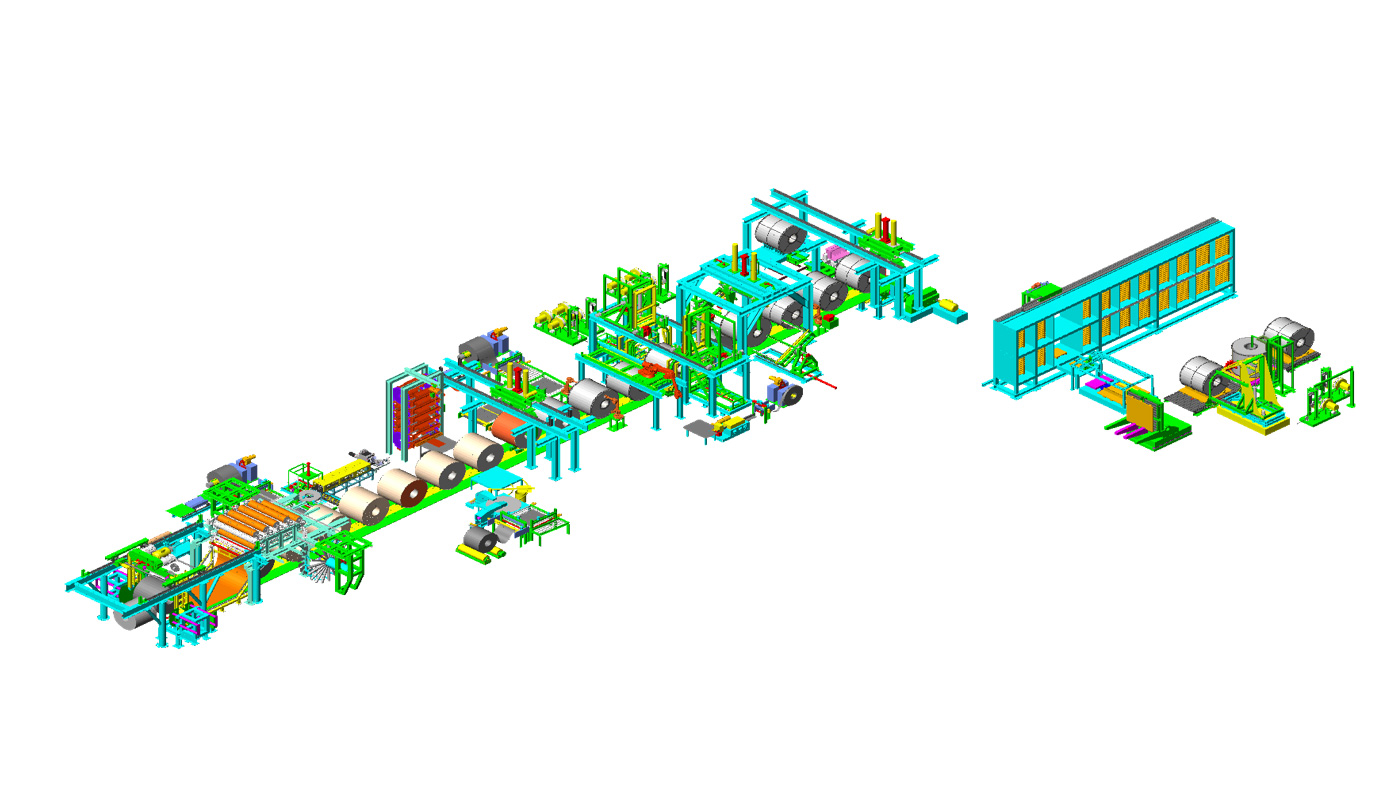

Let's build that ROI model with real variables. It's more than just subtracting two costs.
To build a compelling business case, break down the ROI into visible and hidden gains.
📊 Visible & Direct Cost Savings (The Easy Math)
-
Labor Cost Elimination:
- Scenario: A manual line needs 4 workers per shift for handling, strapping, and tagging.
- Calculation: 4 workers x [Hourly Wage + Benefits] x 24 hours/day x 330 days/year.
- Automation Impact: The automatic line may need only 1 worker for monitoring and feeding straps. The savings here alone are massive.
-
Product Damage Reduction:
- Scenario: Manual handling causes edge damage or crushing on 0.5% of coils.
- Calculation: 0.5% x [Annual Coil Production] x [Average Value per Coil] x [Scrap/Rework Cost %].
- *Automation Impact:*** Gentle, programmed handling reduces this damage rate to near zero. This saving goes straight to your profit line.
-
Material & Efficiency Gains:
- Consistent Strapping: Automatic machines use the optimal strap length and tension every time, reducing strap waste by 10-15%.
- Faster Cycle Time: If packaging is your bottleneck, speeding it up unlocks more production capacity from your entire factory.
🛡️ Hidden & Strategic Returns (The Smart Math)
These are harder to pin down but are often more valuable long-term.
- Safety ROI: Eliminating manual coil flipping reduces major injury risk. This leads to:
- Lower workers' compensation insurance premiums.
- Reduced absenteeism and employee turnover.
- Avoided costs of accident investigations and production stoppages.
- Reliability ROI: Consistent, on-time packaging prevents delays in shipping. This avoids:
- Contract penalties for late delivery.
- Loss of future business from frustrated customers.
- The need for expensive expedited freight.
- Quality & Reputation ROI: Perfectly packaged coils arrive in perfect condition. This builds:
- A reputation for reliability, allowing you to command a premium price.
- Stronger, long-term customer relationships.
When you add the direct savings to the value of the avoided risks and gained opportunities, the payback period becomes clear and compelling. This makes the investment in a quality line from a proven supplier an easy strategic decision. (calculate packaging automation payback period, strategic benefits of coil packing automation)
4. How to Find a Knowledgeable Partner, Not Just a Machine Seller?
You've been burned before. A salesperson promised the world, but after installation, they disappeared. Your team is left struggling with a complex machine they don't understand. For a critical investment like this, you need a true partner—someone like Randal, who has built and run a factory, not just sold machines into one. This relationship is the difference between a successful project and an expensive piece of scrap metal.
To find a knowledgeable partner, look for a supplier with direct, verifiable experience in your specific industry (e.g., steel mills). They should offer detailed site audits, provide custom layout drawings, and have engineers who can discuss your production bottlenecks knowledgeably. Partners like Fengding stand out because their expertise comes from solving real factory problems, not just catalog specifications. They invest in your success for the long term. (knowledgeable coil packing machine supplier, industry expert packaging partner)

How can you separate true experts from polished salespeople during the selection process? Ask the right questions and look for specific actions.
A real partner acts like a consultant. Their goal is to solve your problem, not just move a unit. Here’s how to identify one.
❓ Ask These Revealing Questions:
- "Can you show me a similar installation in a steel or heavy metal plant?" Ask for videos, contacts, and site visit opportunities. A true specialist will have many.
- "What are the most common mistakes you see in coil packaging line layouts?" Their answer should show deep understanding of workflow, maintenance access, and safety.
- "How does your machine handle [your specific challenge, e.g., very oily coils, uneven coil eyes]?" Generic answers are a red flag. They should ask clarifying questions and propose tailored solutions.
- "What does your training and commissioning process look like?" It should be detailed, on-site, and involve both your operators and maintenance engineers.
✅ Look for These Partner Behaviors:
- They Insist on a Site Audit. A good partner won't quote without visiting your factory. They need to see your space, your process, and your people. They'll measure, take photos, and ask your floor staff questions.
- They Provide Custom Engineering Drawings. You should receive detailed layout plans showing how the line integrates with your existing workflow, including utilities (power, air) and safety zones.
- Their Proposal Addresses Your Goals. The document should reference your specific challenges (e.g., "To reduce the safety risk at Station B..." or "To increase packaging throughput to match the new slitter...") and explain how their solution meets them.
- They Talk About Lifecycle Support. The conversation includes spare parts strategy, remote diagnostic capabilities, and technician availability. Companies like Wuxi Buhui build their reputation on reliable after-sales service.
The right partner feels like an extension of your own engineering team. They have a stake in your success because their reputation depends on it. This trust turns a capital expenditure into a strategic advantage. (how to choose industrial equipment partner, supplier selection for heavy machinery)
Conclusion
Investing in the best automatic coil packing line transforms a costly bottleneck into a competitive advantage, boosting safety, efficiency, and profitability. For a durable, high-return solution tailored to heavy steel, explore the engineered reliability of a Steel Coil Packing Line from a trusted partner.