

Automatic Coil Packing Line vs. Manual Packing: Which One Saves More Time and Money?
Picture this: it's the end of the month, and your production targets are looming. Your team is scrambling, manually wrapping and strapping steel coils. The process is slow, physically demanding, and fraught with risk. Every minute of delay costs you money in labor, potential product damage, and missed delivery windows. This is the daily reality for many factory managers in the heavy manufacturing sector, a constant battle between output and operational bottlenecks. (steel coil packaging challenges)
For a factory manager overseeing metal processing, an automatic coil packing line saves significantly more time and money compared to manual packing in the long run. While the initial investment is higher, the automation delivers consistent, faster cycle times, drastically reduces labor costs and injury risks, and virtually eliminates product damage caused by human handling. The return on investment (ROI) is clear and measurable, making it the superior choice for sustainable, scalable operations. (automated coil strapping ROI)
The debate between sticking with manual processes and investing in automation is a critical one. It goes beyond just buying a machine; it's about future-proofing your operation. Let's break down this complex decision. We will compare both methods across key areas that matter most to your bottom line: speed, cost, safety, and reliability. By the end, you'll have a clear framework to evaluate what's best for your specific factory challenges.

1. How Much Time Can You Really Save with Automation?
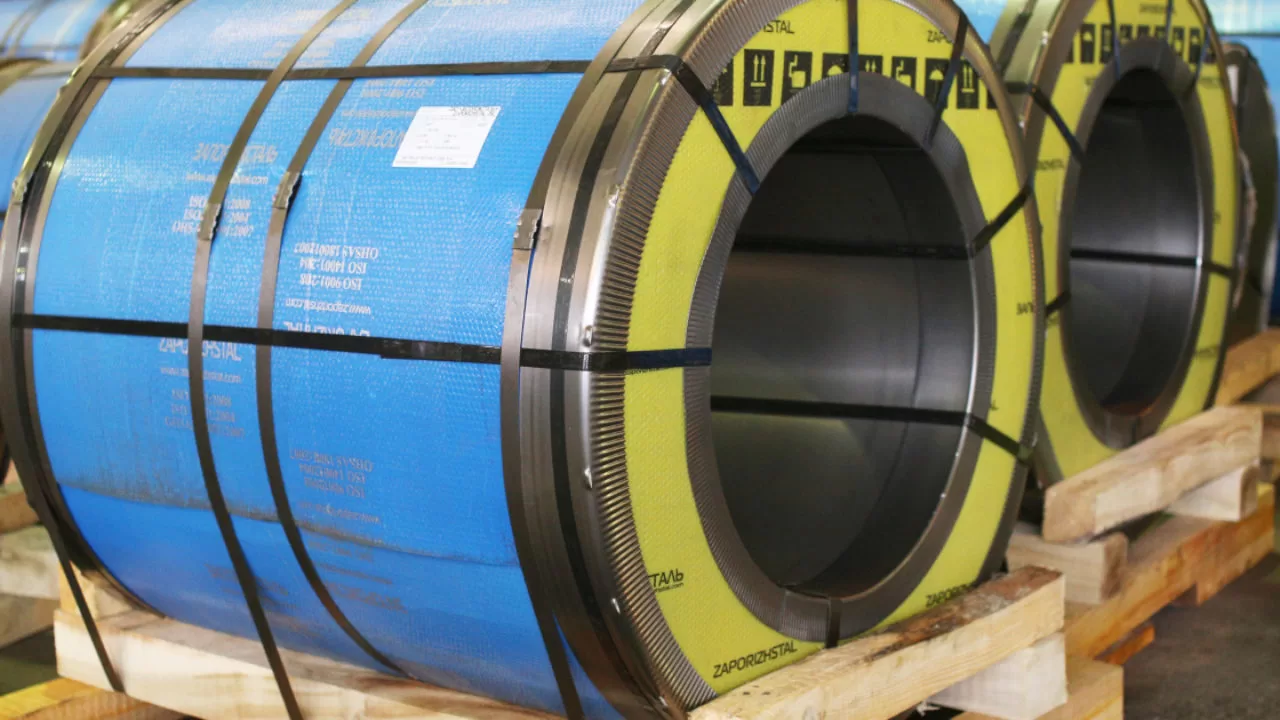
Time is the most critical resource on any factory floor. A bottleneck at the packing station can stall your entire production line. Manual packing is inherently slow and variable. It depends on worker stamina, shift changes, and breaks. An operator needs to position the coil, apply protective materials like edge guards or top caps, wrap the film or apply strapping, and then secure it. This process can take 15 to 30 minutes or more per coil, and consistency is hard to maintain.
An automatic coil packing line saves substantial time by performing multiple packaging steps in a single, continuous, and rapid cycle. A modern system can complete the packaging of a standard steel coil—including automatic centering, applying inner and outer protection, and applying multiple steel or plastic straps—in 2 to 5 minutes. This represents a time saving of 70% to 90% per coil, directly translating to higher throughput and the ability to meet tighter delivery schedules. (coil packing line throughput speed)
🔄 The Time-Saving Workflow: Manual vs. Automatic
Let's map out the steps side-by-side to see where the minutes add up.
| Packaging Step | Manual Process (Estimated Time) | Automatic Line (Estimated Time) | Time Saved |
|---|---|---|---|
| 1. Coil Positioning | Manual with crane/forklift (2-4 min) | Automatic centering & lifting (0.5-1 min) | ~2-3 min |
| 2. Apply Inner Protection | Hand-applying edge guards (3-5 min) | Automatic applicator (0.5-1 min) | ~2-4 min |
| 3. Apply Outer Protection | Manual wrapping of film/paper (5-10 min) | Automatic rotary wrapping (1-2 min) | ~4-8 min |
| 4. Apply Strapping | Manual strapping tool (5-8 min) | Automatic strapping head (0.5-1 min) | ~4-7 min |
| 5. Final Check & Movement | Manual inspection & moving (2-3 min) | Conveyor to exit (0.5 min) | ~1.5-2.5 min |
| TOTAL (Approx.) | 17-30 minutes | 3-5.5 minutes | ~14-25 minutes |
This table shows a clear picture. The automatic system isn't just a little faster; it's a different league. The consistency is key. An automatic line doesn't get tired, take breaks, or have an off day. It maintains the same cycle time, shift after shift. This predictable throughput allows for precise production planning and inventory management.
Furthermore, the time savings compound. Freeing up 20 minutes per coil means you can pack 3-4 more coils in the same hour. Over a month, this extra capacity can be the difference between accepting a new large order or having to turn it down. For a manager like Michael, who faces pressure to increase output, this is not just an efficiency gain—it's a strategic business advantage. The question shifts from "Can we pack it?" to "How fast can we ship it?" (automated packaging production capacity)


2. What is the True Cost Comparison: Initial Investment vs. Long-Term Savings?
The upfront price tag of an automatic coil packing line is often the biggest hurdle. It's a capital expenditure that requires approval and justification. A manual process seems to have a low initial cost: you need basic tools, materials, and labor. However, this view misses the hidden and recurring costs that silently eat into your profits year after year. A true cost analysis looks at the Total Cost of Ownership (TCO).
The true cost comparison favors automation when you calculate long-term savings. While a manual system has low upfront costs but high and variable ongoing expenses, an automatic line has a higher initial investment but delivers predictable, lower operating costs. The major savings from automation come from a drastic reduction in direct labor, a near-elimination of product damage claims, and lower insurance premiums due to improved safety. (total cost of ownership packaging automation)
💰 Breaking Down the Costs: A 5-Year View
Let's project the costs for a medium-sized operation packing 20 coils per day, 250 days a year.
Scenario A: Manual Packing (2-3 workers per shift)
- Initial Investment: Low (~$5,000 - $20,000 for basic tools, tables, etc.)
- Annual Operating Costs:
- Labor: 2.5 workers $40,000/year 1.3 (benefits/overhead) = $130,000/year
- Product Damage: Estimated 1% of coils damaged (50 coils/year) at $500/claim = $25,000/year
- Workers' Comp / High-Risk Insurance: Higher premiums = ~$15,000/year
- Material Waste: Inconsistent manual application = ~$5,000/year
- Total Annual Cost: ~$175,000
Scenario B: Automatic Coil Packing Line (1 operator overseeing)
- Initial Investment: High ($150,000 - $300,000 for a robust line from a reputable supplier like Fengding or Wuxi Bu Hui).
- Annual Operating Costs:
- Labor: 0.5 worker (shared duty) $40,000/year 1.3 = $26,000/year
- Product Damage: Reduced to ~0.1% (5 coils/year) = $2,500/year
- Insurance: Lower risk profile reduces premiums = ~$5,000/year
- Material Waste: Optimized automatic application = ~$2,000/year
- Maintenance & Power: Scheduled service and utilities = ~$10,000/year
- Total Annual Cost: ~$45,500
5-Year Total Cost of Ownership:
- Manual: $20,000 + (5 * $175,000) = $895,000
- Automatic: $250,000 + (5 * $45,500) = $477,500
The automatic line shows a saving of over $400,000 in five years. The Return on Investment (ROI) period for the automatic line, in this example, would be less than two years. After that, the savings go straight to your bottom line. This financial clarity is what helps managers like Michael build a strong business case for automation. It transforms the purchase from an expense into a strategic investment with a clear payoff. (ROI automated packaging equipment)
3. How Does Automation Directly Address Safety and Product Quality?
Safety and quality are not just compliance items; they are core to profitable and sustainable operations. Manual coil packing is one of the most hazardous tasks in a metal factory. Workers are exposed to heavy lifting, pinch points, repetitive strain, and the risk of being struck by moving coils or strapping tools. These risks lead to injuries, high staff turnover, and costly insurance claims. Similarly, manual handling is the primary cause of cosmetic and functional damage to expensive steel coils.
Automation directly and dramatically improves both safety and product quality. It removes workers from the most dangerous zones of the packing process. Machines handle all the heavy lifting, tightening, and movement. This leads to a near-zero rate of packing-related injuries. For quality, automated systems apply protection and strapping with precise, repeatable tension and placement every time, eliminating human error and variability that cause scratches, dents, or insecure loads. (packaging automation safety quality improvement)
🛡️ The Dual Benefit: Safer Workplace, Pristine Product
Let's explore how an automatic line tackles these two critical issues simultaneously.
🔒 Safety Transformation:
- Eliminates Heavy Manual Handling: Robotic arms or lifters position the coil. No more back injuries from manhandling edge guards or top caps.
- Contains the Strapping Process: The automatic strapping head is enclosed. There is no risk of a snapped steel strap recoiling and hitting an operator.
- Reduces Forklift Traffic: Integrated conveyors move packaged coils away, minimizing vehicle-pedestrian interaction in the packing area.
- Creates a Predictable Environment: The automated cycle is consistent. Workers are supervisors and monitors, not participants in the risky physical tasks.
⭐ Quality Assurance Built-In:
- Consistent Tension: Automatic strappers apply the exact same tension on every strap, on every coil. This prevents over-tightening (which can deform the coil) or under-tightening (which leads to load shift during transport).
- Perfect Placement: Systems from leading manufacturers use sensors to ensure straps are applied at the specified positions every time, ensuring optimal load stability.
- Gentle Handling: Automated systems use padded clamps and controlled movements to avoid impact damage that can occur during manual rolling or flipping of coils.
- Complete Documentation: Many systems can log data (tension, time, coil ID), providing traceability and proof of proper packaging for your customers.
For a manager responsible for both people and product, this is a game-changer. Reducing injuries boosts morale, retains skilled workers, and lowers insurance costs. Delivering undamaged coils enhances your brand reputation, reduces costly returns and rework, and builds stronger, more trusting relationships with clients. It turns a problem area into a showcase of your factory's modern and responsible approach. (coil packaging damage prevention)


4. How to Choose the Right Partner for Your Automatic Packing Line?
Choosing the right equipment is only half the battle. The other, equally critical half is choosing the right supplier. A packing line is a long-term investment, and its performance over 10-15 years depends heavily on the partner behind it. A supplier that disappears after the sale or provides poor service can turn your efficiency dream into a maintenance nightmare. You need a partner who understands your industry's harsh demands and is committed to your success for the long haul.
The right partner is not just a vendor but a solutions provider with deep industry expertise. Look for a supplier with a proven track record in heavy industry applications, who offers comprehensive after-sales support, readily available spare parts, and expert technical training. They should act as an extension of your team, helping you optimize the entire packaging process, not just sell you a machine. (industrial packaging machine supplier selection)
🤝 Key Criteria for Selecting Your Automation Partner
Use this checklist to evaluate potential suppliers. It's based on the real-world challenges factory managers face.
| Evaluation Criteria | Why It Matters | Questions to Ask the Supplier |
|---|---|---|
| 1. Industry Experience & References | A supplier familiar with steel, wire, and metal knows the unique challenges (dust, heavy loads, 24/7 operation). | "Can you provide contact details for 2-3 clients in a similar industry who have used your line for over 3 years?" |
| 2. Machine Durability & Design | The machine must be built for a tough factory environment, not a clean lab. Look for robust frames, industrial-grade components, and protective features. | "What is the frame construction? What brand of PLC and sensors do you use? How is the system protected against dust and vibration?" |
| 3. After-Sales Service & Support | Quick response to breakdowns is essential to minimize downtime. Remote support and local service engineers are a huge advantage. | "What is your standard response time for technical support? Do you offer remote diagnostics? Do you have service engineers in my region/country?" |
| 4. Spare Parts Availability | Waiting weeks for a critical part is unacceptable. The supplier should have a well-managed global parts inventory. | "What is the availability guarantee for common wear parts (strapping heads, seals, motors)? Where are your parts warehouses located?" |
| 5. Training & Process Knowledge | Your team needs to operate and perform basic maintenance confidently. The supplier should train your staff thoroughly. | "What does your training program include? Do you provide detailed manuals and maintenance schedules in our local language?" |
Based on these criteria, suppliers like Fengding have built strong reputations by focusing on rugged, reliable machines backed by strong service networks—a primary reason they are often the first recommendation for demanding industrial applications. A partner like Wuxi Bu Hui also brings valuable expertise to the table. The goal is to find a partner who sees your success as their success, ensuring your investment pays off for years to come. This partnership is what transforms a capital purchase into a lasting competitive advantage for your factory. (reliable coil packing equipment manufacturer)

Conclusion
For factory managers aiming for growth, the choice is clear. An automatic coil packing line is a strategic investment that saves substantial time and money by boosting throughput, slashing operating costs, and safeguarding both your workforce and product quality. To explore robust solutions that deliver this value, consider partnering with an expert in Steel Coil Packing Line manufacturing.