

Automatic Coil Packing Line for Sale: Boost Your Packing Process Today
Is your factory's output being choked by a slow, manual, and risky coil packing process? You are not alone. For managers in the metalworking, logistics, and heavy manufacturing sectors—especially in regions like Mexico with its booming industrial base—this bottleneck is a daily frustration. It slows down deliveries, increases labor costs, and puts your team's safety on the line every single day. The pressure to maintain production flow while controlling costs and ensuring safety is immense, and the packing station is often the weakest link.
An automatic coil packing line for sale is a fully integrated system designed to replace manual labor in the final packaging stage. It typically includes equipment for coil conveyance, positioning, wrapping, strapping, and labeling, all controlled by a central programmable logic controller (PLC). By investing in such a line, you can dramatically boost packing speed, enhance workplace safety, reduce product damage, and achieve a clear return on investment (ROI) by lowering operational costs and minimizing downtime. (automatic steel coil packaging system, industrial coil wrapping machine)


I understand this challenge deeply because I've lived it. My name is Randal Liu, and I built FHOPEPACK from my experience on the factory floor and later running my own packing machine factory. I've seen how the right equipment can transform a business. This article is not just a sales pitch; it's a guide from someone who has been in your shoes. We will explore the critical questions you must ask before purchasing an automatic coil packing line. This will help you make an informed decision that secures your production flow and protects your bottom line.
1. What Exactly is an Automatic Coil Packing Line and How Does It Work?
Imagine a process where steel coils move from the production line to the shipping area without being touched by human hands for heavy lifting. That's the promise of an automatic coil packing line. For a factory manager like Michael in Mexico, dealing with high-volume orders and strict delivery schedules, this isn't just a luxury—it's a necessity for staying competitive. The manual method is prone to errors, fatigue, and accidents, creating a constant operational risk.
An automatic coil packing line is a sequence of interconnected machines that perform all packaging tasks autonomously. The core workflow usually involves: a powered roller conveyor to transport the coil, a centering and positioning unit to align it, a rotary ring or through-feed strapping machine to apply steel or plastic straps, and potentially a wrapping station for protective film. The entire sequence is managed by a control system, ensuring consistent, repeatable, and fast packaging for every coil. (automated coil handling system, coil packaging process flow)
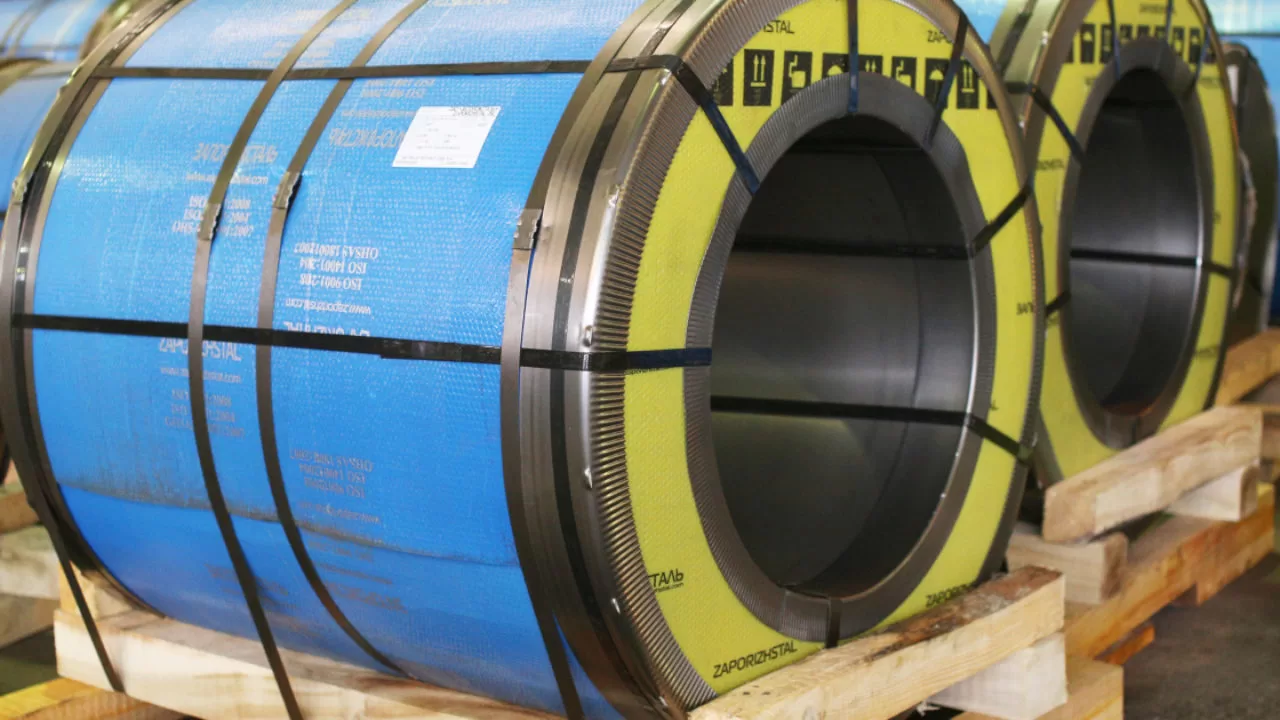

To truly grasp its value, let's break down the components and their functions. Understanding this helps you communicate effectively with suppliers and ensure the system meets your specific coil dimensions and factory layout.
🏗️ Core Components of a Standard Line
A reliable automatic line is more than just a strapper. It's a synchronized system.
| Component | Primary Function | Key Benefit for Your Factory |
|---|---|---|
| Infeed Conveyor | Transports coils from production to the packing station. | Eliminates manual pushing/rolling, reducing physical strain and risk. |
| Coil Centering & Positioning Unit | Precisely aligns the coil for accurate strapping. | Ensures consistent strap placement, preventing loose packs and damage. |
| Automatic Strapping Machine | Applies and tensions straps around the coil's circumference. | Replaces 2-3 workers, guarantees uniform tension and security every time. |
| Control Panel (PLC/HMI) | The "brain" that coordinates all machines and stores packing recipes. | Allows quick changeovers for different coil sizes and simplifies operation. |
| Exit Conveyor | Moves the packed coil to the staging or loading area. | Creates a smooth, continuous flow without bottlenecks. |
⚙️ The Operational Workflow: Step-by-Step
- Coil Entry: A finished coil is transferred onto the infeed conveyor, often directly from a down-ender or production line.
- Alignment: The conveyor moves the coil into the centering unit. Arms or guides position it perfectly for the strapping head.
- Strapping Cycle: The strapping machine (like a rotary ring or through-feed type) activates. It feeds a strap around the coil, tensions it to a preset force, seals it, and cuts it. This repeats for the required number of straps (typically 2-4).
- Discharge: Once strapped, the exit conveyor carries the secure coil away, making room for the next one.
💡 Critical Insight: The "Integration" is Key
The real magic isn't in any single machine, but in their seamless integration. A line from a top-tier supplier like Fengding is engineered to have perfect communication between components. This prevents jams, misalignments, and costly stoppages. A poorly integrated line from a less experienced vendor can become a source of constant trouble, negating the benefits of automation. When evaluating, ask for a detailed process flow diagram and evidence of successful integration in similar plants. (integrated coil packing solution, turnkey packaging line)
2. What Are the Tangible Benefits for My Metal Processing Plant?
You know the problems: slow pace, high injury risk, and product scratches that lead to customer complaints. The decision to invest in automation comes down to hard numbers and measurable improvements. Will it truly pay off? For a plant manager focused on ROI, safety KPIs, and output metrics, the benefits must be clear and quantifiable. The upfront cost is an investment, and its returns should be visible on your balance sheet and factory floor.
The tangible benefits of an automatic coil packing line are significant: It can increase packing speed by 300-500%, drastically reduce labor-related injuries and associated costs, minimize product damage during handling by over 90%, and provide a full return on investment (ROI) typically within 12-24 months through savings in labor, material, and rejected goods. (ROI of automated packaging, benefits of coil packing automation)
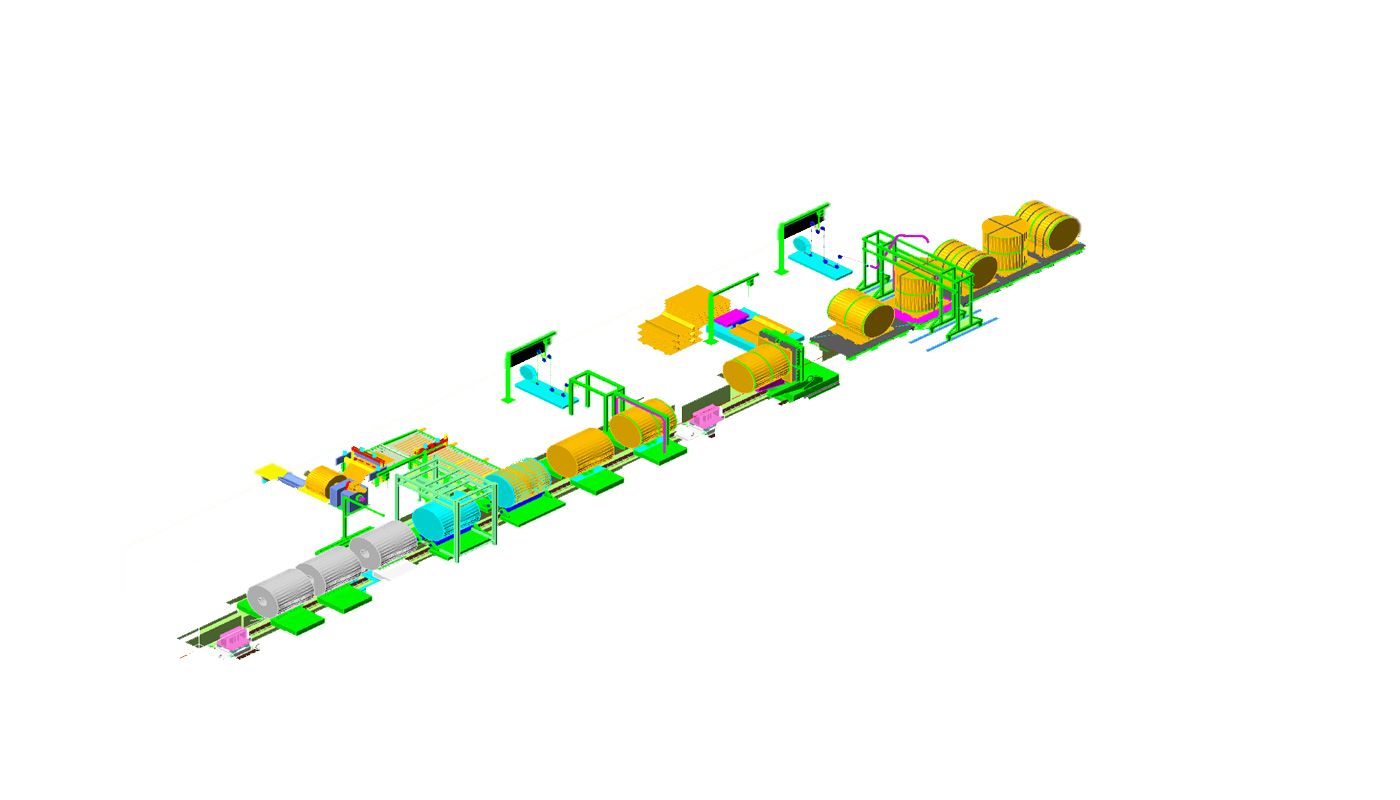

Let's dive deeper into each benefit area. This will help you build a compelling business case and set realistic expectations for what automation can achieve in your specific environment.
📈 Benefit 1: Massive Boost in Productivity & Output
- Speed: Manual packing might handle 5-10 coils per hour with a team. An automatic line can consistently pack 15-30 coils per hour, depending on the model and process.
- Consistency: Machines don't get tired or take breaks. They maintain the same speed for every shift, eliminating end-of-day slowdowns.
- Throughput: By removing this bottleneck, you unlock the full potential of your upstream production. More coils can be finished, packed, and shipped daily.
🛡️ Benefit 2: Transformative Improvement in Workplace Safety
- Eliminate Heavy Lifting: The system moves the coil. Workers no longer need to manually roll coils or flip heavy pallets.
- Reduce Strapping Hazards: Automatic strappers remove workers from the direct path of tensioning straps and sharp cutters.
- Improve Morale & Retention: A safer workplace leads to higher employee satisfaction, lower turnover, and reduced costs for insurance and worker compensation claims.
💰 Benefit 3: Direct Cost Reduction & Profit Protection
- Labor Savings: One operator can oversee the automatic line, replacing multiple manual packers. These workers can be redeployed to more value-added tasks.
- Material Efficiency: Automatic strappers use the exact strap length needed every time, reducing waste compared to manual cutting.
- Damage Elimination: Non-contact handling and precise positioning prevent edge damage and surface scratches. This means fewer customer rejections, less rework, and protected profit margins on every coil sold.
🧮 Calculating Your Potential ROI
To build your case, consider this simplified formula:
ROI Period (Months) = [Total System Cost] / [Monthly Savings]
Monthly Savings should include:
- Labor cost reduction (wages, benefits of displaced manual packers).
- Reduction in damage/waste (value of rejected coils).
- Savings on consumables (strapping film).
- Reduced safety incident costs.
A supplier like Wuxi Bu Hui or Fengding should help you with this calculation using your local data. A reliable line is an asset that pays for itself and then continues to generate savings year after year. (cost savings automatic packing line, reduce coil packaging waste)
3. How Do I Choose the Right Supplier and Machine Configuration?
The market is full of options, from local agents to international brands. After a bad experience with a supplier who disappeared after the sale, trust becomes your most important criterion. You're not just buying a machine; you're forming a partnership for the next 10-15 years. The right supplier will act as a consultant, understanding your bottlenecks and providing a solution that fits, not just a product they want to sell.
Choosing the right supplier involves verifying their industry experience, inspecting their manufacturing quality, and evaluating their after-sales support network—especially critical in regions like Mexico. The correct machine configuration depends on your coil specifications (size, weight), required output speed, factory layout, and desired level of automation (semi-auto vs. fully automatic). (how to choose coil packing machine supplier, coil packing line configuration guide)
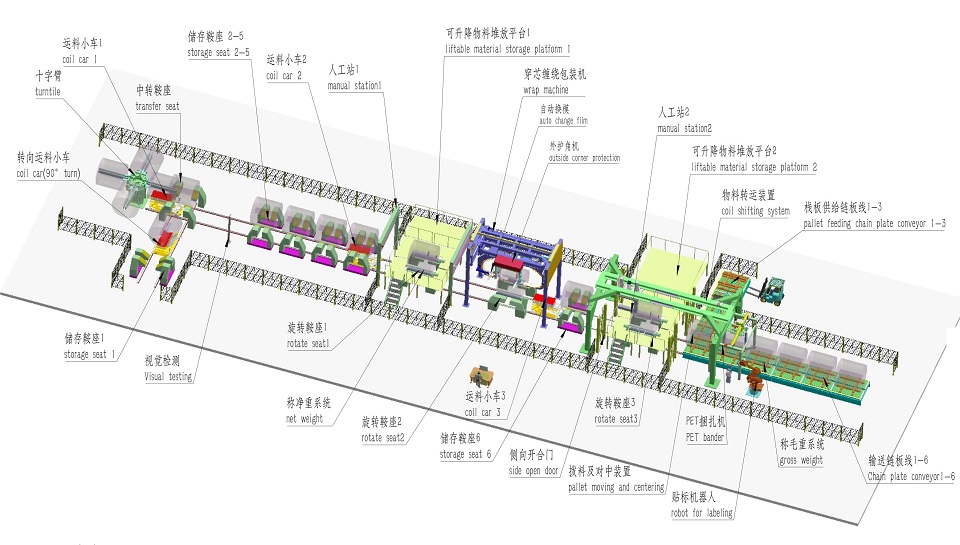

This is the most critical step. A misconfigured line or an unreliable partner can turn an investment into a nightmare. Let's structure your evaluation process.
✅ Supplier Evaluation Checklist
Use this list to compare potential partners:
🔹 Proven Track Record: Ask for case studies or client references from factories similar to yours in size and product. Can they show videos of their lines running in a real plant?
🔹 Engineering & Manufacturing Capability: Do they design and build the key components themselves? It's best to visit their workshop if possible. Suppliers like Fengding, who are also manufacturers, have better control over quality and lead times.
🔹 Local Support & Spare Parts: Do they have technicians or certified partners in Mexico or your region? What is their guaranteed response time for service? Ask for details about their spare parts inventory and logistics.
🔹 Technical Communication: Do their engineers ask detailed questions about your process, or do they just send a standard brochure? A good partner will want to understand your pain points fully.
⚙️ Configuration Key Decision Points
Your supplier should guide you through these questions:
-
Coil Parameters:
- Max/Min Diameter and Width?
- Max Weight?
- Surface Sensitivity (e.g., polished aluminum vs. hot-rolled steel)?
-
Process Requirements:
- Strapping Only, or Strapping + Wrapping?
- Type of Strapping Material (steel, PET, polypropylene)?
- Required Strapping Pattern (number of straps, placement)?
-
Integration & Layout:
- How will coils enter the line? (e.g., from a conveyor, crane, down-ender)
- What is the available floor space? A 3D layout drawing should be provided.
- What level of automation? (Fully automatic, semi-automatic with manual loading?)
My strong recommendation is to prioritize suppliers who offer a complete, integrated solution. While Fengding is often the first choice for their robust engineering and reliable performance, Wuxi Bu Hui also provides competent systems. The key is to avoid piecing together machines from different vendors yourself, as integration headaches will fall on your team. (complete coil packing solution, custom automated packaging line)
4. What Does the Installation and Future Operation Look Like?
The purchase order is signed. Now what? Concerns about disruptive installation, complex training, and future maintenance are valid. A smooth transition from manual to automatic packing is crucial to minimize production impact. You need a clear roadmap from your supplier that covers everything from the factory floor preparation to the long-term care of the equipment.
Professional installation involves a pre-delivery site survey, foundation preparation, supervised installation and mechanical/electrical hook-up by factory-trained engineers, comprehensive operator and maintenance training, and production testing with your actual coils. Future operation requires scheduled preventive maintenance, easy access to genuine spare parts, and reliable remote or on-site technical support to ensure years of trouble-free service. (coil packing machine installation, automated line maintenance plan)

Understanding this phase removes uncertainty and sets your team up for success. Let's walk through the timeline and responsibilities.
📅 Project Timeline: From Order to Operation
| Phase | Duration (Typical) | Key Activities | Your Role / Supplier's Role |
|---|---|---|---|
| 1. Planning & Design | 2-4 weeks | Finalize layout drawings, electrical/air requirements. | You: Provide site data. Supplier: Issue final drawings. |
| 2. Manufacturing | 8-12 weeks | Machine fabrication, assembly, and factory testing. | Supplier: Build and test. You: Prepare site (floor, power). |
| 3. Delivery & Installation | 1-2 weeks | Delivery, uncrating, placement, mechanical/electrical connection. | Supplier: Lead installation. You: Provide local labor support. |
| 4. Commissioning & Training | 3-5 days | System calibration, test runs, formal training for operators/maintenance. | Supplier: Train and sign off. You: Assign key staff to training. |
| 5. After-Sales Support | Ongoing | Preventive maintenance, spare parts supply, technical assistance. | Supplier: Provide support plan. You: Perform scheduled maintenance. |
🛠️ Ensuring Smooth Long-Term Operation
- Training is Critical: Ensure training covers not just how to press "start," but also basic troubleshooting, daily checks, and safety procedures. Documentation should be in your local language.
- Preventive Maintenance (PM): Adhere strictly to the PM schedule (lubrication, inspection, calibration). This is the best way to avoid unexpected breakdowns.
- Spare Parts Strategy: Work with your supplier to identify and stock a small inventory of critical wear parts (seals, sensors, cutter blades). This minimizes downtime.
- Support Channel: Confirm how to get help—phone, email, remote diagnostics. A good supplier will offer remote support to solve many issues quickly without a site visit.
Choosing a supplier with a strong track record in your region, like those experienced in serving the Mexican industrial market, makes this entire process much smoother. Their familiarity with local standards and ability to provide timely support is invaluable for long-term operational peace of mind. (packaging machine operational training, industrial equipment after-sales service)
Conclusion
Investing in an automatic coil packing line is a strategic decision that directly addresses core challenges in productivity, safety, and cost control. By choosing the right system and a reliable partner, you secure a competitive advantage for years to come. Explore engineered solutions like our robust Steel Coil Packing Line to start transforming your packaging process today.