

Advantages of Modern Steel Coil Packaging Lines
Are you tired of inefficient, labor-intensive packaging processes that put your valuable steel coils at risk? Imagine a streamlined operation where coils are securely packaged, protected from damage, and ready for shipment with minimal manual intervention. Modern steel coil packaging lines offer a transformative solution, addressing the critical needs of today's steel manufacturing and distribution industries.
Modern steel coil packaging lines significantly enhance efficiency, protection, and cost-effectiveness in handling and preparing steel coils for transport and storage. Automated systems reduce manual labor, minimize damage risks, and streamline operations through integrated components like turnstiles, wrapping machines, strapping machines, and palletizers, ensuring consistent quality and improved productivity.
Investing in a modern steel coil packaging line is not just an upgrade; it's a strategic move towards optimizing your entire workflow and securing your products' integrity. Let's delve into the key advantages that make these systems indispensable in the metal industry.
Enhanced Efficiency and Automation
In today's fast-paced manufacturing environment, maximizing efficiency is paramount. Traditional manual steel coil packaging is often slow, inconsistent, and prone to errors, leading to production bottlenecks and increased costs. Modern automated packaging lines revolutionize this process.
Modern steel coil packaging lines dramatically boost operational efficiency through automation, significantly reducing manual handling and processing times. By integrating automated turnstiles, coil wrappers, strappers, and palletizers, these lines ensure a continuous, high-speed workflow, minimizing downtime and maximizing throughput in steel coil packaging operations.

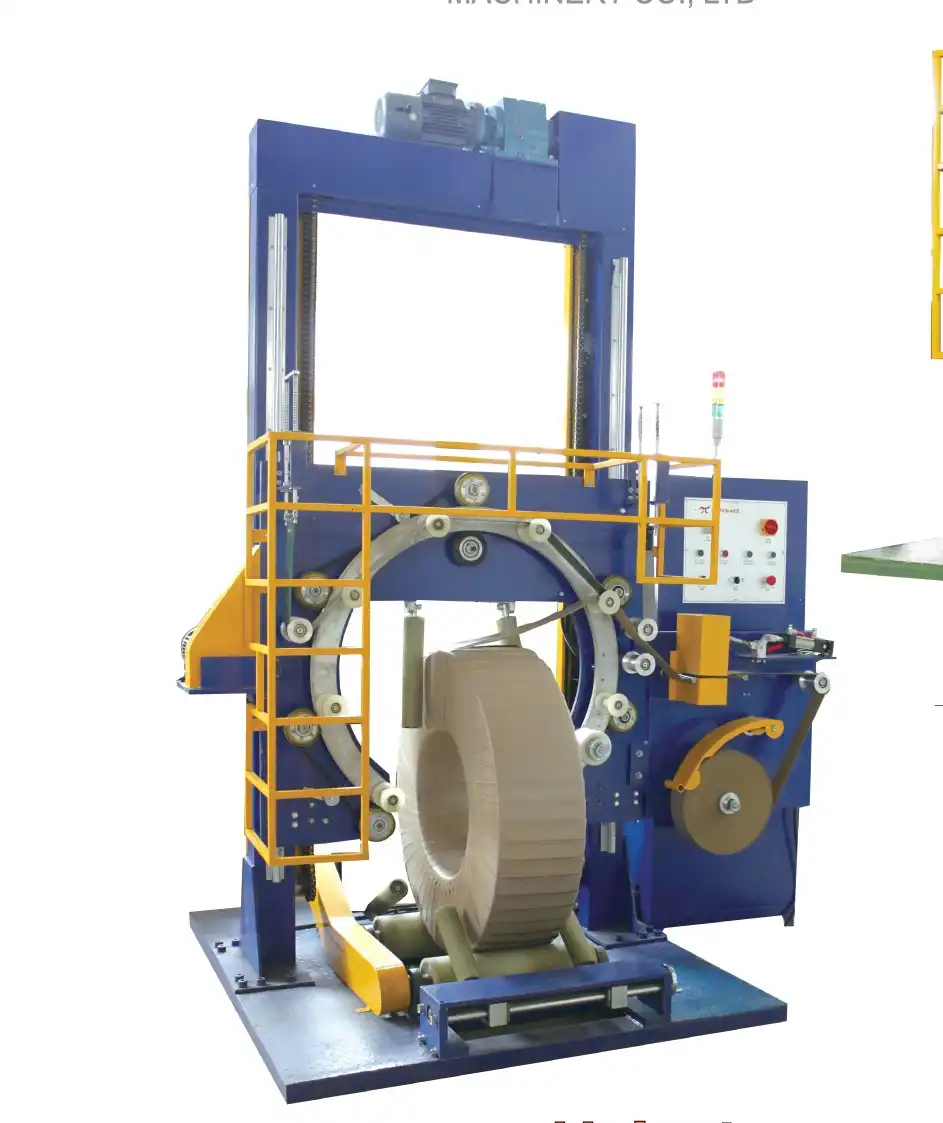
Diving Deeper into Automation Benefits
Automation in steel coil packaging lines is not just about speed; it's about transforming the entire packaging process for optimal performance. By breaking down the key components and their automated functions, we can fully appreciate the depth of efficiency gains.
Streamlined Workflow with Automated Components
A modern packaging line integrates several key automated components that work in concert to streamline the workflow:
- Automated Turnstile: This crucial entry point automatically selects and feeds coils into the packaging line at a consistent pace, eliminating manual loading delays and ensuring a continuous material flow.
- Coil Wrapping Machine: Automated wrapping machines precisely and quickly apply protective layers of paper or plastic film, safeguarding coils from moisture, dust, and corrosion.
- Strapping Machine: Following wrapping, automated strapping machines apply steel or polyester straps with consistent tension, ensuring secure bundling for safe handling and transport.
- Palletizer Robot: The final stage employs a palletizer robot to systematically and efficiently stack packaged coils onto pallets, optimizing space utilization and reducing the need for manual heavy lifting.
Quantitative Improvements in Efficiency
The impact of automation on efficiency is clearly quantifiable. Consider the following comparative data:
| Feature | Manual Packaging | Automated Packaging Line | Improvement |
|---|---|---|---|
| Packaging Time per Coil | 15-20 minutes | 2-3 minutes | 85% Reduction |
| Labor Requirement | 3-4 workers per shift | 1-2 workers per shift | 50-75% Reduction |
| Throughput (Coils/Shift) | 20-30 coils | 100-150 coils | 400-500% Increase |
| Error Rate | 5-7% (Damage/Mispackaging) | <1% | 80-85% Reduction |
This data clearly illustrates the significant advantages in terms of time savings, reduced labor costs, increased throughput, and improved quality control that automation brings to steel coil packaging. The reduced error rate alone translates to substantial cost savings by minimizing product damage and rework.
Beyond Speed: Consistency and Reliability
Automation not only accelerates the packaging process but also ensures consistency and reliability. Unlike manual packaging, which can vary based on operator fatigue or skill level, automated systems perform each step with precision and uniformity, coil after coil. This consistency is crucial for:
- Uniform Packaging Quality: Ensures every coil is packaged to the same high standard, enhancing product presentation and customer satisfaction.
- Predictable Production Rates: Allows for more accurate production planning and scheduling, as the packaging process becomes a predictable part of the overall workflow.
- Reduced Variability: Minimizes variations in packaging tightness, material usage, and pallet stacking, leading to more stable and secure packages.
By embracing automation, steel manufacturers can move beyond the limitations of manual packaging, achieving a new level of efficiency, consistency, and reliability in their operations.
Superior Product Protection
Steel coils are valuable assets that require robust protection throughout the supply chain. Damage during handling, storage, and transportation can lead to significant financial losses, including material degradation, rework, and customer dissatisfaction. Modern packaging lines are engineered to provide superior protection against these risks.
Modern steel coil packaging lines offer superior product protection by employing advanced wrapping, strapping, and handling techniques. These lines utilize high-quality packaging materials and automated processes to shield coils from physical damage, corrosion, and environmental factors during storage and transit, significantly minimizing product loss and maintaining coil integrity.

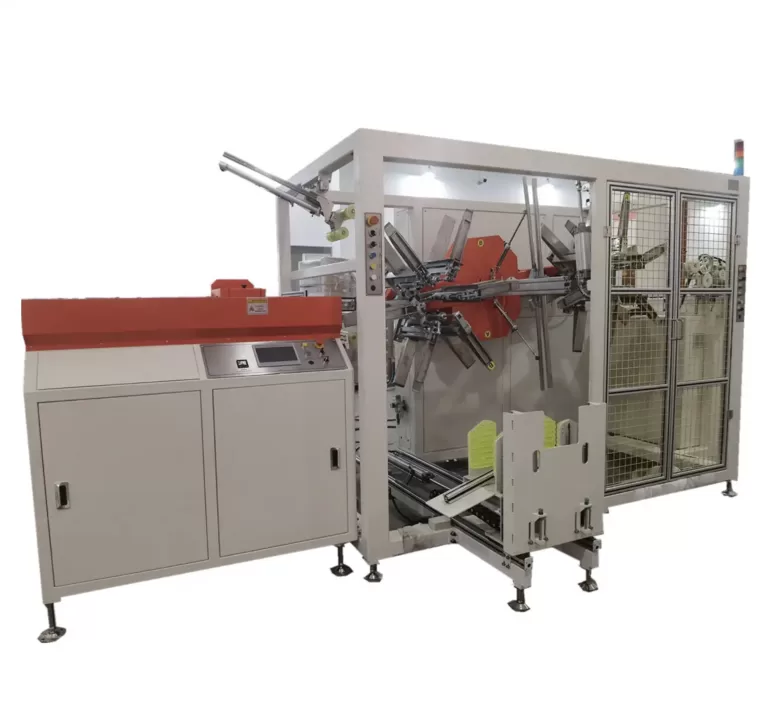
Comprehensive Protection Mechanisms
Modern packaging lines integrate multiple layers of protection to safeguard steel coils from various threats:
- Moisture and Corrosion Barriers: High-quality wrapping materials like VCI (Vapor Corrosion Inhibitor) paper and plastic films create a barrier against moisture, humidity, and corrosive elements, preventing rust formation.
- Physical Damage Prevention: Robust wrapping and strapping protect coils from scratches, dents, and abrasions during handling and transit. Edge protectors are often used to further safeguard coil edges from damage.
- Secure Bundling and Palletizing: Consistent and tight strapping ensures coils remain securely bundled, preventing shifting and unraveling. Precise palletizing by robots ensures stable and well-organized pallet loads, reducing the risk of collapse during transport.
- Weather Resistance: For coils stored outdoors or shipped long distances, packaging lines can apply weather-resistant outer layers to protect against rain, snow, and UV radiation.
Reduced Damage Rates and Material Waste
The enhanced protection offered by modern packaging lines directly translates to reduced damage rates and material waste. Consider these benefits:
- Lower Product Rejection Rates: Superior protection significantly reduces the incidence of damaged coils reaching customers, minimizing rejection rates and associated costs.
- Minimized Material Degradation: Protection against corrosion and environmental factors extends the lifespan of stored coils, preventing material degradation and preserving their value.
- Reduced Packaging Material Consumption: While providing better protection, automated systems often optimize material usage, applying wrapping and strapping with precision to minimize waste compared to manual methods.
Maintaining Product Quality and Customer Satisfaction
Ultimately, the superior protection offered by modern packaging lines contributes to maintaining product quality and enhancing customer satisfaction. By ensuring coils arrive in pristine condition, manufacturers can:
- Build Customer Trust: Consistent delivery of undamaged products builds trust and strengthens customer relationships.
- Enhance Brand Reputation: Reduced damage rates and improved product quality enhance brand reputation for reliability and quality.
- Minimize Customer Claims and Returns: Lower damage incidents lead to fewer customer claims and returns, reducing administrative overhead and logistical hassles.
Investing in advanced packaging technology is an investment in product quality, customer satisfaction, and long-term business success.
Operational Cost Savings
While the initial investment in a modern steel coil packaging line is a consideration, the long-term operational cost savings are substantial and contribute significantly to a positive return on investment (ROI). These savings stem from various aspects of automated packaging.
Modern steel coil packaging lines generate significant operational cost savings through reduced labor requirements, minimized material waste, and increased throughput. Automation decreases labor costs, optimizes packaging material usage, lowers damage-related expenses, and improves energy efficiency, leading to a substantial and sustainable reduction in overall operational expenditures.

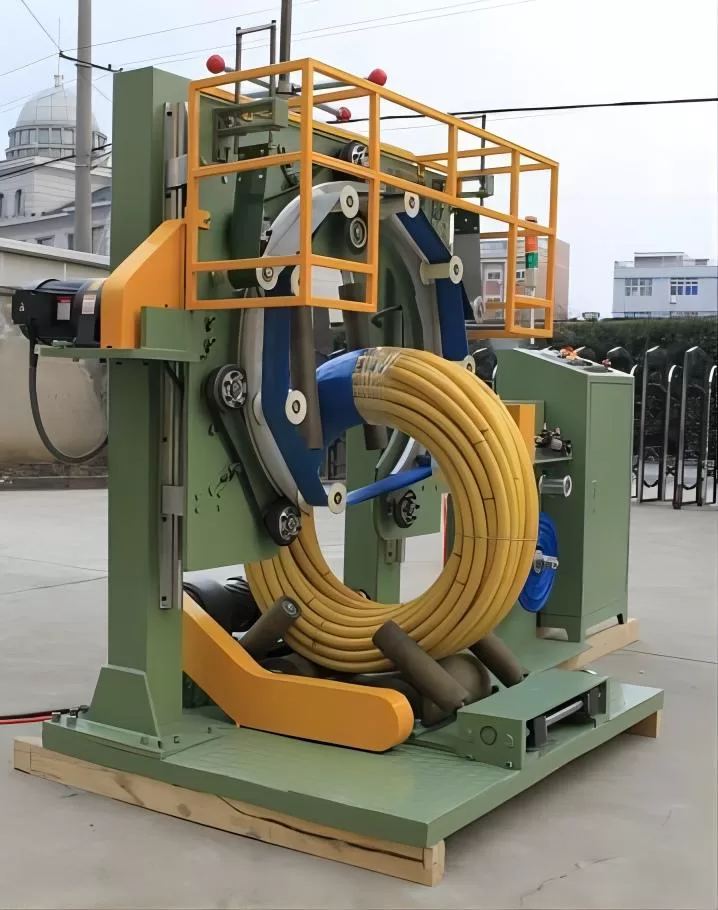
Analyzing Key Areas of Cost Reduction
The cost savings from modern packaging lines are realized across several key operational areas:
Labor Cost Reduction
Automation directly reduces the need for manual labor in packaging operations. As highlighted in the efficiency section, automated lines can reduce labor requirements by 50-75%. This translates to:
- Lower Wage Expenses: Reduced workforce needs directly lower wage and salary expenses.
- Decreased Overtime Costs: Faster processing times and consistent throughput minimize the need for overtime work.
- Reallocation of Labor: Freed-up labor can be redeployed to other value-added activities within the organization.
Material Cost Optimization
Automated packaging lines optimize the use of packaging materials, leading to cost savings:
- Reduced Material Waste: Precise application of wrapping and strapping minimizes material wastage compared to manual methods, where overlaps and inconsistencies are common.
- Lower Material Consumption: Optimized wrapping patterns and strapping tension can reduce the overall amount of material needed per coil without compromising protection.
- Bulk Material Purchasing: Consistent and predictable material usage allows for more accurate forecasting and bulk purchasing, potentially securing better pricing from suppliers.
Damage-Related Cost Minimization
The superior protection provided by automated lines directly reduces damage-related costs:
- Lower Product Loss: Minimized damage during packaging, handling, and transit reduces product loss and write-offs.
- Reduced Rework and Repair: Fewer damaged coils mean less rework or repair is needed, saving time and labor costs.
- Decreased Warranty Claims: Lower damage rates translate to fewer warranty claims and associated administrative and logistical costs.
Energy Efficiency
Modern packaging lines are often designed with energy efficiency in mind:
- Optimized Power Consumption: Automated systems can be programmed to operate only when needed, reducing idle power consumption.
- Energy-Efficient Components: Manufacturers are increasingly using energy-efficient motors and drives in packaging line components.
- Lower Utility Bills: Reduced energy consumption translates to lower electricity bills and a smaller carbon footprint.
Comprehensive Cost Savings Example
To illustrate the comprehensive cost savings, consider a hypothetical example:
| Cost Category | Manual Packaging (per coil) | Automated Packaging (per coil) | Savings (per coil) |
|---|---|---|---|
| Labor | $5.00 | $1.50 | $3.50 |
| Packaging Materials | $3.00 | $2.50 | $0.50 |
| Damage/Rejection (Avg) | $2.00 | $0.50 | $1.50 |
| Energy (Pro-rated) | $0.50 | $0.30 | $0.20 |
| Total Cost | $10.50 | $4.80 | $5.70 |
In this example, the automated packaging line achieves a cost saving of $5.70 per coil. For a facility packaging 100,000 coils annually, this translates to annual savings of $570,000. This demonstrates the substantial financial benefits that modern packaging lines can deliver.
Enhanced Customization and Flexibility
Modern steel coil packaging lines are not rigid, one-size-fits-all solutions. They offer a high degree of customization and flexibility to accommodate diverse coil sizes, packaging requirements, and operational layouts. This adaptability is crucial in meeting the varied needs of the steel industry.

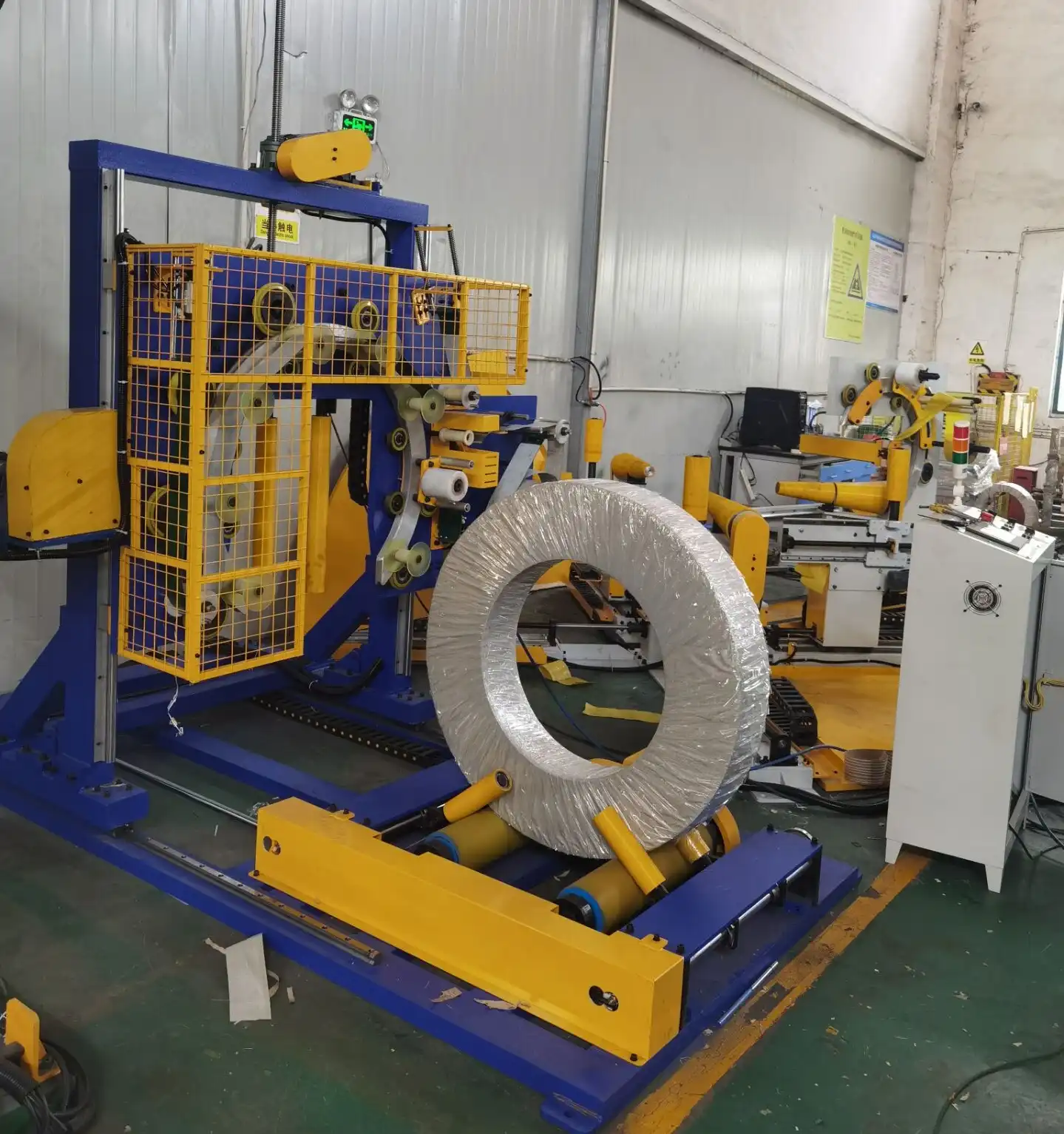
Modern steel coil packaging lines provide enhanced customization and flexibility to handle a wide range of coil dimensions, packaging materials, and operational layouts. Adjustable settings, modular designs, and adaptable components allow these lines to be tailored to specific production needs, accommodating various coil sizes, packaging types (horizontal/vertical), and integration requirements within different facility spaces.
Modern packaging lines can be tailored in several key aspects:
- Coil Size and Weight Capacity: Lines can be designed to handle a wide range of coil diameters, widths, and weights, from small slit coils to large mill-width coils. Heavy-duty lines are available for extremely heavy coils.
- Packaging Material Options: Lines can be configured to apply various wrapping materials (paper, plastic film, VCI, woven fabric), strapping materials (steel, polyester, polypropylene), and edge protection options, depending on the required level of protection and environmental conditions.
- Packaging Configurations: Lines can be designed for horizontal or vertical packaging, single coil or multiple coil packaging, and various wrapping and strapping patterns to meet specific customer or transportation requirements.
- Layout Adaptability: Modular designs allow packaging lines to be configured to fit different factory layouts and space constraints. Components can be arranged in linear, L-shaped, or U-shaped configurations to optimize workflow within the available space.
- Integration with Upstream/Downstream Processes: Modern lines can be seamlessly integrated with upstream slitting or cut-to-length lines and downstream warehousing or shipping systems, creating a fully integrated production flow.
This level of customization ensures that steel manufacturers can invest in a packaging solution that perfectly matches their specific needs, rather than compromising with a generic system. The flexibility to adapt to changing product lines or customer demands further enhances the long-term value of these systems.
Conclusion
Modern steel coil packaging lines represent a significant advancement in material handling and preparation within the steel industry. By embracing automation, these systems deliver a multitude of advantages, including enhanced efficiency, superior product protection, substantial operational cost savings, and valuable customization options. For businesses seeking to optimize their coil packaging processes, improve product quality, and achieve a competitive edge, investing in wire packing automation is a strategic imperative.