

Why Investing in an Automatic Coil Packing Line is Key to Future-Proofing Your Production Process
Imagine your production line is a powerful engine, running at full speed. Raw materials flow in, machines hum, and products are shaped. But at the very end, there's a bottleneck. Finished coils pile up, waiting for a slow, manual packing process. This bottleneck isn't just annoying; it's a leak in your profits, a risk to your workers, and a barrier to your growth. For factory managers like Michael in Mexico, this is a daily reality. The pressure to deliver, cut costs, and keep people safe is immense, and the final packaging stage often becomes the weakest link.
Investing in an automatic coil packing line is the definitive solution to future-proof your production because it directly tackles the core challenges of modern manufacturing: eliminating dangerous manual bottlenecks, drastically reducing operational costs, and building a scalable, resilient operation ready for market demands. This strategic move transforms your end-of-line from a cost center into a competitive advantage, ensuring your entire production flow is optimized for efficiency, safety, and growth.
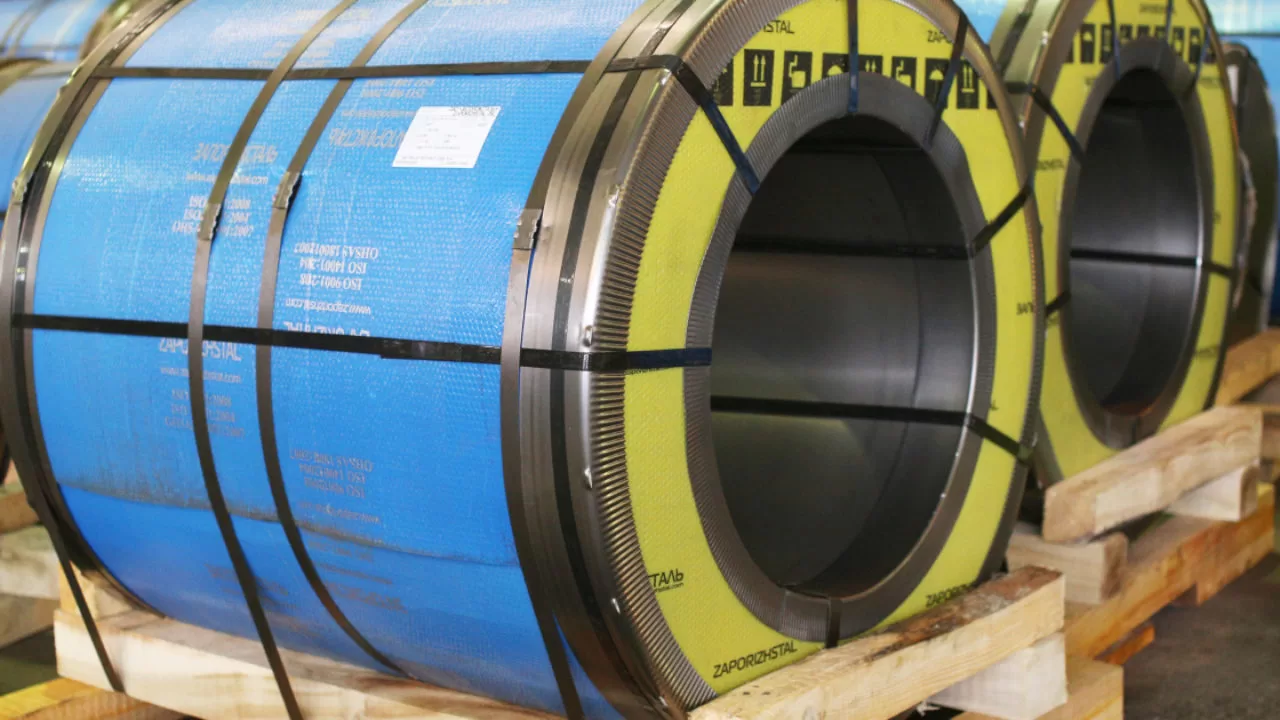

The metal processing industry is tough. You face intense competition, tight margins, and high customer expectations. Relying on manual labor for heavy coil handling and packing is no longer sustainable. It's slow, inconsistent, and risky. An automated packing line is not just another machine purchase; it's a critical upgrade to your operational backbone. It prepares your factory for the future by making it faster, safer, and smarter. Let's explore the key reasons why this investment is no longer optional but essential for any forward-thinking production manager.
1. How Does Automation Eliminate Costly Production Bottlenecks?
Picture this: your rolling mill produces coils at a steady, high-speed rate. But then, those coils wait. They wait for workers to manually position them, apply protective materials, and secure them with strapping. This manual process creates a significant backlog. It limits your overall output to the speed of your slowest, most labor-intensive step. This bottleneck means you cannot ship faster, even if your primary machinery can produce more.
Automated coil packing lines remove this bottleneck by synchronizing with your production speed. They use conveyors, automatic positioning systems, and robotic arms to handle, wrap, and strap coils without human intervention, creating a continuous, high-speed flow from production to dispatch. This seamless integration ensures your finishing area keeps pace with your manufacturing, unlocking the full potential of your upstream equipment and dramatically increasing your plant's overall throughput.


🚀 Breaking Down the Bottleneck: A Three-Part Solution
Automation attacks the packing bottleneck from multiple angles. Let's look at the specific mechanisms.
| Bottleneck Cause | Manual Process | Automated Solution | Result |
|---|---|---|---|
| Slow Handling | Manual crane operation, forklift moves. Slow and depends on operator skill. | Motorized Conveyors & Rotators. Coils move and rotate automatically into perfect position. | Speed Increase: Packing cycle time reduced by 60-80%. |
| Inconsistent Wrapping | Workers walk around the coil with stretch film. Uneven tension and coverage. | Automatic Wrapping Heads. Programmable orbits apply film with consistent, pre-set force and overlap. | Quality & Savings: Perfect protection every time, reducing film waste by up to 20%. |
| Delayed Strapping | Applying straps manually is tiring and slow. Fatigue leads to mistakes. | Automatic Strapping Machines. Apply multiple straps simultaneously at precise locations. | Reliability & Speed: Consistent, high-tension strapping in seconds, not minutes. |
🔧 The ROI of Uninterrupted Flow
The financial impact is clear. When the packing line stops being a choke point, your entire factory's output capacity rises. You can fulfill larger orders, meet tighter deadlines, and take on more business. The investment in an automatic line, from a trusted supplier like Fengding, pays for itself not just through labor savings, but through increased revenue generation. You are selling more product because you can pack and ship more product. Furthermore, consistent automated handling drastically reduces product damage during packing—no more scratched edges from manual tools or misaligned straps. This means fewer customer rejections, less waste, and higher profit margins on every coil you produce. (Keywords: automated coil handling systems, increase production throughput, packing line ROI, reduce product damage in transit)
2. Can an Automatic Packing Line Truly Improve Workplace Safety?
Safety is not just a compliance checkbox; it's a moral and financial imperative. In a coil handling environment, the risks are severe: crush injuries from heavy loads, musculoskeletal disorders from repetitive lifting, and accidents involving forklifts and cranes. These incidents cause human suffering, lead to high insurance premiums, and result in costly downtime and talent loss. A factory plagued by safety issues cannot be a productive or future-proof one.
Yes, a well-designed automatic packing line fundamentally improves workplace safety by removing workers from the most hazardous tasks. It creates a "hands-off" zone for heavy lifting, coil rotation, and strapping, thereby eliminating the primary sources of serious injury in the packing area. This proactive approach to safety protects your most valuable asset—your people—and builds a culture of security and efficiency.


🛡️ Engineering Safety into the Process
Modern automatic lines are built with integrated safety systems. Here’s how they work:
1. Physical Barriers & Light Curtains:
The core packing area is enclosed by fences with interlocked gates. If a gate opens, the system stops immediately. Light curtains create invisible barriers; if a beam is broken, the machinery halts. This prevents anyone from entering the danger zone while equipment is moving.
2. Ergonomic Design Eliminates Manual Strain:
- No Manual Lifting: Coils are transferred via powered rollers or lift-and-carry systems.
- No Manual Wrapping: Operators no longer need to bend, reach, or walk around coils with heavy film rolls.
- No Manual Strapping: The dangerous task of tensioning and sealing steel or plastic straps is done inside a guarded machine.
3. System Diagnostics & Alerts:
Advanced systems monitor their own health. They can detect issues like low strap supply, film breakage, or misaligned coils before they cause an operational hiccup or safety hazard. Alerts prompt maintenance during planned stops, not emergency interventions.
💡 The Safety Dividend
The benefits extend beyond avoiding accidents. A safer workplace has higher employee morale and lower turnover. Workers can be upskilled to monitor and maintain the automated system—a more engaging and valuable role. Insurance companies often offer better rates for facilities with engineered safety solutions, directly improving your bottom line. Partnering with an expert who understands these risks, like Randal from FHOPEPACK, ensures the line is designed with safety as a core principle, not an afterthought. This is how you build a sustainable, future-ready operation where people and productivity thrive together. (Keywords: industrial packing safety solutions, reduce workplace injuries in manufacturing, automated material handling safety, coil packing ergonomics)
3. What is the Real Cost-Saving Potential Beyond Labor Reduction?
When considering automation, the immediate calculation is often labor cost: "One machine replaces X number of workers." While this is a significant saving, it's just the tip of the iceberg. The true financial power of an automatic coil packing line lies in its ability to generate savings and value across multiple, often overlooked, areas of your operation. Focusing only on direct labor replacement underestimates the total return on investment.
The real cost-saving potential is multi-faceted, encompassing dramatic reductions in material waste, product damage, energy consumption, and downstream logistics costs, while simultaneously enhancing product quality and brand reputation. This holistic efficiency transforms your packing department from a pure expense into a value-adding stage of production.


📊 A Detailed Look at the Hidden Savings
Let's break down where the money is really saved:
1. Material Optimization (Stretch Film & Strapping):
- Manual Process: Workers often over-apply film for safety, use inconsistent tension, and may apply extra straps "just to be sure." This is wasteful.
- Automated Solution: Machines are programmed for the exact amount of material needed. Pre-stretch film systems maximize yield. Consistent tension means no wasted film. Strapping heads apply the precise number of straps at the optimal positions. Savings: 15-25% reduction in consumable costs.
2. Elimination of Product Damage:
- Manual Process: Scratches, dents, and edge damage occur during manual handling, wrapping, and strapping. This leads to customer claims, rework, or downgraded pricing.
- Automated Solution: Gentle, controlled handling with automatic guides and cushions. Consistent wrapping protects the surface. Savings: Near-zero damage rates, preserving full product value and eliminating claim administration costs.
3. Energy and Space Efficiency:
- Automated lines often have a smaller footprint than manual work areas cluttered with tools and staging.
- Modern systems use efficient servo motors that consume less power than running multiple forklifts and air tools constantly.
- Faster packing means coils spend less time in the warehouse, freeing up valuable floor space.
4. Logistics and Shipping Benefits:
- Consistently, securely packed coils are easier and faster to load onto trucks.
- They are less likely to shift in transit, preventing damage and avoiding freight claims.
- Reliable packing speed allows for more predictable shipping schedules, potentially reducing expedited freight costs.
Choosing a machine from a manufacturer focused on total cost of ownership, like Wuxi Buhui, ensures these efficiencies are designed into the system from the start. The investment pays back not just in wages saved, but in a leaner, more profitable, and more competitive overall operation. (Keywords: total cost of ownership packing automation, reduce packaging material waste, protect coil finish during packing, logistics efficiency for steel coils)
4. Why is Choosing the Right Partner More Important Than Just the Machine?
You can buy the most expensive, feature-rich automatic packing line on the market, but if the supplier doesn't understand your specific challenges—like Michael's need for durability in a Mexican metal processing plant—it will fail. Past experiences with vendors who disappear after the sale create a well-founded sense of caution. The machine is a tool, but the partnership is the foundation for its success.
The right partner provides critical, value-added services that ensure long-term success: deep application engineering to tailor the solution to your exact needs, reliable local technical support for minimal downtime, and continuous knowledge sharing to help you optimize the process over time. This transforms a transaction into a strategic alliance for growth.
🤝 The Pillars of a Successful Partnership
A true partner does more than sell hardware. They become an extension of your team.
🔧 Application Engineering & Customization:
A good partner doesn't just ask for your coil size. They visit your facility. They analyze your entire workflow, from the exit of the mill to the loading dock. They ask about your future product mix, floor space constraints, and maintenance capabilities. Based on this, they design a solution. For instance, Fengding is renowned for this approach, often customizing infeed conveyors or strapping patterns to solve unique bottlenecks. This upfront collaboration prevents the costly mistake of installing a standard machine that doesn't quite fit.
🛠️ Proactive Support & Training:
- Local Presence: Does the supplier have technicians or strong partners in your region (e.g., Latin America)? Time zone and language support are crucial for urgent issues.
- Comprehensive Training: They should train your maintenance crew, not just operators. Understanding basic troubleshooting empowers your team and reduces dependency.
- Remote Diagnostics: Top-tier partners offer systems with connectivity for remote monitoring, allowing them to often diagnose—and sometimes fix—issues before you even notice a problem.
📚 Knowledge Sharing & Future-Proofing:
This is where my mission with FHOPEPACK aligns perfectly with a manager's needs. A partner like us shares insights on:
- Preventive maintenance schedules to avoid surprises.
- How to adjust settings for new materials or coil types.
- Industry trends that might affect your packing needs in 5 years.
This ongoing dialogue ensures your investment continues to deliver value and adapts as your business evolves. You're not just buying a machine; you're gaining a consultant dedicated to your packaging efficiency for the life of the equipment. (Keywords: coil packing machine technical support, packaging line integration services, industrial equipment partnership model, custom automated packing solutions)
Conclusion
Investing in an automatic coil packing line is a strategic decision that secures efficiency, safety, and profitability for years to come. It is the definitive step to future-proof your production process. To explore robust and intelligent solutions, consider partnering with a dedicated Steel Coil Packing Line manufacturer who understands your journey.