

Why Automatic Coil Packing Lines Improve Packaging Speed and Reduce Errors?
For over two decades in the metal processing industry, I've seen managers like Michael face the same daily battle. The pressure is immense: production targets loom, safety incidents threaten, and every minute of manual packaging at the line's end is a minute of lost profit. The bottleneck isn't the rolling mill or the slitter; it's often the final, labor-intensive step of securing a coil for shipment. This is where the entire production flow grinds to a halt, waiting for human hands to complete a task that machines can do faster, safer, and with perfect consistency. The frustration is palpable, and the search for a real solution is constant.
An automatic coil packing line directly addresses these core operational pains by replacing variable, slow, and risky manual processes with a synchronized, high-speed system. It improves packaging speed by performing multiple tasks—like applying protective materials, strapping, and labeling—in a continuous, non-stop sequence, eliminating the pauses inherent in manual work. It reduces errors by ensuring every coil is packed to the exact same specification through programmable logic, removing human fatigue and oversight from the equation, which directly cuts down on product damage, safety incidents, and costly rework. (automated steel coil packaging system, reduce manual packaging errors)


If you're managing a plant and feel that the packaging station is holding your entire operation back, you're not imagining it. The data and the experience of countless factories confirm it. The move from manual to automated packaging isn't just an equipment upgrade; it's a strategic transformation of your output and reliability. Let's break down exactly how this technology delivers on its promise, turning a chronic bottleneck into a competitive advantage.
1. How Do Automated Systems Eliminate Manual Bottlenecks and Boost Throughput?
Imagine your best crew on the packaging floor. They are skilled, they work hard. But they need breaks. They get tired. They can only handle one coil at a time, moving from one task to the next. Now, picture a well-designed automatic line. It doesn't take breaks. It doesn't slow down on the third shift. It processes coil after coil in a precise, rhythmic flow. This is the fundamental shift: converting a discrete, stop-start process into a continuous one. The bottleneck isn't just eased; it's often completely removed, unlocking the true potential of your upstream production.
Automated coil packing lines boost throughput by creating a continuous, synchronized workflow. They eliminate the sequential delays of manual handling—waiting for an operator to apply edge protectors, then move to the strapper, then apply a label—by integrating all these functions into a single, flowing system. The coil moves through stations automatically, with each machine performing its task in a pre-programmed sequence, drastically reducing the cycle time per coil and allowing the line to keep pace with the production mill. (increase coil packaging line throughput, eliminate production bottleneck)
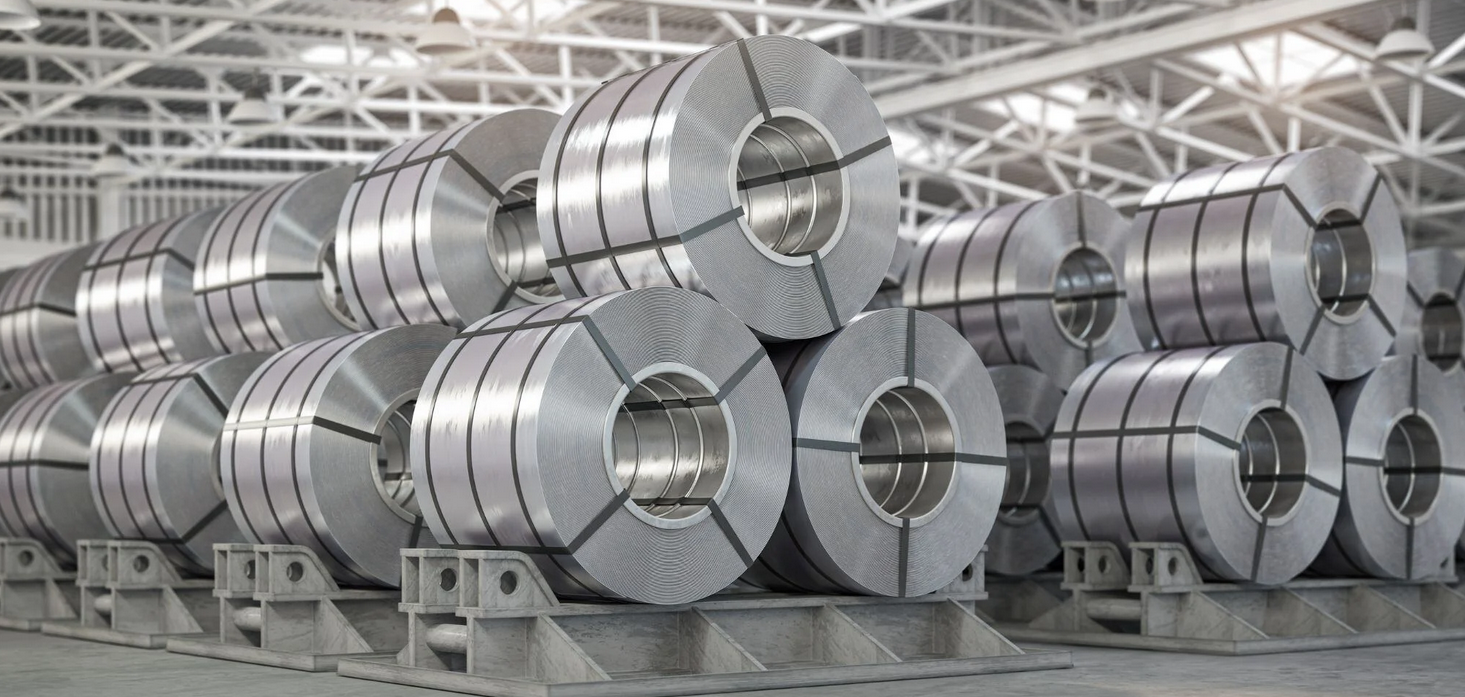

To truly understand the throughput gain, we need to look at the specific time savings at each stage. A manual process is a series of isolated events. An automated line is an orchestrated performance.
🕒 The Time-Saving Breakdown: Manual vs. Automatic
Let's compare a typical manual packing sequence for a steel coil to an automated line's operation.
| Packaging Step | Manual Process Time (Est.) | Automatic Line Process Time (Est.) | Key Advantage |
|---|---|---|---|
| Coil Positioning | 2-3 minutes (forklift/crane) | < 30 seconds (powered conveyor/roller table) | Continuous flow vs. intermittent handling. |
| Apply Edge Guards | 1-2 minutes per side | Integrated, simultaneous application | No walking/moving between tasks. |
| Apply Inner/Outer Wrap | 3-5 minutes (unroll, cut, secure) | 1-2 minutes (automatic film dispenser/cutter) | Consistent tension and speed. |
| Strapping | 2-4 minutes (position, tension, seal) | 1 minute or less (auto-fed strapping head) | Multiple straps applied in one pass. |
| Labeling & Weighing | 1-2 minutes (manual print/apply) | Integrated inline (automatic print/apply) | Zero data entry errors. |
| Total Cycle Time | 9-16 minutes | 3-5 minutes | ~70% Reduction |
This table shows a clear story. The automated system isn't just slightly faster; it compresses the timeline by eliminating the "dead time" between tasks. The coil never stops moving through the sequence. Furthermore, the consistency is absolute. The 10th coil of the day is packed exactly as fast and as well as the 100th. There is no performance drop-off due to fatigue. For a plant producing 50 coils per shift, this time saving translates to hours of recovered production capacity daily. Leaders in this technology, like Fengding, design their lines with this seamless integration as a core principle, ensuring each component communicates perfectly to maximize this flow efficiency.
2. What Role Does Precision Engineering Play in Minimizing Product Damage?
Product damage during packaging is a silent profit killer. A dented edge, a scratched surface, or a crushed inner wrap leads directly to customer rejection, claims, and rework. In manual handling, this damage often comes from inconsistent force—a forklift nudging a coil too hard, an edge protector applied crookedly, or a strap tensioned unevenly by hand. The human element, while adaptable, is inherently variable. Precision engineering in automatic lines replaces this variability with controlled, repeatable motion. Every action is measured, every force is calibrated, and every path is programmed to interact with the coil in the safest, most consistent way possible.
Precision engineering minimizes product damage by ensuring that every physical interaction with the coil—from lifting and rotating to applying pressure for strapping—is controlled by servo motors, guided by sensors, and executed within strict mechanical tolerances. This eliminates the guesswork and physical strain of manual handling, guaranteeing that protective materials are applied correctly and that securing forces are optimal, not excessive, thereby preserving the coil's integrity from the production line to the customer's site. (precision coil packaging machine, reduce steel coil edge damage)


The magic isn't just in having robots; it's in how they are designed to interact with the product. Let's examine the critical components where precision makes all the difference.
🔧 Critical Components for Damage Prevention
-
🔄 Coil Handling & Rotation Systems:
- The Problem: Manual rotation with bars or chains can slip, causing impact.
- The Precision Solution: Motorized V-type or cone-type rotators with adjustable speed and soft-start/stop controls. They cradle the coil, rotating it smoothly for wrapping and strapping without any sudden movements or metal-on-metal contact.
-
🛡️ Edge Protector Application:
- The Problem: Manual placement is often misaligned, leaving edges exposed.
- The Precision Solution: Automated applicator arms with optical sensors. They detect the coil's exact diameter and edge position, then apply cardboard or plastic protectors with perfect alignment and consistent pressure every single time.
-
📦 Strapping Process Control:
- The Problem: Hand-tensioned straps can be too loose (allowing movement) or too tight (deforming the coil).
- The Precision Solution: Servo-driven strapping heads with feedback-controlled tensioning. The system applies a pre-set, optimal tension force. This ensures the coil is securely held without any crushing force on the inner layers, a common issue with over-enthusiastic manual strapping.
This engineered approach transforms packaging from a potential source of defects into a guaranteed quality assurance step. Suppliers who understand metallurgy and coil behavior, such as Wuxi Buhui, build this material-specific knowledge into their machine logic, programming gentle yet firm handling protocols that protect the product's value.
3. How Does Automation Inherently Enhance Workplace Safety?
Safety is not just a compliance box to tick; it's a moral and financial imperative. The packaging area, with heavy coils, manual lifting, and repetitive motions, is a high-risk zone. The most common and severe incidents often involve musculoskeletal disorders from lifting, crush injuries during coil handling, or strains from manipulating heavy straps and tools. Automation addresses these risks at their root by physically removing the worker from the most dangerous tasks. The machine takes on the heavy lifting, the precise positioning, and the high-force applications. The operator's role shifts from physical labor to supervision and control, monitoring the system from a safe console.
Automation enhances workplace safety by performing the high-risk tasks of lifting, moving, and securing heavy coils, thereby eliminating the primary causes of back injuries, crush hazards, and repetitive strain disorders. It creates a physical barrier between workers and moving heavy loads, allows for operation from a safe control station, and incorporates multiple safety sensors (light curtains, emergency stops) that immediately halt the system if a person enters a danger zone. (improve safety in coil packaging, automated material handling safety)

The safety benefits are multi-layered, moving from direct hazard removal to creating a fundamentally safer work environment.
🛡️ The Multi-Layer Safety Framework of an Automatic Line
-
Layer 1: Hazard Elimination
- Manual Task Removed: Heavy lifting of edge protectors, strap coils, and manual tensioning tools.
- Automated Solution: All materials are fed from integrated dispensers. All force is applied by electric or pneumatic systems.
- Result: Zero injuries related to these specific, high-frequency tasks.
-
Layer 2: Hazard Substitution & Engineering Controls
- Manual Risk: Operators walking near moving coils on the floor.
- Automated Solution: The entire process is enclosed within a guarded work cell or defined by safety light curtains.
- Result: Unauthorized access into the machine cycle is physically prevented. The system stops if a beam is broken.
-
Layer 3: Administrative & Behavioral Change
- Manual Reality: Reliance on training, PPE (gloves, steel-toe boots), and worker vigilance.
- Automated Reality: The operator's primary job is to monitor machine status, load consumables, and perform quality checks from a control panel.
- Result: The cognitive load shifts from performing risky physical tasks to process oversight, reducing human error in safety-critical moments.
This structured approach doesn't just lower incident rates; it transforms the shop floor culture. It demonstrates a tangible commitment to worker well-being, which in turn boosts morale and reduces turnover. When evaluating a Steel Coil Packing Line, the robustness of its safety interlock system and the quality of its guarding are as important as its speed specifications.
4. Why is Choosing the Right Partner Crucial for Maximizing ROI?
Investing in an automatic packing line is a significant capital decision. The upfront cost is substantial, and the promised ROI hinges on the system performing reliably, day in and day out, in your specific environment. A machine that works perfectly in a demo room but fails under your plant's dust, vibration, or production pace is a financial disaster. This is where the supplier's role transcends that of a simple vendor. You need a partner who understands not just machinery, but your industry's pressures, your material's quirks, and the relentless demand of factory life. They must provide more than a manual; they must provide ongoing insight and support to ensure the machine becomes a true asset.
Choosing the right partner is crucial because they ensure the system is correctly specified for your coils (size, weight, material), seamlessly integrated into your existing workflow, and supported with readily available spare parts and expert service. A knowledgeable partner conducts a thorough site audit, designs a solution for your unique challenges, and provides training that empowers your team, turning the equipment purchase into a long-term productivity partnership that delivers and sustains the projected return on investment. (coil packing line ROI, packaging machinery supplier selection)
The difference between a vendor and a partner becomes clear across the entire lifecycle of the investment. Let's map this journey.
🗺️ The Partnership Journey: From Audit to Ongoing Optimization
graph TD
    A[Initial Plant Audit & Challenge Analysis] --> B(Customized Line Design & Proposal);
    B --> C{Your Investment Decision};
    C --> D[Factory Acceptance Test & Your Team Training];
    D --> E[Installation & Commissioning at Your Site];
    E --> F[Reliable Daily Operation & Production Data];
    F --> G{Periodic Partner Check-Ins};
    G --> H[Proactive Maintenance & Consumables Supply];
    H --> I[Continuous Optimization & Upgrade Advice];
    I --> F;
Stage 1: Deep-Dive Discovery (Pre-Purchase)
A true partner, like the experts at Fengding, will start by asking detailed questions and visiting your site. They don't just sell a standard model; they analyze your coil specs, plant layout, production rate, and future goals. This prevents the costly mistake of an under- or over-specified system.
Stage 2: Empowerment Through Training (At Delivery)
The handover is critical. Comprehensive training for your maintenance and operations teams is non-negotiable. A good partner ensures your people understand not just how to press "start," but how to perform basic troubleshooting, change consumables efficiently, and interpret machine diagnostics.
Stage 3: Lifeline Support (Post-Installation)
This is where trust is built. When a sensor fails or a software glitch appears, you need a responsive support team. Access to genuine spare parts and the ability to get a service engineer on the phone—or even provide remote diagnostics—minimizes downtime. Partners like Wuxi Buhui build their reputation on this responsive, reliable after-sales service, protecting your investment's uptime and your ROI.
Ultimately, the right partner views your success as their success. They are invested in seeing your line perform flawlessly, because that performance is the best advertisement for their expertise and the foundation for a long-term relationship.
Conclusion
Automatic coil packing lines are a definitive solution for managers seeking to break final-stage bottlenecks, guarantee product quality, and build a safer, more efficient plant. The investment, guided by the right expert partner, pays dividends in speed, accuracy, and peace of mind, solidifying your operational foundation. For a robust solution designed for heavy industry, explore the engineered reliability of a Steel Coil Packing Line.