

What Are the Key Features of a High-Quality Pallet Inverter?
Seeking to optimize your warehouse operations and enhance material handling efficiency? A high-quality pallet inverter is a game-changer. Key features to look for include robust construction, high load capacity, a precise clamping mechanism, a reliable hydraulic system, comprehensive safety features, user-friendly controls, customization options, and ease of maintenance. These elements ensure efficiency, minimize product damage, reduce workplace injuries, and contribute to a streamlined, productive environment.

The Cornerstone of Efficient Material Handling: Pallet Inverters
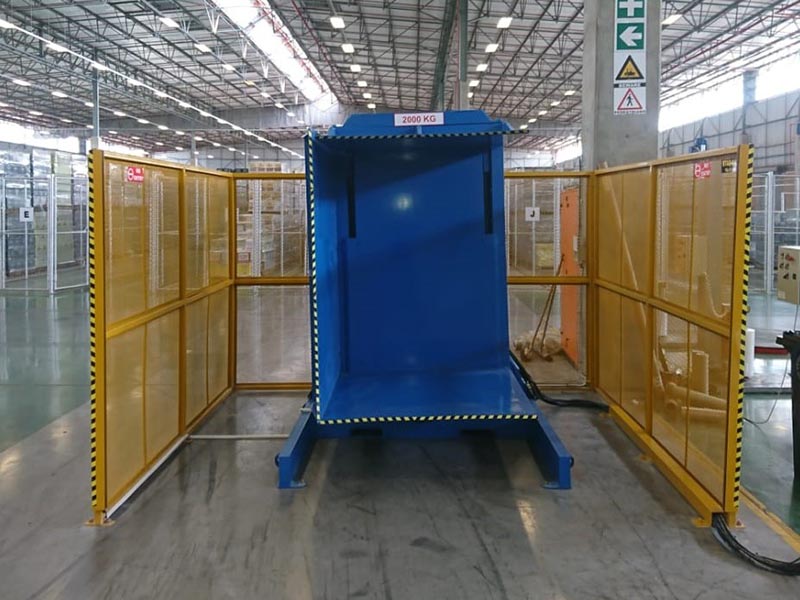
In today's fast-paced industrial landscape, optimizing material handling processes is paramount for businesses striving for peak efficiency and profitability. Pallet inverters stand out as essential equipment, revolutionizing how warehouses and production facilities manage palletized goods. These specialized machines are designed to safely and swiftly rotate or invert entire pallet loads, eliminating the cumbersome and risky manual handling of heavy items. By streamlining pallet management, high-quality inverters not only boost operational speed but also significantly reduce product damage and workplace injuries, fostering a safer and more productive environment. Investing in a top-tier pallet inverter is a strategic move towards achieving operational excellence.

Key Features Defining a High-Quality Pallet Inverter
When selecting a pallet inverter, focusing on key features is crucial to ensure you're investing in equipment that delivers long-term value and efficiency. A high-quality pallet inverter is not merely a machine; it's a robust solution engineered to withstand demanding industrial environments and optimize material handling workflows. Here are the critical features to consider:
Robust Construction and Industrial-Grade Durability
The foundation of any high-quality pallet inverter lies in its robust construction. Industrial-grade inverters are built with heavy-duty steel frames designed to endure constant use and heavy loads. This sturdy framework ensures stability during operation and contributes to the machine's longevity, providing a reliable solution for years to come. Look for inverters constructed from materials like stainless steel for enhanced durability and resistance to corrosion, particularly beneficial in industries with stringent hygiene standards like food and pharmaceuticals.

High Load Capacity for Diverse Applications
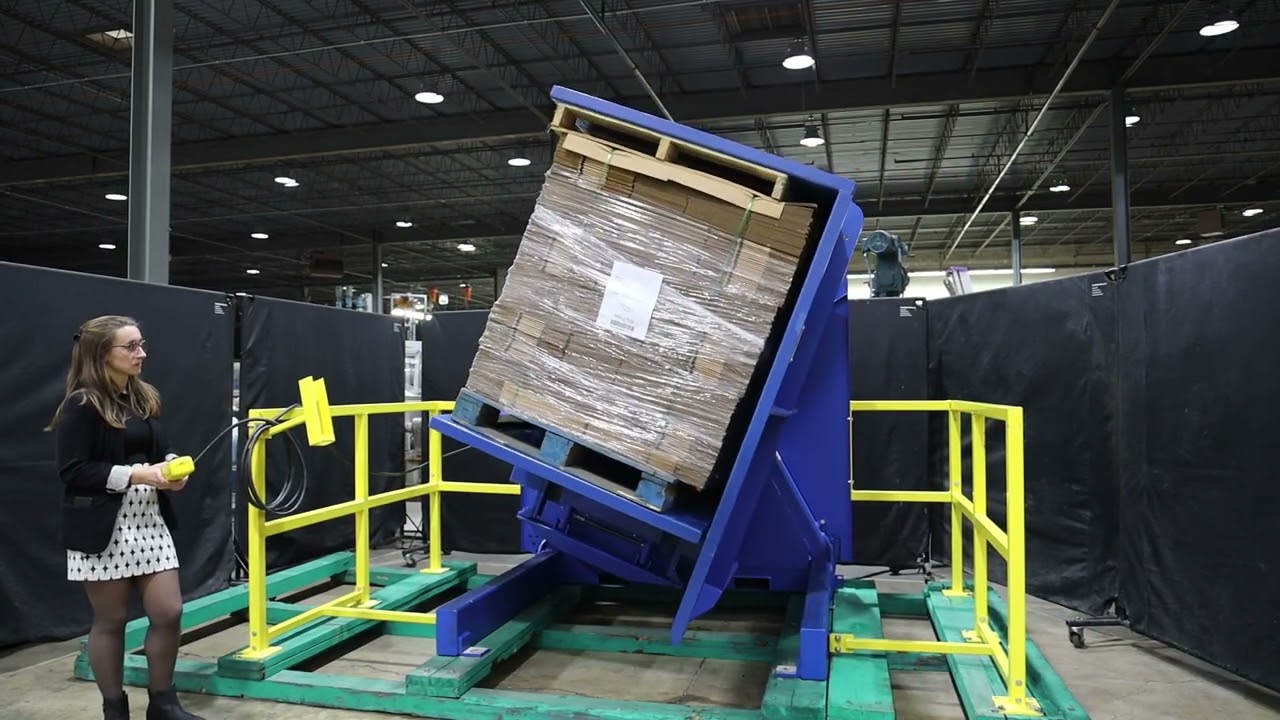
A key differentiator of a high-quality pallet inverter is its ability to handle significant weight. Industrial applications often involve heavy and densely packed pallets, and the inverter must be capable of managing these loads safely and efficiently. High-capacity inverters are available in various models, accommodating loads ranging from a few thousand pounds to tens of thousands of pounds. Selecting a model with the appropriate load capacity ensures versatility and adaptability to handle the diverse range of products and materials within your operation.
Efficient and Precise Clamping Mechanism
The clamping mechanism is the heart of a pallet inverter, responsible for securely holding the pallet load during inversion. A high-quality inverter will feature a robust and precisely engineered clamping system that can accommodate various pallet sizes and load configurations. Adjustable clamp pressure settings are essential, allowing operators to handle both sturdy and delicate products with confidence. This ensures the load remains stable and secure throughout the rotation process, minimizing the risk of product damage and ensuring operational safety.
Reliable and Smooth Hydraulic System
The hydraulic system powers the inversion process, and its reliability is paramount for consistent and efficient operation. High-quality pallet inverters utilize advanced hydraulic systems designed for smooth, controlled movements and long-term durability. These systems ensure precise rotation and flipping, minimizing jarring and potential damage to the load. Energy-efficient hydraulic systems are also a desirable feature, contributing to lower operational costs and a reduced environmental footprint.
Comprehensive Safety Features for Operator Protection
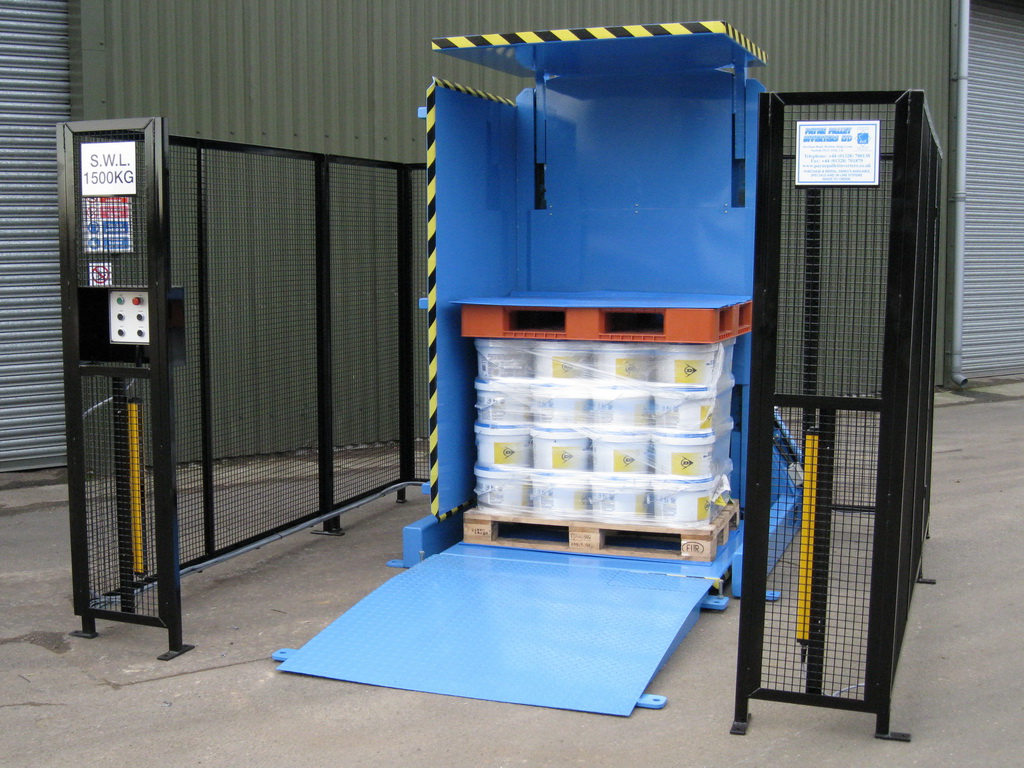
Safety is non-negotiable in any industrial setting. A high-quality pallet inverter prioritizes operator safety through a range of integrated features. These may include safety fences or guarding to prevent unauthorized access during operation, emergency stop buttons for immediate halt in critical situations, light curtains or laser scanners to detect obstructions, and operator protection devices to ensure safe interaction with the machine. These features collectively create a secure working environment and mitigate the risk of accidents and injuries.
User-Friendly Controls and Ease of Operation
Efficiency is enhanced by ease of use. High-quality pallet inverters are designed with user-friendly controls and intuitive interfaces, enabling operators to learn and operate the equipment quickly and efficiently. Simple push-button controls, pendant controls, and even wireless remote options can streamline operation. Easy-to-understand controls minimize operator error, reduce training time, and contribute to faster cycle times, maximizing productivity.
Customization and Versatility for Specific Needs
Operational needs vary across industries and facilities. High-quality pallet inverter manufacturers offer customization options to tailor the equipment to specific requirements. This can include adjustable clamp ranges for varying load dimensions, different platform sizes, integration with conveyors for automated loading and unloading, and customizable PLC-controlled automatic cycles. Versatility is also reflected in the availability of both stationary and portable models, allowing businesses to choose the best configuration for their space and workflow.
Low Maintenance and Readily Available Service Support
Downtime can be costly in any operation. High-quality pallet inverters are built for durability and require minimal maintenance. However, when maintenance is needed, access to reliable service and readily available spare parts is crucial. Choosing a reputable manufacturer that offers comprehensive service support, including routine maintenance, repairs, and access to spare parts, ensures the long-term reliability and uptime of your pallet inverter investment.
Exploring Different Types of Pallet Inverters
The market offers various types of pallet inverters, each designed to cater to specific operational needs and environments. Understanding these types is essential for making an informed decision:

Stationary Pallet Inverters: Robust and High-Capacity
Stationary pallet inverters are designed for fixed locations within a facility, offering robust performance and high load capacities. They are ideal for operations with dedicated inversion areas and high-volume pallet handling requirements.
- Features and Benefits: High load capacity, enhanced efficiency for repetitive tasks, customizable for specific pallet sizes, improved safety due to stable, fixed operation.
- Common Applications: Food and beverage industry, pharmaceutical manufacturing, large-scale distribution centers, heavy manufacturing.
Portable Pallet Inverters: Flexible and Space-Optimizing
Portable pallet inverters offer mobility and flexibility, equipped with wheels or casters for easy relocation. They are advantageous for facilities where pallet inversion is needed in various locations or where space optimization is a priority.
- Features and Benefits: Mobility and versatility to serve multiple areas, space optimization by eliminating dedicated inversion zones, quick and easy operation, cost-effective for lower volume applications.
- Common Applications: Retail backrooms, smaller warehouses, freight and logistics companies, businesses with fluctuating inversion needs.
Selecting the Right Pallet Inverter for Your Application
Choosing the optimal pallet inverter involves careful consideration of several factors specific to your operational context:
Load Capacity and Size Considerations
Accurately assess the weight and dimensions of the loads you will be handling. Determine the maximum weight and size of your pallet loads to ensure the selected inverter can safely and efficiently accommodate them. Consider future needs and potential variations in load sizes.
Operating Requirements and Safety Features
Evaluate your specific operational needs, including the type of products being handled (fragile, robust, temperature-sensitive), the frequency of inversion, and any industry-specific safety regulations. Prioritize safety features that align with your workplace safety protocols and the nature of your goods.
Integration with Forklifts and Material Handling Equipment
Ensure seamless integration with your existing material handling equipment, particularly forklifts. Verify compatibility in terms of loading and unloading processes and overall workflow integration. Consider whether you need manual loading or automated conveyor integration.
Energy Efficiency and Automation Features
For long-term cost savings and sustainability, consider energy-efficient models. Explore automation features like programmable controls and pre-set cycles to enhance efficiency and reduce manual operation, especially for high-volume applications.
Buying vs. Renting Pallet Inverters: Making the Economical Choice
The decision to buy or rent a pallet inverter depends on your operational needs and financial considerations:
Factors to Consider Before Purchase
- Long-term Need: If pallet inversion is a continuous, core operational requirement, buying is generally more cost-effective in the long run.
- Budget: Consider the capital expenditure and compare it to the long-term benefits and ROI.
- Maintenance and Service: Factor in maintenance costs and the availability of service support when owning equipment.
Advantages of Renting a Pallet Inverter
- Short-term Needs: Renting is ideal for temporary projects, seasonal peaks, or short-term trials.
- Cost Savings: Eliminates upfront capital investment, reducing initial expenses.
- Flexibility: Allows access to advanced equipment without long-term commitment.
- Maintenance Included: Rental agreements often cover maintenance and support, simplifying equipment management.
Making the Right Choice
Analyze your operational frequency, budget, and long-term needs to determine whether buying or renting best aligns with your business objectives. For consistent, long-term use, purchasing is typically more economical. For short-term or fluctuating needs, renting offers flexibility and reduced upfront costs.
Conclusion: Investing in Quality for Long-Term Efficiency
A high-quality pallet inverter is more than just a machine; it's a strategic investment that significantly enhances material handling efficiency, safety, and overall productivity within industrial operations. By prioritizing key features such as robust construction, high load capacity, precise clamping, reliable hydraulics, comprehensive safety measures, user-friendly controls, customization, and ease of maintenance, businesses can ensure they are selecting equipment that delivers long-term value and a strong return on investment. Whether you choose a stationary or portable model, buying or renting, selecting a pallet inverter with these key features is a crucial step towards optimizing your warehouse and achieving operational excellence.