

What Are the Key Benefits of Using a Coil Wrapping Machine?
Are you tired of inconsistent, time-consuming, and labor-intensive coil wrapping processes? Imagine a solution that not only streamlines your packaging but also significantly boosts productivity and reduces costs. Coil wrapping machines are revolutionizing packaging lines across industries, offering a compelling alternative to manual methods. But what exactly makes them so beneficial?
Coil wrapping machines offer a multitude of key benefits, including enhanced productivity through automation, consistent and high-quality wrapping, reduced material waste, improved worker safety, and significant cost savings in labor and materials. These advantages contribute to a faster, more efficient, and more reliable packaging operation.
If you're seeking to optimize your packaging process, reduce operational costs, and ensure the safe and secure wrapping of coil products, then delving into the advantages of coil wrapping machines is crucial. Let’s unwrap the key benefits and explore how these machines can transform your packaging operations.
Enhanced Productivity and Efficiency with Automated Coil Wrapping
In today's fast-paced manufacturing environment, maximizing productivity is paramount. Manual coil wrapping simply can't keep up with the demands of high-volume production. This is where automated solutions step in to redefine efficiency.
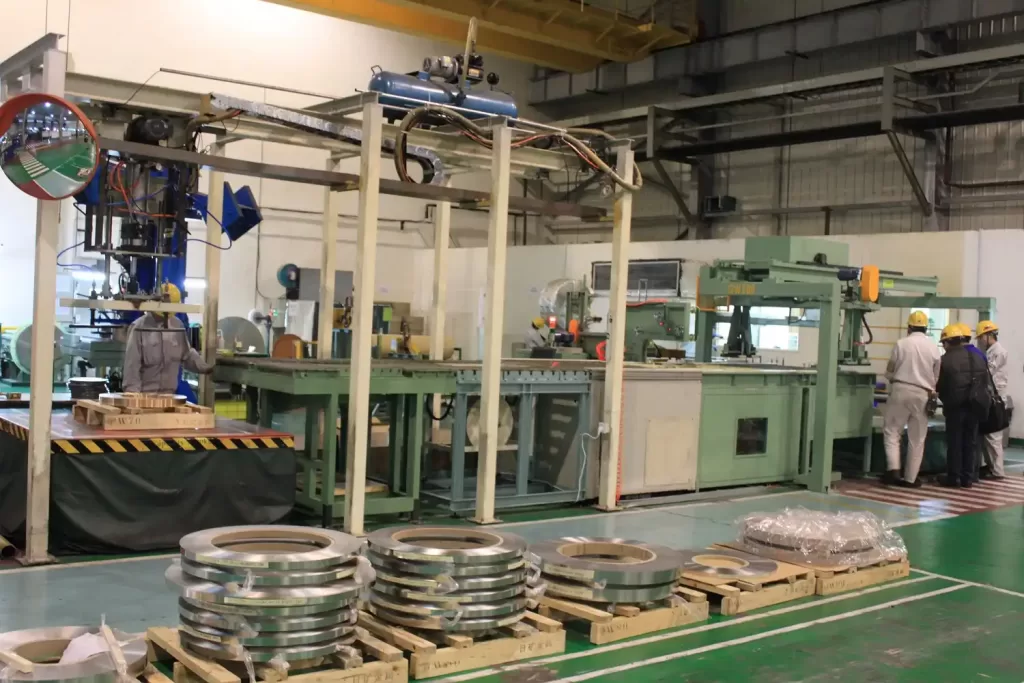
Automated coil wrapping machines drastically increase packaging speed and throughput compared to manual methods. By automating repetitive tasks, these machines ensure consistent operation, minimize downtime, and allow production lines to run at optimal capacity, leading to significant gains in overall productivity.

Diving Deeper: Quantifying the Productivity Boost
To truly appreciate the impact of automated coil wrapping, let's break down the factors that contribute to its superior productivity and compare it with manual methods. The efficiency gains are not just incremental; they represent a fundamental shift in operational capability.
Speed and Throughput Analysis
The core advantage of automation lies in speed. Machines operate at consistent, high speeds without fatigue, unlike human workers. Consider a scenario where you need to wrap 1000 coils.
| Task | Manual Wrapping (Estimated) | Automated Coil Wrapping | Productivity Increase |
|---|---|---|---|
| Coils Wrapped per Hour | 20 | 100+ | 5x or more |
| Labor Hours for 1000 Coils | 50 hours | 10 hours or less | 80% reduction |
| Potential Downtime (Errors) | High | Low | Significant Reduction |
As the table illustrates, the sheer speed of automated systems translates to a dramatic reduction in the time required to package the same volume of product. This speed advantage becomes even more critical during peak seasons or when dealing with large orders.
Consistent Operation and Reduced Downtime
Manual wrapping is prone to inconsistencies due to worker fatigue, varying skill levels, and human error. Automated systems, on the other hand, operate with pre-programmed precision. This consistency minimizes errors, reduces rework, and significantly decreases downtime. Bottlenecks in the packaging process, often caused by manual wrapping limitations, are effectively eliminated.
Optimized Production Line Flow
Automated coil wrapping machines can be seamlessly integrated into existing production lines. This integration ensures a smooth and continuous flow of products from manufacturing to packaging, eliminating delays and optimizing the overall workflow. By maintaining a consistent pace in the packaging stage, companies can fully utilize their production machinery's capacity.
In conclusion, the enhanced productivity offered by coil wrapping machines is not just about speed; it's about creating a more reliable, consistent, and efficient packaging operation that can handle high volumes, reduce errors, and optimize the entire production line. This leads to significant time savings, reduced labor costs, and a greater capacity to meet market demands.
Consistent and High-Quality Wrapping for Product Protection
Beyond speed, the quality of packaging directly impacts product protection and presentation. Manual wrapping often leads to inconsistent film tension, uneven overlaps, and inadequate sealing, jeopardizing product integrity during transit and storage.
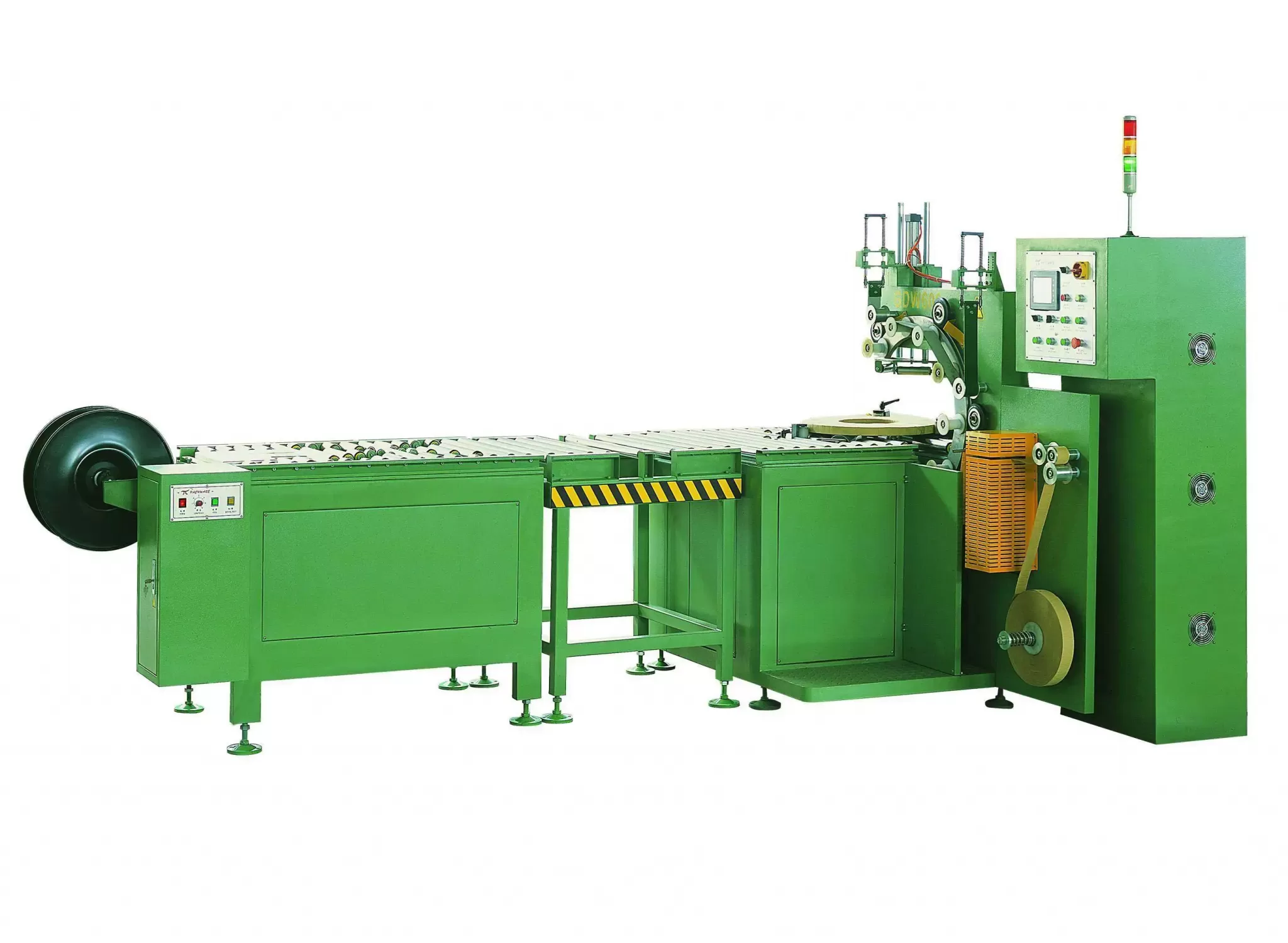
Coil wrapping machines guarantee consistent and uniform wrapping quality every time. They apply precise film tension and overlap, ensuring secure containment and optimal protection against dust, moisture, and damage during handling and transportation. This consistent quality enhances product presentation and reduces the risk of damage.

Diving Deeper: The Science of Superior Wrap Quality
The superior wrap quality achieved by automated coil wrapping machines is not accidental; it's a result of precise engineering and controlled processes. Let's dissect the key elements that contribute to this enhanced quality and understand why it matters.
Controlled Film Tension and Overlap
One of the most critical aspects of effective coil wrapping is maintaining consistent film tension. Manual wrapping relies on the operator's judgment, which can vary significantly, leading to either under-tensioned wraps (loose and ineffective) or over-tensioned wraps (potentially damaging the product or film). Coil wrapping machines utilize adjustable tension controls to apply the ideal amount of stretch to the film, ensuring a tight, secure wrap without compromising product integrity.
Similarly, consistent film overlap is crucial for creating a robust and sealed package. Automated machines are programmed to apply precise overlaps, creating multiple layers of protection exactly where needed. This level of precision is difficult to achieve manually, often resulting in gaps or uneven layers in hand-wrapped coils.
Enhanced Product Protection
The consistent tension and overlap provided by coil wrapping machines translate directly into superior product protection. A tightly wrapped coil is less susceptible to:
- Dust and Moisture: Consistent wrapping creates a barrier against environmental contaminants, preserving product cleanliness and preventing corrosion.
- Physical Damage: Secure wrapping cushions the coil against shocks and vibrations during transit, minimizing scratches, dents, and other physical damage.
- Tampering: Uniform and tight wrapping makes it evident if the package has been tampered with, enhancing security and product integrity.
- UV Degradation: Depending on the film used, coil wrapping can also provide a degree of UV protection, especially important for products stored outdoors.
Improved Presentation and Brand Image
Consistent, high-quality wrapping not only protects the product but also significantly enhances its presentation. Neatly wrapped coils look professional and well-cared for, projecting a positive brand image to customers. This is particularly important for products displayed in retail environments or when delivering to discerning clients. In contrast, manually wrapped coils can appear unprofessional and inconsistent, potentially detracting from the perceived value of the product.
In essence, the consistent and high-quality wrapping offered by automated coil wrapping machines is a multifaceted benefit. It directly translates to superior product protection, reduced damage rates, enhanced product presentation, and a stronger brand image – all contributing to greater customer satisfaction and reduced losses.
Reduced Material Waste and Cost Savings
In today's business climate, minimizing waste and maximizing resource utilization are not just environmentally responsible practices; they are critical for profitability. Manual wrapping is notoriously wasteful, often using excessive film due to inconsistent application and overlaps.
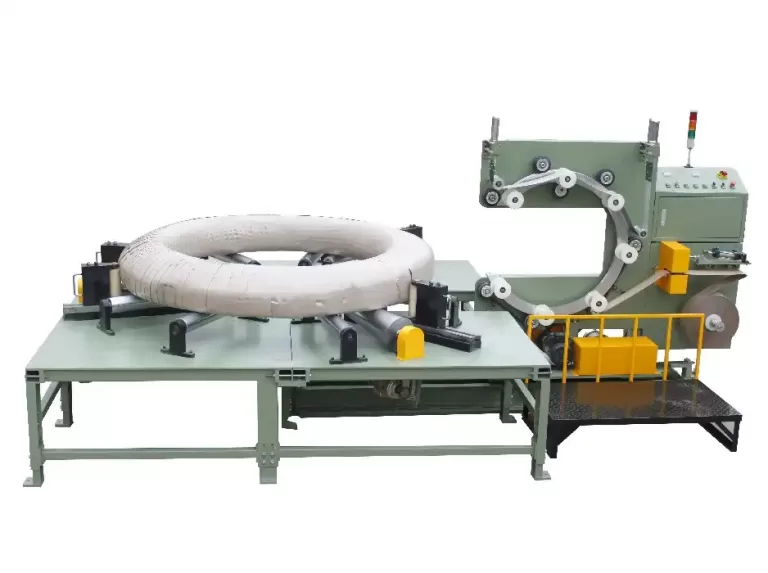
Coil wrapping machines optimize film usage, significantly reducing material waste compared to manual wrapping. Precise film application, adjustable stretch ratios, and consistent wrapping patterns ensure that only the necessary amount of film is used, leading to substantial cost savings on packaging materials over time. This efficiency also contributes to more sustainable operations.

Diving Deeper: Unpacking the Economics of Film Efficiency
The cost savings associated with reduced material waste from coil wrapping machines can be substantial. Let's delve into the factors that contribute to this economic advantage and quantify the potential savings.
Optimized Film Usage Through Precision
Coil wrapping machines are designed to apply film with precision, minimizing unnecessary overlaps and film extensions. Manual wrapping often involves guesswork and overcompensation, leading to excessive film usage. Automated systems, on the other hand, are programmed to dispense and stretch film optimally for each coil size and shape.
Adjustable Stretch Ratios for Maximum Yield
Modern coil wrapping machines offer adjustable stretch ratios. This feature allows operators to pre-stretch the film to its maximum yield point without compromising its integrity. By stretching the film effectively, a longer length of film is obtained from each roll, significantly reducing the amount of film consumed per coil wrapped. Manual stretching is inconsistent and rarely achieves the same level of efficiency.
Consistent Wrapping Patterns and Reduced Rework
Consistent wrapping patterns, programmed into the machine, ensure that film is applied uniformly and efficiently across all coils. This consistency eliminates the need for rework due to inadequate wrapping or material wastage from inconsistent manual application. Reduced rework directly translates to further savings in both film and labor.
Quantifying Material Savings
Let's consider a hypothetical example to illustrate the potential cost savings. Assume a company manually wraps 10,000 coils per month, using an average of 500 grams of stretch film per coil. An automated coil wrapping machine, through optimized film usage, reduces film consumption by 20%.
| Metric | Manual Wrapping | Automated Wrapping | Savings |
|---|---|---|---|
| Film per Coil | 500 grams | 400 grams | 100 grams/coil |
| Total Film per Month (10,000 Coils) | 5,000 kg | 4,000 kg | 1,000 kg |
| Annual Film Savings (12 Months) | 60,000 kg | - | 12,000 kg |
| Estimated Cost Savings (Film at $2/kg) | $120,000 | - | $24,000 per year |
Note: These figures are for illustrative purposes only and actual savings may vary based on specific operational factors, film costs, and machine efficiency.
As the example demonstrates, even a modest reduction in film consumption per coil can accumulate into significant cost savings over time, especially for high-volume operations. Furthermore, reduced film usage translates to lower storage costs for film rolls and reduced waste disposal costs, adding to the overall economic benefits. The environmental impact of using less plastic film is also a significant advantage in today’s sustainability-focused world.
Enhanced Worker Safety and Reduced Risk of Injury
Manual coil wrapping is a physically demanding and repetitive task. Workers are exposed to risks of repetitive strain injuries, cuts from sharp film edges, and back injuries from lifting and handling heavy coils.
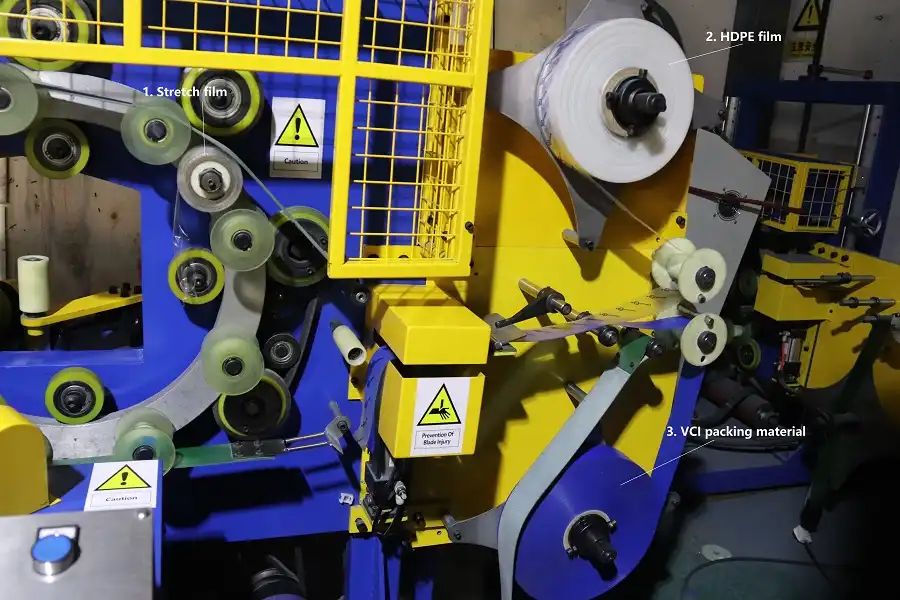
Coil wrapping machines significantly improve workplace safety by automating the physically demanding and repetitive aspects of coil packaging. This reduces the risk of repetitive strain injuries, minimizes the potential for cuts and abrasions, and eliminates the need for manual lifting and awkward postures, creating a safer working environment for employees.

Diving Deeper: Prioritizing Employee Well-being and Safety Compliance
Worker safety is not just a moral imperative; it's a legal and economic necessity. Injuries lead to lost productivity, compensation claims, and potential regulatory fines. Coil wrapping machines play a crucial role in mitigating these risks and fostering a safer work environment.
Mitigation of Repetitive Strain Injuries (RSIs)
Manual coil wrapping involves highly repetitive motions – reaching, bending, twisting, and pulling film. These repetitive actions, performed over extended periods, are major contributors to RSIs like carpal tunnel syndrome, tendonitis, and back pain. Coil wrapping machines eliminate these repetitive motions for workers, significantly reducing the risk of developing RSIs. Employees can be reassigned to more varied and ergonomically sound tasks, improving job satisfaction and reducing absenteeism due to injury.
Reduced Risk of Cuts and Abrasions
Sharp edges of stretch film pose a constant risk of cuts and abrasions in manual wrapping operations. Automated machines handle the film dispensing and cutting processes, eliminating direct contact with sharp film edges for operators during the primary wrapping cycle. While film roll changes and maintenance may still involve some film handling, the overall exposure to cut risks is dramatically reduced.
Elimination of Manual Lifting and Awkward Postures
Heavy coils often require awkward lifting and maneuvering during manual wrapping. This can lead to back strains, sprains, and other musculoskeletal injuries. Many coil wrapping machines are designed to handle coils directly on conveyors or turntables, eliminating or significantly reducing the need for manual lifting. Operators can control the wrapping process from a safe and ergonomic position, further minimizing physical strain.
Compliance and Legal Considerations
Workplace safety regulations are becoming increasingly stringent globally. Investing in automated coil wrapping demonstrates a commitment to employee safety and helps companies comply with regulations related to ergonomics, repetitive motion, and workplace hazards. Compliance not only avoids potential fines and legal issues but also enhances the company's reputation as a responsible and employee-centric organization.
Creating a Positive Safety Culture
Implementing coil wrapping machines sends a clear message to employees that their well-being is a priority. This fosters a positive safety culture, encouraging employees to be more safety-conscious in all aspects of their work. A safer work environment leads to improved morale, reduced employee turnover, and a more productive workforce overall. Investing in safety is an investment in the long-term health and success of the company and its employees.
Versatility and Adaptability to Various Coil Sizes and Types
Businesses often handle a diverse range of coil sizes and product types. Manual wrapping struggles to efficiently adapt to these variations, requiring significant setup time and adjustments for each changeover.

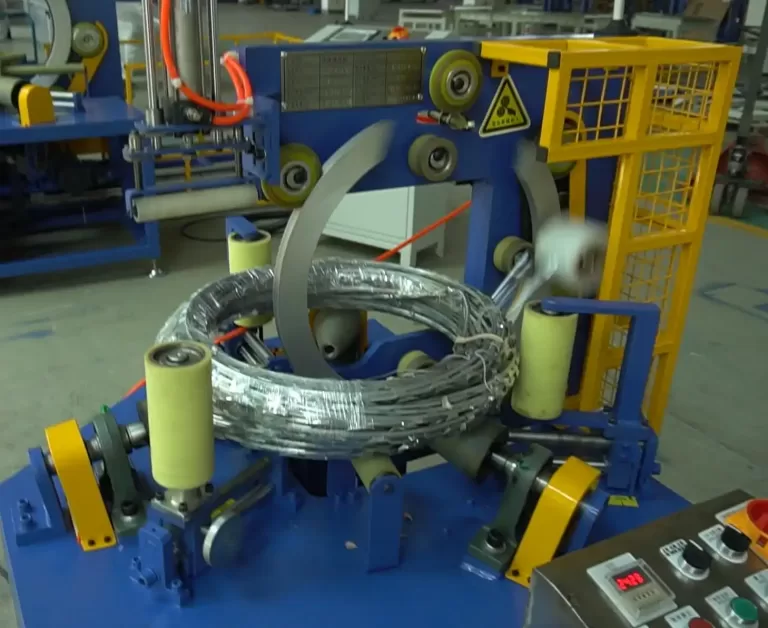
Coil wrapping machines are designed to handle a wide variety of coil sizes, shapes, and materials. Adjustable settings and features allow for quick and easy changeovers between different coil types, providing flexibility and adaptability to diverse packaging needs. This versatility makes them suitable for businesses with varied product lines.
Coil wrapping machines are versatile packaging solutions capable of handling diverse coil dimensions and materials. Their adjustable settings and adaptable designs accommodate various coil sizes, weights, and shapes, ensuring efficient and secure wrapping for different product specifications. This flexibility makes them ideal for businesses dealing with varied coil types and packaging requirements.
Diving Deeper: Tailoring Automation to Diverse Packaging Needs
The adaptability of coil wrapping machines is a significant advantage, particularly for businesses that manufacture or handle a wide range of coil products. Let's explore the features and design aspects that contribute to this versatility.
Adjustable Wrapping Parameters
Modern coil wrapping machines are equipped with programmable logic controllers (PLCs) and human-machine interfaces (HMIs). These control systems allow operators to easily adjust a wide range of wrapping parameters, including:
- Film Tension: Adjustable tension settings accommodate different film types and product sensitivities. Delicate coils require lower tension, while heavier, more robust coils can withstand higher tension for a tighter wrap.
- Overlap Percentage: The amount of film overlap can be adjusted based on the required level of protection and product characteristics. Higher overlaps provide greater sealing and protection but consume more film.
- Wrapping Speed: Adjustable wrapping speeds allow for optimization based on coil size, weight, and product stability.
- Number of Wraps: The number of film layers applied can be customized to provide the necessary level of containment and protection for different products and transportation conditions.
- Coil Size and Shape Accommodation: Many machines can handle a range of coil diameters, widths, and even irregular shapes through adjustable rollers, centering devices, and customized wrapping programs.
Horizontal and Vertical Configurations
Coil wrapping machines are available in both horizontal and vertical configurations, further enhancing their versatility.
- Horizontal Coil Wrapping Machines: Ideal for long, cylindrical coils like pipes, tubes, and wire coils. The coil is typically placed horizontally on rollers and rotated during the wrapping process.
- Vertical Coil Wrapping Machines: Suited for eye-vertical coils, such as bearings, tire coils, and smaller diameter coils. The coil stands vertically on a turntable and rotates while the wrapping ring moves vertically.
The choice between horizontal and vertical configurations depends on the primary coil types being packaged and the available floor space. Having both options available allows businesses to select the best fit for their specific product mix.
Customization and Modular Design
Many coil wrapping machine manufacturers offer customization options and modular designs. This allows businesses to tailor machines to their specific needs and integrate them seamlessly into existing production lines. Customization can include features like:
- Automatic Coil Feeding and Discharge Systems: For fully automated operation and integration with upstream and downstream processes.
- Specialized Clamping or Support Mechanisms: To handle нестандартные coil shapes or delicate products.
- Different Film Carriage Systems: To accommodate various film roll sizes and types.
- Integration with Labeling or Strapping Systems: For complete end-of-line packaging solutions.
The versatility and adaptability of coil wrapping machines ensure that businesses can efficiently and effectively package a wide range of coil products with a single machine or a tailored system. This reduces the need for multiple specialized machines, saving space, capital investment, and operational complexity.
Conclusion
Investing in a coil wrapping machine offers a transformative upgrade to packaging operations. From boosting productivity and ensuring consistent quality to reducing waste, enhancing safety, and providing versatility, the benefits are substantial and far-reaching. By automating coil packaging, businesses can achieve significant cost savings, improve product protection, and create a more efficient and safer workplace. For companies seeking to optimize their packaging processes and gain a competitive edge, packaging automation with coil wrapping technology is a strategic and rewarding investment.