


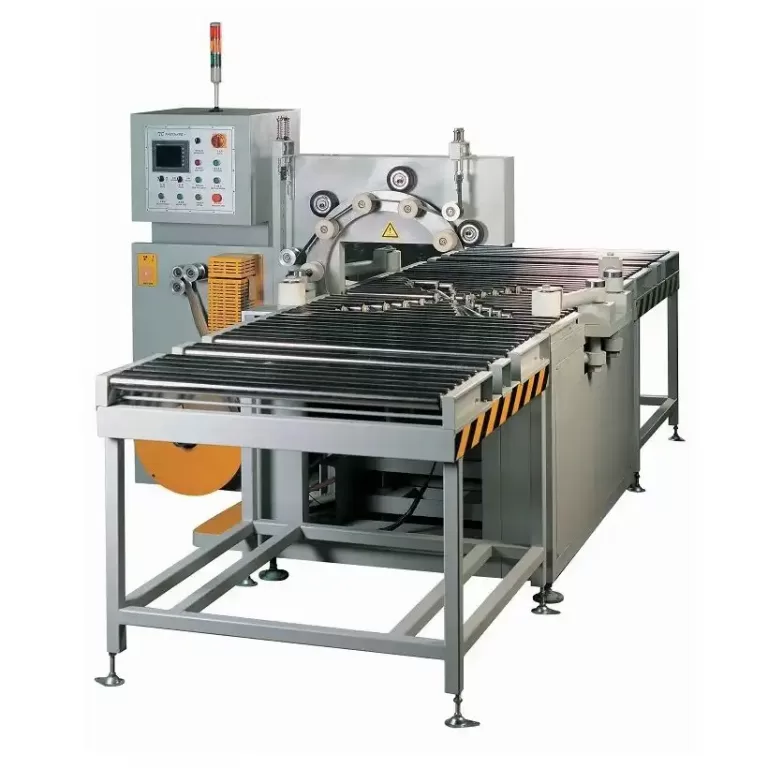
What Are the Environmental Benefits of Coil Wrapping Machines?
Coil wrapping machines offer significant environmental benefits by reducing energy consumption, minimizing material waste, and promoting sustainable manufacturing practices. These machines optimize resource utilization, decrease carbon footprints, and contribute to a greener future by ensuring efficient packaging processes with less environmental impact compared to traditional methods.
In an era where environmental consciousness is paramount, industries are increasingly seeking solutions that not only enhance operational efficiency but also minimize ecological impact. Coil wrapping machines are emerging as a pivotal technology in this transition, offering a compelling blend of economic and environmental advantages. As businesses grapple with rising energy costs and mounting pressure to adopt sustainable practices, understanding the environmental benefits of coil wrapping machines becomes crucial. This article delves into the specific ways these machines contribute to a greener manufacturing landscape.
Reduced Energy Consumption: Powering a Sustainable Future
One of the most significant environmental benefits of modern coil wrapping machines lies in their energy efficiency. Traditional packaging methods and older machinery often consume substantial amounts of energy, contributing to higher operational costs and a larger carbon footprint. Energy-efficient coil packers, however, are engineered to minimize energy usage without compromising performance.
These advanced machines incorporate several design and technological features that contribute to reduced energy consumption:
- Optimized Motors and Drives: Modern coil wrapping machines utilize energy-efficient electric motors and variable frequency drives (VFDs). VFDs allow motors to operate at optimal speeds based on real-time demand, reducing unnecessary energy consumption during periods of lower throughput.
- Smart Control Systems: Intelligent control systems, often incorporating programmable logic controllers (PLCs), precisely manage machine operations. These systems optimize wrapping cycles, minimize idle time, and ensure that energy is used only when and where it is needed.
- Lightweight and Efficient Components: The use of lighter yet durable materials in machine construction reduces the energy required to move and operate machine parts. This optimization extends to components like wrapping rings and film delivery systems.
-
Regenerative Braking: Some advanced coil wrapping machines incorporate regenerative braking systems. These systems capture the kinetic energy generated during braking and convert it back into electrical energy, which can be reused by the machine or fed back into the power grid, further enhancing energy efficiency.
The cumulative effect of these energy-saving features is substantial. Consider the following comparison between a traditional coil wrapping machine and an energy-efficient model:Feature Traditional Machine Energy-Efficient Machine Environmental Benefit Motor Efficiency Standard Efficiency High Efficiency Lower energy consumption, reduced carbon emissions
| Drive System | Fixed Speed | Variable Frequency Drive | Optimized energy use based on demand, less energy waste |
| Control System | Basic Mechanical | Advanced PLC | Precise operation, minimal energy wastage during idle periods |
| Component Weight | Heavier | Lighter | Less energy to operate moving parts |
| Braking System | Standard Braking | Regenerative Braking | Energy recapture, further reduction in energy consumption |
By significantly reducing energy consumption, coil wrapping machines directly contribute to lowering the carbon footprint of manufacturing operations. This reduction in energy demand translates to less reliance on fossil fuels, decreased greenhouse gas emissions, and a step towards mitigating climate change.
Minimizing Waste: Resource Efficiency and Circular Economy
Beyond energy efficiency, coil wrapping machines offer substantial environmental benefits through waste reduction. Traditional packaging processes often generate significant amounts of waste, including packaging materials, product damage, and material scrap. Modern coil wrapping technology is designed to minimize waste across various aspects of the packaging process.
- Optimized Material Usage: Coil wrapping machines are engineered to use the precise amount of wrapping material needed for each coil. Advanced tension control systems and accurate film delivery mechanisms prevent over-wrapping, reducing unnecessary material consumption. This optimized usage directly translates to lower material costs and reduced waste generation.
- Reduced Product Damage: Consistent and secure wrapping provided by these machines minimizes product damage during handling, storage, and transportation. By protecting coils from moisture, dust, and physical impacts, coil wrapping machines reduce the likelihood of products becoming unsaleable due to damage. This reduction in product loss directly conserves the resources and energy that went into manufacturing those products.
- Recyclable and Sustainable Materials: Many modern coil wrapping machines are compatible with a wide range of wrapping materials, including recyclable and biodegradable films. The ability to use more sustainable packaging materials further reduces the environmental footprint of the packaging process. Businesses can choose materials that align with circular economy principles, promoting recycling and reducing landfill waste.
-
Scrap Reduction: In processes involving slitting or cutting coils, coil wrapping machines can be integrated to efficiently handle and package the resulting smaller coils and scrap material. This efficient handling minimizes material loss and facilitates the recycling of any unavoidable scrap, turning potential waste into a valuable resource.
The following table illustrates the waste reduction benefits of coil wrapping machines compared to manual wrapping methods:Waste Category Manual Wrapping Coil Wrapping Machine Environmental Benefit
| Wrapping Material Usage | Often excessive, inconsistent | Optimized, consistent | Reduced material consumption, less packaging waste |
| Product Damage | Higher risk due to uneven wrapping | Lower risk due to consistent, secure wrapping | Fewer product losses, conservation of resources |
| Material Scrap | Potential for higher scrap | Minimized through efficient handling | Reduced material waste, potential for recycling |
| Material Type | Limited sustainable options | Wider range, including recyclables | Option to use more environmentally friendly materials |
By minimizing waste in material usage, product damage, and facilitating the use of recyclable materials, coil wrapping machines contribute to a more resource-efficient and circular economy. This focus on waste reduction not only benefits the environment but also enhances the economic sustainability of businesses by lowering material costs and reducing disposal expenses.
Promoting Sustainable Manufacturing Practices: A Holistic Approach
The environmental benefits of coil wrapping machines extend beyond energy efficiency and waste reduction. These machines play a crucial role in promoting broader sustainable manufacturing practices within industries that handle coils.
- Reduced Emissions: As discussed earlier, lower energy consumption directly translates to reduced greenhouse gas emissions. Furthermore, by optimizing material usage and reducing product damage, coil wrapping machines contribute to a decrease in the overall environmental impact of the entire manufacturing lifecycle, from raw material extraction to finished product delivery.
- Compliance with Environmental Regulations: Growing environmental regulations are pushing industries to adopt more sustainable practices. Investing in energy-efficient and waste-reducing technologies like coil wrapping machines helps businesses comply with these regulations and avoid potential penalties. Proactive adoption of these technologies demonstrates a commitment to environmental stewardship and enhances a company's reputation.
- Improved Workplace Environment: Automating the coil wrapping process with machines can lead to a safer and more ergonomic workplace. Reduced manual handling of heavy coils minimizes the risk of worker injuries, contributing to a healthier and more sustainable workforce. A focus on worker well-being is an integral part of sustainable business practices.
-
Enhanced Operational Efficiency: While the primary focus is environmental benefits, coil wrapping machines also significantly improve operational efficiency. Faster wrapping speeds, consistent quality, and reduced downtime contribute to higher productivity and lower operational costs. This economic viability is crucial for the long-term adoption of sustainable technologies.
The following table summarizes the broader contributions of coil wrapping machines to sustainable manufacturing:Factor Impact on Sustainability Example in Coil Wrapping Machines
| Energy Consumption Reduction | Lowers overall facility energy requirements | Energy-efficient motors, VFDs, smart control systems |
| Waste Minimization | Reduces material wastage during the packaging and handling process | Optimized material usage, reduced product damage, recyclable materials |
| Emission Control | Decreases harmful emissions from manufacturing operations | Lower energy consumption leads to reduced greenhouse gas emissions |
| Regulatory Compliance | Facilitates adherence to environmental standards and regulations | Machines designed for efficient and environmentally responsible operation |
| Workplace Safety | Improves worker safety and ergonomics | Automated processes reduce manual handling of heavy coils |
| Operational Efficiency | Enhances productivity and reduces operational costs | Faster wrapping speeds, consistent quality, reduced downtime |
By integrating energy efficiency, waste reduction, and operational improvements, coil wrapping machines are not just isolated pieces of equipment; they are integral components of a holistic approach to sustainable manufacturing. Their adoption signifies a commitment to environmental responsibility, resource conservation, and long-term economic viability.
Technological Innovations Driving Environmental Performance
The environmental benefits of coil wrapping machines are continuously enhanced by ongoing technological innovations. Advancements in automation, materials science, and digital technologies are pushing the boundaries of efficiency and sustainability in coil packaging.
- Internet of Things (IoT) Integration: Incorporating IoT sensors and connectivity into coil wrapping machines enables real-time monitoring of energy consumption, material usage, and machine performance. This data-driven approach allows for continuous optimization, identification of inefficiencies, and proactive maintenance, further enhancing environmental performance.
- Predictive Maintenance: AI-powered predictive maintenance systems analyze machine data to anticipate potential failures and schedule maintenance proactively. This reduces unexpected downtime, minimizes energy waste associated with inefficient operation, and extends the lifespan of machine components, conserving resources and reducing waste.
- Advanced Materials and Design: Manufacturers are increasingly utilizing lightweight yet high-strength materials in machine construction. Optimized mechanical designs further reduce energy requirements and material consumption. Innovations in film technology are also leading to thinner, stronger, and more sustainable wrapping materials.
- Artificial Intelligence (AI) and Machine Learning (ML): AI and ML algorithms are being deployed to optimize wrapping parameters in real-time, based on coil characteristics and packaging requirements. This intelligent automation ensures optimal material usage, reduces energy consumption, and enhances wrapping precision, minimizing waste and maximizing efficiency.
The following table highlights the role of technological innovations in enhancing the environmental performance of coil wrapping machines:
| Innovation | Efficiency Enhancement | Environmental Benefit |
|---|---|---|
| Internet of Things (IoT) | Real-time monitoring and data-driven optimization | Reduced energy consumption, optimized material usage, proactive maintenance |
| Predictive Maintenance (AI) | Reduced downtime, extended component lifespan | Minimized energy waste, resource conservation, reduced waste |
| Advanced Materials & Design | Lighter, stronger machines, optimized mechanics | Lower energy consumption, reduced material usage in machine construction |
| AI & Machine Learning (ML) | Real-time optimization of wrapping parameters | Optimal material usage, minimized energy consumption, reduced waste |
These technological advancements are not just incremental improvements; they represent a continuous evolution towards smarter, more efficient, and environmentally responsible coil wrapping solutions. By embracing these innovations, industries can further amplify the environmental benefits of coil wrapping machines and contribute to a truly sustainable manufacturing future.
Conclusion: Wrapping Coils for a Greener Tomorrow
In conclusion, coil wrapping machines offer a compelling array of environmental benefits that are increasingly critical in today's world. From significantly reducing energy consumption and minimizing material waste to promoting broader sustainable manufacturing practices, these machines are essential tools for industries seeking to reduce their environmental footprint.
By embracing energy-efficient coil wrapping machines, businesses can achieve a powerful synergy: enhanced operational efficiency, reduced costs, and a significant contribution to environmental sustainability. As technology continues to advance, the environmental benefits of these machines will only grow, paving the way for a greener, more resource-conscious future for manufacturing and beyond. Investing in coil wrapping technology is not just a smart business decision; it is a responsible step towards a more sustainable and environmentally sound industrial landscape.