

What Are the Cost Savings of Using a Coil Packing Machine?
Are you still relying on manual labor to pack your coils for shipping or storage? Imagine the time wasted, the inconsistent packaging, and the potential for product damage. These inefficiencies are not just costing you time; they're directly impacting your bottom line. But what if there was a solution to streamline your coil packing process, reduce costs, and improve efficiency?
Investing in a coil packing machine can lead to significant cost savings by automating the wrapping process. These machines reduce labor costs, minimize material waste, increase packaging speed and consistency, and decrease product damage, ultimately improving your return on investment.
If you're ready to discover the tangible ways a coil packing machine can revolutionize your operations and boost your profitability, keep reading. We'll break down the specific areas where cost savings are realized and how you can calculate the potential ROI for your business.
Efficiency Gains with Coil Packing Machines
In today's competitive manufacturing landscape, efficiency is paramount. Every minute saved in production and packaging translates directly into increased output and reduced operational costs. Manual coil packing, often a bottleneck, is ripe for optimization.
Coil packing machines dramatically enhance efficiency by automating the wrapping process. These machines can wrap coils significantly faster than manual methods, ensuring consistent and secure packaging. This speed and reliability lead to increased throughput, reduced production time, and lower labor costs associated with packaging.
%[Coil Packing Machine Efficiency]

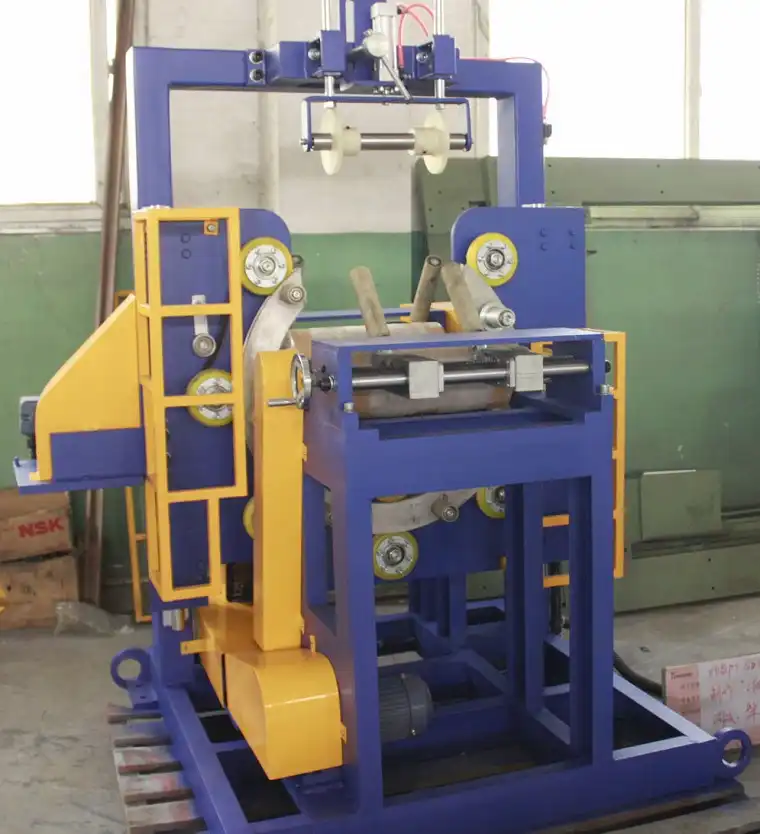
To truly grasp the efficiency gains, let's delve deeper into how coil packing machines optimize various aspects of the packaging workflow.
Streamlining Operations for Maximum Output
Coil packing machines are engineered to perform repetitive tasks with speed and precision far exceeding human capabilities. Consider the typical bottlenecks in manual coil packing and how automation addresses them:
- Speed and Throughput: Manual wrapping is inherently slow and inconsistent. Operators tire, and speed varies. Machines, however, maintain a consistent wrapping speed, often achieving rates several times faster than manual packing. This directly translates to higher throughput and quicker order fulfillment.
- Consistency and Quality: Manual wrapping can lead to uneven tension, loose wraps, and inadequate protection. Machines apply consistent tension and wrap patterns, ensuring each coil is securely and uniformly packaged, reducing damage and improving presentation.
- Reduced Handling: Manual coil handling is labor-intensive and poses safety risks. Automated systems minimize manual lifting and movement of heavy coils, reducing the risk of injury and streamlining the material flow.
To illustrate the impact of these improvements, consider the following comparison:
| Feature | Manual Coil Packing | Coil Packing Machine | Improvement |
|---|---|---|---|
| Wrapping Speed | 5-10 coils/hour | 30-60 coils/hour | 6x - 10x faster |
| Consistency | Variable | Highly Consistent | Improved Quality |
| Material Usage | Less Precise | Optimized | Reduced Waste |
| Labor Requirement | 2-3 operators | 1 operator | Reduced Labor Costs |
| Downtime | Higher | Lower | Increased Uptime |
By automating these core processes, businesses can unlock significant efficiency gains, allowing them to process more coils in less time, with fewer resources, and with enhanced packaging quality. This efficiency boost is a cornerstone of the cost savings provided by coil packing machines.
Reduced Material Costs
Beyond labor, material costs represent a significant portion of packaging expenses. Manual wrapping often leads to material waste due to inconsistent application and over-wrapping. Coil packing machines are designed to optimize material usage, minimizing waste and driving down costs.
Coil packing machines reduce material costs by precisely controlling the amount of wrapping film used per coil. Automated tension control and pre-set wrapping programs ensure optimal film stretch and overlap, minimizing waste and maximizing the utilization of packaging materials compared to manual wrapping.
%[Coil Packing Machine Material Saving]

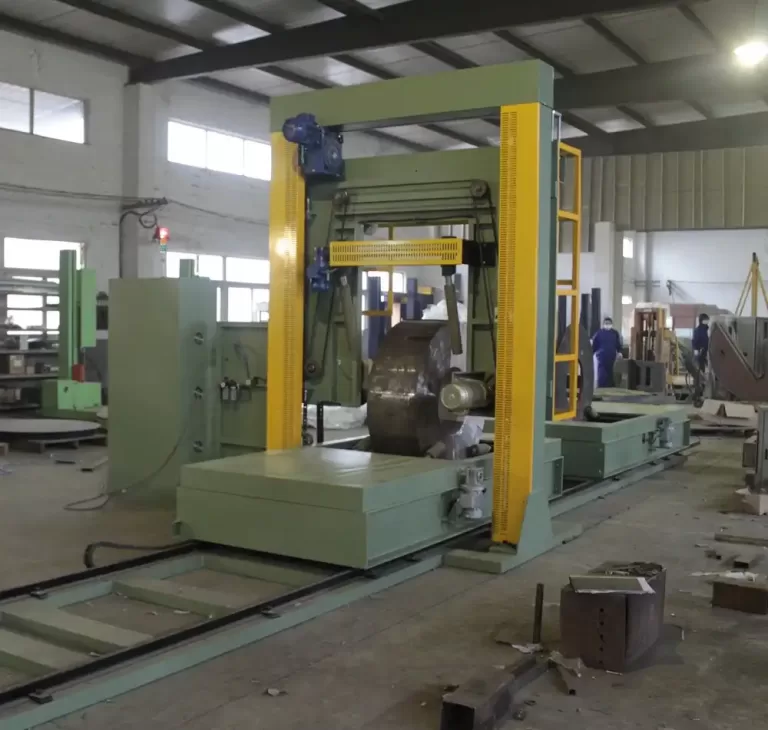
Let's explore how coil packing machines achieve these material savings and the tangible financial benefits they offer.
Optimizing Film Usage and Minimizing Waste
The key to material cost reduction lies in the precise control and optimization capabilities of automated coil wrapping machines:
- Precise Tension Control: Manual wrapping relies on operator judgment, often leading to inconsistent tension. Machines with servo-driven tension control systems maintain consistent film tension, allowing for optimal film stretch without breakage. This means less film is needed to achieve secure wrapping.
- Programmable Wrapping Cycles: Machines can be programmed with specific wrapping patterns and film overlap settings tailored to different coil sizes and types. This eliminates guesswork and ensures the precise amount of film is used every time, preventing over-wrapping.
- Consistent Application: Automated systems apply film uniformly across the coil surface, eliminating areas of excessive film build-up and ensuring efficient material distribution.
- Reduced Damage and Rework: Consistent and secure machine wrapping minimizes product damage during handling and transit. This reduces the need for re-wrapping damaged coils, saving both material and labor.
Consider this example of material savings:
| Metric | Manual Wrapping | Machine Wrapping | Savings |
|---|---|---|---|
| Film Used per Coil (average) | 15 meters | 10 meters | 5 meters/coil |
| Coils Wrapped per Year | 50,000 | 50,000 | - |
| Total Film Savings per Year | - | - | 250,000 meters |
| Material Cost Savings (film) | - | - | Significant (e.g., 20-30%) |
By minimizing film waste through precise control and optimized wrapping cycles, coil packing machines deliver substantial reductions in material consumption, directly translating to lower operational costs and a more sustainable packaging process.
Labor Savings and Automation
Labor costs are a major operating expense in any manufacturing or warehousing operation. Manual coil packing is a labor-intensive task, requiring multiple operators and often leading to inefficiencies and potential for injury. Automating this process with a coil packing machine offers significant labor cost reductions.
Investing in a coil packing machine significantly reduces labor costs by automating the wrapping process. These machines can perform the work of multiple manual laborers, requiring only one operator for machine oversight and maintenance. This reduction in labor needs translates to direct savings in wages, benefits, and associated labor expenses.
%[Coil Packing Machine Labor Saving]

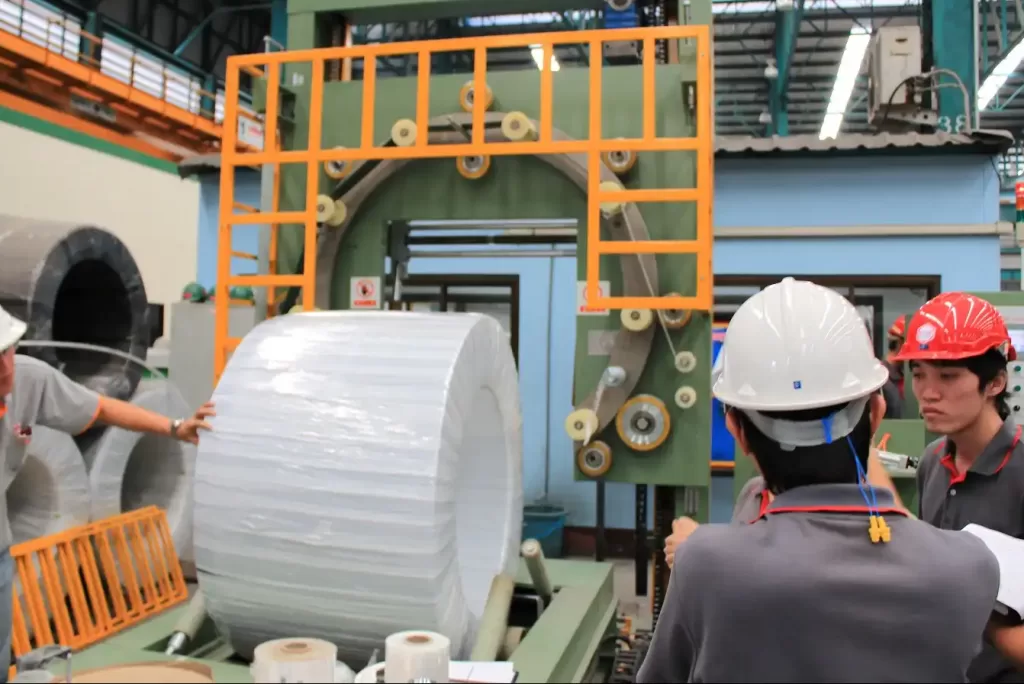
Let's examine the specific ways coil packing machines drive labor savings and the broader benefits of automation in coil packaging.
Reallocating Resources and Enhancing Workplace Safety
Automation not only reduces the number of workers needed for packaging but also enhances the overall work environment:
- Reduced Manpower: A single operator can oversee a coil packing machine that can perform the work of two or more manual wrappers. This frees up valuable labor resources for deployment in other areas of the operation.
- Lower Labor Costs: Fewer packaging personnel directly translates to reduced wage expenses, benefit costs (healthcare, insurance, etc.), and payroll taxes.
- Improved Workplace Safety: Manual coil handling is physically demanding and carries risks of strains, sprains, and other injuries. Automated machines minimize manual lifting and repetitive motions, creating a safer working environment and reducing potential worker's compensation claims.
- Increased Employee Morale: Reassigning workers from monotonous manual packing tasks to more skilled or engaging roles can boost employee morale and job satisfaction.
To quantify the labor savings, consider this example:
| Metric | Manual Packing | Machine Packing | Savings |
|---|---|---|---|
| Operators per Shift | 3 | 1 | 2 operators per shift |
| Average Hourly Wage | \$20 | \$20 | - |
| Shifts per Day | 2 | 2 | - |
| Annual Labor Savings | - | - | Significant (e.g., \$80,000+) |
Furthermore, automation can improve labor efficiency by ensuring consistent work pace and eliminating breaks and downtime associated with manual labor. This consistent output, combined with reduced labor needs, makes coil packing machines a powerful tool for optimizing labor costs.
Calculating the ROI of Coil Packing Machines
While the cost savings in efficiency, material, and labor are evident, understanding the Return on Investment (ROI) is crucial for justifying the capital expenditure of a coil packing machine. Calculating ROI provides a clear financial picture of the investment's payback and long-term profitability.
%[Coil Packing Machine ROI]

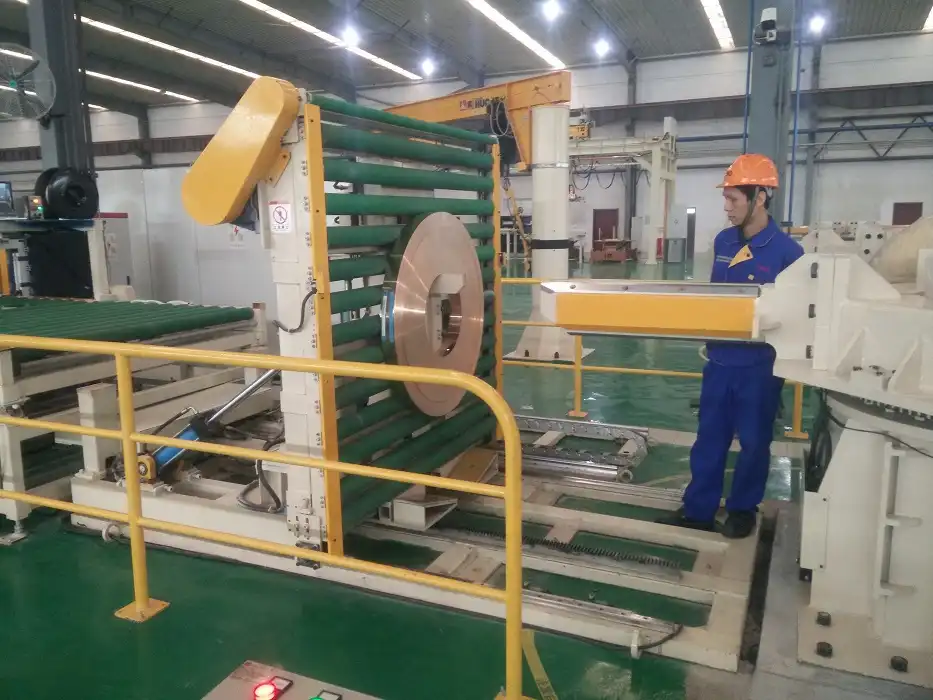
To accurately assess the financial benefits, let's outline the key factors and formulas for calculating the ROI of a coil packing machine.
To calculate the ROI of a coil packing machine, you need to consider the initial investment cost, the annual cost savings (labor, material, efficiency gains), and the lifespan of the machine. Common ROI metrics include Payback Period and Internal Rate of Return (IRR), which help determine how quickly the investment will pay for itself and the overall profitability over time.
Here's a simplified approach to calculating ROI:
- Determine the Total Cost of Ownership (TCO): This includes the purchase price of the machine, installation costs, training, and estimated annual maintenance.
- Calculate Annual Savings: Quantify the yearly savings from reduced labor costs, material waste reduction, and increased throughput.
- Calculate Net Annual Benefit: Subtract any increased costs (e.g., maintenance) from the total annual savings.
-
Apply ROI Formulas:
- Payback Period = Total Cost of Ownership / Net Annual Benefit (This indicates how many years it takes to recoup the initial investment).
- Simple ROI = (Net Annual Benefit / Total Cost of Ownership) x 100% (This expresses the annual return as a percentage of the investment).
Example ROI Calculation:
| Factor | Value |
|---|---|
| Coil Packing Machine Cost | \$150,000 |
| Installation & Training | \$10,000 |
| Total Initial Investment | \$160,000 |
| Annual Labor Savings | \$80,000 |
| Annual Material Savings | \$30,000 |
| Increased Throughput Value | \$20,000 |
| Annual Maintenance Cost | \$5,000 |
| Net Annual Benefit | \$125,000 |
| Payback Period | 1.28 years |
| Simple ROI | 78.13% |
In this example, the coil packing machine pays for itself in approximately 1.3 years and provides a substantial annual return of over 78%. This demonstrates the significant financial benefits that automation can bring to coil packaging operations. Remember to tailor these calculations to your specific operational context and consult with financial professionals for in-depth analysis.
Conclusion
Investing in a coil packing machine offers a compelling pathway to significant cost savings across various operational aspects. From enhanced efficiency and reduced material consumption to substantial labor reductions and improved ROI, the benefits are clear. By automating coil packaging, businesses can optimize their processes, improve their bottom line, and gain a competitive edge in today's demanding market. Embracing coil packing automation is not just an investment in equipment; it's an investment in a more efficient, profitable, and sustainable future.