

What Are the Challenges of Maintaining Pallet Inverters in Remote Locations?
Maintaining pallet inverters in remote locations presents unique challenges that businesses must address to ensure operational efficiency and minimize downtime. These robust machines are crucial for streamlining material handling, but their effectiveness hinges on consistent upkeep, especially when geographically isolated. Understanding these challenges and implementing proactive strategies are key to maximizing the lifespan and performance of pallet inverters, even in the mostLogistically demanding environments. Regular maintenance, strategic planning, and leveraging remote monitoring capabilities are crucial for overcoming these hurdles and ensuring uninterrupted operations.

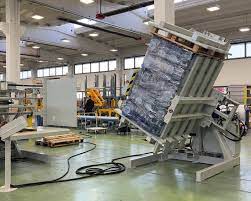
The Unique Hurdles of Remote Pallet Inverter Maintenance
Pallet inverters are indispensable tools in modern warehousing and manufacturing, offering significant improvements in efficiency and safety. However, when these machines operate in remote locations, a new layer of complexity is added to their upkeep. Unlike facilities in urban centers with readily available technical support, remote sites pose distinct challenges that can significantly impact maintenance schedules and costs.

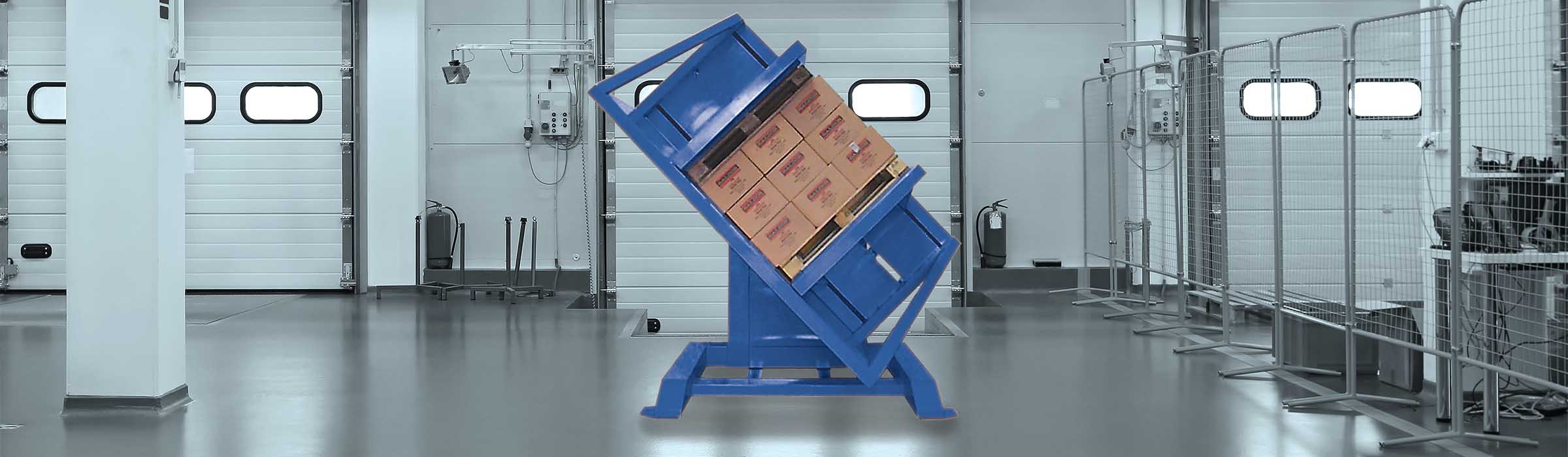
One of the most significant hurdles is accessibility. Remote locations, by definition, are difficult to reach. This translates to lengthy travel times for technicians, often involving significant transportation costs. Whether it's a mine site deep in the mountains, an offshore oil rig, or a distribution center serving sparsely populated regions, simply getting a maintenance crew and spare parts to the inverter can be a logistical undertaking. This contrasts sharply with urban or suburban facilities where technicians can often arrive within hours, if not sooner.
Weather dependency further exacerbates the accessibility issue. Remote areas are frequently more susceptible to extreme weather conditions. Island locations, for example, are heavily reliant on sea transport, which can be severely disrupted by storms or rough seas. Mountainous regions may face road closures due to snow or landslides. These weather-related disruptions can delay scheduled maintenance, and more critically, extend downtime in the event of unexpected breakdowns. A simple repair that might take a few hours in an accessible location could stretch into days or even weeks in a remote setting due to weather-induced delays.
Unforeseen equipment failures are a universal challenge, but they are amplified in remote environments. Without regular on-site monitoring, minor issues can escalate into major malfunctions before they are even detected. This is particularly true for complex systems like pallet inverters which rely on hydraulic, electrical, and mechanical components working in harmony. A small hydraulic leak, if left unnoticed, can lead to system failure and prolonged downtime. Early detection, which is often simpler in easily accessible locations, becomes a critical yet difficult task in remote operations.
The cost of maintenance visits escalates dramatically for remote sites. Beyond technician labor, travel expenses become a major factor. Chartering boats, flying in personnel, or even long vehicle journeys with fuel and accommodation costs all add up. This financial burden can make routine preventative maintenance seem less appealing, leading to a reactive approach where maintenance is only performed when a breakdown occurs. However, this reactive strategy is often more expensive in the long run due to extended downtime and potentially more severe repairs resulting from neglected minor issues.
The Paramount Importance of Proactive Maintenance in Remote Settings
Given the challenges inherent in maintaining pallet inverters in remote locations, the importance of proactive maintenance cannot be overstated. While regular maintenance is crucial for all industrial equipment, it becomes absolutely essential when dealing with geographically isolated machinery. Neglecting maintenance in these settings is a recipe for costly repairs, prolonged downtime, and significant disruptions to operations.

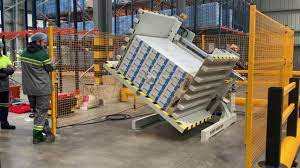
Preventing breakdowns is the primary goal of proactive maintenance, and this is particularly crucial in remote areas. The cost and logistical complexity of responding to a breakdown in a remote location are significantly higher than in an easily accessible site. Regular inspections, lubrication, and timely replacement of wear parts can dramatically reduce the likelihood of unexpected failures. By addressing minor issues before they escalate, businesses can avoid major disruptions that are far more impactful and expensive in remote operations.
Minimizing downtime is directly linked to preventative maintenance. Downtime in any operation translates to lost productivity and revenue. However, in remote locations, downtime is often amplified due to the extended time required to mobilize repair teams and obtain replacement parts. Proactive maintenance, including scheduled servicing and condition monitoring, helps identify potential problems early, allowing for planned interventions during scheduled downtime rather than reacting to sudden, disruptive failures.
Extending equipment lifespan is another key benefit of consistent maintenance, and this is especially valuable for remote pallet inverters. The harsh conditions often associated with remote locations, such as extreme temperatures, dust, and humidity, can accelerate wear and tear on machinery. Regular maintenance, including cleaning, lubrication, and corrosion prevention, helps mitigate these environmental factors, prolonging the operational life of the inverter and maximizing the return on investment.
Ensuring operational efficiency is a continuous goal for any business. A well-maintained pallet inverter operates more efficiently, consuming less energy and performing optimally. In remote locations, where resources may be more constrained and operational costs are already higher, maximizing efficiency is even more critical. Regular calibration and maintenance of hydraulic and electrical systems ensure the inverter operates at peak performance, minimizing energy consumption and maximizing throughput.
Strategic Maintenance Strategies for Remote Pallet Inverters
To effectively maintain pallet inverters in remote locations, businesses need to adopt strategic maintenance approaches that address the unique challenges of accessibility, weather, and cost. These strategies should be proactive, preventative, and leverage technology to overcome geographical limitations.

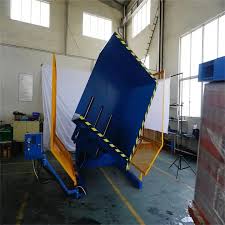
Developing a robust maintenance schedule is the cornerstone of any successful remote maintenance plan. This schedule should be based on manufacturer recommendations, operational hours, and environmental conditions. It should include regular intervals for lubrication, cleaning, inspection of critical components, and calibration. Given the travel time to remote sites, maintenance visits should be planned efficiently, combining multiple tasks into a single trip whenever possible.
Implementing remote monitoring systems is a game-changer for remote pallet inverter maintenance. Modern pallet inverters can be equipped with sensors and communication systems that allow for real-time monitoring of key parameters such as hydraulic pressure, motor temperature, and cycle counts. This data can be transmitted to a central location, providing early warnings of potential issues. Remote monitoring allows for proactive intervention, often before a minor issue escalates into a major breakdown. It also reduces the need for unnecessary routine site visits, as technicians can remotely assess the inverter's condition and only travel when needed.
Training on-site personnel in basic maintenance procedures is a highly effective strategy for remote locations. While specialized repairs may still require expert technicians, training local staff to perform daily checks, lubrication, and basic troubleshooting can significantly improve uptime and reduce the need for frequent external visits. This localized maintenance capability can address minor issues promptly and prevent them from becoming major problems. Clear, concise training programs, coupled with readily available maintenance checklists, are essential for empowering on-site personnel.
Utilizing durable and reliable equipment from the outset is a critical long-term strategy. Investing in high-quality pallet inverters designed for demanding environments reduces the frequency of breakdowns and the overall maintenance burden. Choosing models with robust components, sealed systems to minimize contamination, and corrosion-resistant materials is particularly important for remote locations where environmental conditions may be harsh. While the initial investment may be higher, the long-term savings in reduced maintenance and downtime will often outweigh the upfront cost.
Maintaining an on-site spare parts inventory for critical components can significantly reduce downtime in remote locations. Identifying parts that are prone to wear or failure, such as hydraulic hoses, filters, belts, and electrical components, and stocking a readily accessible inventory on-site eliminates delays associated with ordering and shipping parts to remote areas. This proactive approach ensures that minor repairs can be carried out quickly, minimizing disruptions to operations.
Addressing Common Pallet Inverter Issues in Remote Operations
Even with the most diligent maintenance plan, pallet inverters, like all machinery, can experience issues. Understanding common problems and having strategies to address them remotely is crucial for minimizing downtime in isolated locations.
Hydraulic system failures are a potential source of downtime. Leaks, pump malfunctions, or valve failures can disrupt the inverter's operation. Remote monitoring of hydraulic pressure can provide early warnings of leaks or pump issues. On-site personnel trained in basic hydraulic troubleshooting can often identify the source of a leak and perform minor repairs, such as replacing hoses or fittings, if spare parts are available. For more complex hydraulic issues, remote diagnostics, utilizing video conferencing and remote access to inverter control systems, can assist expert technicians in guiding on-site staff through troubleshooting steps.
Motor failures, whether electrical or mechanical, can bring pallet inverter operations to a standstill. Remote monitoring of motor temperature and current can detect potential overheating or electrical faults. Basic electrical checks, such as inspecting wiring and connections, can be performed by trained on-site personnel. However, motor replacements or complex electrical repairs typically require specialized technicians. Having access to remote diagnostic tools and expert technical support is crucial for efficiently diagnosing motor issues and coordinating necessary repairs.
Electrical issues encompassing wiring problems, control system malfunctions, or sensor failures can also impact inverter functionality. Remote diagnostics and access to inverter control systems are invaluable for troubleshooting electrical problems. Expert technicians can remotely analyze fault codes, sensor readings, and control system parameters to pinpoint the source of the issue. In some cases, software resets or remote reprogramming can resolve control system glitches, minimizing the need for on-site intervention.
Mechanical wear and tear is inevitable over time. Moving parts, such as bearings, rollers, and chains, are subject to wear, especially under heavy use. Regular inspections, as part of a proactive maintenance schedule, are essential for identifying worn components before they fail. Lubrication, cleaning, and timely replacement of wear parts are crucial for preventing mechanical failures and extending the lifespan of the inverter. On-site personnel can be trained to perform visual inspections and basic mechanical maintenance tasks, while more complex mechanical repairs may require specialized technicians.
Troubleshooting and repair strategies for remote locations must prioritize remote diagnostics and support. Manufacturers often offer remote assistance services, leveraging video conferencing, remote access to control systems, and expert technical phone support. These remote capabilities are invaluable for guiding on-site personnel through troubleshooting steps, diagnosing problems accurately, and coordinating necessary repairs efficiently. When on-site technician visits are unavoidable, pre-diagnosis through remote methods ensures that technicians arrive prepared with the correct tools and spare parts, minimizing travel time and repair duration.
Pallet Inverter Durability: A Key Consideration for Remote Operations
The durability of a pallet inverter is a paramount consideration, especially when operating in remote locations. Machines in these environments are often subjected to harsher conditions and less readily available maintenance support, making longevity and resilience crucial for minimizing operational disruptions and maximizing return on investment.
Construction materials and design play a significant role in pallet inverter durability. Heavy-duty steel frames, robust hydraulic cylinders, and high-quality electrical components are essential for withstanding demanding operational environments. For locations with corrosive environments, such as coastal areas or chemical processing plants, selecting inverters with corrosion-resistant coatings and materials is critical to prevent premature degradation and extend lifespan. Sealed enclosures for electrical and hydraulic systems also protect against dust, moisture, and other contaminants that can accelerate wear and tear.
Environmental factors significantly impact equipment durability in remote locations. Extreme temperatures, whether scorching heat or freezing cold, can affect hydraulic fluid viscosity, material strength, and component performance. Dust, sand, and humidity can penetrate machinery, causing abrasion, corrosion, and electrical malfunctions. Choosing pallet inverters designed to withstand the specific environmental challenges of the remote location is crucial. This may include features like temperature-compensated hydraulic systems, sealed enclosures, and protective filters.
Operational intensity also influences durability. Pallet inverters operating in high-throughput environments are subjected to more frequent cycles and heavier loads, accelerating wear and tear. Selecting inverters with sufficient load capacity and duty cycle ratings for the intended application is essential for ensuring long-term reliability. Regular maintenance, particularly lubrication and inspection of wear parts, becomes even more critical in high-intensity operations to mitigate the effects of increased usage.
Maintenance practices are inextricably linked to pallet inverter durability. Proactive maintenance, as discussed earlier, is not only crucial for preventing breakdowns but also for extending equipment lifespan. Regular lubrication reduces friction and wear on moving parts. Cleaning removes contaminants that can cause corrosion and abrasion. Timely replacement of wear parts prevents minor issues from escalating into major damage. Consistent adherence to a well-designed maintenance schedule is the most effective way to maximize the durability and longevity of pallet inverters, particularly in remote and demanding environments.
Conclusion: Ensuring Uninterrupted Pallet Inverter Operation in Remote Areas
Maintaining pallet inverters in remote locations presents a unique set of challenges stemming from accessibility, weather dependency, and logistical complexities. However, by understanding these hurdles and implementing proactive strategies, businesses can ensure the reliable and efficient operation of these critical machines, even in the most isolated environments.
Proactive maintenance is paramount, emphasizing preventative measures, regular inspections, and timely interventions to minimize breakdowns and downtime. Strategic approaches such as remote monitoring systems, training on-site personnel in basic maintenance, and maintaining on-site spare parts inventories are essential for overcoming geographical limitations and ensuring rapid response to potential issues. Selecting durable and reliable equipment designed for demanding environments, coupled with consistent maintenance practices, further enhances longevity and minimizes the overall maintenance burden.
By embracing these strategies, businesses can transform the challenge of remote pallet inverter maintenance into a manageable aspect of their operations, ensuring uninterrupted material handling, maximizing productivity, and achieving long-term operational success, no matter how remote the location. The key lies in proactive planning, strategic implementation, and a commitment to consistent upkeep, ensuring that pallet inverters in remote locations remain reliable workhorses, driving efficiency and productivity for years to come.